Hotels in Fiji
4 cities · 10 hotels
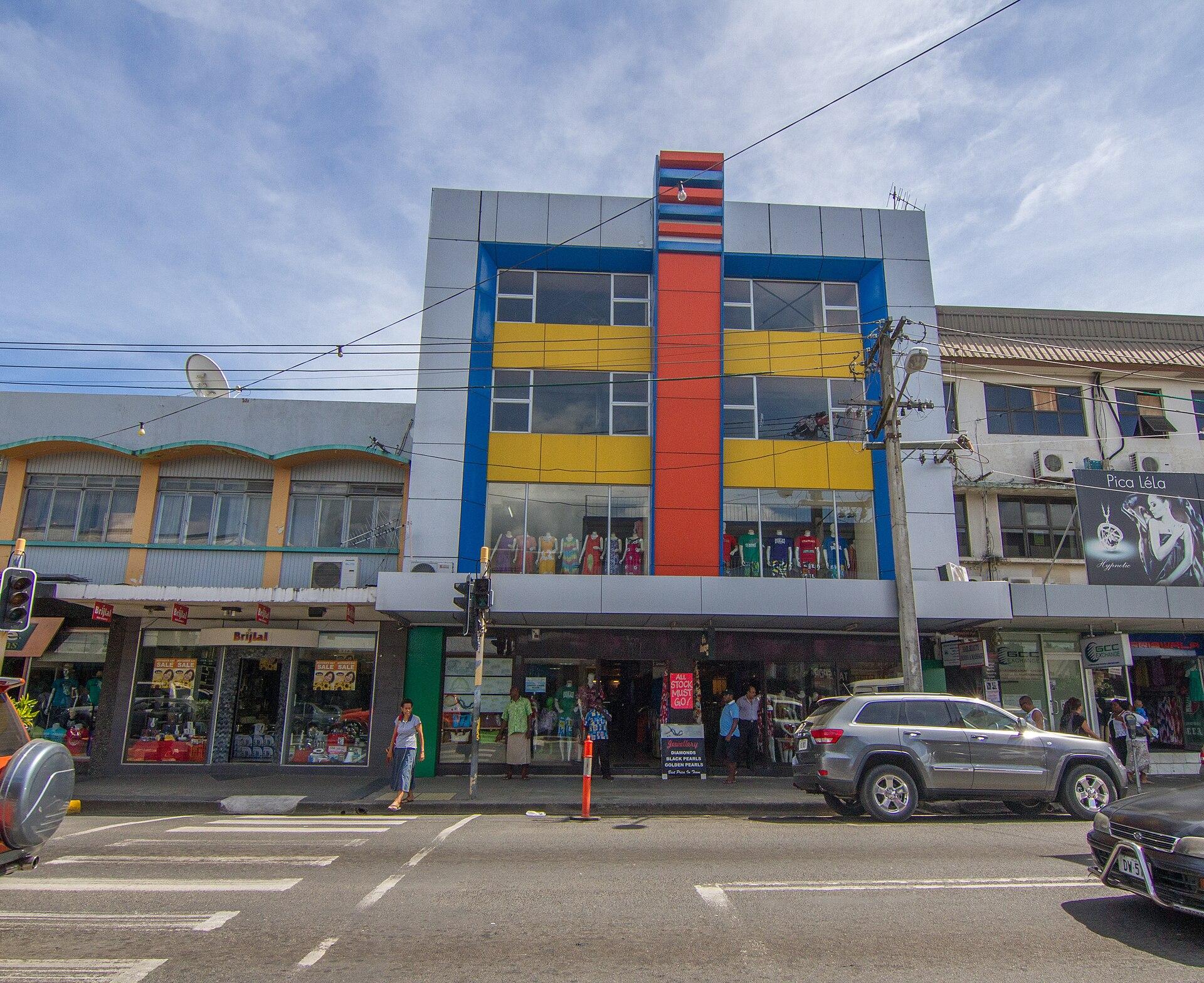
Photo by Wikimedia Commons on Unsplash
Fiji: 333 Islands Across the South Pacific
Fiji spans an archipelago of 333 islands positioned roughly 3,150 km northeast of Sydney and 2,100 km north of Auckland. Only about 110 islands are permanently inhabited. The two largest — Viti Levu and Vanua Levu — hold the majority of the population, the main international airport, and the country's capital, Suva. Despite Fiji's reputation as a beach destination, the islands also contain highland rainforests, river gorges, and active cultural traditions rooted in Melanesian and Indo-Fijian heritage.
Cities Worth Exploring
Nadi, on the western coast of Viti Levu, is the gateway city for most international arrivals and the departure point for island-hopper flights and ferry services. The town's Sabeto thermal pools and the Sri Siva Subramaniya temple — the largest Hindu temple in the Southern Hemisphere — draw visitors who arrive a day early. Suva, 200 km east along the Queen's Highway, is the legislative and commercial capital; its Fiji Museum holds one of the Pacific's most significant collections of Lapita pottery and colonial artefacts. Lautoka, Fiji's second city, sits 24 km north of Nadi and serves the sugar industry that still shapes the western Viti Levu economy.
Regions and Island Groups
The Mamanuca Islands, reachable in 15–75 minutes by high-speed catamaran from Port Denarau near Nadi, concentrate resort infrastructure across a compact reef-ringed group. The Yasawa Islands extend 80 km north of the Mamanucas and offer a quieter alternative; the Blue Lagoon cruise route stops at villages where kava ceremonies remain a social anchor. The Coral Coast on Viti Levu's southern shore runs between Sigatoka and Pacific Harbour and combines surfable beach breaks with the Sigatoka Sand Dunes National Park, Fiji's first national park. Vanua Levu, accessible by daily flight from Nadi to Savusavu (approx. 1 hour), appeals to divers; the Namena Marine Reserve east of Savusavu ranks among the Pacific's rated hard-coral systems. The Lau Group, 60 scattered islands in the far east, remains largely off the organized tourism circuit and requires private charter.
When to Visit Fiji
Fiji sits in the tropics, with a warm season running November through April (25–32 °C) that brings higher rainfall and occasional cyclone risk. The cooler, drier season from May to October sees temperatures around 22–28 °C and calmer seas — the peak period for resort bookings and liveaboard diving. The Bula Festival in Nadi runs for a week each July and draws national cultural performances. Whale-watching season for humpbacks operates approximately July to October in the waters around the Yasawas.
Practical Tips for Visiting Fiji
- Getting there: Nadi International Airport (NAN) handles direct flights from Sydney, Melbourne, Auckland, Los Angeles, and Hong Kong. Suva's Nausori Airport services regional routes.
- Getting around: Ferries connect Viti Levu to the Mamanucas and Yasawas daily from Port Denarau. Inter-island flights via Fiji Link reach Savusavu, Labasa, and Rotuma.
- Currency: The Fijian dollar (FJD) is the local currency. ATMs are reliable in Nadi and Suva; smaller islands run cash-only economies.
- Entry: Most nationalities receive a 4-month visitor permit on arrival. A valid return ticket is required at the border.
- Health: No routine malaria risk exists in Fiji, but dengue fever cases occur; pack insect repellent for evening hours.
- Accommodation range: Viti Levu and the Mamanucas carry the widest hotel inventory, from budget guesthouses to full-service resorts; Lau and outer Lomaiviti have very limited facilities.
Frequently Asked Questions
Q: Which Fijian island is best for first-time visitors? A: Viti Levu suits first visits because it holds the main airport, most transport links, and a range of accommodation at different price points. Day trips to the Mamanucas are easy to arrange from the Coral Coast or Port Denarau.
Q: How many days does a Fiji trip typically require? A: A workable itinerary allocates 7–10 days: two to three on the main island and four to seven on an outer island group. Shorter stays of five days are feasible if based in the Mamanucas.
Q: Is Fiji suitable for non-beach travelers? A: Yes. The Nausori Highlands in central Viti Levu offer village trekking. Pacific Harbour is the base for whitewater rafting on the Upper Navua River and shark dives at Beqa Lagoon.
Q: What language is spoken in Fiji? A: English is an official language used in government, education, and tourism. iTaukei Fijian and Fiji Hindi are the other two official languages. English signage is standard across all tourist areas.
Q: Do Fiji resorts charge resort fees? A: Many full-service resorts on private islands include meals in their rates (full-board or half-board packages). Confirm inclusions at booking, as meal plans significantly affect the effective nightly cost.