Hotels in Finland
5 cities · 102 hotels
Photo by Matthias Speicher on Unsplash
Finland: Lakes, Forests, and Arctic Light
Finland sits at the northern edge of Europe, sharing borders with Sweden, Norway, and Russia. The country covers 338,000 square kilometres, of which 10% is water — 188,000 lakes dot the interior. Helsinki, the capital, stands on a granite peninsula along the Baltic Sea. The population is 5.6 million, with roughly one million living in the Greater Helsinki region. Finnish and Swedish are both official languages.
Cities Worth Exploring
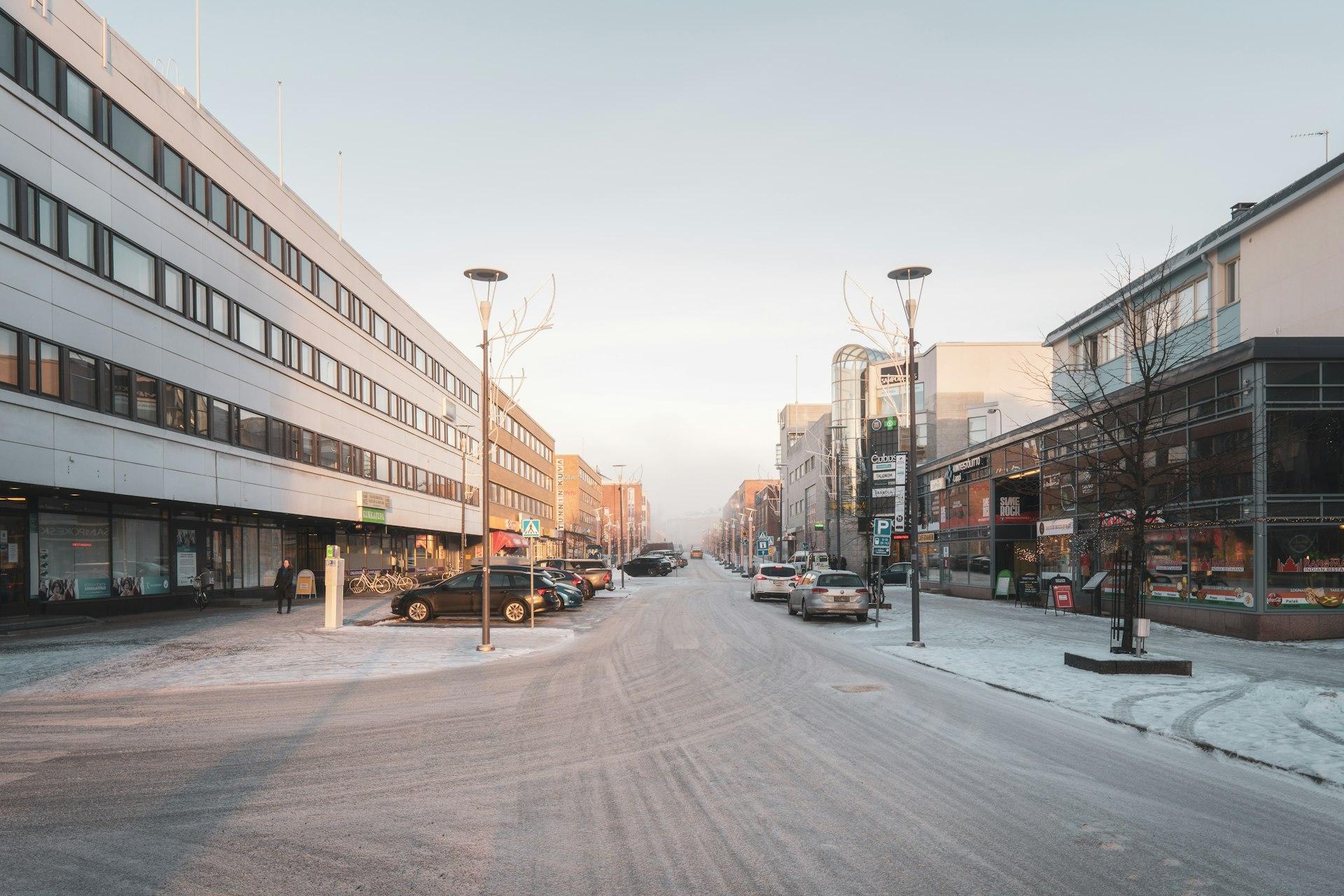
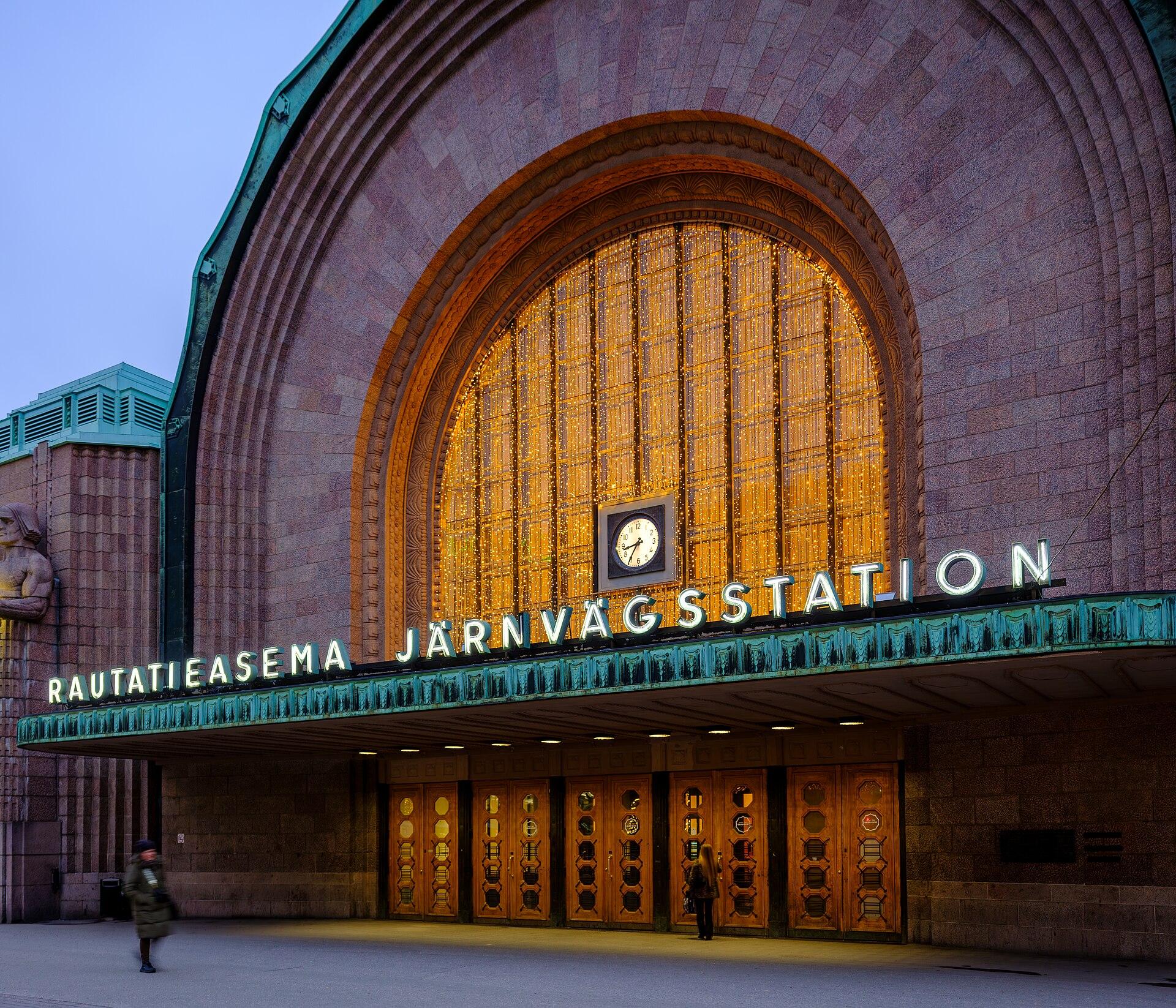
Helsinki anchors the south coast. The Senate Square and Helsinki Cathedral, completed in 1852, define the neoclassical core. The Market Square (Kauppatori) operates year-round beside the harbour, selling fresh fish, berries, and smoked reindeer. Fifteen kilometres west, the suburb of Espoo holds the Finnish National Museum of Contemporary Art (Kiasma). Further north, Tampere — Finland's second city — sits on an isthmus between lakes Näsijärvi and Pyhäjärvi, and its former red-brick textile mills now house galleries and breweries. Turku, 165 km west of Helsinki, served as Finland's capital until 1812 and retains Turku Castle, founded in 1280.
Lapland and the Lake District
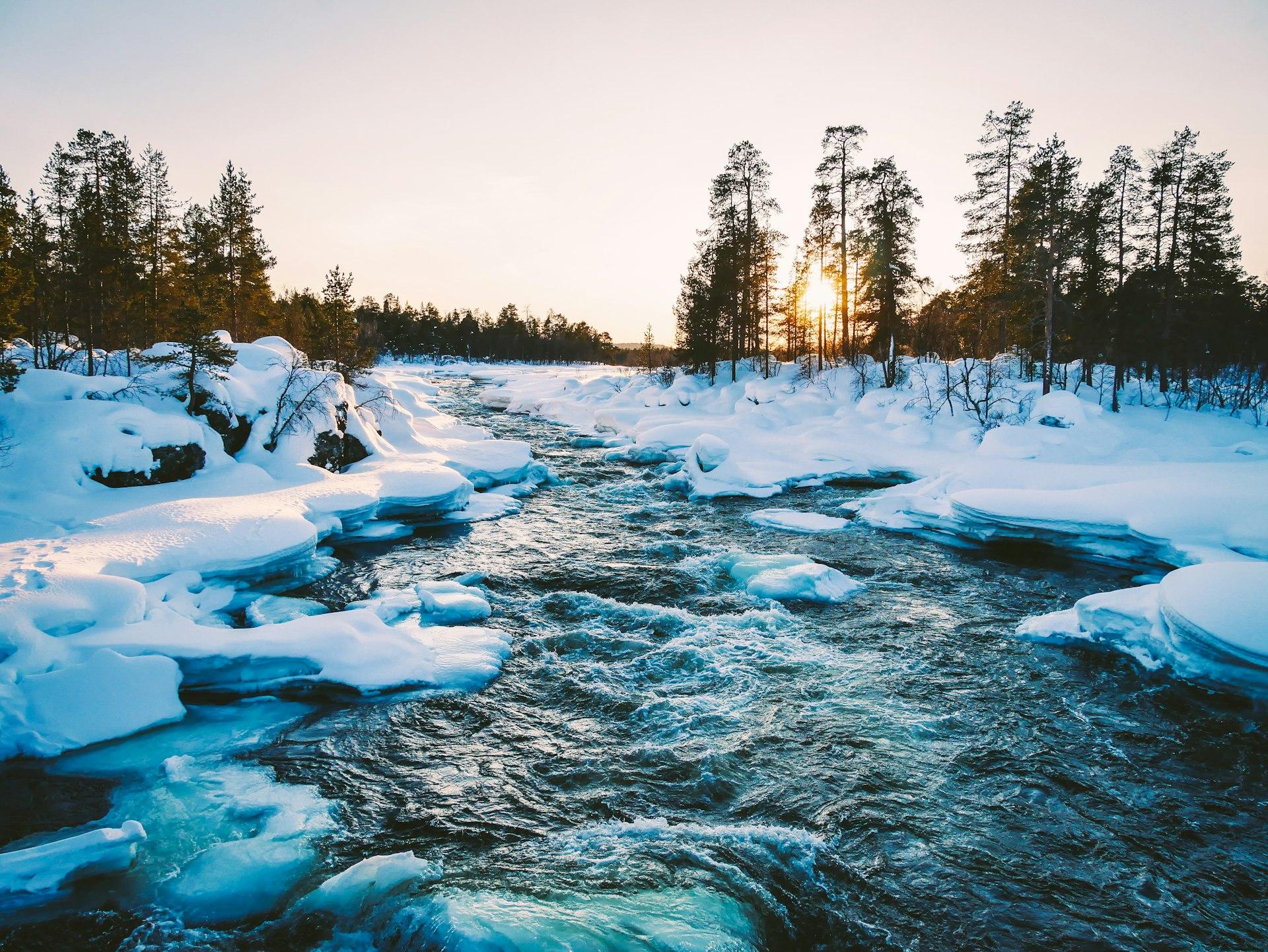
Finnish Lapland begins roughly at the Arctic Circle, about 830 km north of Helsinki. Rovaniemi, the regional capital, sits precisely on the Arctic Circle line. The aurora borealis is visible here from late August through April on clear nights. Saariselkä and Levi are the main ski and wilderness centres. The ski season in Lapland runs from November to May.
The Finnish Lake District (Järvi-Suomi) covers the central and eastern interior. Savonlinna hosts the annual Savonlinna Opera Festival each July inside Olavinlinna Castle, a medieval fortress built in 1475 on a small island. The region is best explored by lake ferry or bicycle between June and August.
When to Visit Finland
Summer (June–August) brings near-continuous daylight — Helsinki receives up to 19 hours of sun in late June. Midsummer (Juhannus), celebrated on the weekend nearest 24 June, is the largest national holiday. Winter (December–February) offers polar night in Lapland, with temperatures dropping to −20 °C or lower. Rovaniemi averages 160 cm of snowfall per season. The shoulder months of May and September offer smaller crowds, lower hotel rates, and stable temperatures of 10–15 °C in the south.
Practical Tips for Visiting Finland
- Getting around: VR (Finnish Railways) connects Helsinki to Tampere in 1 hour 40 minutes and to Turku in 2 hours. Rovaniemi is reachable by overnight train (about 12 hours from Helsinki) or by 1-hour flight.
- Currency: Euro (EUR). Card payment is accepted almost universally; cash is rarely needed.
- Sauna culture: Public saunas such as Löyly and Allas Sea Pool in Helsinki are open to visitors; towel rental is available on-site.
- Packing for Lapland: Thermal base layers and waterproof outer shells are essential from October through April. Rental gear is available in Rovaniemi and Levi.
- Booking ahead: Lapland cabin accommodation and Helsinki waterfront hotels fill early for midsummer and the December–January aurora season — reserve two to three months in advance.
Frequently Asked Questions
Q: What is the best base for seeing the northern lights in Finland? A: Rovaniemi and Saariselkä in Finnish Lapland offer reliable aurora viewing from late August through April. Cloud cover is the main variable; clear nights are most frequent in February and March.
Q: Do visitors need a visa to enter Finland? A: Finland is part of the Schengen Area. Citizens of EU/EEA countries and many others (including the US, Canada, and Australia) may enter without a visa for stays up to 90 days. Travellers from countries not on the Schengen visa-free list must apply in advance.
Q: How many hotel options does Helsinki offer? A: Helsinki carries a broad range of accommodation from design boutique properties in the Design District to large conference hotels near Pasila rail hub and budget options in the Kallio neighbourhood.
Q: Is Finland expensive for travellers? A: Finland ranks among the higher-cost European destinations. Budget travellers can reduce costs by choosing hostel dorms or apartment rentals and using the extensive supermarket network (K-Market, S-Market) for meals.
Q: What language is spoken, and will English suffice? A: Finnish and Swedish are official languages. English fluency is near-universal among service staff in cities and tourist areas; rural Lapland guides routinely work in English, German, and French.