
Hotels in Montmartre, Paris
8 hotels · 8 nearby attractions· Part of Paris
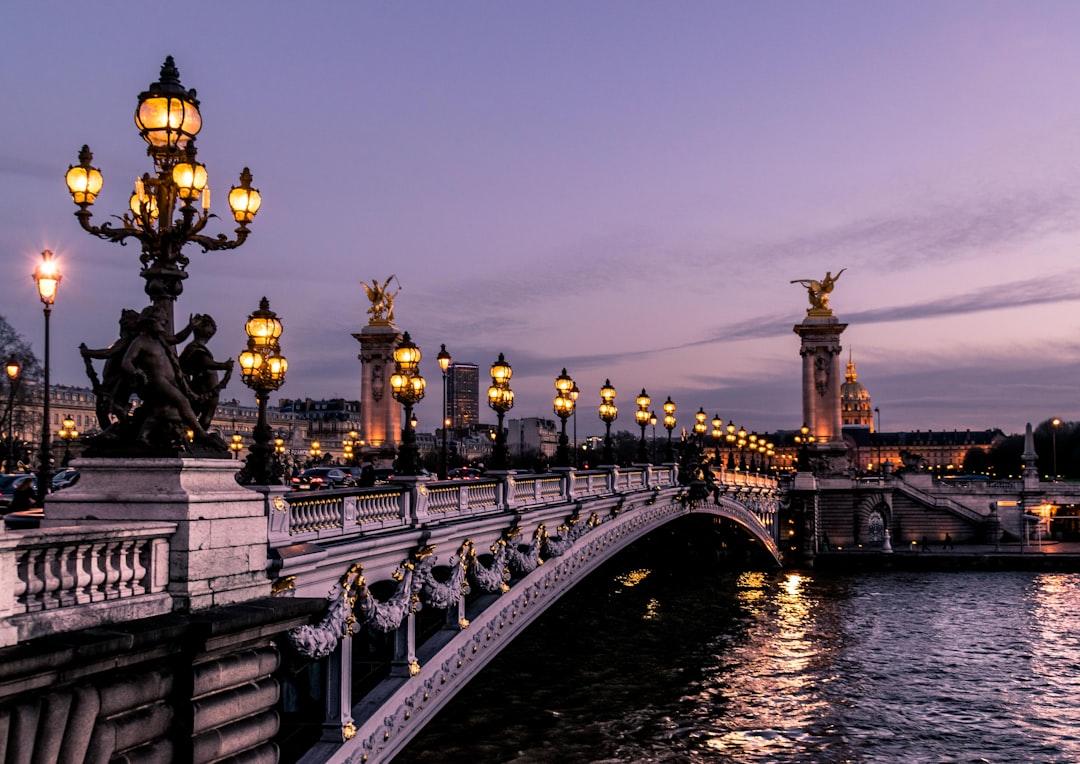
Photo by Bastien Nvs on Unsplash
About Montmartre
Montmartre, Paris: A Hilltop District with Deep Artistic Roots
Perched on the highest hill in Paris, Montmartre is one of the city's most distinctive and storied districts. Known for its winding cobblestone streets, vineyard, and vibrant artistic heritage, this 18th arrondissement neighborhood draws millions of visitors each year — yet still manages to feel like a village within a city.
Art, History, and the Bohemian Spirit
Montmartre rose to international fame in the late 19th and early 20th centuries as a gathering place for artists, writers, and intellectuals. Pablo Picasso, Henri de Toulouse-Lautrec, and Amedeo Modigliani all lived or worked in the area. The Bateau-Lavoir, a ramshackle building on Place Émile-Goudeau, served as a studio for Picasso and is considered the birthplace of Cubism. Today, the Place du Tertre remains a working square where portrait artists and painters set up their easels daily, continuing a tradition that stretches back well over a century.
Dominating the skyline at the summit is the Sacré-Cœur Basilica, a white Romano-Byzantine church completed in 1914. Its elevated position offers sweeping views across Paris, making it one of the most visited sites in the city. The steps leading up to the basilica are a popular gathering spot, especially at dusk.
Streets, Cabarets, and the Montmartre Vineyard
Beyond the basilica, Montmartre rewards slow exploration. Rue Lepic is a lively market street lined with bakeries, cheese shops, and cafés. The Moulin Rouge, the world-famous cabaret founded in 1889 on Boulevard de Clichy, sits at the foot of the hill and remains a working performance venue. The Clos Montmartre vineyard, one of the last remaining urban vineyards in Paris, produces a small harvest each October celebrated with a local festival.
Practical Tips for Visiting Montmartre
- Getting there: The closest Métro stations are Abbesses (Line 12) and Anvers (Line 2). A funicular also runs from the base of the hill to the Sacré-Cœur.
- Best time to visit: Weekday mornings are quieter; weekends draw larger crowds, particularly around Place du Tertre.
- Nearby attractions: Gare du Nord is about 1.5 km away. The Louvre Museum, Musée d'Orsay, and Centre Pompidou are accessible by Métro within 20–30 minutes.
- Watch your belongings: Like many high-traffic tourist areas in Paris, Montmartre sees a significant amount of pickpocketing activity.
Nearby attractions


Part of Paris
Hotels in Montmartre