Hotels in French Guiana
1 cities · 2 hotels
French Guiana: Amazon Coast Between Cayenne and the Guiana Space Centre
French Guiana is an overseas territory of France on the northeastern coast of South America, bordered by Brazil to the south and east and Suriname to the west. The territory covers 83,534 km², roughly 90% of which is Amazonian rainforest. Its capital, Cayenne, sits on a small peninsula at the mouth of the Cayenne River. Unlike neighboring countries, French Guiana uses the euro, issues French passports, and sends elected representatives to the French National Assembly in Paris.
Cities Worth Exploring
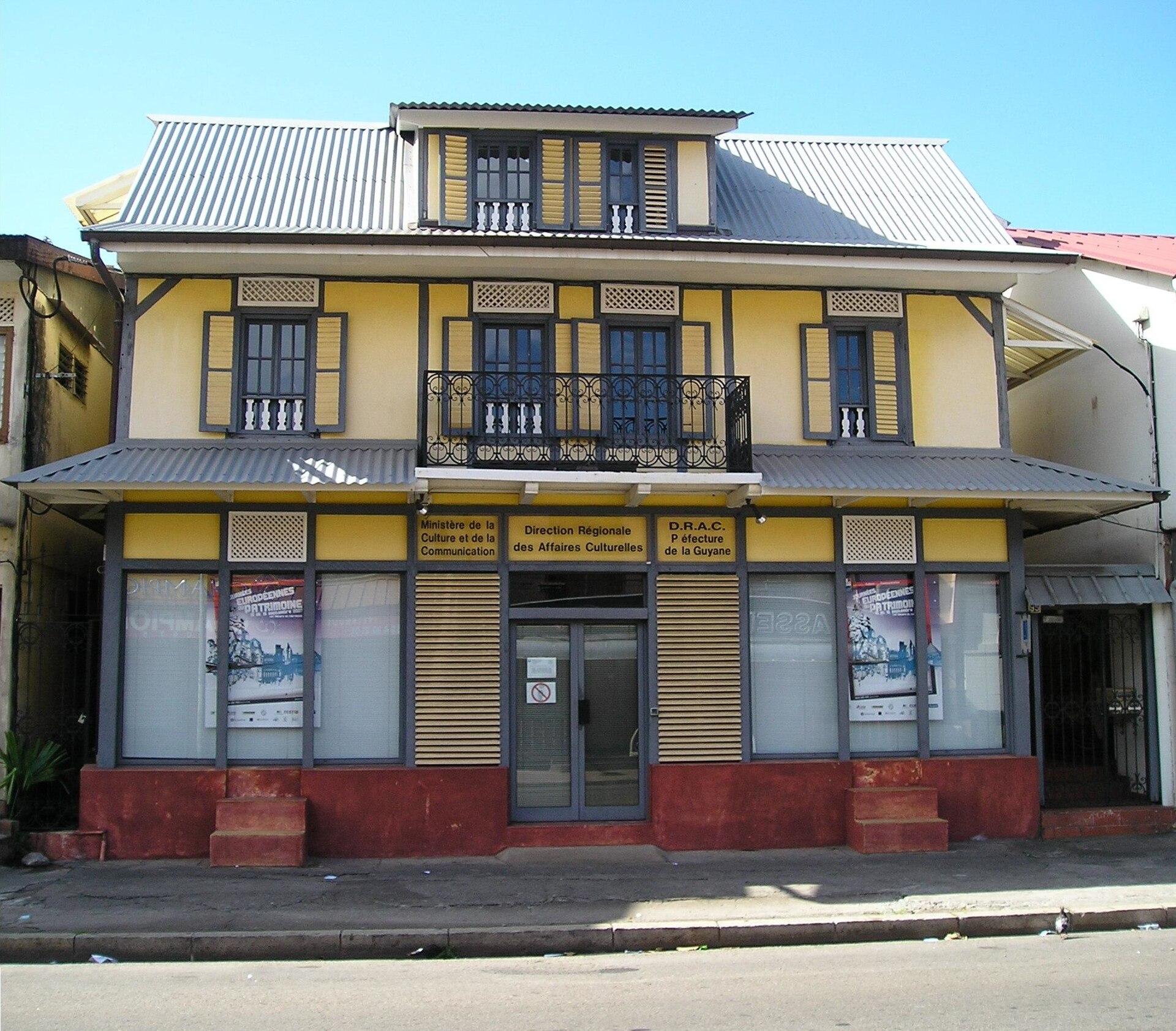
Cayenne anchors all inbound travel. The city's Creole-painted wooden facades along Rue de Remire reflect three centuries of French, African, and Amerindian influence. The central market at Place du Coq sells pepper, tafia rum, and smoked fish every morning. Saint-Laurent-du-Maroni, 250 km west of Cayenne on the Maroni River, was the gateway for convicts shipped to the penal colonies between 1852 and 1953; Camp de la Transportation survives as a preserved historical site. Kourou, 60 km northwest of Cayenne, is home to the Guiana Space Centre (Centre Spatial Guyanais), the launch facility used by the European Space Agency for Ariane 5 and now Ariane 6 rockets.
Rainforest, Rivers, and the Îles du Salut
The Îles du Salut — three small islands 15 km off the coast of Kourou — held the most notorious French penal colony, including Devil's Island, where Alfred Dreyfus was imprisoned from 1895 to 1899. Day ferries run from Kourou. The mainland interior is accessed via dugout canoe along the Maroni and Oyapock rivers, where six Amerindian nations and six Maroon communities maintain villages. The Parc Amazonien de Guyane, established in 2007, protects 3.4 million hectares of contiguous rainforest in the south — one of the largest national parks in the European Union by area.
When to Visit French Guiana
French Guiana has four seasons defined by rainfall rather than temperature. The long dry season runs mid-August to mid-November — the most comfortable window for trekking and river travel. A short dry season occurs mid-February to mid-April, which overlaps with the Carnival of Cayenne, held each year in the weeks before Lent. Average temperatures in Cayenne stay between 25 °C and 30 °C year-round. The long rainy season (April–July) floods forest trails and swells rivers but rewards birders with active nesting activity across more than 700 recorded species.
Practical Tips for Visiting French Guiana
- Getting there: Direct flights operate from Paris-Orly to Félix Eboué Airport (Cayenne) in roughly 9 hours; connections via Fort-de-France and Pointe-à-Pitre are common from the Caribbean.
- Currency: Euro (€). ATMs are available in Cayenne and Kourou; cash is essential in interior villages.
- Health precautions: Yellow fever vaccination is mandatory for entry. Antimalarial medication is recommended for travel south of the coastal strip.
- Getting around: Hire cars and shared taxis (taxi-brousse) serve the coastal road (N1/N2). Interior travel requires river boats or light aircraft chartered from Cayenne.
- Accommodation range: Hotels concentrate in Cayenne and Kourou; eco-lodges and riverside carbets (open-sided shelters) serve interior routes.
Frequently Asked Questions
Q: Is a visa required to visit French Guiana? A: French Guiana is an integral part of France, so EU citizens enter without a visa. Non-EU nationals follow standard French/Schengen visa rules, though French Guiana sits outside the Schengen Area — verify entry requirements before travel.
Q: What is the best base for visiting the Guiana Space Centre? A: Kourou is the closest town, 3 km from the launch complex. Free guided tours of the space centre are bookable through the CSG visitor service; launch-viewing spots fill weeks in advance for scheduled Ariane missions.
Q: How do travelers reach Devil's Island? A: Ferries depart from Kourou port for the Îles du Salut most mornings; the crossing takes about 45 minutes. Overnight stays on Île Royale are possible at the former wardens' quarters, now operated as a guesthouse.
Q: What language is spoken in French Guiana? A: French is the official language. Creole Guyanais is widely spoken in daily life. Maroon communities speak languages including Saramaccan and Aluku; Amerindian groups maintain their own languages in interior villages.
Q: Is French Guiana safe for independent travel? A: The coastal zone around Cayenne and Kourou is broadly safe for tourists. The interior requires experienced guides and permits for indigenous territories. The Maroni River border region has had reported incidents related to illegal gold mining — consult current advisories before remote travel.