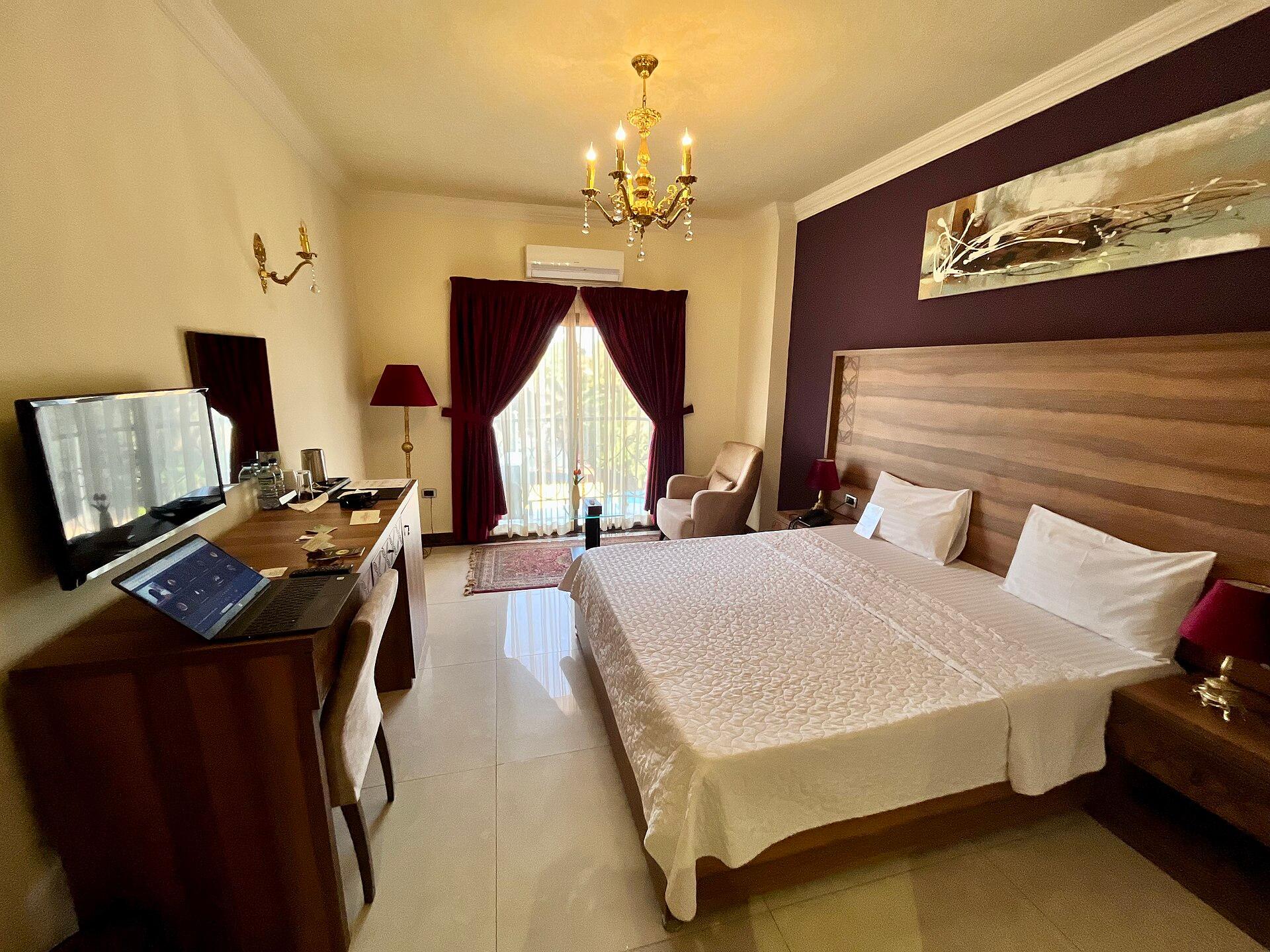
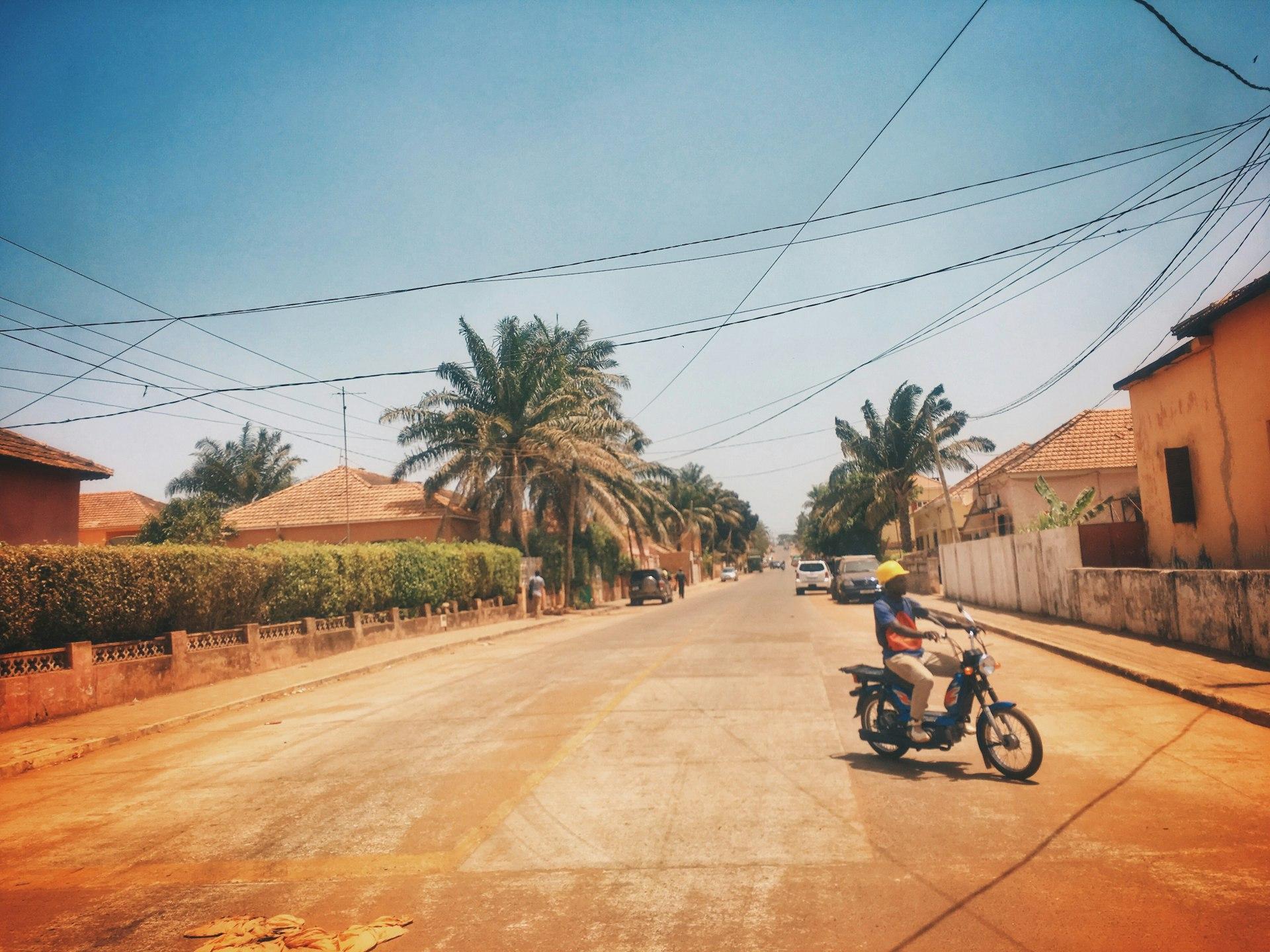
Hotels in Guinea-Bissau
1 cities · 1 hotels
Guinea-Bissau: West Africa's Archipelago Frontier
Guinea-Bissau sits on West Africa's Atlantic coast, bordered by Senegal to the north and Guinea to the south and east. The country covers roughly 36,125 km² and holds a population of around 2 million. Its most distinctive geographic feature is the Bijagós Archipelago — 88 islands and islets extending up to 80 km offshore, many uninhabited and protected under a UNESCO Biosphere Reserve designation granted in 1996. This combination of mainland savanna, mangrove waterways, and remote island chains gives the country a geographic range unusual for its size.
Cities Worth Exploring
Bissau, the capital, sits on the Geba River estuary and anchors the country's hotel infrastructure. The Bandim quarter functions as the commercial heart, with the Bissau Velho (old town) district holding colonial-era Portuguese architecture including the Fortaleza d'Amura, built in the 18th century and used as a presidential palace. Gabu, the largest inland city, serves as a gateway to the eastern Bafatá region and is home to the Fula cultural traditions that dominate the country's interior.
The Bijagós Islands and Coastal Regions
The Bijagós Archipelago draws researchers, birders, and eco-travelers. Orango Island hosts one of the few populations of saltwater hippopotami on Earth. Rubane Island and Bubaque Island — the archipelago's administrative center — offer the most accessible accommodation, typically small eco-lodges reachable by pirogue or scheduled boat from Bissau's port. The crossing takes two to four hours depending on tides. The islands' beaches remain largely free of mass tourism infrastructure. Sea turtle nesting occurs on several islands between October and March.
When to Visit Guinea-Bissau
The dry season runs from November through April, when roads remain passable and island crossings are calmer. The rainy season (June–October) brings heavy downpours that render many rural tracks impassable and complicate boat schedules to the archipelago. February and March offer the clearest skies and are considered the most practical months for island travel. The Carnival of Bissau, held in February, draws visitors with processions rooted in Creole and Balanta traditions.
Practical Tips for Visiting Guinea-Bissau
- Visa: Most nationalities require a visa; apply in advance through a Guinea-Bissau embassy or, for some nationalities, on arrival at Osvaldo Vieira International Airport.
- Currency: The West African CFA franc (XOF) is the official currency; ATM availability outside Bissau is limited, so carry sufficient cash.
- Getting around: Shared taxis (toca-tocas) cover Bissau's main routes; rent a 4WD vehicle for travel to Bafatá or Gabu as road conditions degrade rapidly outside the capital.
- Island transport: Book pirogue or ferry crossings from Pidjiguiti Pier in Bissau; schedules depend on tides and season.
- Health: Malaria is endemic year-round; prophylaxis and mosquito protection are standard precautions.
- Language: Portuguese is the official language; Guinean Creole (Kriol) is the primary spoken lingua franca across all regions.
Frequently Asked Questions
Q: What is the closest airport to the Bijagós Islands? A: Osvaldo Vieira International Airport in Bissau is the main entry point. From Bissau, travelers reach the islands by boat from Pidjiguiti Pier, with crossings to Bubaque taking approximately three to four hours.
Q: Are there hotels on the Bijagós Islands? A: Accommodation on the islands is mostly small eco-lodges and guesthouses, concentrated on Rubane and Bubaque. Advance booking is strongly advised as capacity is limited.
Q: Is Guinea-Bissau safe for travelers? A: The country has experienced political instability historically, but Bissau and the archipelago are generally calm for tourists. Travelers should check current government advisories before departure.
Q: What currency should travelers bring? A: The West African CFA franc (XOF) is used. Euro cash converts well in Bissau; card acceptance outside the capital is rare, so arriving with adequate local currency is essential.
Q: What language is spoken in Guinea-Bissau? A: Portuguese is the official administrative language, but Kriol — a Portuguese-based creole — is spoken daily by most of the population across ethnic and regional lines.