Hotels in Honduras
4 cities · 27 hotels
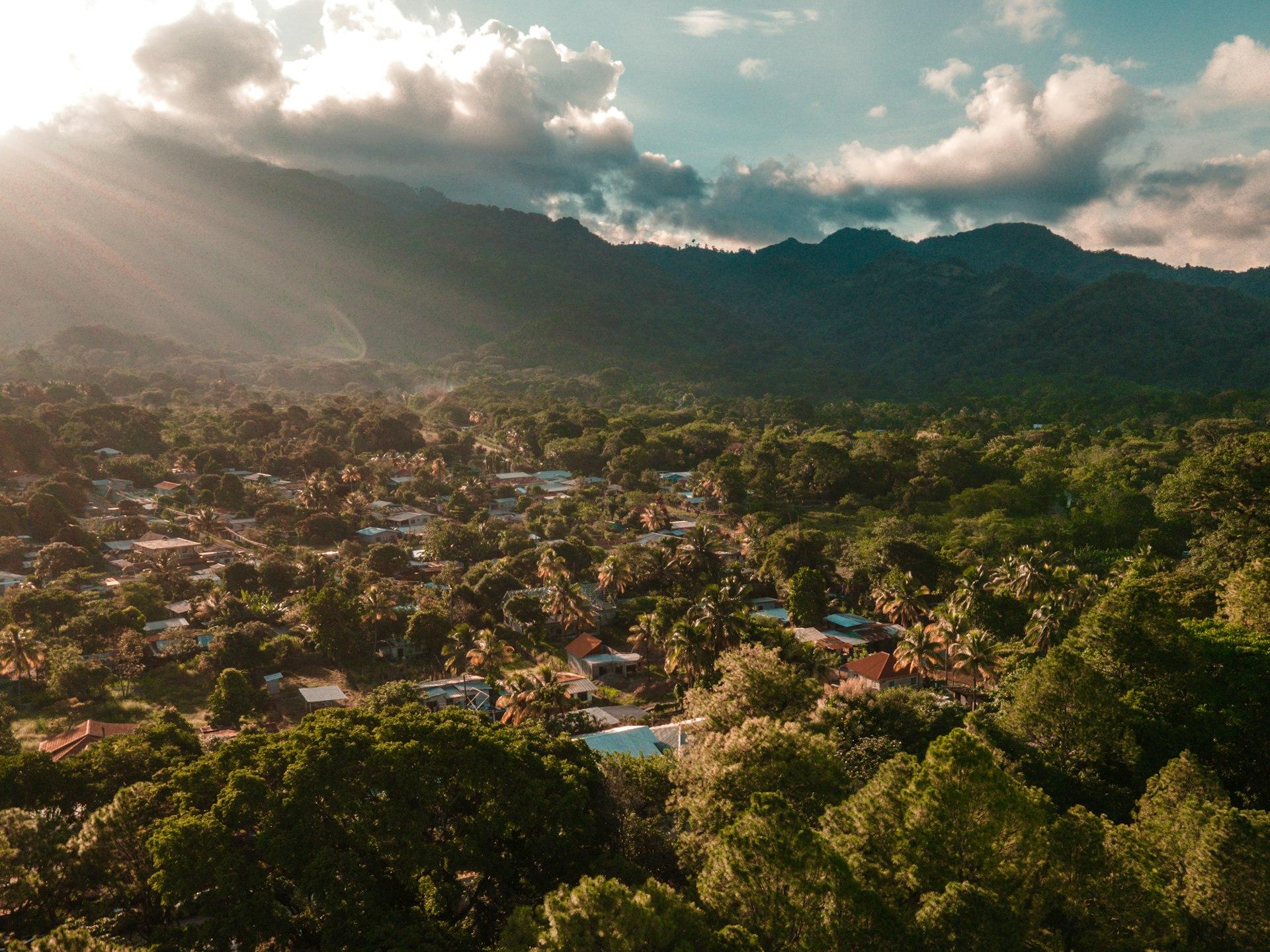
Photo by Héctor Emilio Gonzalez on Unsplash
Honduras: Caribbean Reefs, Maya Ruins, and Cloud Forest
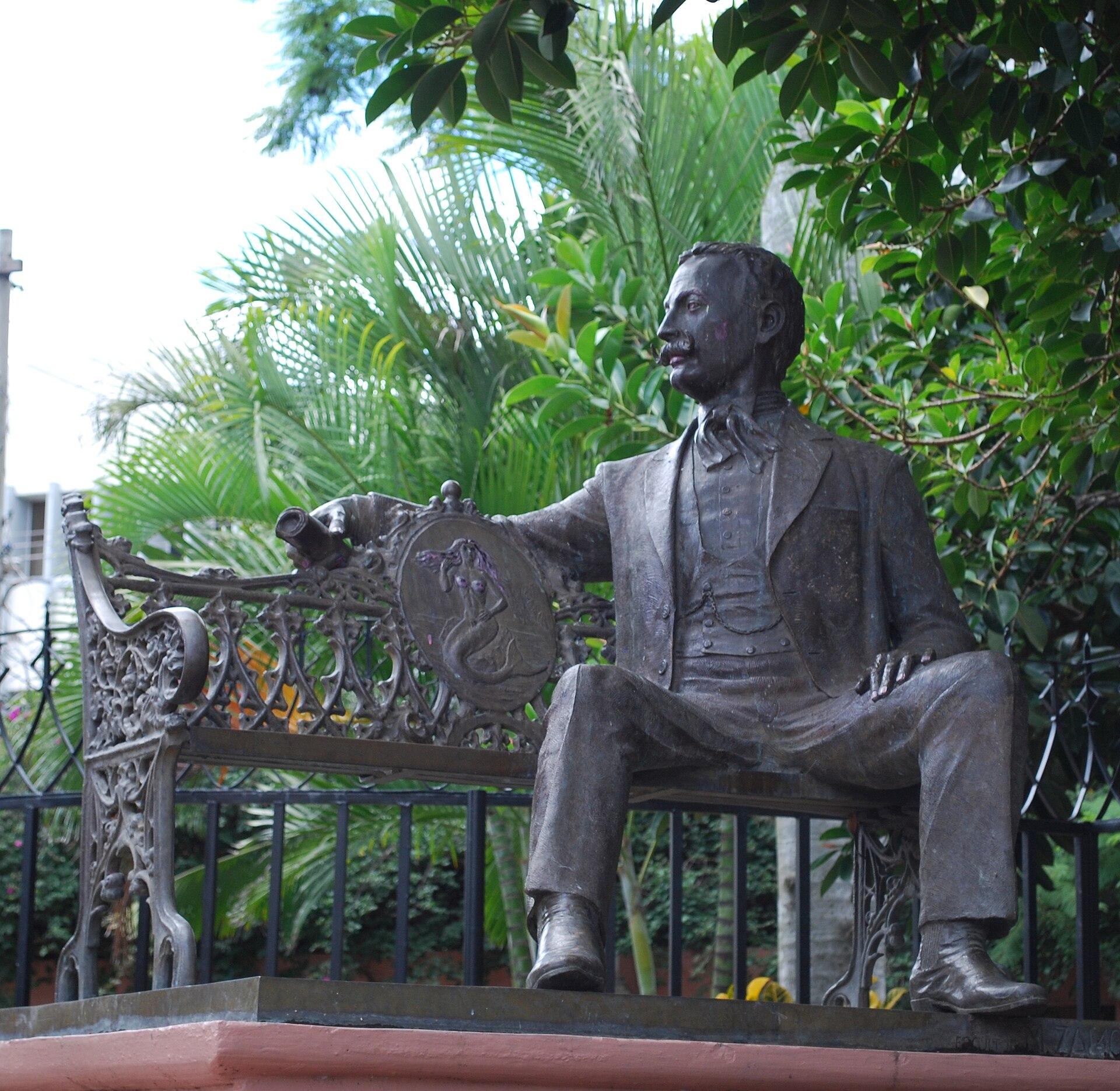
Honduras sits at the heart of Central America, bordered by Guatemala to the west, El Salvador to the south, and Nicaragua to the southeast. The country spans 112,492 km² and holds one of the hemisphere's most significant Maya sites, Copán, alongside the second-longest barrier reef in the world off its Caribbean coast. Travelers arrive for diving, archaeology, and montane wildlife — often within the same itinerary.
Cities Worth Exploring
Tegucigalpa, the capital, occupies a highland valley at 990 metres elevation. Its colonial centre around Parque Central and the 18th-century Catedral de San Miguel draws history-focused visitors, while the hillside neighbourhood of Barrio La Leona offers local cafés and panoramic views. San Pedro Sula, 240 km north, anchors the industrial Sula Valley and serves as the gateway to the north coast and the Copán ruins. The city's Mercado Guamilito is a working craft and produce market covering a full city block.
The Bay Islands and Caribbean Coast
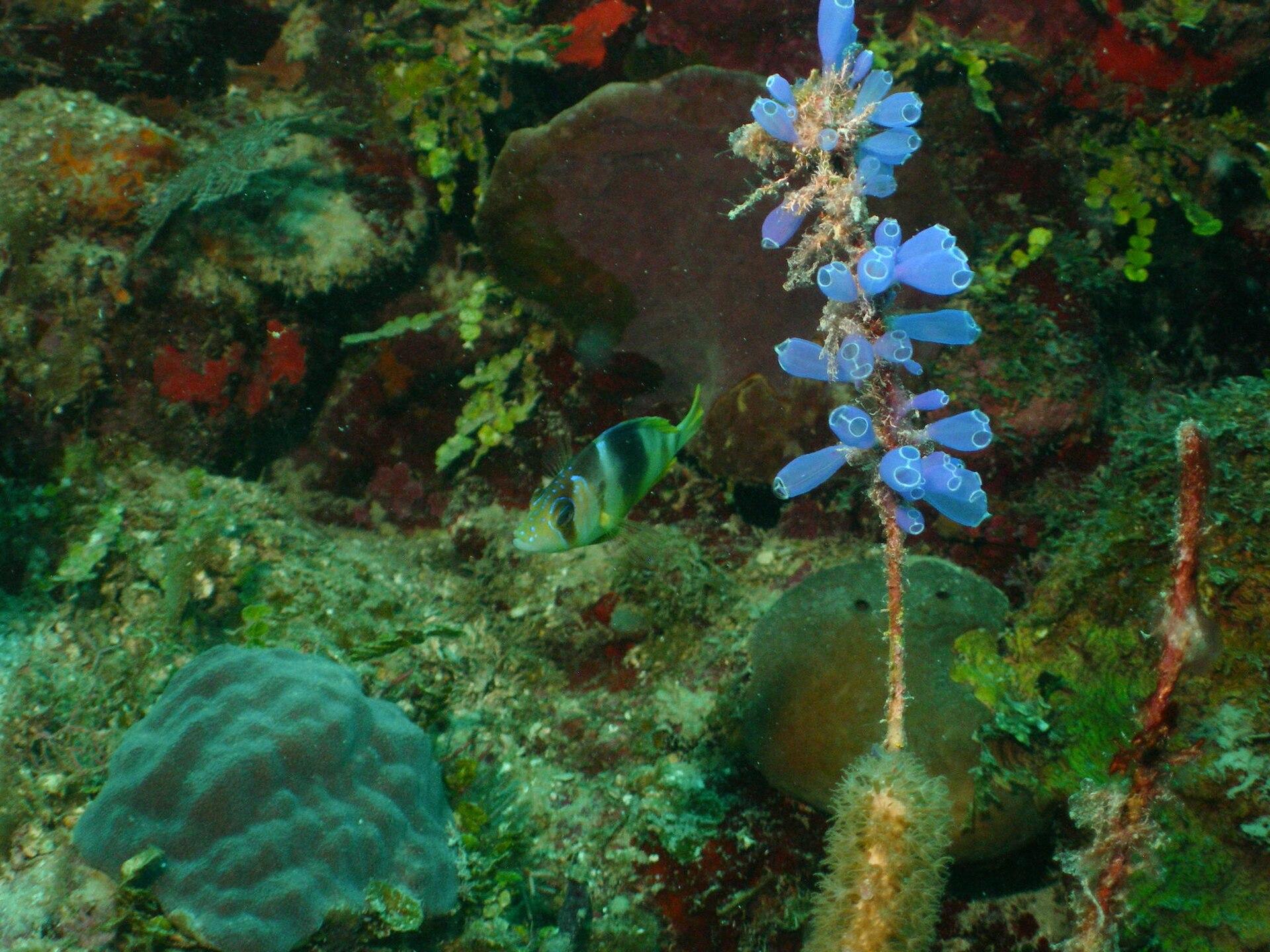
Roatán, 65 km off the north coast, is the largest of the Bay Islands and home to the Mesoamerican Barrier Reef on its southern shore. Dive sites such as Mary's Place — a vertical crack in the reef wall dropping to 30 metres — attract divers year-round. West End village concentrates budget and mid-range hotels within walking distance of the reef. The smaller island of Utila draws open-water certification courses because of consistently low costs and the seasonal presence of whale sharks between March and May.
Copán and the Western Highlands
The Copán Ruinas archaeological zone, a UNESCO World Heritage Site since 1980, preserves the most elaborately carved stelae of any Maya city. The Hieroglyphic Stairway — 63 steps with 2,200 individual glyphs — is the longest Maya text yet recorded. The colonial town of Copán Ruinas sits 1 km from the site entrance and offers lodging, restaurants, and local guides. Northwest of Tegucigalpa, Gracias in the Lempira department provides access to Celaque National Park, where Cerro Las Minas reaches 2,849 metres, the country's highest peak.
Practical Tips for Visiting Honduras
- When to visit: November through April is the dry season on the Pacific side; the Bay Islands receive least rain from February to September.
- Getting around: Inter-city buses connect Tegucigalpa and San Pedro Sula frequently; shuttle services cover the Copán Ruinas route (approx. 4 hours from San Pedro Sula). Domestic flights reach Roatán from both main cities.
- Currency: The Honduran lempira (HNL) is the official currency; US dollars are widely accepted in tourist zones.
- Health: Pack malaria prophylaxis if visiting lowland jungle areas; reef sunscreen that is reef-safe is required near the barrier reef.
- Entry: Citizens of many countries receive a 90-day CA-4 visa-free entry covering Honduras, Guatemala, El Salvador, and Nicaragua.
Frequently Asked Questions
Q: What is the best base for diving in Honduras? A: West End on Roatán is the most convenient base, with dive operators a short walk from most hotels. Utila town is the budget alternative and known for whale shark sightings.
Q: How far is Copán Ruinas from San Pedro Sula? A: The route covers approximately 170 km by road and takes around 3–4 hours by shuttle or bus, passing through the Sula Valley and climbing into the western highlands.
Q: Is Honduras safe for travelers? A: Safety conditions vary significantly by region. Tourist zones including the Bay Islands, Copán Ruinas, and central Tegucigalpa have established visitor infrastructure; travelers should check current government advisories before departure.
Q: What language is spoken in Honduras? A: Spanish is the official language. English is widely spoken in the Bay Islands, where the Afro-Caribbean Garífuna community also maintains its own language along the north coast.
Q: When do whale sharks appear near Utila? A: Whale sharks congregate around Utila primarily from March through May, coinciding with plankton blooms. Sightings are possible outside this window but less predictable.