
Hotels in Hong Kong
1 cities · 0 hotels
Hong Kong: A City-State of 263 Islands and One Unmistakable Skyline
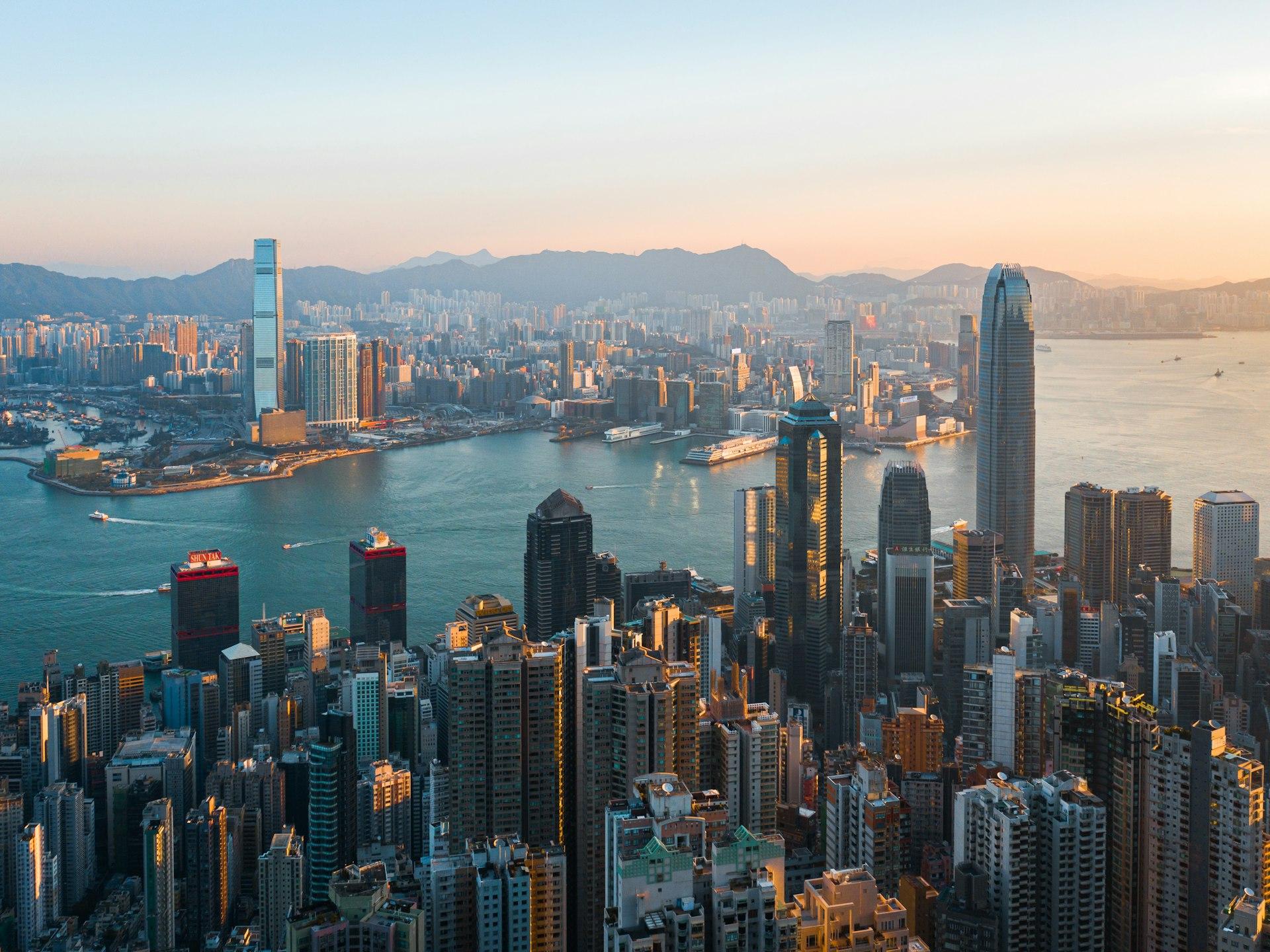
Hong Kong covers 1,114 km² across the Kowloon Peninsula, Hong Kong Island, and 261 outlying islands, with Lantau being the largest. The territory sits at the mouth of the Pearl River Delta, 60 km south of Guangzhou. More than 7.4 million people live here, making it one of the densest urban areas on Earth — yet 40% of its land area is designated country park. That contrast between dense urban districts and green hillside trails defines how travelers move through the city.
Cities and Districts Worth Exploring
Kowloon anchors the northern side of Victoria Harbour and holds the highest concentration of mid-range hotels. Tsim Sha Tsui — the southern tip of Kowloon — puts travelers within walking distance of the Hong Kong Museum of History, the Avenue of Stars, and the Star Ferry pier. The 8-minute Star Ferry crossing to Central costs HK$3.40 and delivers one of the most photographed harbour views in Asia.
On Hong Kong Island, Central and Sheung Wan cluster around the MTR Central station, with the Mid-Levels Escalator — the world's longest outdoor covered escalator at 800 metres — linking lower districts to residential streets above. Wan Chai, immediately east, hosts the Hong Kong Convention and Exhibition Centre and a dense bar and restaurant quarter along Johnston Road. Further east, Causeway Bay holds the Times Square mall and the Noon Day Gun, fired daily at 12:00 since the 1860s.
Outlying Islands and the New Territories
Lantau Island is home to Hong Kong Disneyland, the Ngong Ping 360 cable car, and the Tian Tan Buddha — a 34-metre-tall bronze statue completed in 1993 and reachable by 268 steps from Po Lin Monastery. The Mui Wo ferry from Central takes 55 minutes and deposits visitors at the quieter, cycling-friendly western side of the island.
The New Territories stretch north toward the mainland border and contain the walled villages of Kam Tin (dating to the 14th century), the wetlands of Mai Po Nature Reserve, and the market town of Sha Tin, where the Hong Kong Heritage Museum presents Cantonese opera and local history across 17 galleries.
Practical Tips for Visiting Hong Kong
- Getting around: The MTR metro covers all major districts; an Octopus card works on trains, buses, trams, and the Star Ferry. Single-journey fares start at HK$4.50.
- Best months: October through December brings lower humidity, temperatures of 18–25 °C, and clear skies over the harbour. July and August are hot (33 °C+) and typhoon-prone.
- Currency: Hong Kong Dollar (HKD). The rate is pegged at approximately HK$7.78 per USD.
- Visa: Citizens of over 170 countries enter visa-free for stays of 7–180 days depending on nationality.
- Altitude note: The Peak Tram climbs to Victoria Peak at 552 metres; book timed tickets online to avoid queues exceeding 90 minutes on weekends.
- Neighbourhood choice: Stay in Tsim Sha Tsui for harbour views and budget range; Central for finance-district proximity; Causeway Bay for retail and local dining density.
Frequently Asked Questions
Q: What is the best area to stay in Hong Kong for first-time visitors? A: Tsim Sha Tsui on the Kowloon side offers the widest range of hotels at varied price points and direct MTR access to every major district. The Star Ferry pier is a 10-minute walk from most hotels in the area.
Q: How many days do travelers typically need in Hong Kong? A: Three to four days covers Hong Kong Island, Kowloon, and a half-day on Lantau. Adding the New Territories or outlying islands like Cheung Chau requires five to seven days.
Q: Is Hong Kong expensive for accommodation? A: Budget guesthouses in Chungking Mansions (Tsim Sha Tsui) start around HK$300/night. Mid-range hotels average HK$700–1,400/night. Harbour-view rooms at five-star properties on Hong Kong Island exceed HK$3,500/night.
Q: What language is spoken in Hong Kong? A: Cantonese is the primary spoken language. English is an official language and is widely used in hotels, transport signage, and government offices. Mandarin is increasingly common in tourist areas.
Q: When does the Hong Kong Chinese New Year Parade take place? A: The parade runs on the second or third day of the Lunar New Year — typically late January or February — along Tsim Sha Tsui waterfront, drawing crowds of over 100,000 spectators.