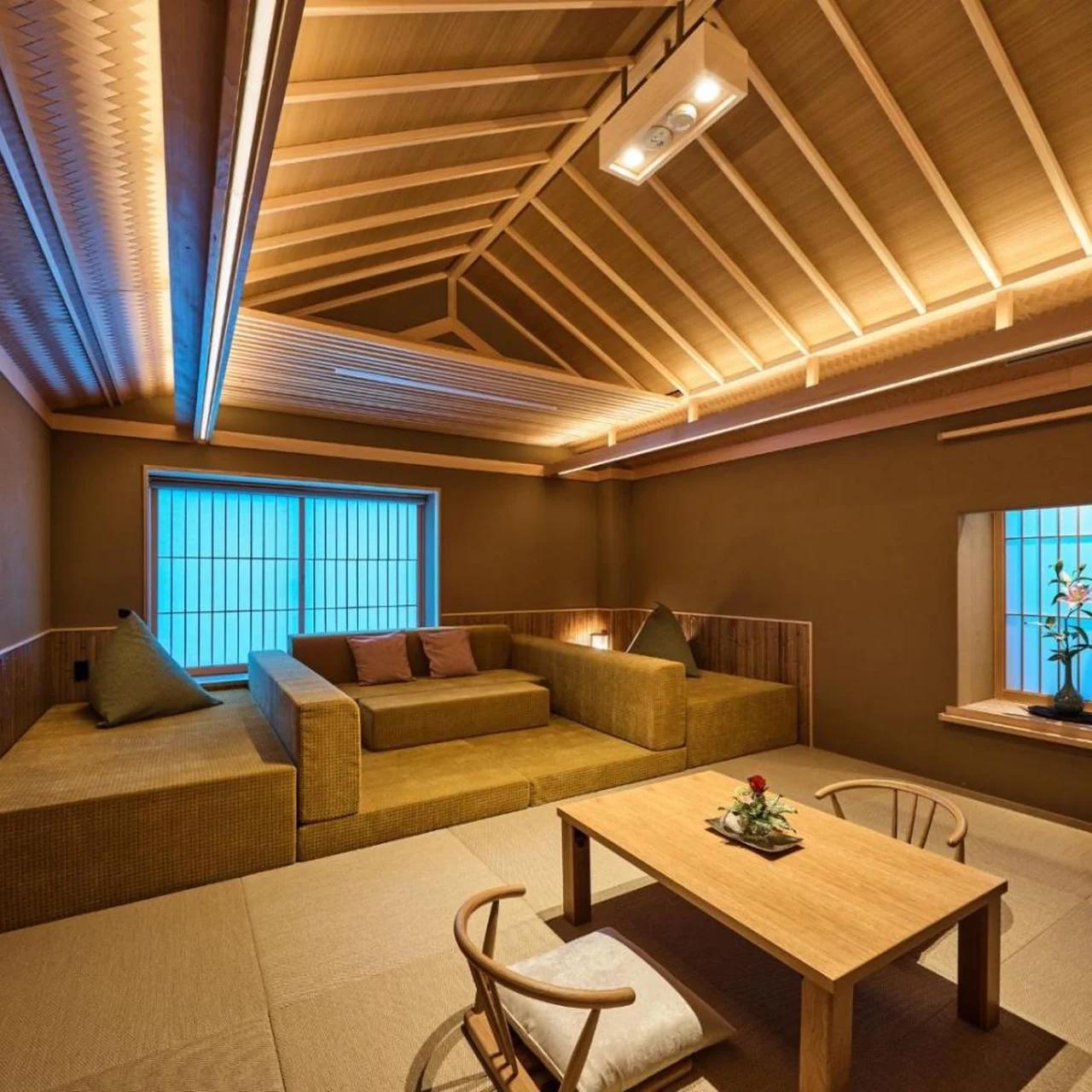

Hotels near Kasuga Taisha Shrine
Nara · 3 hotels nearby
About Kasuga Taisha Shrine
Kasuga Taisha Shrine stands as one of Nara's most iconic spiritual sites, renowned for its thousands of bronze and stone lanterns that line its pathways. Founded in 768 AD, this Shinto shrine is deeply intertwined with the history of Nara, Japan's first permanent capital. The vermilion-lacquered buildings and lush forest setting create a serene atmosphere, making it a must-visit for those exploring Japan's cultural heritage.
The Lanterns of Kasuga Taisha
Over 3,000 lanterns adorn the shrine grounds, donated by worshippers over centuries. These lanterns are lit twice yearly during the Lantern Festivals in February and August, casting a magical glow across the precincts. The bronze lanterns along the corridors and stone lanterns along the approach paths each bear unique designs, reflecting the craftsmanship of different eras.
The Sacred Deer of Nara
The shrine is part of Nara Park, where hundreds of freely roaming sika deer are considered sacred messengers of the Shinto gods. Visitors often interact with these gentle animals, which bow in exchange for special deer crackers sold nearby. This unique coexistence of nature and spirituality adds to Kasuga Taisha's distinctive charm.
Practical Tips for Visiting
- Best time to visit: Early morning or weekdays to avoid crowds
- Don't miss: The treasure house displaying shrine artifacts (additional fee)
- Access: 30-minute walk from Kintetsu Nara Station or take Nara City Loop Bus
- Combination tickets: Available with neighboring Todai-ji Temple
- Photography: Allowed except in designated areas
Frequently asked questions
What is Kasuga Taisha Shrine known for?
Kasuga Taisha is known for its approximately 3,000 bronze and stone lanterns that line its forested paths and hang inside its halls. The shrine was founded in 768 CE by the Fujiwara clan and is one of Japan's most significant Shinto sites. It was designated a UNESCO World Heritage Site in 1998.
When is the best time to visit Kasuga Taisha?
The Mantoro lantern festivals in February and August are the most atmospheric times to visit — all 3,000 lanterns are lit simultaneously on those evenings. Spring cherry blossoms and autumn foliage also draw large crowds to the surrounding Nara Park. Weekday mornings are generally quieter year-round.
How do I get to Kasuga Taisha Shrine?
The shrine is approximately 2 km east of Kintetsu Nara Station, reachable on foot through Nara Park in about 25–30 minutes. City buses also run from both Kintetsu Nara and JR Nara stations to a stop near the shrine entrance. Taxis are available but traffic in the park area can be limited.
Is there an entrance fee for Kasuga Taisha?
Walking the main forested approach and viewing the outer grounds is free. Entry into the inner precincts — the Hon-den (main hall) area — requires a small admission fee. The Kasuga Taisha Museum on-site charges a separate entrance fee.
Are there hotels close to Kasuga Taisha Shrine?
Several hotels in central Nara are within walking distance of the shrine via Nara Park. Properties near Kintetsu Nara Station place guests roughly 2 km from the shrine entrance. Ryokan (traditional Japanese inns) are also available in the Nara area for visitors seeking a local stay.
Can visitors see deer at Kasuga Taisha?
Yes — sika deer roam freely throughout Nara Park and frequently appear along the stone lantern path leading to the shrine. The deer are considered sacred messengers of the shrine's deities in Shinto tradition. Vendors in the park sell deer crackers (shika senbei) for feeding them.
Hotels nearby