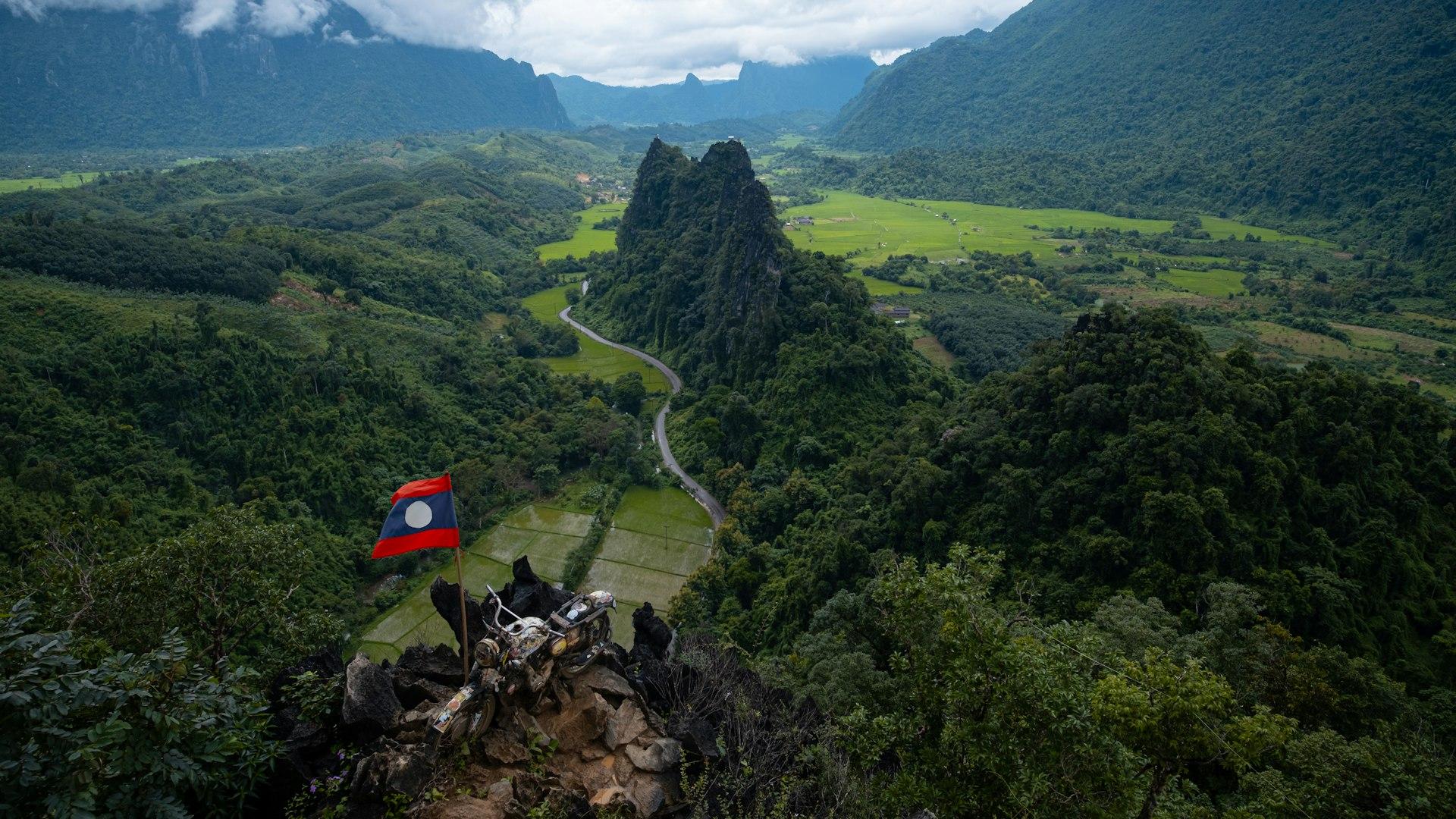
Hotels in Laos
4 cities · 58 hotels
Photo by Mayur Arvind on Unsplash
Laos: The Mekong Kingdom of Southeast Asia
Laos is a landlocked nation in the heart of mainland Southeast Asia, sharing borders with Thailand, Vietnam, China, Myanmar, and Cambodia. The Mekong River runs 1,898 km through the country from north to south, shaping trade, agriculture, and daily life for millions. With a population of around 7.5 million and an area of 236,800 sq km, Laos remains one of the least densely populated countries on the continent — a fact that directly shapes the traveler experience: quieter temple grounds, uncrowded river towns, and forest trails without tour-group traffic.
Cities Worth Exploring
Luang Prabang, a UNESCO World Heritage city since 1995, sits at the confluence of the Mekong and Nam Khan rivers in northern Laos, roughly 300 km north of the capital. French colonial shophouses line the same streets as gilded wats; the Almsgiving Ceremony (Tak Bat) draws monks in saffron robes through the lanes every dawn. Vientiane, the capital, occupies a broad bend of the Mekong near the Thai border and anchors a hotel market ranging from guesthouses under $20 to riverside boutique properties. The Patuxai Monument, completed in 1968, rises 49 metres above the central boulevard and is modeled loosely on the Arc de Triomphe. Vang Vieng, 160 km north of Vientiane along Route 13, sits in a limestone karst valley and draws travelers for cave tubing, kayaking, and hot-air balloon rides over the Nam Song River.
Regional Landscapes and Temples
The Bolaven Plateau in southern Laos rises to 1,350 metres above sea level and produces some of the country's most commercially traded coffee. Waterfalls including Tad Fane (120 m drop) and Tad Lo punctuate the plateau's forested escarpments. Further south, the Si Phan Don (Four Thousand Islands) archipelago spreads across the Mekong near the Cambodian border — the widest point of the river in Laos at roughly 14 km bank to bank — and harbors the rare Irrawaddy dolphin. In the northeast, the Plain of Jars in Xieng Khouang Province contains thousands of stone funerary jars dating back roughly 2,500 years and was listed as a UNESCO World Heritage Site in 2019.
When to Visit Laos
The dry season runs from November to April, with November through February offering the coolest temperatures (15–28 °C in lowland areas). The Boun Pi Mai (Lao New Year) water festival falls in mid-April and is celebrated across the country with three days of street festivities. The wet season (May–October) brings lush green landscapes and fewer visitors, though unpaved roads in the north and plateau regions can become impassable. Luang Prabang is pleasant year-round but attracts peak hotel rates from December through February.
Practical Tips for Visiting Laos
- Visa: Most nationalities receive a 30-day visa on arrival at Wattay International Airport in Vientiane and major land crossings; fee is approximately $30–$42 depending on nationality.
- Getting around: Slow boats on the Mekong connect Huay Xai to Luang Prabang over two days; domestic flights link Vientiane, Luang Prabang, Pakse, and Savannakhet.
- Currency: Lao Kip (LAK); US dollars and Thai baht are widely accepted at hotels and guesthouses.
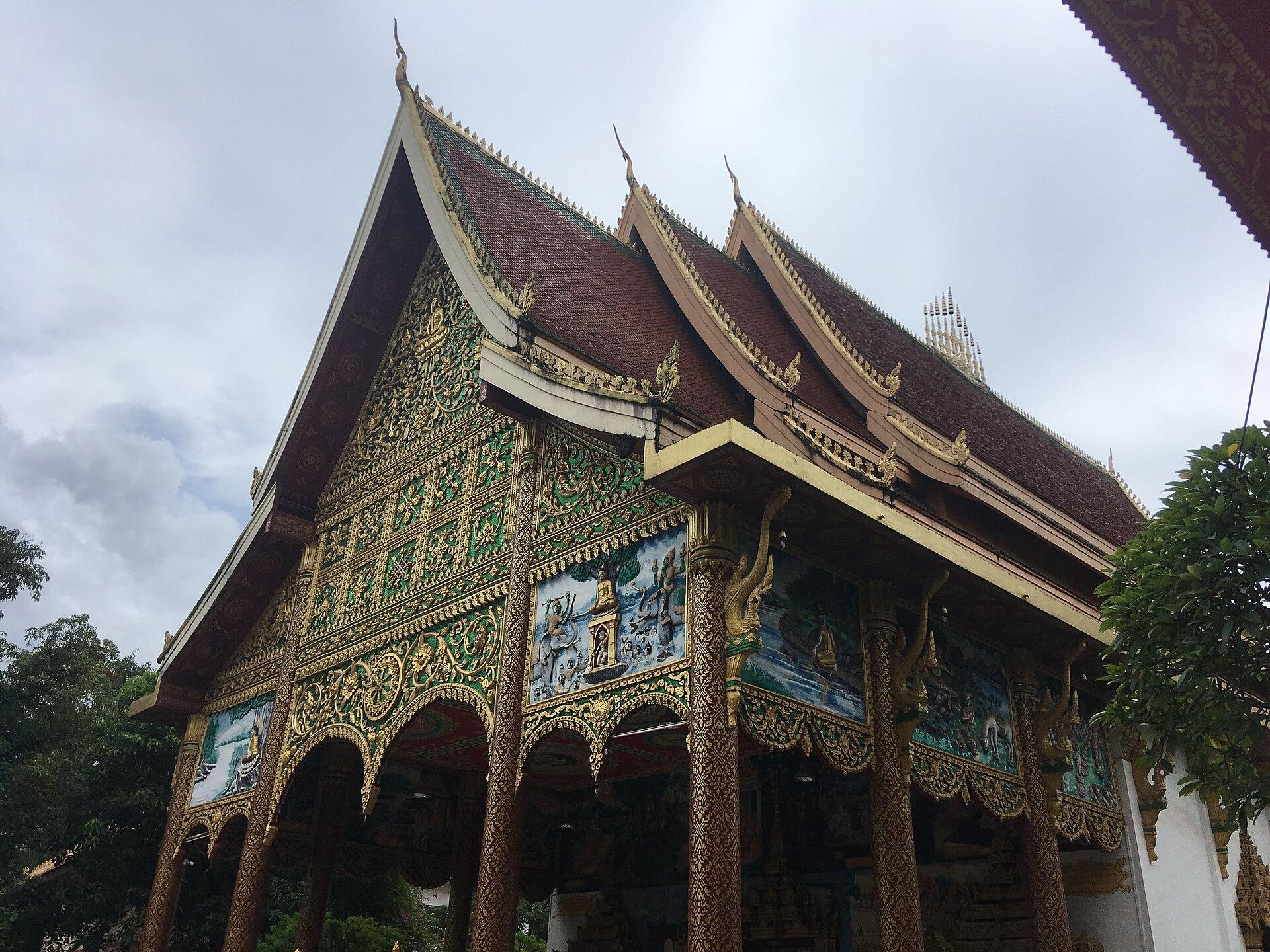
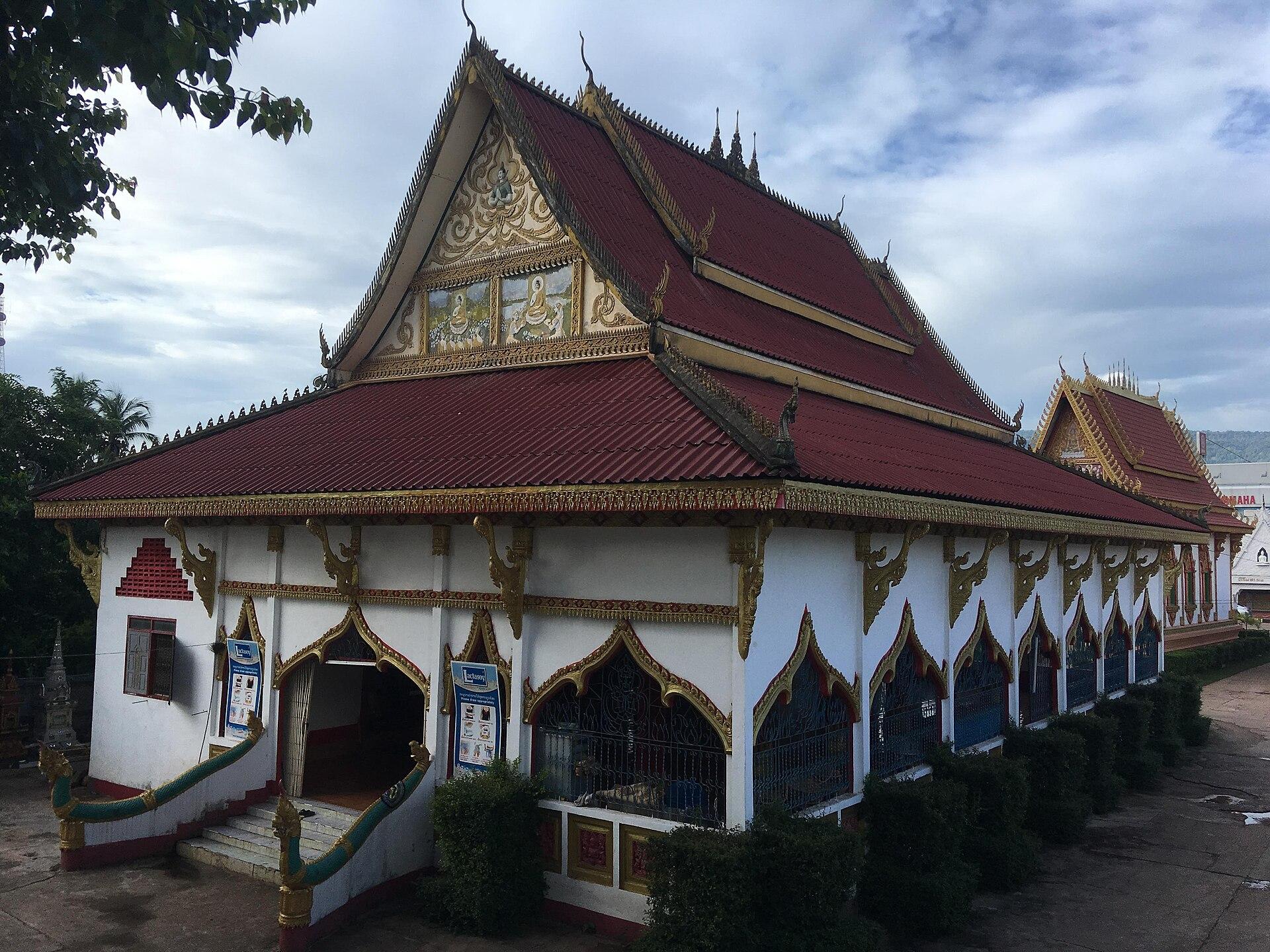
- Temple etiquette: Remove shoes before entering temple buildings; cover shoulders and knees at religious sites.
- Rail link: The Laos-China Railway opened in December 2021 and runs 414 km from Vientiane to Boten on the Chinese border, with stops at Vang Vieng and Luang Prabang.
Frequently Asked Questions
Q: What is the best base for exploring northern Laos? A: Luang Prabang serves as the primary hub, with daily flights from Vientiane (40 minutes) and slow-boat connections from the Thai border crossing at Huay Xai. Most temples, waterfalls, and village treks in the north are accessible within a 1–3 hour radius.
Q: Is Laos safe for travelers? A: Laos has a low rate of violent crime against tourists. Travelers should exercise caution on unexploded ordnance (UXO) in rural areas, particularly in Xieng Khouang and the former Ho Chi Minh Trail corridor; stick to marked paths and engage licensed local guides.
Q: How many hotel options exist in Vientiane? A: Vientiane anchors a broad accommodation range from backpacker guesthouses along Fa Ngum Road to full-service riverside hotels. Rates at mid-range properties start around $35–$60 per night.
Q: Can travelers cross from Thailand into Laos by road? A: Yes — the Friendship Bridge crossing between Nong Khai (Thailand) and Vientiane is the most-used land border, with regular bus and tuk-tuk connections. Additional crossings serve routes to Luang Prabang via Huay Xai and southern Laos via Mukdahan.
Q: What language and religion dominate in Laos? A: Lao is the official language, closely related to Thai. Theravada Buddhism is practiced by roughly 67% of the population, and Buddhist temples (wats) remain central to community life in every region.