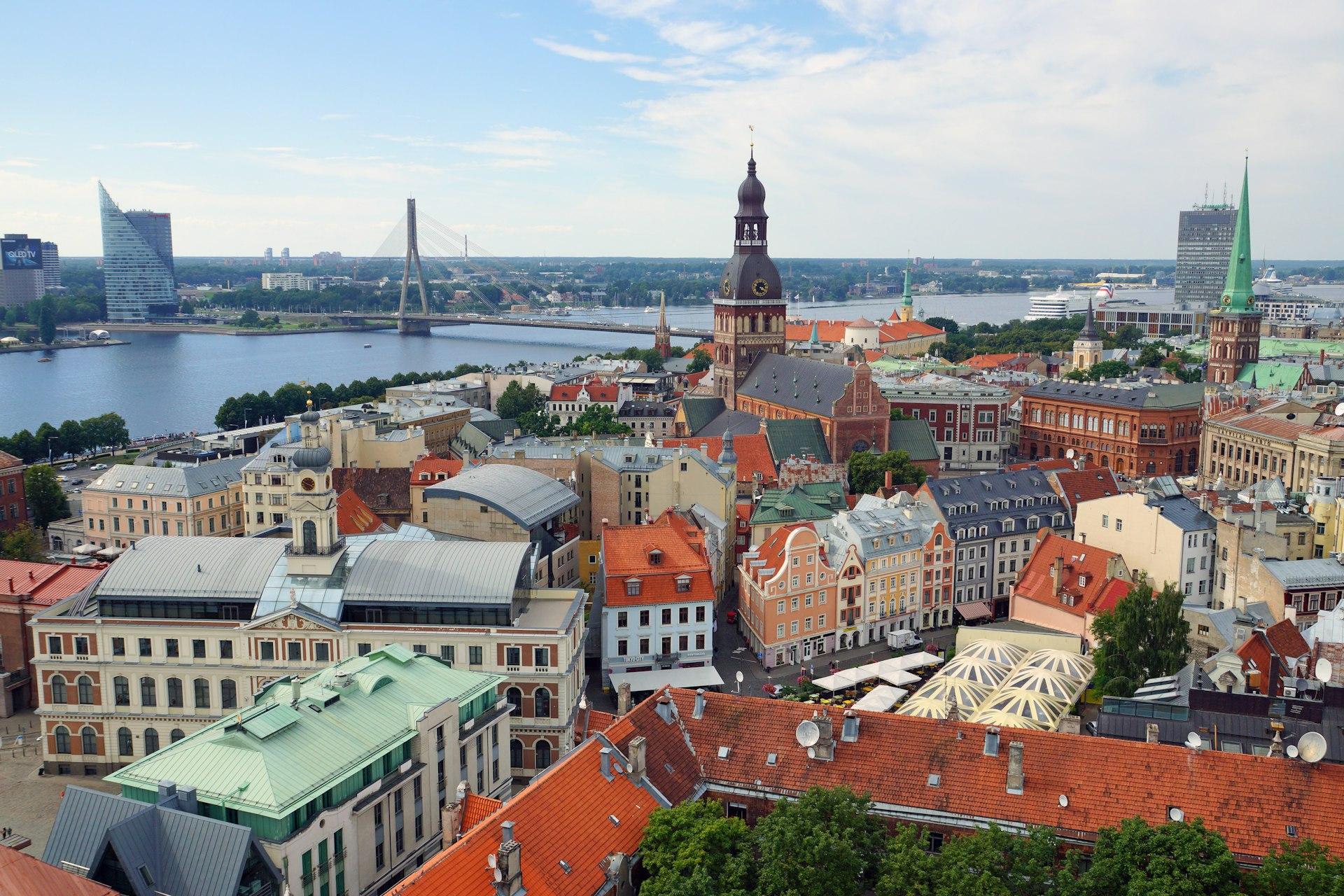
Hotels in Latvia
5 cities · 103 hotels
Photo by Martti Salmi on Unsplash
Latvia: Baltic Amber Coast and Art Nouveau Capital
Latvia sits at the centre of the three Baltic states, bordered by Estonia to the north, Lithuania to the south, and the Gulf of Riga to the west. The country covers 64,589 sq km — roughly the size of Ireland — and holds a population of under 2 million. Riga, the capital, contains more Art Nouveau buildings than any other city in Europe: over 800 facades line Alberta iela and Elizabetes iela alone, a density that earned the Old Town a UNESCO World Heritage listing in 1997.
Cities Worth Exploring
Riga anchors the hotel network, with properties ranging from design boutiques in the Quiet Centre district to waterfront options along the Daugava River. The Central Market, housed in five former zeppelin hangars built between 1924 and 1930, remains one of the largest covered markets in Europe and sells local cheese, smoked fish, and seasonal produce. Jūrmala, 25 km west of Riga by rail, is the country's main beach resort — wooden 19th-century villas line a 33 km sand strip along the Gulf of Riga. Sigulda, 53 km northeast of the capital, serves as the gateway to Gauja National Park, Latvia's oldest and largest protected area at 917 sq km.
Regions and Landscapes
Latvia divides into four historic regions. Vidzeme in the northeast holds dense forest and the sandstone cliffs of the Gauja Valley. Kurzeme (Courland) in the west faces the Baltic Sea, with the Cape Kolka peninsula marking the meeting point of the Gulf of Riga and the open sea. Zemgale in the south is flat agricultural land centred on Jelgava, where the Baroque Rundāle Palace, designed by Bartolomeo Rastrelli in 1736, draws visitors year-round. Latgale in the east borders Russia and Belarus; its landscape of over 800 lakes includes Rāzna, the country's second-largest lake at 57.6 sq km.
When to Visit Latvia
Summer (June–August) brings the longest days — Riga receives nearly 18 hours of daylight around the Jāņi midsummer festival on 23–24 June, the country's most widely celebrated annual event. Temperatures reach 22–25 °C in July. Winter (December–February) suits travelers interested in Riga's Christmas Market, one of the oldest in northern Europe, and ice sports at Sigulda's Olympic bobsled track. Spring and autumn offer lower hotel rates and uncrowded Old Town streets.
Practical Tips for Visiting Latvia
- Currency: Euro (€) since 2014; cards accepted widely in Riga, carry cash in rural areas.
- Getting around: Riga's tram and bus network covers the city centre; trains connect Riga to Jūrmala (30 min) and Sigulda (1 hr 10 min).
- Language: Latvian is the official language; English is spoken in hotels and restaurants in Riga and Jūrmala.
- Visas: Schengen Area member — EU/EEA citizens enter freely; most other nationals check current Schengen rules before travel.
- Pack for the weather: Evenings cool quickly even in July; a light jacket is practical. Winters require proper cold-weather gear as temperatures regularly drop below −10 °C.
Frequently Asked Questions
Q: What is the best base for exploring Latvia? A: Riga is the practical base — it holds the largest share of hotels and connects by rail or road to Jūrmala, Sigulda, and Rundāle Palace within two hours. Most international flights arrive at Riga International Airport, 13 km southwest of the Old Town.
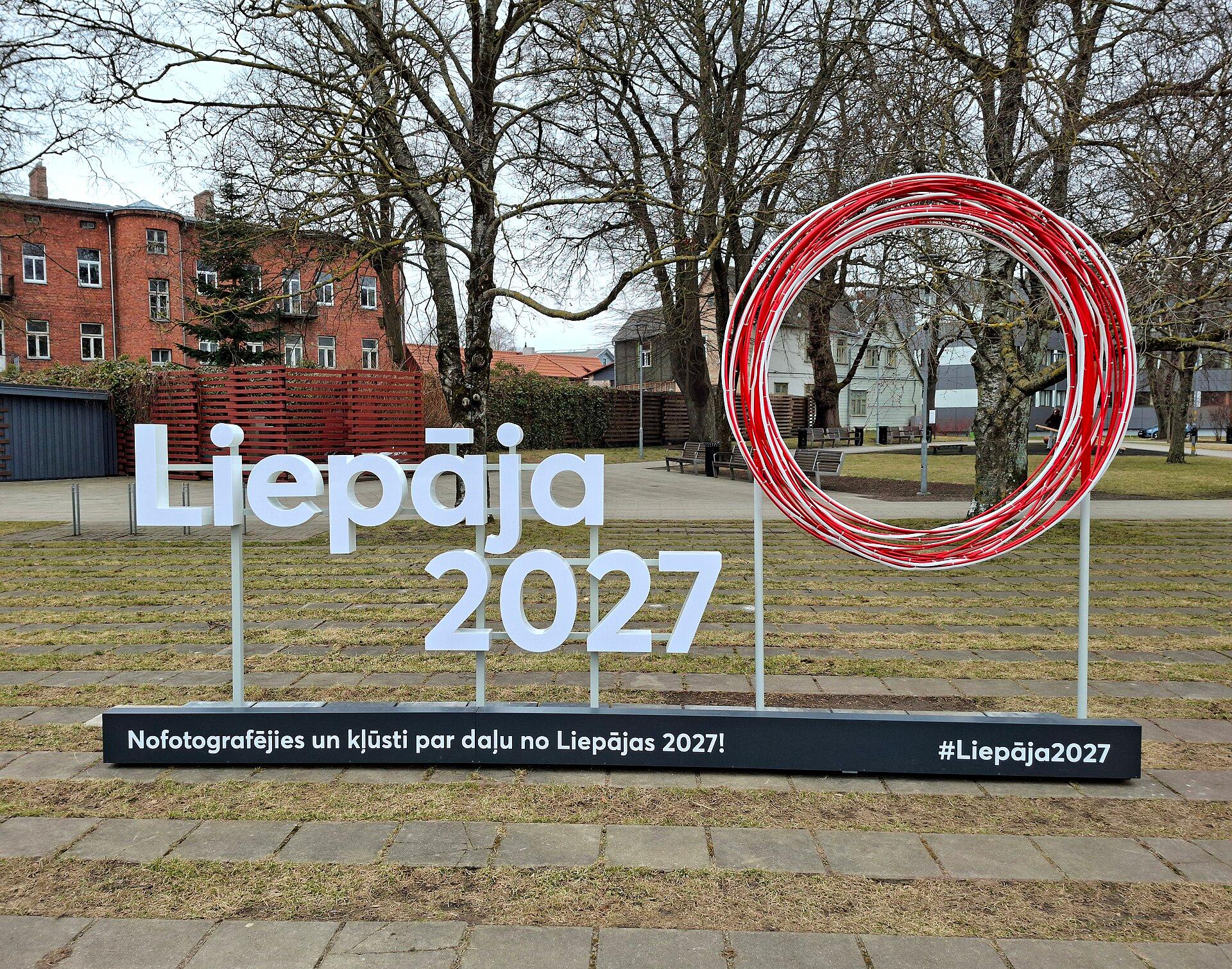
Q: How many days are needed to see Latvia? A: Five to seven days covers Riga thoroughly and allows day trips to Jūrmala, Gauja National Park, and Rundāle Palace. A 10-day itinerary adds Liepāja on the Kurzeme coast and the Latgale lake district.
Q: Is Latvia an affordable destination? A: Latvia sits mid-range within the EU. Budget hotels in Riga start around €40–55 per night; mid-range properties average €80–130. Dining at a local restaurant in the Central Market area costs roughly €8–15 per person.
Q: What language is spoken in Latvia? A: Latvian is the official language. Russian is widely understood, particularly among older residents. English is the common working language in Riga's tourism sector.
Q: When does the Jāņi midsummer festival take place? A: Jāņi falls on the night of 23–24 June each year. Celebrations move to the countryside — bonfires, traditional songs, and wreath-weaving mark the shortest night of the year across rural Latvia.