Hotels in Macao
1 cities · 2 hotels
Photo by Wikimedia Commons on Unsplash
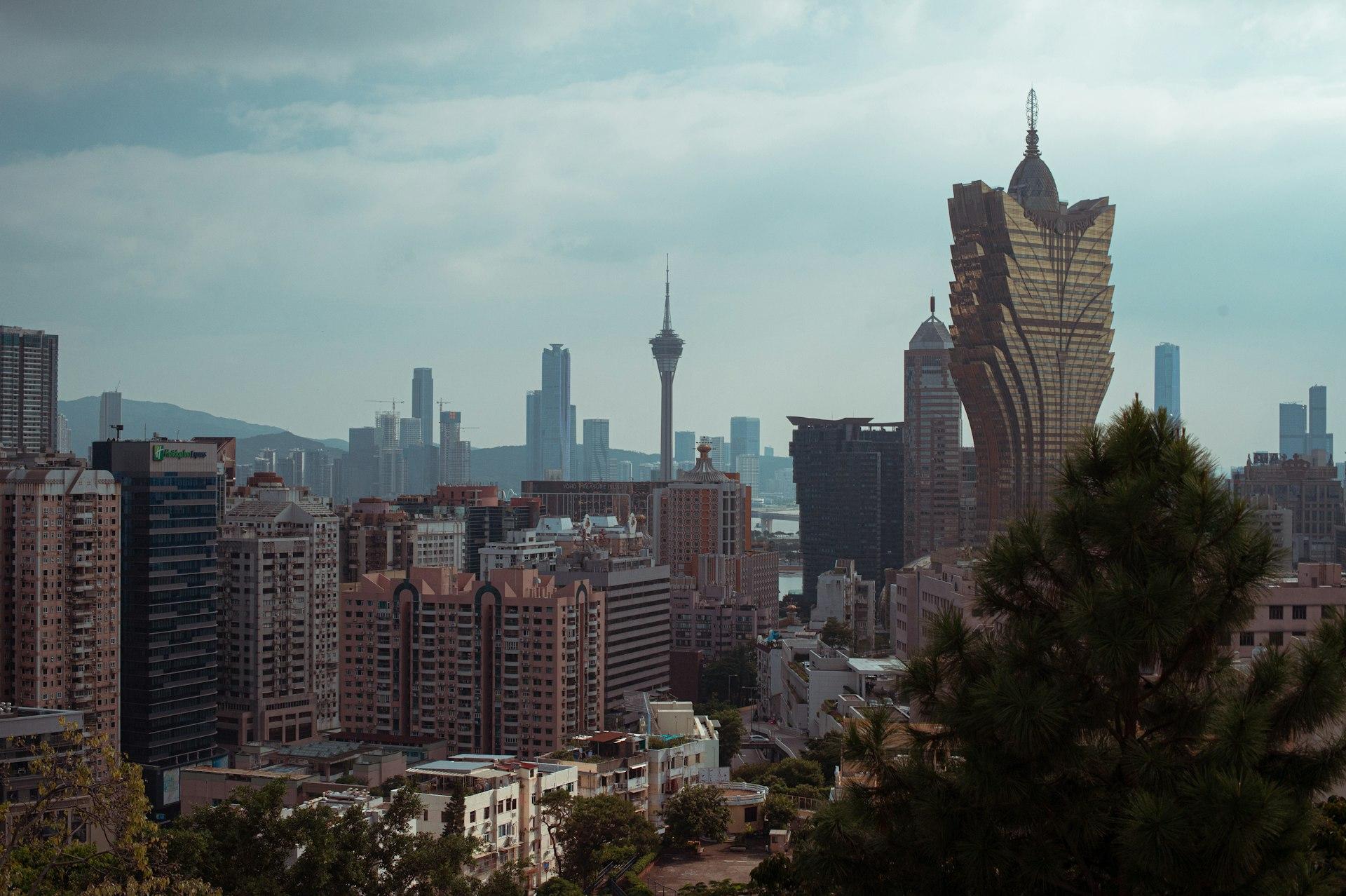
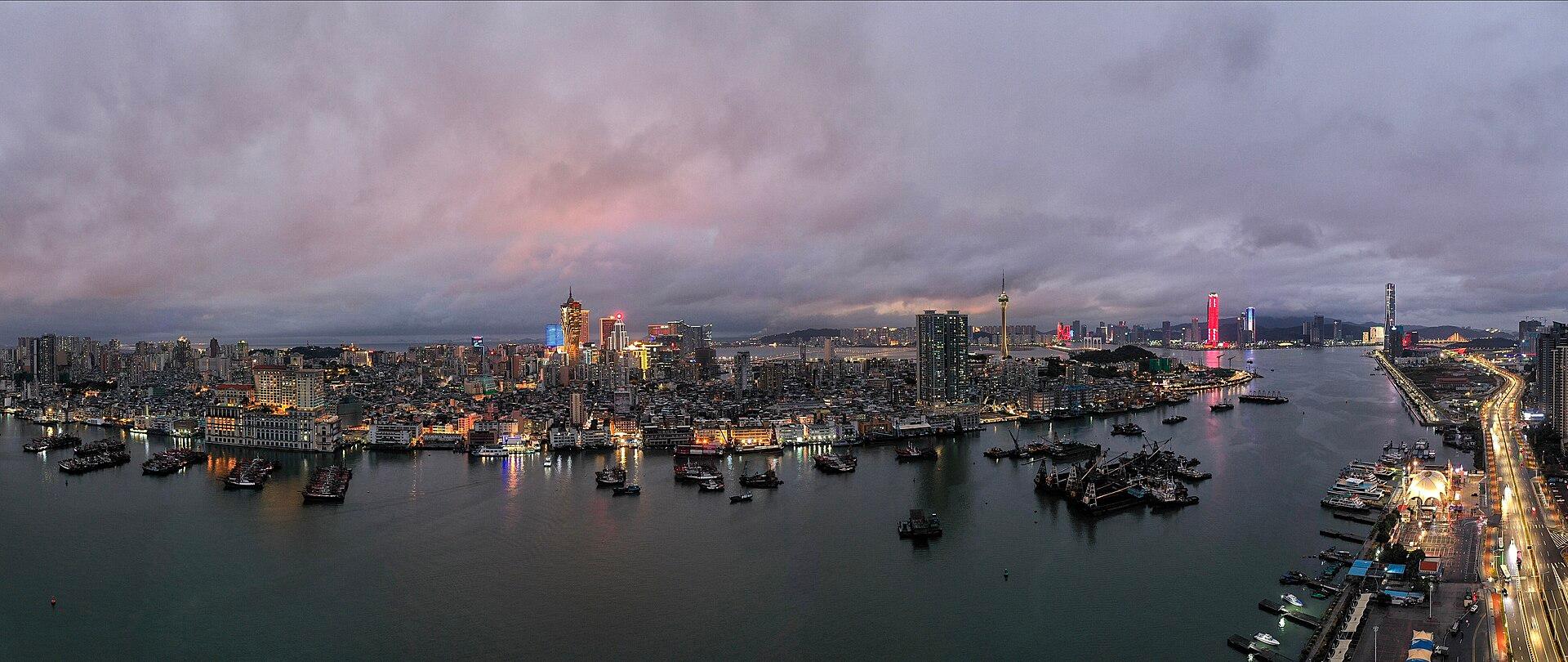
Macao sits on the Pearl River Delta, 60 km southwest of Hong Kong, reachable by ferry in about an hour or via the Hong Kong–Zhuhai–Macao Bridge. A former Portuguese trading post since 1557 and Chinese special administrative region since 1999, it packs Baroque churches, casino towers, and Cantonese-Portuguese cuisine into 33 square kilometers split across the Macao Peninsula, Taipa, and Cotai.
Macao: Peninsula, Taipa, and Cotai
The Macao Peninsula holds the historic core — Senado Square, the Ruins of St. Paul's, and A-Ma Temple, dating to 1488, cluster within a 20-minute walk. Taipa Village retains narrow lanes and Portuguese-tiled shopfronts near Rua do Cunha. Cotai, reclaimed land linking Taipa and Coloane, hosts the resort strip: The Venetian, Galaxy, and Studio City, each with canals, arcades, or theme attractions built since the mid-2000s.
Cities Worth Exploring
Macao is technically one municipality-scale territory rather than multiple cities, but its districts function like distinct towns. Coloane, the southernmost island, keeps fishing-village streets and Hac Sa Beach, Macao's largest stretch of black sand. Zhuhai, across the border on the mainland side, offers a same-day side trip via the Gongbei checkpoint, one of the busiest land crossings in the world.
Casino Resorts and Colonial Heritage
Macao overtook Las Vegas in gaming revenue by the mid-2000s, and Cotai's resort corridor now anchors most stays for travelers arriving on gaming or entertainment packages. Alongside the casinos, the Historic Centre of Macao earned UNESCO World Heritage status in 2005, covering 25 monuments including the Guia Fortress and its 17th-century lighthouse, the oldest on the China coast. Portuguese egg tarts, sold near Rua do Cunha and Coloane's Lord Stow's Bakery, trace back to the 1989 original recipe.
Practical Tips for Visiting Macao
- Getting around: Free shuttle buses connect major casino resorts to the ferry terminal and airport; public buses cover the rest of the territory for a flat low fare.
- When to visit: October through December brings drier, cooler weather; typhoon season runs roughly June through September.
- Currency: The Macao pataca is used alongside Hong Kong dollars, accepted almost everywhere.
- Entry: Visa-on-arrival applies to many nationalities for short stays; check requirements before booking.
- Pack for: Humidity from May to September; light layers for air-conditioned casino interiors year-round.
Frequently Asked Questions
Q: How do travelers get to Macao from Hong Kong? A: Ferries from Hong Kong's Sheung Wan or Kowloon terminals take about an hour. The Hong Kong–Zhuhai–Macao Bridge offers a bus option across the delta.
Q: Is Macao part of mainland China? A: Macao is a special administrative region with its own currency, border controls, and legal system, separate from mainland China despite Chinese sovereignty since 1999.
Q: What is Macao known for besides casinos? A: The UNESCO-listed Historic Centre, Portuguese colonial architecture, and a food culture blending Cantonese and Portuguese traditions, including African chicken and egg tarts.
Q: How many days are needed to see Macao? A: Two to three days covers the historic peninsula, Taipa Village, and one Cotai resort without rushing.