Hotels in Malawi
1 cities · 3 hotels
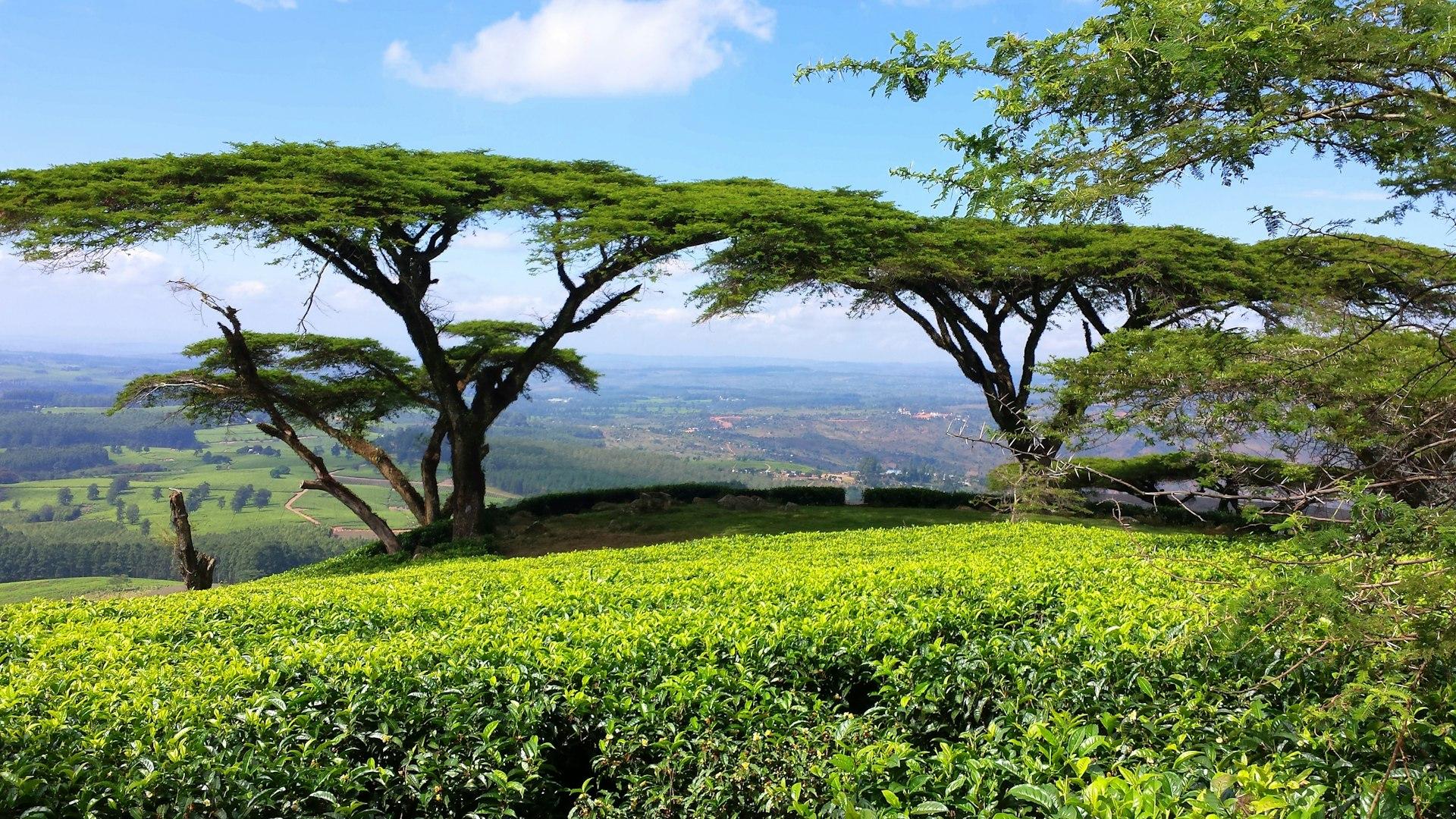
Photo by Craig Manners on Unsplash
Malawi: The Warm Heart of Africa
Malawi is a landlocked country in southeastern Africa, bordered by Zambia to the northwest, Tanzania to the northeast, and Mozambique on three sides. At roughly 118,000 sq km, it is one of the continent's smaller nations, yet Lake Malawi alone covers nearly a fifth of that area — 580 km long and up to 80 km wide, holding 7–10% of the world's freshwater fish species. That lake defines travel here more than any other single feature.
Cities Worth Exploring
Lilongwe, the capital since 1975, sits in the central region at roughly 1,050 m elevation. The city divides into Old Town — where the Lilongwe Market sells dried fish, textiles, and produce — and the planned City Centre around Area 3 and Area 4, where government buildings and guesthouses cluster. Blantyre, 310 km to the south, is the commercial hub; the St Michael and All Angels Church, built in 1891 by the Church of Scotland mission, anchors the Limbe district. Zomba, the former colonial capital, sits at the base of Zomba Plateau (2,085 m), reachable by a tarred road that climbs through pine forests to trout streams and viewpoints.
The Lake and the Parks
Cape Maclear on the southern lakeshore sits inside Lake Malawi National Park, declared a UNESCO World Heritage Site in 1984 — the first freshwater national park to receive that designation. Snorkelling here exposes hundreds of endemic cichlid species in clear water just metres from shore. Nkhata Bay, 330 km north along the M5 road, offers a calmer, bay-sheltered alternative with forest-backed lodges above the water.
For wildlife, Liwonde National Park (548 sq km) along the Shire River holds the country's densest elephant population and a recovering black rhino herd reintroduced from South Africa in 2017. Nyika National Park in the north covers 3,134 sq km of rolling montane plateau above 2,000 m — one of the largest in central Africa — and shelters eland, roan antelope, and leopard.
When to Visit Malawi
The dry season runs May to October. Temperatures at lake level sit between 17 °C and 27 °C from June through August. Wildlife viewing in Liwonde peaks July–September when animals concentrate at the river. The wet season (November–April) brings heavy rains, lush scenery, and migrant birdlife — Malawi's bird list exceeds 650 species — but some dirt roads become impassable and malaria risk rises.
Practical Tips for Visiting Malawi
- Getting around: Shared minibuses connect major towns cheaply; hire a 4WD for Nyika Plateau or remote park tracks.
- Currency: The Malawian Kwacha (MWK) is the local currency; USD and ZAR are widely accepted at lodges.
- Health: Anti-malaria medication is strongly recommended year-round; yellow fever vaccination required if arriving from an endemic country.
- Visas: Citizens of most Commonwealth and EU countries receive a visa on arrival valid 30 days.
- Lake safety: Bilharzia (schistosomiasis) risk exists; reputable lodges at Cape Maclear and Nkhata Bay identify tested safe-swimming zones.
Frequently Asked Questions
Q: What is the best base for visiting Lake Malawi? A: Cape Maclear offers the easiest access to Lake Malawi National Park and snorkelling reefs within walking distance of guesthouses. Nkhata Bay suits travellers preferring a quieter bay setting with direct ferry connections northward.
Q: How do travellers get from Lilongwe to Liwonde National Park? A: The drive from Lilongwe to Liwonde covers roughly 260 km on the M1 south, taking around 3–4 hours. Most lodges inside the park arrange transfers from Liwonde town.
Q: Is Malawi suitable for budget travellers? A: Malawi has one of the lowest average accommodation costs in southern Africa. Backpacker guesthouses at Cape Maclear and Nkhata Bay start well under USD 20 per night; mid-range lodge options are widely available in Lilongwe and Blantyre.
Q: What languages are spoken in Malawi? A: Chichewa and English are the two official languages. English is used in government, schools, and most tourism operations throughout the country.
Q: Can travellers combine Malawi with neighbouring countries? A: Border crossings with Zambia (Mchinji), Tanzania (Songwe), and Mozambique (Mwanza and Chiponde) are all open to tourists. Many travellers combine Malawi with Zambia's South Luangwa National Park or Mozambique's Nampula region on overland routes.