
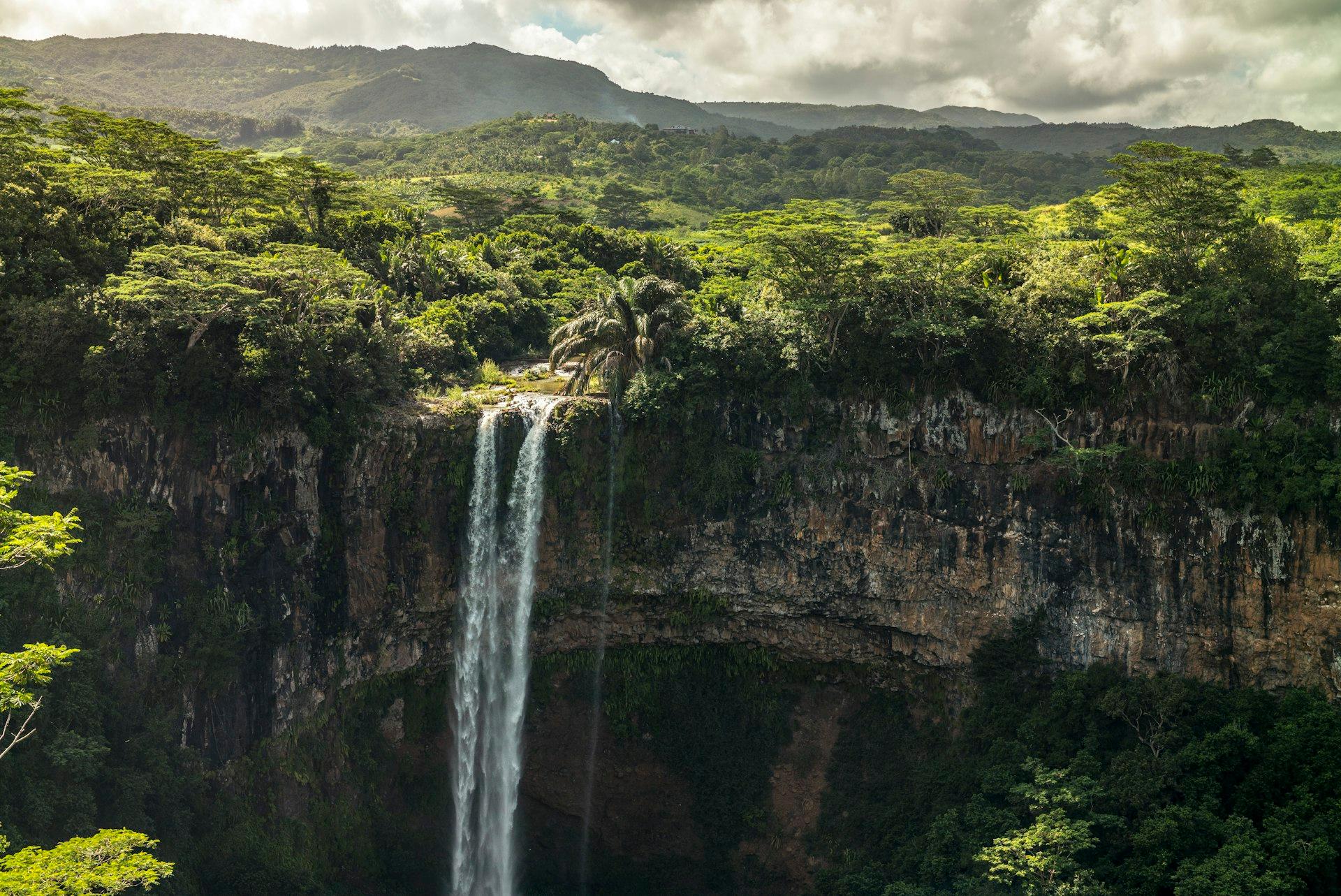
Hotels in Mauritius
8 cities · 36 hotels
Photo by Fabienne Sypowski-Meyer on Unsplash
Mauritius: Indian Ocean Island of Volcanic Peaks and Coral Lagoons
Mauritius sits 2,000 km off the southeast coast of Africa in the Indian Ocean, covering 1,865 sq km of volcanic terrain, sugar-cane plateaus, and fringing coral reef. The island gained independence from Britain in 1968 and has since built one of Africa's strongest economies, with tourism anchored by its northwest and west coast resort strips. Port Louis, the capital, stands on the northwest harbor and holds the Caudan Waterfront, Central Market, and the Champs de Mars racecourse — the oldest horse-racing track in the Southern Hemisphere, dating to 1812.
Cities and Regions Worth Exploring
Port Louis anchors the northwest coast and functions as the commercial and cultural hub. The Aapravasi Ghat UNESCO World Heritage Site, a 19th-century immigration depot, sits within walking distance of the harbor. Grand Baie, 20 km north of Port Louis along the B36 coastal road, is the main tourist hub for the north — a stretch of restaurants, watersports operators, and boutique hotels facing calm, shallow water. Flic en Flac on the west coast offers some of the island's clearest diving conditions, with visibility commonly reaching 30 metres at sites like the Kei Sei 113 wreck. Mahébourg in the southeast anchors access to the Blue Bay Marine Park, a protected reef system covering 353 hectares.
Regions and Landscapes
The Black River Gorges National Park occupies 6,574 hectares of the southwest highlands — the only significant native forest remaining on the island. Hikers reach Piton de la Petite Rivière Noire, Mauritius's highest point at 828 metres, from trailheads near Chamarel. The Chamarel Coloured Earths geological site, 4 km from the village, displays dunes of volcanic soil in seven distinct shades, a result of differential cooling of basaltic lava. The eastern coast from Belle Mare south to Pointe d'Esny faces the prevailing southeast trade winds, making it the preferred corridor for kitesurfing between June and September.
When to Visit
Mauritius has two broad seasons. November through April is the hot, humid cyclone season, with average temperatures around 28–30 °C and occasional tropical storms. May through October is cooler and drier, averaging 22–24 °C on the coast — the period most international visitors choose. The southeast trade winds peak July through August, which is ideal for wind sports but can produce choppy conditions on the east coast. Diwali (October–November) and Cavadee, the Tamil fire-walking festival held January–February, draw visitors seeking cultural events alongside beach holidays.
Practical Tips for Visiting Mauritius
- Getting around: Buses connect all major towns at low cost; metered taxis and app-based services cover resort zones. Car rental requires a valid home-country licence.
- Currency: Mauritian Rupee (MUR). ATMs are available at SSR International Airport and in Port Louis. Most resorts accept major credit cards.
- Entry: Citizens of over 100 countries receive a free 60-day visa on arrival. Check current requirements before departure.
- Health: No mandatory vaccinations for most travelers, but hepatitis A and typhoid are recommended. Tap water is generally safe in urban areas.
- Packing: Pack a light layer for evenings May–September; reef-safe sunscreen is required in marine protected areas.
Frequently Asked Questions
Q: Which part of Mauritius has the calmest sea for swimming? A: The northwest coast between Grand Baie and Trou aux Biches is sheltered from trade winds for most of the year, giving flat, clear water year-round. The lagoon at Flic en Flac on the west coast is also reliably calm outside cyclone season.
Q: How far is the airport from the main resort areas? A: Sir Seewoosagur Ramgoolam International Airport sits at the southeastern tip near Mahébourg. Transfers to Grand Baie on the north coast run approximately 60–70 km and take 60–90 minutes by road.
Q: Is Mauritius suitable for budget travelers? A: Guesthouses and self-catering apartments around Flic en Flac and Grand Baie provide mid-range options alongside the five-star resort corridor. Local buses and street-food stalls at Port Louis Central Market keep daily costs manageable.
Q: What water sports are available? A: Kitesurfing is concentrated on the east coast at Le Morne and Anse La Raie; scuba diving operates year-round, with the southwest lagoon around Le Morne Brabant UNESCO site offering drift dives. Glass-bottom boat tours run from Grand Baie and Mahébourg.
Q: Do I need to book hotels far in advance? A: The dry season (June–October) fills beachfront properties quickly. Book at least 8–12 weeks ahead for stays in July and August, especially along the north and west coasts.
Cities in Mauritius
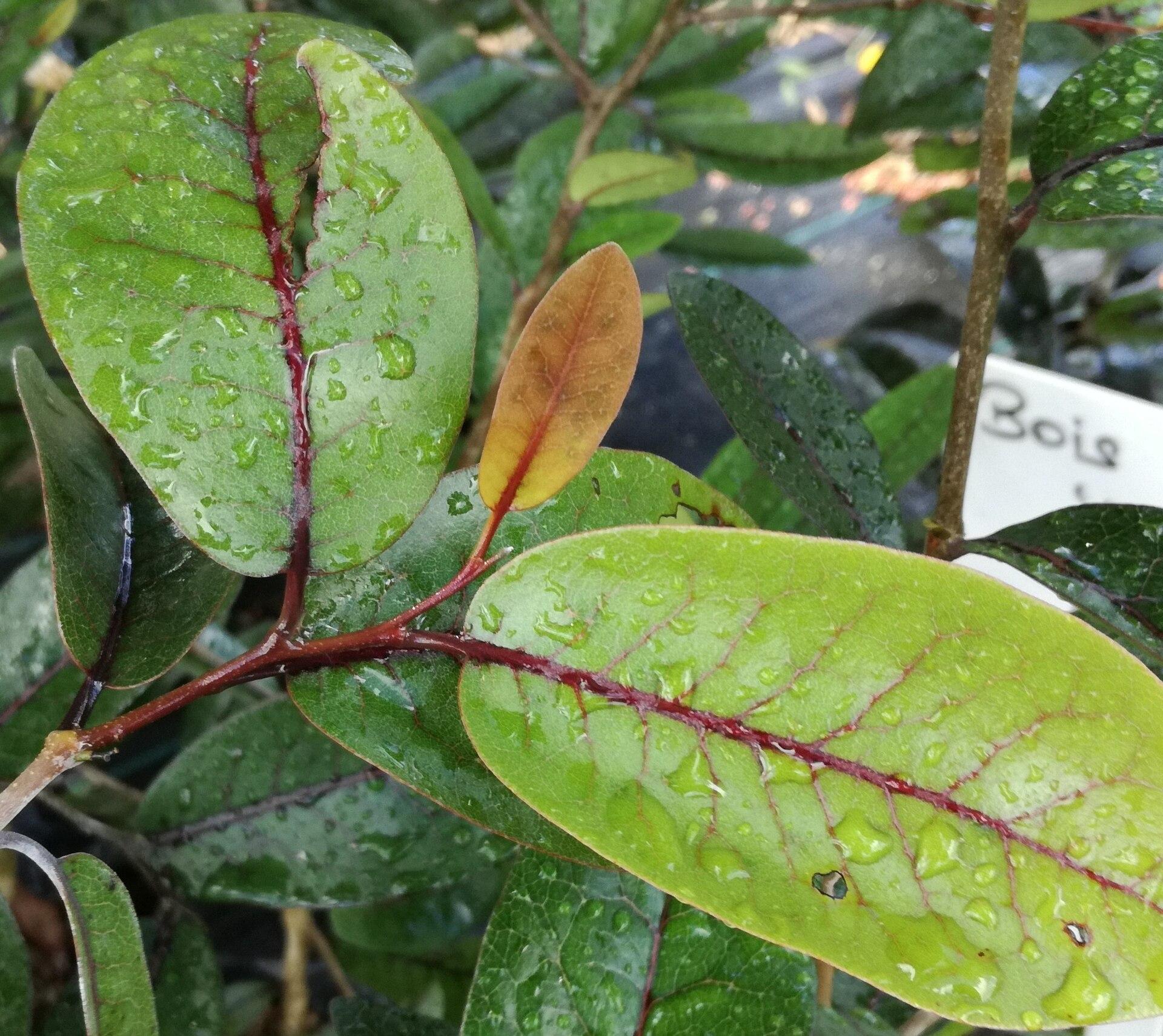
Espérance hotels
Mauritius · 11 hotels
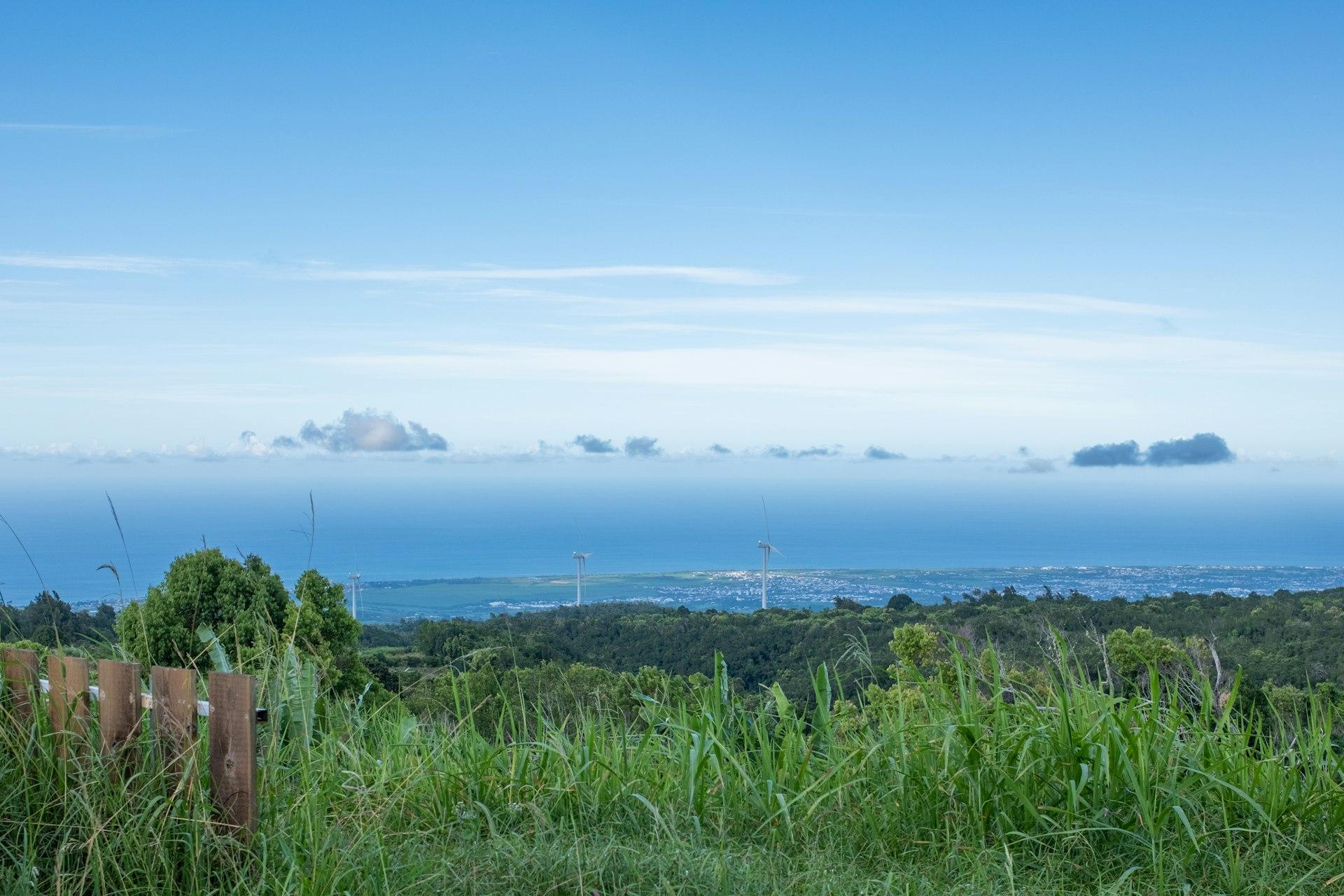
Réunion hotels
Mauritius · 6 hotels
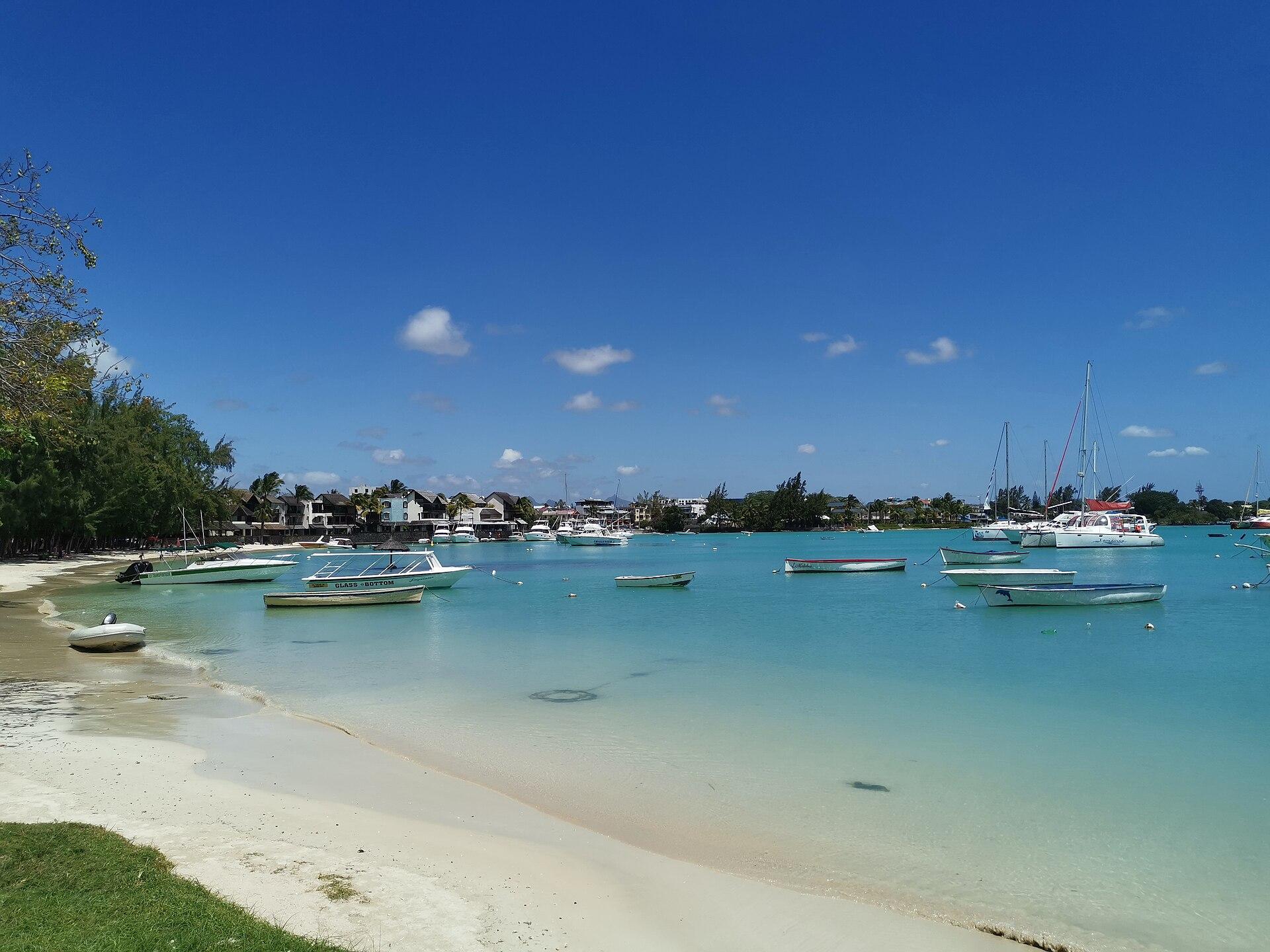
Grand Baie hotels
Mauritius · 5 hotels
Flic-en-Flac hotels
Mauritius · 4 hotels

Port Louis hotels
Mauritius · 4 hotels
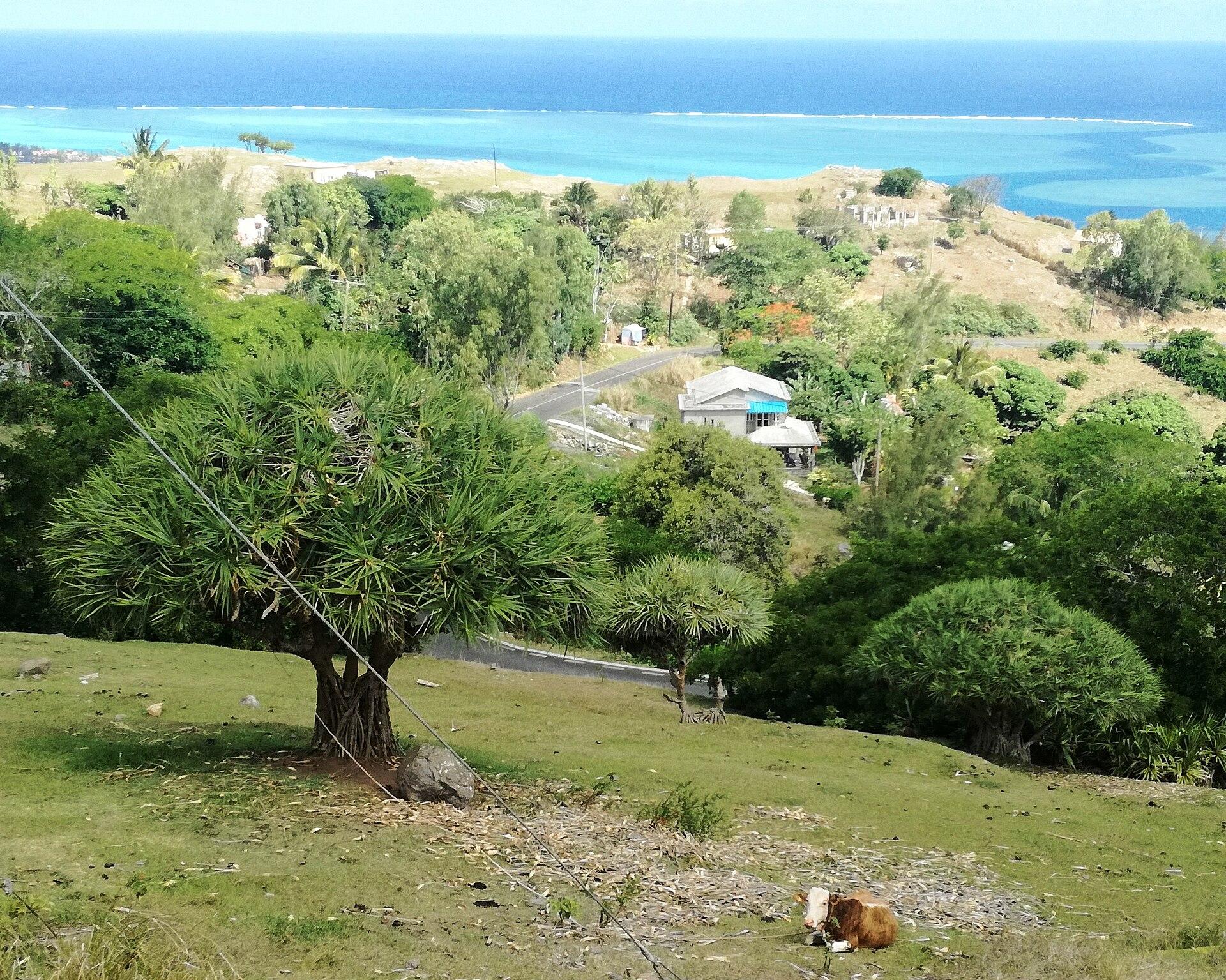
Rodrigues Island hotels
Mauritius · 4 hotels
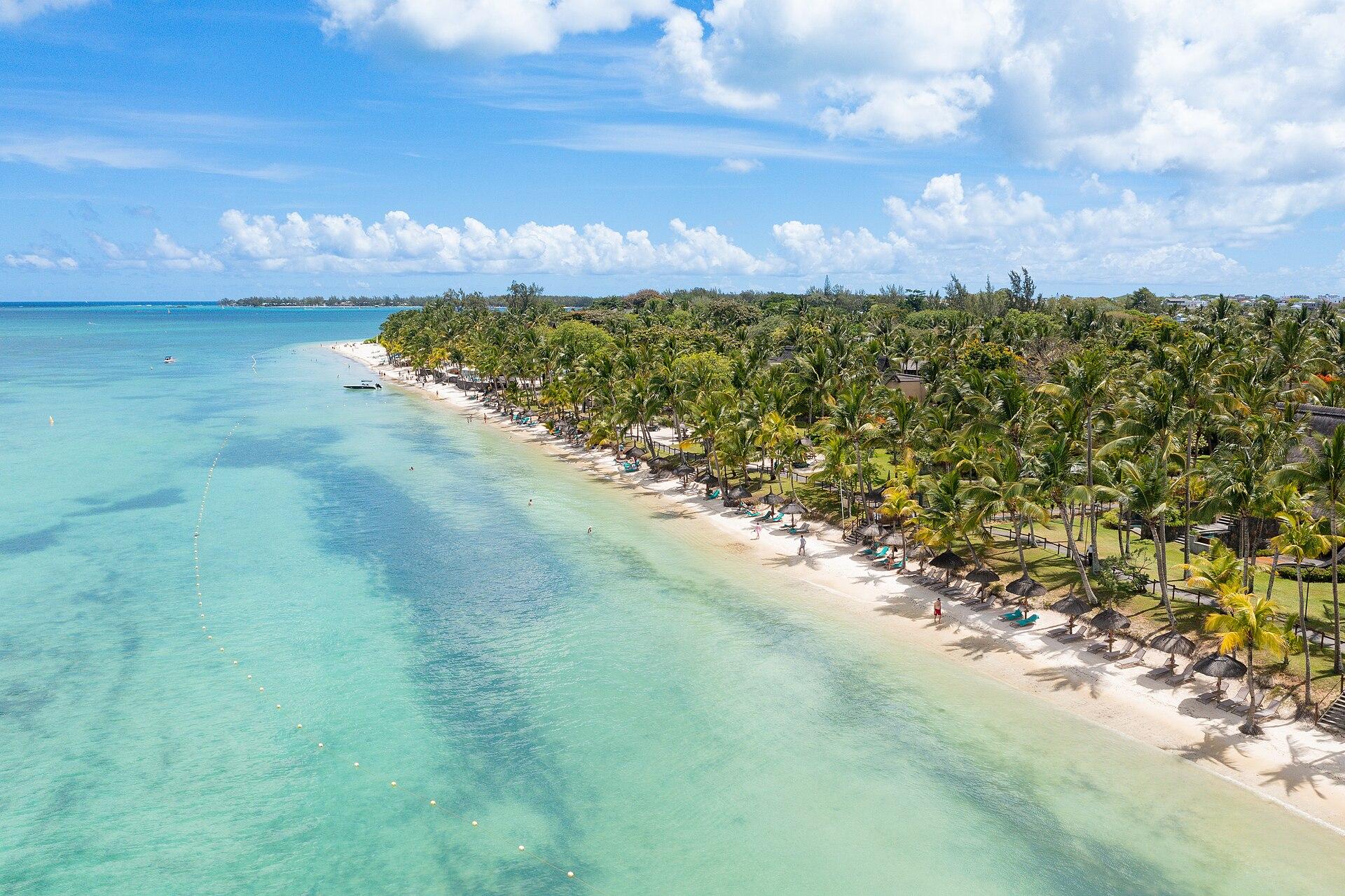
Trou aux Biches hotels
Mauritius · 1 hotels
Mauritius West Coast hotels
Mauritius · 1 hotels