Hotels in Mozambique
4 cities · 3 hotels
Photo by Rohan Reddy on Unsplash
Mozambique: Indian Ocean Coastline and Coral Archipelagos
Mozambique stretches 2,500 km along southeastern Africa's Indian Ocean coast, sharing borders with Tanzania to the north, Zimbabwe and Zambia to the west, and South Africa and Eswatini to the south. The country's 1,430 km² Bazaruto Archipelago — a national park of six islands — sits roughly 700 km north of the capital Maputo and holds some of the continent's healthiest dugong populations. This combination of reef systems, colonial-era architecture, and savanna wildlife corridors places Mozambique in a distinct category among African destinations.
Cities Worth Exploring
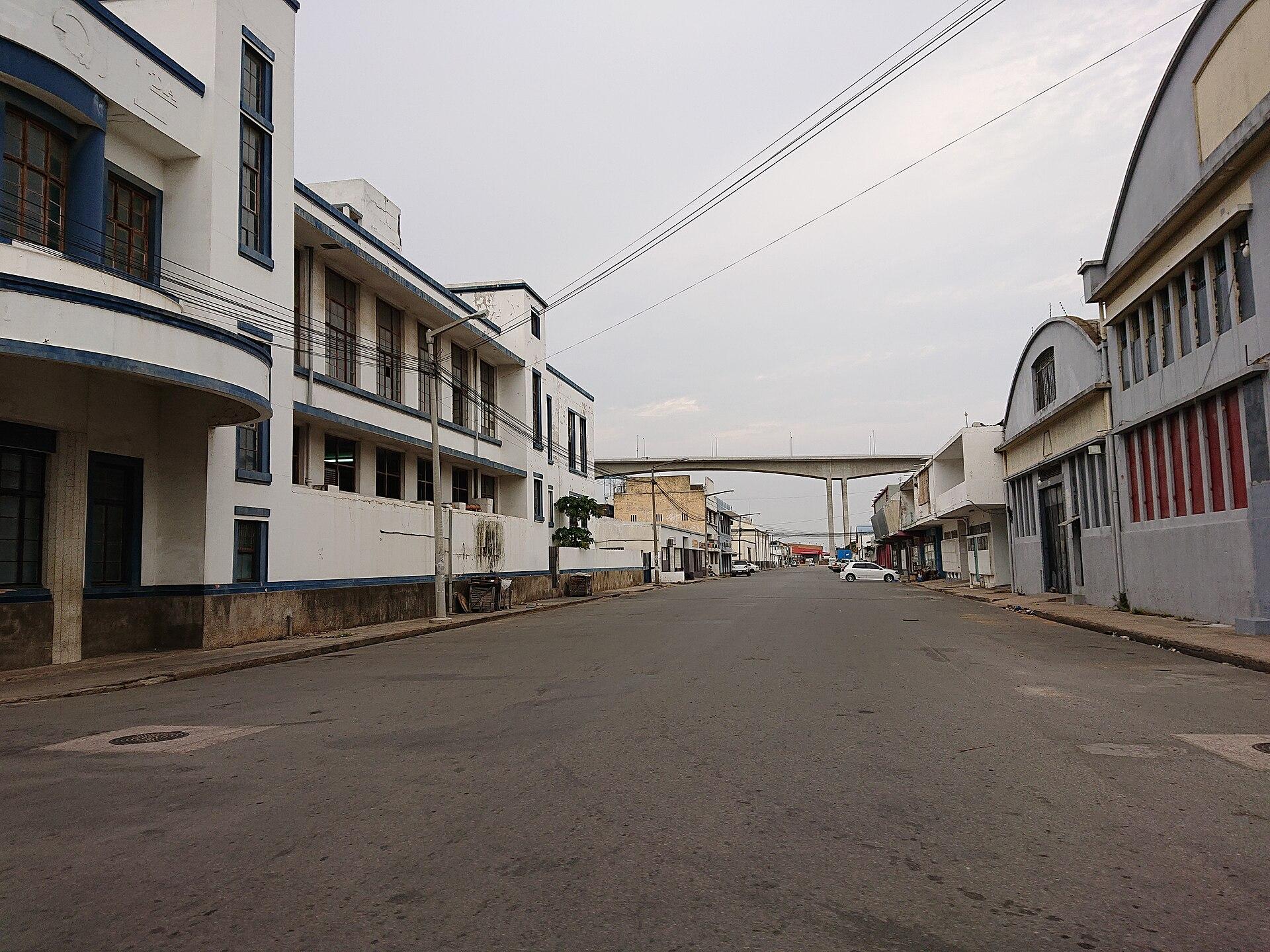
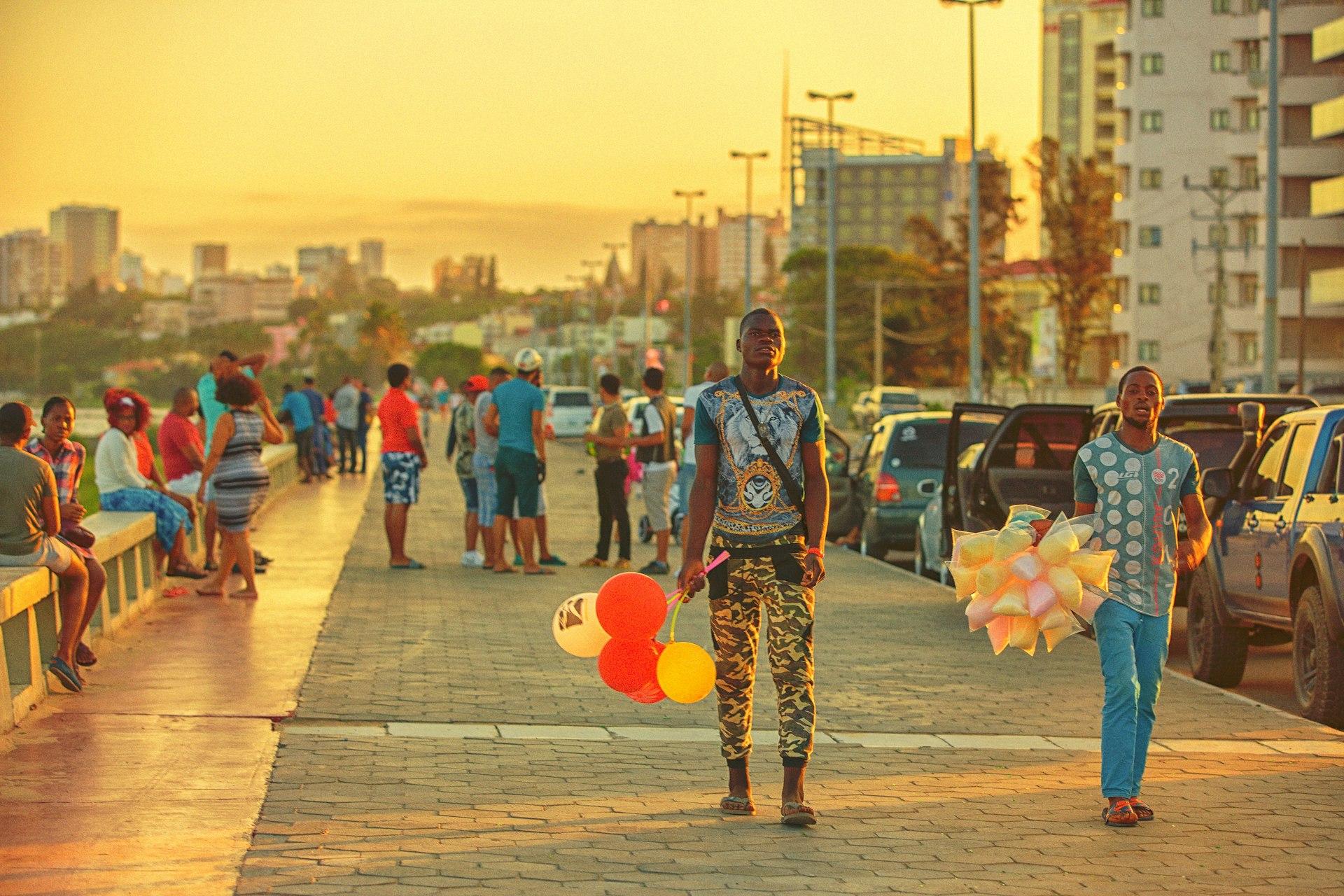
Maputo, the capital on Delagoa Bay, clusters its 19th-century Portuguese railway station, the Mercado Central (fresh produce and capulana textiles), and a gallery district around Avenida Julius Nyerere. The city of Beira, 1,100 km north of Maputo, serves as the gateway to Gorongosa National Park, where lion, elephant, and hippo populations have rebounded significantly since conservation efforts intensified in 2008. Pemba, near the Quirimbas islands in the far north, draws divers targeting wall dives along the Quirimbas Archipelago, which spans 11,000 km² of protected marine area.
Regions and Natural Landscapes
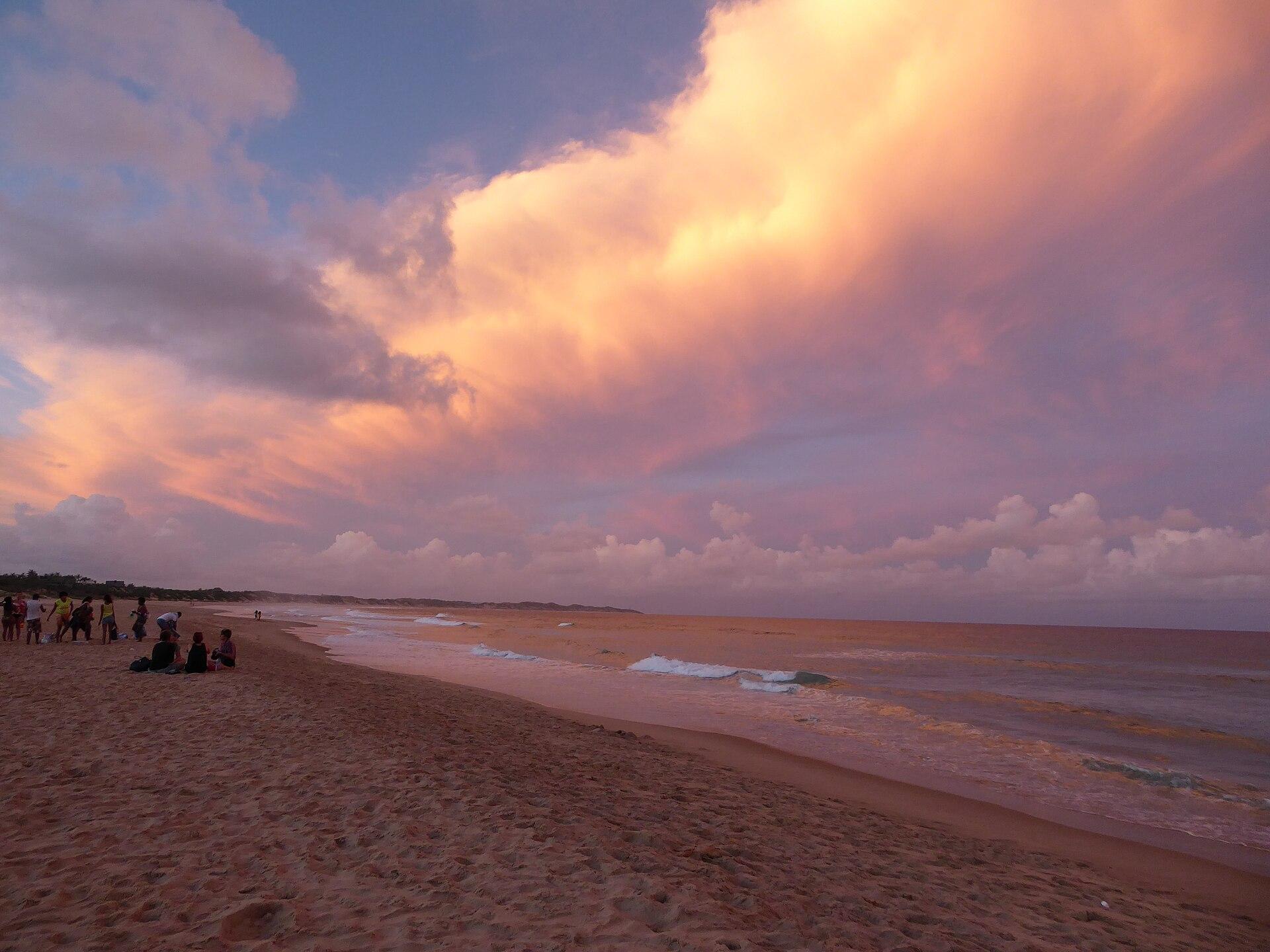
The southern coast between Maputo and Inhambane — about 470 km — concentrates resorts on reef-protected beaches at Tofo and Barra. Whale sharks aggregate off Tofo between October and March, drawing snorkelers from across the region. Inland, the Niassa Reserve in the far northwest covers 42,000 km² — larger than Denmark — and supports one of Africa's largest wild dog populations alongside roughly 12,000 elephants. The Zambezi Delta bisects the country mid-latitude and creates a maze of channels popular with kayak and boat safari operators.
When to Visit Mozambique
The dry season runs from May through October, when humidity drops and road conditions in the interior improve significantly. June through August brings the clearest water visibility for diving around Bazaruto and the Quirimbas. The wet season (November–April) coincides with cyclone risk on the northern coast but brings green landscapes to Gorongosa and Niassa. Whale sharks peak off Tofo from October through January. Maputo's mild winter (June–August) keeps daytime temperatures around 24 °C.
Practical Tips for Visiting Mozambique
- Visa: Citizens of most countries require a visa on arrival at Maputo International Airport (30-day entry, fee varies by nationality — confirm current requirements before travel).
- Currency: The metical (MZN) is the local currency; USD and South African rand are widely accepted at coastal resorts.
- Getting around: Scheduled flights connect Maputo to Vilankulo (Bazaruto gateway), Pemba, and Beira; road travel in the north requires a 4WD vehicle, especially June–October after rains recede.
- Health: Malaria prophylaxis is recommended throughout the country year-round.
- Language: Portuguese is the official language; Emakhuwa and Changana are widely spoken regionally.
Frequently Asked Questions
Q: What is the closest airport to the Bazaruto Archipelago? A: Vilankulo Airport (VNX) is the main entry point, approximately 20 km from the dhow and speedboat transfers to Bazaruto. Several Maputo-based carriers operate daily turboprop services.
Q: Is Mozambique safe for travelers? A: Southern Mozambique, including Maputo, Inhambane, and Vilankulo, is considered generally safe for tourism. The far northern province of Cabo Delgado has faced security restrictions since 2017 — check government travel advisories before planning routes to the Quirimbas.
Q: What currency should travelers carry to Mozambique? A: The metical (MZN) is required for local markets and transport; major coastal lodges price in USD and accept credit cards. ATMs are reliable in Maputo and Beira but scarce north of Pemba.
Q: When do whale sharks appear off Tofo Beach? A: Whale sharks are sighted off Tofo most frequently from October through March, with peak aggregations in November and December. Manta rays are present year-round in these waters.
Q: Do travelers need malaria medication for Mozambique? A: Yes — malaria is endemic throughout the country at all elevations and in all seasons. Travelers should consult a travel health clinic for prophylaxis and take mosquito precautions, particularly after dusk.