Hotels in Nigeria
3 cities · 11 hotels
Photo by Wikimedia Commons on Unsplash
Nigeria: West Africa's Most Populous Nation
Nigeria anchors the Gulf of Guinea with 923,768 sq km of territory and a population exceeding 220 million — the largest on the African continent. The country shares borders with Benin to the west, Niger to the north, Chad to the northeast, and Cameroon to the east. Its geography shifts from mangrove-lined creeks in the Niger Delta through open savanna in the Middle Belt to semi-arid plains around Lake Chad in the far north. More than 500 languages are spoken within its borders, and this cultural density shapes everything from architecture to food to music.
Cities Worth Exploring
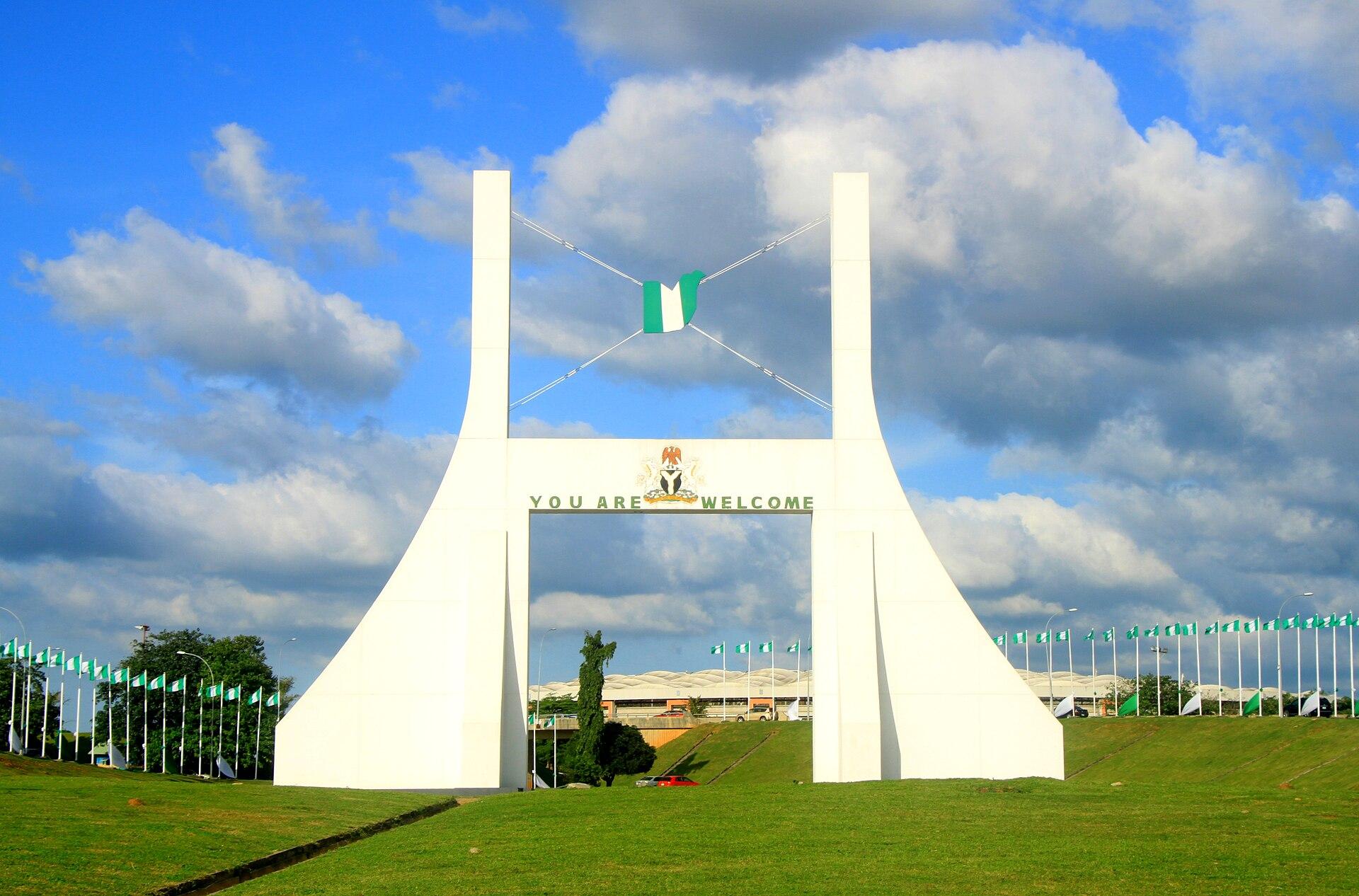
Lagos, on the Atlantic coast, is Nigeria's commercial engine and the largest city in sub-Saharan Africa by population. The Victoria Island and Lekki districts hold the majority of international hotels and business addresses, while Ikeja — the state capital — clusters mid-range accommodation near Murtala Muhammed International Airport. Abuja, the federal capital since 1991, sits at the geographic centre of the country. Its planned grid, anchored by Aso Rock and the Nigerian National Mosque, makes orientation straightforward. Kano in the north is Nigeria's second-oldest city; its ancient Kurmi Market has traded leather, spices, and cloth for over 1,000 years. Port Harcourt in Rivers State serves the oil industry and gives access to the creeks of the Delta.
Regions and Landscapes
The Niger Delta covers roughly 70,000 sq km of wetlands, creeks, and barrier islands across Bayelsa, Rivers, and Delta states — one of the largest river deltas on Earth. Cross River State in the southeast shelters Afi Mountain Wildlife Sanctuary and Cross River National Park, where lowland gorillas still inhabit the Oban Hills. In the north, the Yankari National Park in Bauchi State spreads across 2,244 sq km and holds one of the highest concentrations of elephants in West Africa, alongside natural warm-water springs at Wikki Warm Springs. Osun-Osogbo Sacred Grove, a UNESCO World Heritage Site since 2005, sits along the Osun River in Osun State and draws pilgrims and researchers year-round.
When to Visit Nigeria
Nigeria has two main seasons: a dry season running roughly November to March, and a wet season from April to October. The dry season is generally preferred for travel — roads are more passable, wildlife concentrates around water sources in Yankari, and outdoor festivals are in full calendar. The Argungu Fishing Festival in Kebbi State typically takes place in February or March and draws thousands of participants to the Sokoto River. The Osun-Osogbo Festival is held in August. Temperatures in Lagos average 27–32 °C year-round; Kano sees cooler nights between December and February.
Practical Tips for Visiting Nigeria
- Visas: Most nationalities require a visa; the Nigeria Immigration Service operates an e-visa portal. Ecowas citizens enter without a visa.
- Getting around: Domestic flights connect Lagos, Abuja, Kano, Port Harcourt, and Enugu. Road travel between major cities is possible but allow significant time for traffic.
- Currency: The Nigerian Naira (NGN) is the official currency. Card acceptance varies; carry cash outside major hotels.
- Health: Yellow fever vaccination is required for entry. Malaria prophylaxis is strongly recommended for all regions.
- Connectivity: MTN and Airtel offer reliable 4G coverage in urban centres; rural coverage is patchy.
Frequently Asked Questions
Q: What is the best area to stay in Lagos? A: Victoria Island and Lekki hold the highest concentration of international hotels and are close to business districts. Ikeja is more convenient for early-morning flights from Murtala Muhammed International Airport.
Q: Is a visa required to visit Nigeria? A: Most non-Ecowas passport holders need a visa, available through the Nigerian Immigration Service e-visa platform. Processing typically takes 48–72 hours for e-visas.
Q: What currency is used in Nigeria? A: The Nigerian Naira (NGN) is the official currency. US dollars are widely accepted in large hotels, but smaller vendors and markets require Naira.
Q: Which national park is easiest to visit from Abuja? A: Yankari National Park in Bauchi State is approximately 290 km northeast of Abuja — roughly a 4–5 hour drive — and offers elephant sightings and the Wikki Warm Springs.
Q: When does the Argungu Fishing Festival take place? A: The Argungu Fishing Festival is held annually in Kebbi State, usually in February or March along the Sokoto River. It is one of the largest cultural events in northern Nigeria.