Hotels in North Macedonia
3 cities · 231 hotels
Photo by Kristijan Arsov on Unsplash
North Macedonia: Crossroads of the Southern Balkans
North Macedonia sits at the geographical heart of the Balkan Peninsula, landlocked between Serbia, Bulgaria, Greece, Albania, and Kosovo. The country covers 25,713 km² and holds a population of roughly 2 million. Skopje, the capital, stands on the Vardar River and anchors the country's hotel infrastructure, arts scene, and transport connections. The territory carries over 2,000 years of recorded history — from ancient Paeonian settlements and Roman roads to Ottoman bazaars and Byzantine monasteries still in use today.
Cities Worth Exploring
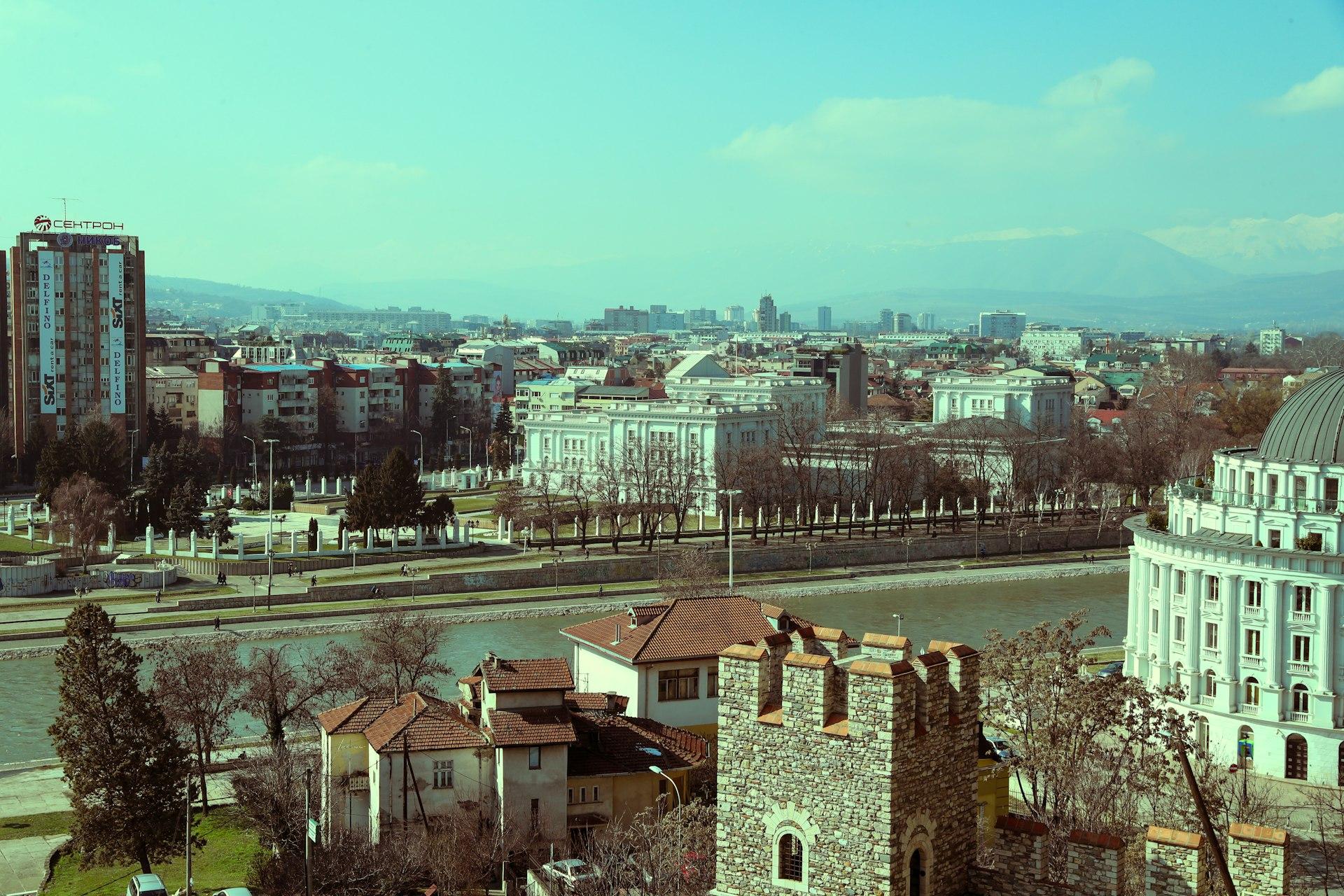
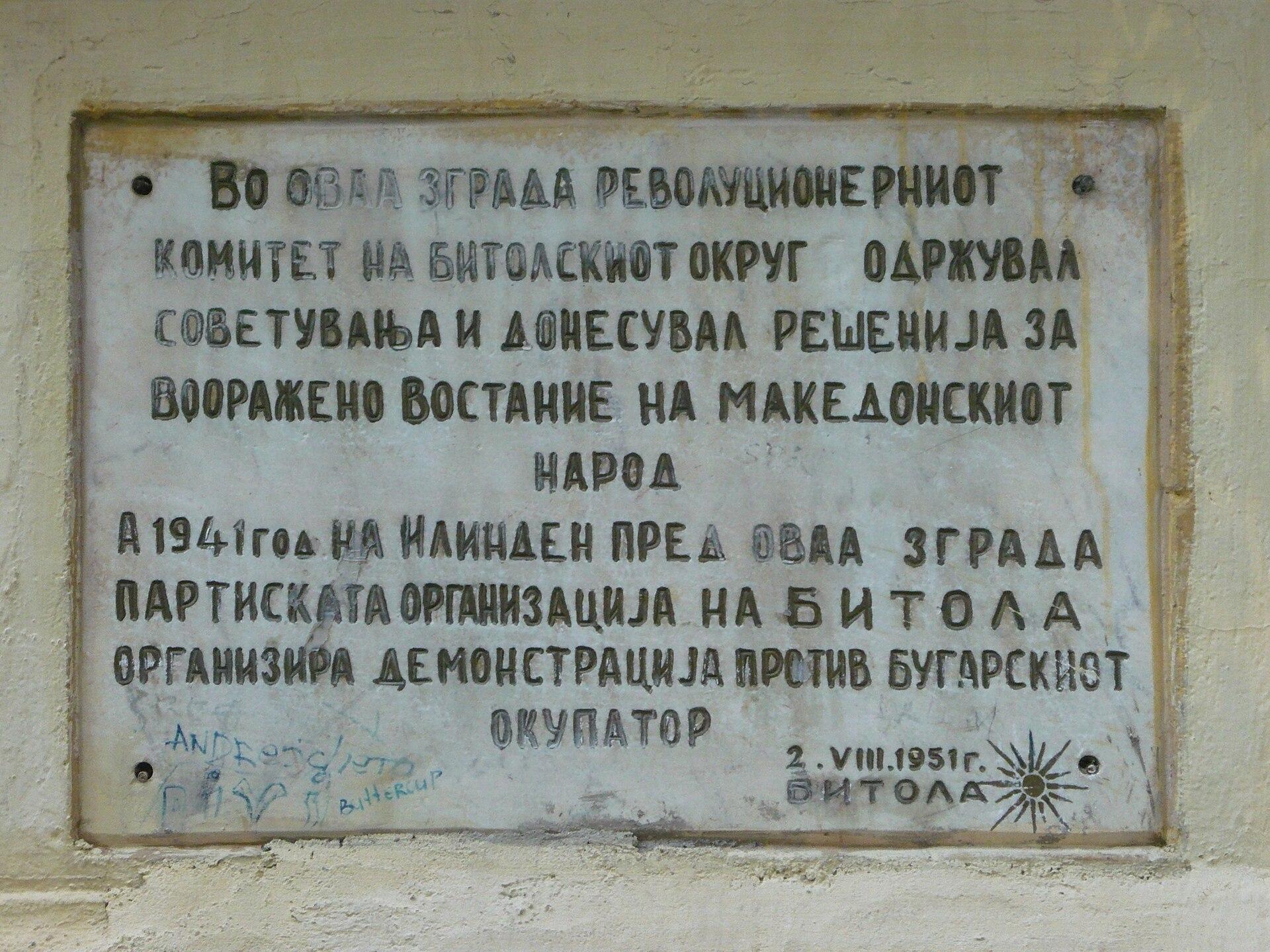
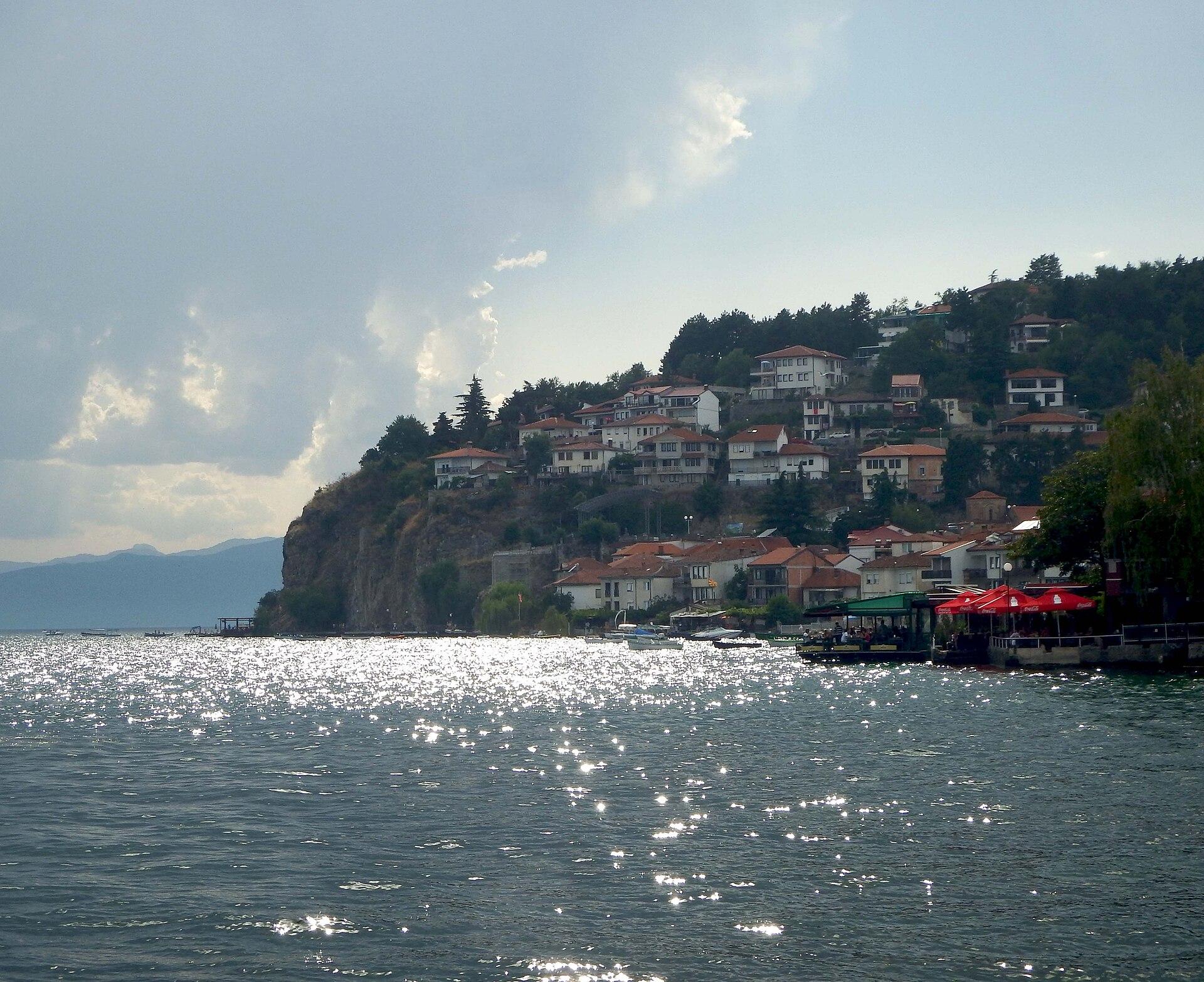
Skopje draws the largest share of visitors. The Old Bazaar (Čaršija), one of the largest preserved Ottoman bazaars in the Balkans, sits just north of the Stone Bridge and houses craft workshops, teahouses, and the 15th-century Mustafa Pasha Mosque. The Skopje 2014 urban project added neoclassical facades and bronze statues along Macedonia Square, making the riverfront visually distinctive. Southwest of Skopje, Ohrid is frequently cited as the cultural and spiritual capital: the town sits on Lake Ohrid, which UNESCO recognizes as both a Cultural and Natural World Heritage site — one of Europe's oldest and deepest lakes at 294 m depth. Bitola, 170 km south of Skopje near the Greek border, retains a 19th-century consular quarter along Širok Sokak boulevard and is the entry point for Heraclea Lyncestis, a Roman city with well-preserved mosaics.
Regions and Natural Terrain
North Macedonia divides broadly into the Vardar valley lowlands, the western lake district, and the mountainous east and south. Mavrovo National Park, 80 km west of Skopje, covers 73,088 hectares of alpine terrain and hosts the country's main ski area at 1,255–1,850 m elevation. The Matka Canyon, 15 km from central Skopje, cuts through limestone karst and shelters medieval cave churches. The eastern Maleševo region borders Bulgaria and sees far fewer visitors, offering off-season hiking without crowds.
When to Visit
The climate splits between Mediterranean influence in the south and continental conditions inland. April through June brings mild temperatures (15–25 °C) and green landscapes ideal for hiking and lake swimming. July and August see Skopje exceed 35 °C; Ohrid's waterfront fills with regional tourists during this peak. September and October offer cooler days, harvested vineyards — the Tikveš wine region south of Veles produces Vranec and Smederevka grapes — and thinner crowds at monasteries. Winter skiing at Mavrovo runs roughly December to March.
Practical Tips for Visiting North Macedonia
- Currency: The Macedonian denar (MKD); euros are not officially accepted but are informally taken in tourist areas — carry local currency for smaller vendors.
- Getting around: Buses connect Skopje to Ohrid in approximately 3 hours; the rail network is limited and slow for most intercity routes.
- Border crossings: The Tabanovce crossing to Serbia and Bogorodica crossing to Greece are the busiest; allow extra time during summer weekends.
- Accommodation tiers: Skopje holds the widest range of hotels from budget hostels near Čaršija to 4-star properties on the Vardar embankment; Ohrid has lakefront guesthouses and small hotels concentrated in the Old Town.
- Visa: Citizens of EU countries, the US, UK, and most Commonwealth nations enter visa-free for up to 90 days.
Frequently Asked Questions
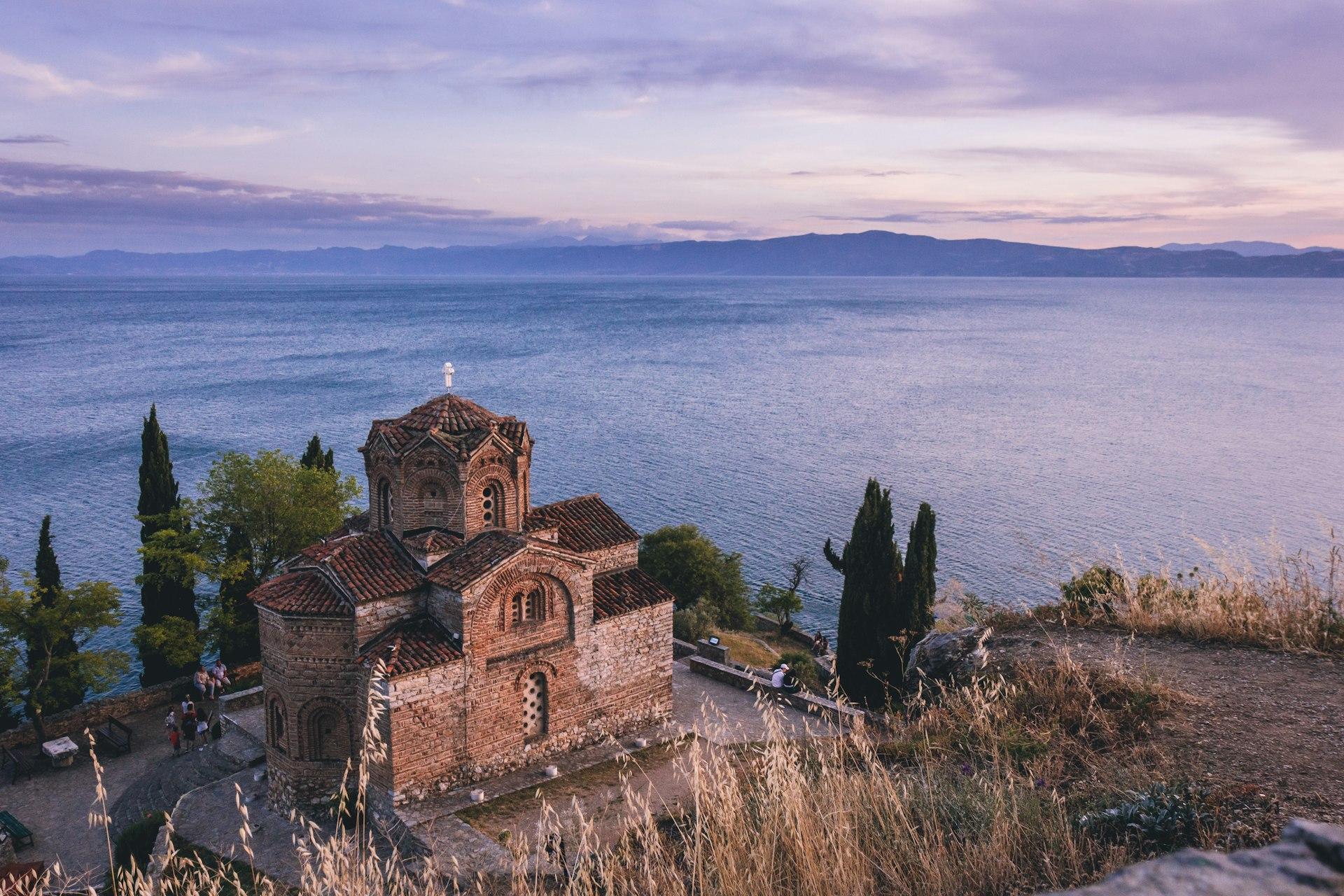
Q: What is the best base for visiting Lake Ohrid? A: Ohrid town itself is the most practical base — hotels along the lake shore sit within walking distance of the Old Town, the Church of St. John at Kaneo, and boat hire jetties. The village of Struga at the lake's northern end is quieter and slightly cheaper.
Q: Is Skopje worth more than a day trip? A: Two full days cover the Old Bazaar, the hilltop Kale Fortress, and the riverfront monuments comfortably. A third day allows a half-day excursion to Matka Canyon by taxi or local bus from the city's western edge.
Q: What language is spoken, and is English widely understood? A: Macedonian is the official language; Albanian is co-official in municipalities with significant Albanian populations. English is spoken in hotels, restaurants, and tour agencies in Skopje and Ohrid; outside those cities, basic phrases in Macedonian or Serbian are useful.
Q: When does the Ohrid Summer Festival take place? A: The Ohrid Summer Festival, featuring classical music, opera, and theatre, runs from mid-July to mid-August each year and uses open-air stages including the Ancient Theatre of Ohrid.
Q: Are credit cards accepted widely? A: Cards are accepted in Skopje hotels, larger restaurants, and supermarkets. Cash remains essential in rural areas, markets, and smaller guesthouses outside the capital.