Hotels in Oman
3 cities · 14 hotels
Photo by ahmed nasser on Unsplash
Oman: Arabian Peninsula's Desert, Coast, and Mountain Arc
Oman occupies the southeastern corner of the Arabian Peninsula, bordering the UAE to the north, Saudi Arabia to the west, and Yemen to the southwest. The country stretches roughly 1,500 km from the Musandam Peninsula — a rocky enclave above the Strait of Hormuz — to the monsoon-fed Dhofar region near the Yemeni border. That geographic range produces extraordinary variety: gravel plains, fjord-like khors, the 3,000-metre Al Hajar Mountains, and 3,165 km of coastline along the Arabian Sea and Gulf of Oman.
Cities Worth Exploring
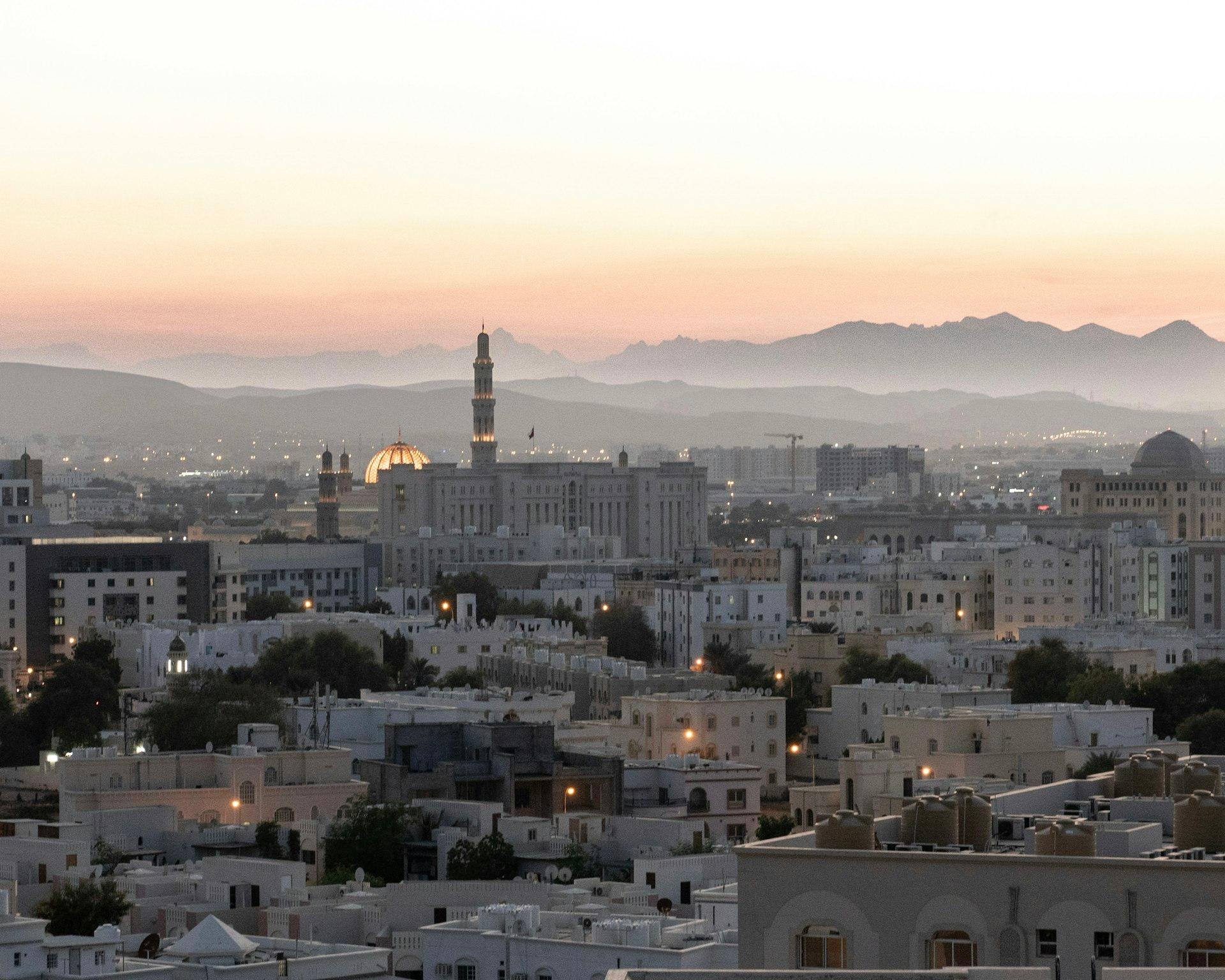
Muscat, the capital, anchors the north. The old quarter of Muttrah holds a waterfront souq trading frankincense, silverware, and dates within a warren of lanes dating to the 16th century. The Sultan Qaboos Grand Mosque, completed in 2001, accommodates 20,000 worshippers and houses one of the world's largest hand-woven Persian carpets. East of Muscat, the coastal highway reaches Sur, historically the principal dhow-building port; the Al Ayjah watchtower district still lines the creek. Inland from Sur, Wadi Bani Khalid offers year-round freshwater pools in layered limestone canyon.
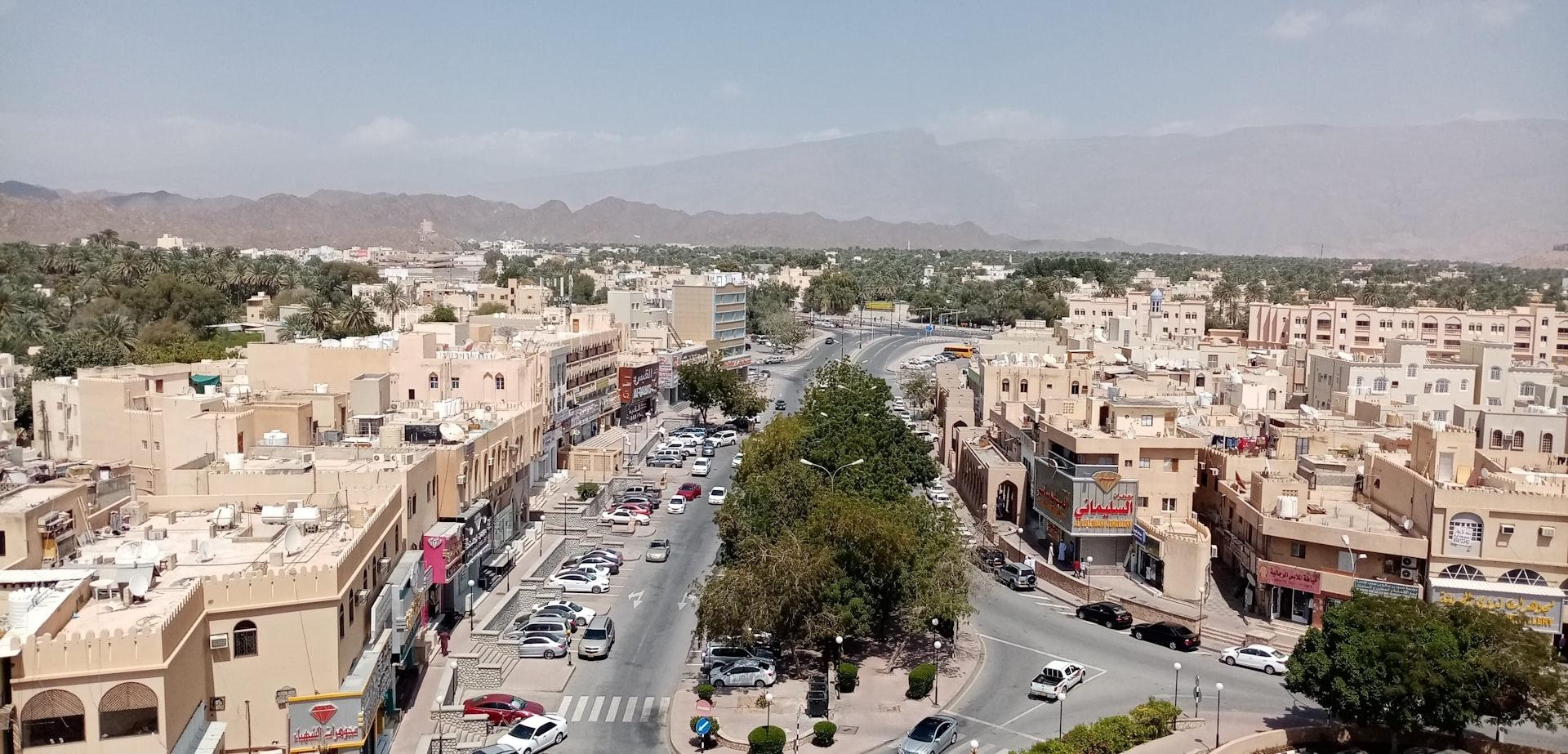
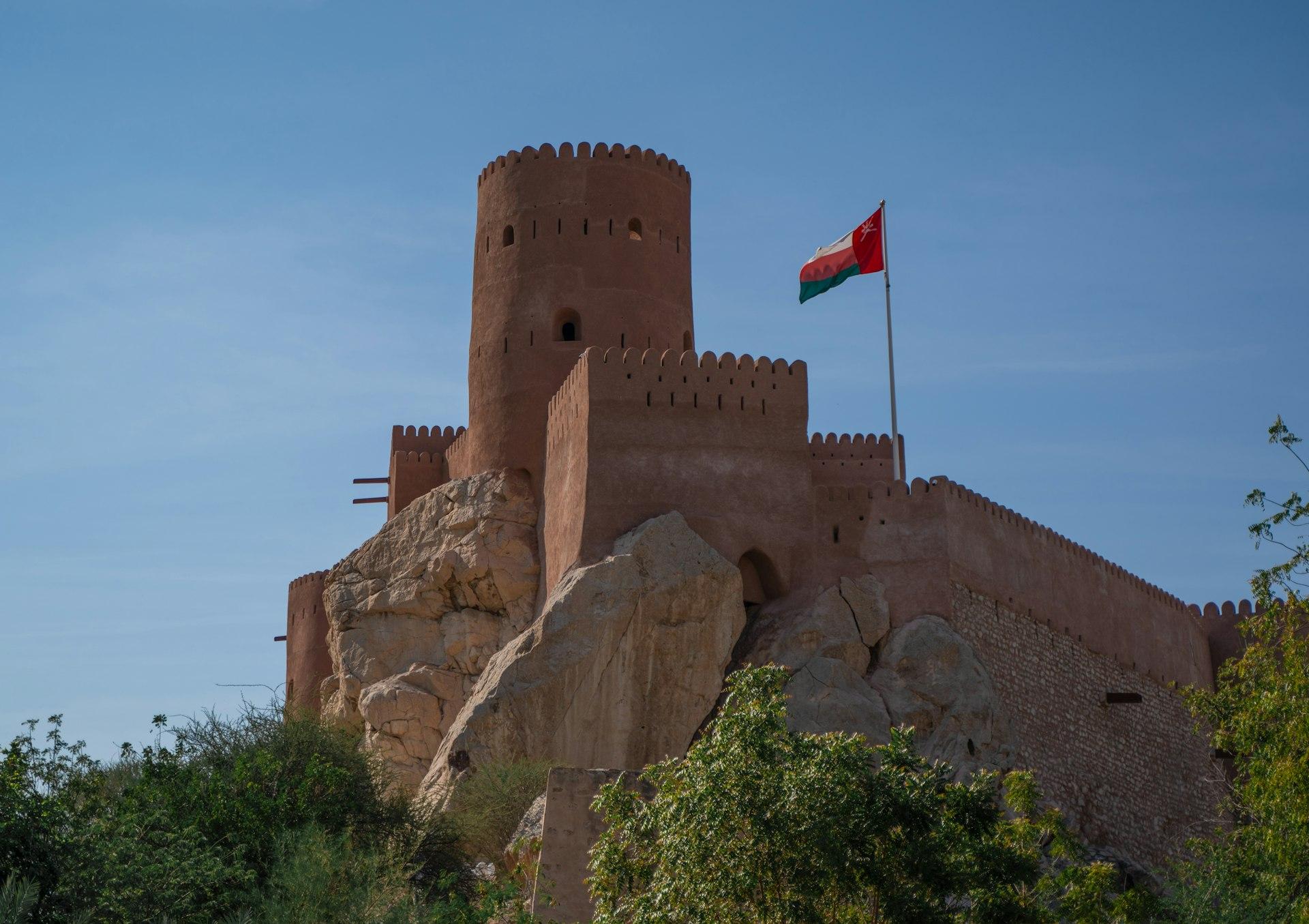
Nizwa, 165 km southwest of Muscat, served as Oman's medieval capital. Its circular fort tower — 40 metres in diameter at the base — dates to the 1650s. The Friday livestock market beneath the fort draws farmers from villages across the Al Dakhiliyah region. From Nizwa, the road climbs to Jebel Akhdar (Green Mountain), where rose-water distilleries operate each spring and terraced pomegranate orchards cling to slopes above 2,000 metres.
Desert and Southern Regions
The Wahiba Sands (Sharqiyah Sands), roughly 180 km southeast of Muscat, cover 12,500 sq km of dunes reaching 100 metres in height. Bedouin camps and eco-lodges sit at the dune margins. Further south, Salalah in Dhofar transforms between June and September when the khareef monsoon coats the Qara Mountains in green — a landscape that contrasts sharply with the rest of the Arabian Peninsula in summer. The ancient frankincense port of Sumhuram, a UNESCO-listed site, sits 40 km east of Salalah near the mouth of Wadi Darbat.
When to Visit Oman
The northern regions — Muscat, Nizwa, Wahiba Sands — are most comfortable from October through April, when daytime temperatures range from 22°C to 30°C. Summer (May–September) sees Muscat exceed 40°C. Dhofar inverts this pattern: the khareef monsoon (June–September) brings mist and cooler air, drawing visitors specifically for that season. The Muscat Festival runs each January–February with cultural performances and markets across the capital.
Practical Tips for Visiting Oman
- Visa: Most nationalities obtain an e-visa online before arrival; multiple-entry 30-day visas are standard.
- Getting around: Renting a 4WD is advisable for Wahiba Sands and Jebel Akhdar; intercity buses connect Muscat, Nizwa, and Sur at low cost.
- Dress code: Cover shoulders and knees in souqs, mosques, and smaller towns; swimwear is acceptable at hotel pools and designated beaches.
- Currency: Omani Rial (OMR); 1 OMR ≈ 2.60 USD as of 2025. ATMs are plentiful in Muscat and Salalah.
- Language: Arabic is official; English is widely spoken in hotels, airports, and tourist areas.
- Ramadan: Business hours shorten significantly; dining in public during daylight hours requires discretion.
Frequently Asked Questions
Q: Is Oman safe for travelers? A: Oman consistently ranks among the safest countries in the Middle East. The 2024 Global Peace Index places it in the top tier for the region. Petty crime rates in tourist areas are very low.
Q: How many days do travelers need for Oman? A: A focused northern circuit — Muscat, Nizwa, Wahiba Sands, Sur — takes 7–10 days. Adding Salalah and Dhofar warrants at least 12–14 days total.
Q: What is the best base for exploring the Al Hajar Mountains? A: Nizwa provides the most central base for Al Hajar day trips; several mountain lodges operate directly on Jebel Akhdar at elevations above 2,000 metres.
Q: Can travelers visit Oman on a budget? A: Budget options exist — guesthouses in Nizwa and Sur start around 15–25 OMR per night. Intercity buses are inexpensive, and many wadis and forts charge no entrance fee.
Q: Do hotels in Oman serve alcohol? A: Licensed hotels and some restaurants in Muscat and Salalah serve alcohol. It is not available in smaller towns, government rest-houses, or unlicensed accommodations.