Hotels in Panama
2 cities · 6 hotels
Photo by Sol Cerrud on Unsplash
Panama connects two oceans across a 51-mile canal completed in 1914, and its territory ranges from Panama City's skyline to the coral reefs off Bocas del Toro. The canal expansion of 2016 added a third set of locks at Cocolí and Agua Clara, letting Neopanamax ships pass and cementing the country's role as a shipping crossroads between the Pacific and Caribbean.
Panama: A Bridge Between Oceans
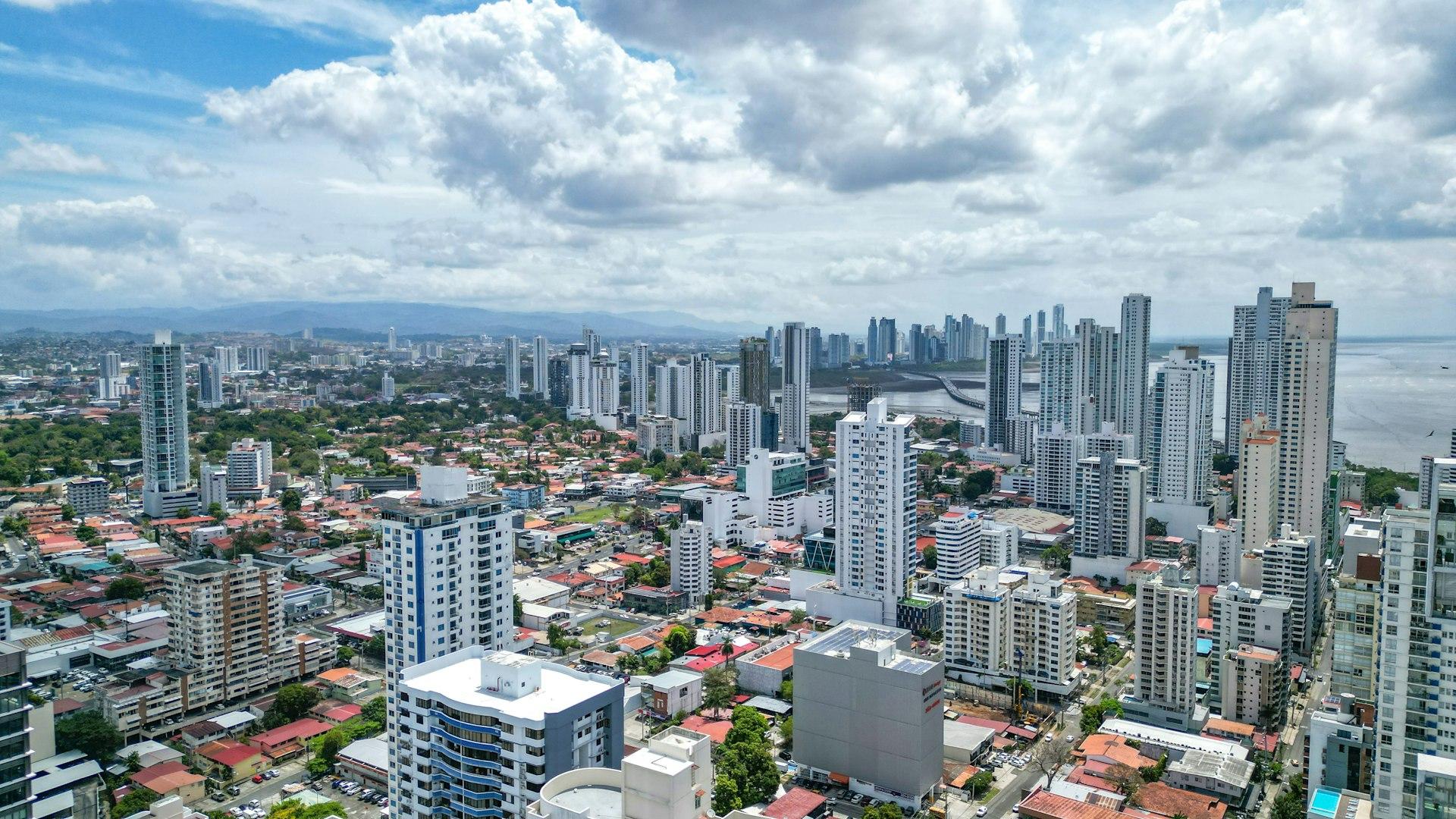
Panama City anchors most visitor itineraries, with Casco Viejo's colonial streets — a UNESCO World Heritage Site since 1997 — sitting a few kilometers from the glass towers of Punta Pacifica. The Miraflores Locks visitor center, roughly 15 minutes from downtown, draws travelers who want to watch container ships rise and fall between the ocean levels. Tocumen International Airport handles most international arrivals and sits about 25 minutes east of the capital by taxi or Uber.
Cities Worth Exploring
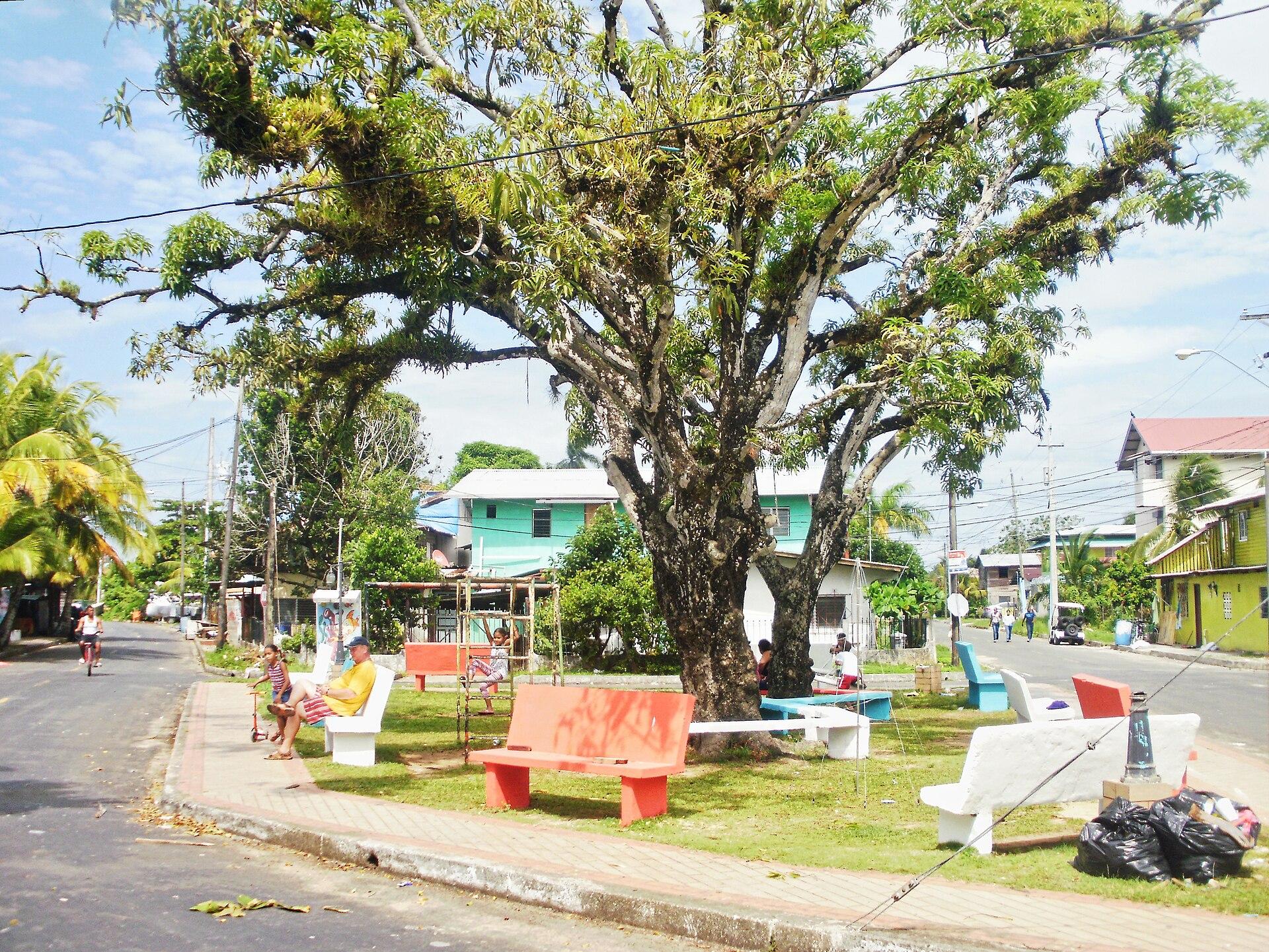
Boquete, in the highlands of Chiriquí province near Volcán Barú, draws coffee-farm visitors and hikers to cloud-forest trails at elevations above 1,000 meters. Bocas del Toro, an archipelago on the Caribbean side, centers on Isla Colón's Bocas Town, where wooden buildings on stilts front a harbor used for boat transfers to Red Frog Beach and Zapatilla Cays. David, Panama's second-largest city, functions mainly as a transit hub for travelers heading into Chiriquí or across the border to Costa Rica.
Guna Yala and the San Blas Islands
East of Panama City, the Guna Yala comarca comprises more than 350 islands governed by the indigenous Guna people under a semi-autonomous arrangement dating to 1925. Access is by small plane from Albrook Airport or by 4x4 over the mountains from Panama City, followed by a boat transfer. Overnight stays are typically in thatched-roof cabañas run by Guna families rather than international hotel chains, and electricity and hot water are often limited.
Practical Tips for Visiting Panama
- Best time to visit: The dry season runs mid-December through mid-April, with the least rainfall on the Pacific side; the Caribbean coast, including Bocas del Toro, sees rain year-round.
- Currency: The US dollar circulates alongside the Panamanian balboa, and prices are quoted interchangeably.
- Getting around: Domestic flights from Albrook Airport reach Bocas del Toro and David in under an hour; intercity buses connect Panama City to David in roughly seven hours.
- Canal transit viewing: Miraflores and Agua Clara both offer public viewing decks; check ship transit schedules in advance, as timing varies by day.
- Border crossings: Paso Canoas connects to Costa Rica and is the main land crossing used by overland travelers continuing north.
Frequently Asked Questions
Q: When is the best time to visit Panama? A: The dry season from mid-December to mid-April offers the most reliable weather on the Pacific side and in Panama City. Bocas del Toro and the Caribbean coast receive rain throughout the year, so pack accordingly regardless of season.
Q: How many days are needed to see the Panama Canal properly? A: A half-day suffices for the Miraflores Locks visitor center and museum. Travelers wanting a full transit experience can book a partial or full canal crossing by boat, which takes four to eight hours.
Q: Is Bocas del Toro accessible without flying? A: Yes, an overland bus from Panama City to Almirante takes about nine to ten hours, followed by a short water taxi to Isla Colón. Most travelers instead choose the roughly one-hour flight from Albrook Airport.
Q: What documents are needed to enter the San Blas Islands? A: Standard Panamanian entry requirements apply, since Guna Yala is part of national territory, but visitors typically arrange transport and lodging through local operators or Guna-run guesthouses in advance.
Q: Does Panama use its own currency? A: The balboa is pegged 1:1 to the US dollar, and dollar bills are used for all cash transactions; only coins differ in design.