Hotels in Senegal
2 cities · 12 hotels
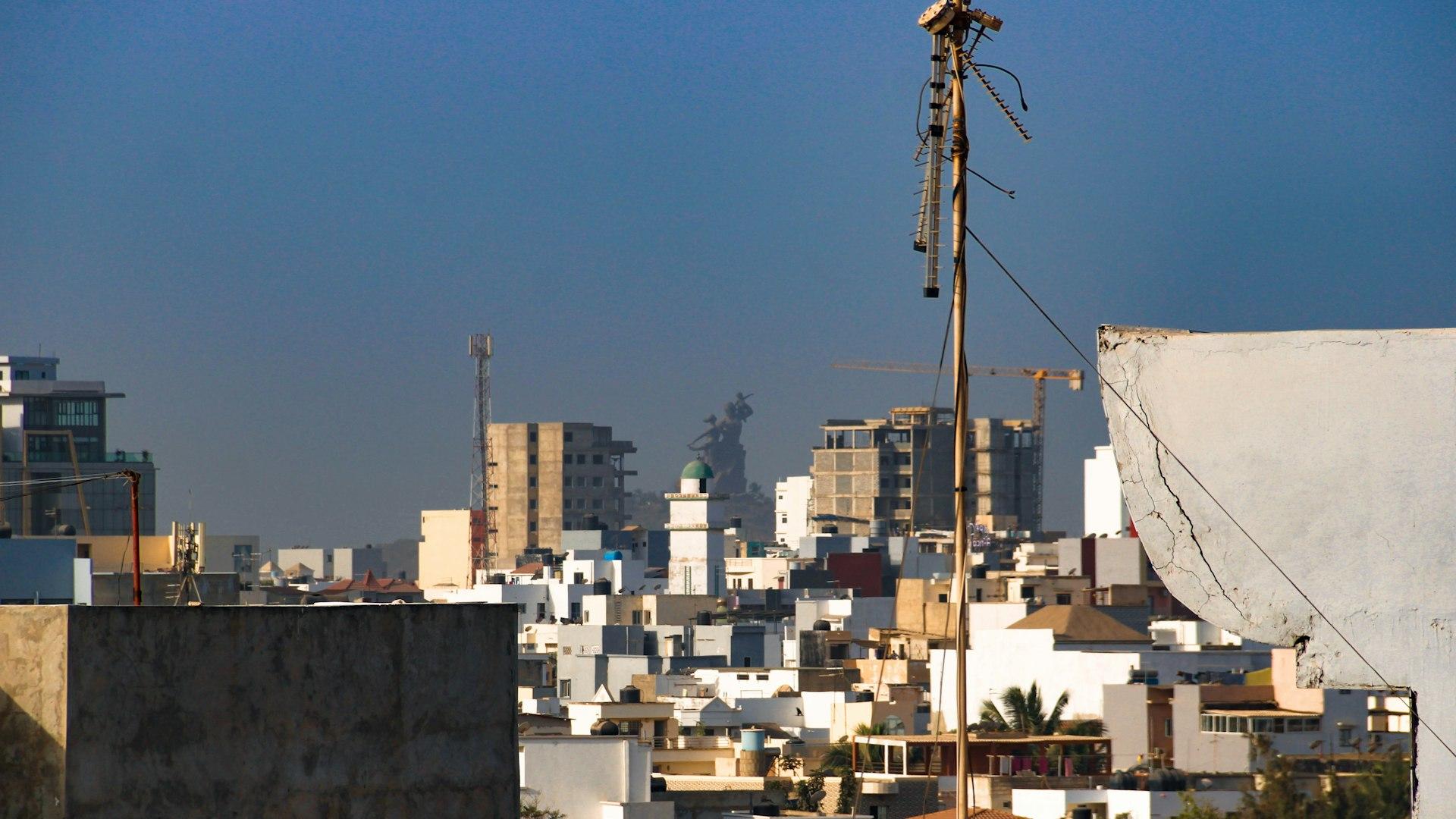
Photo by Victor Rutka on Unsplash
Senegal: West Africa's Atlantic Gateway
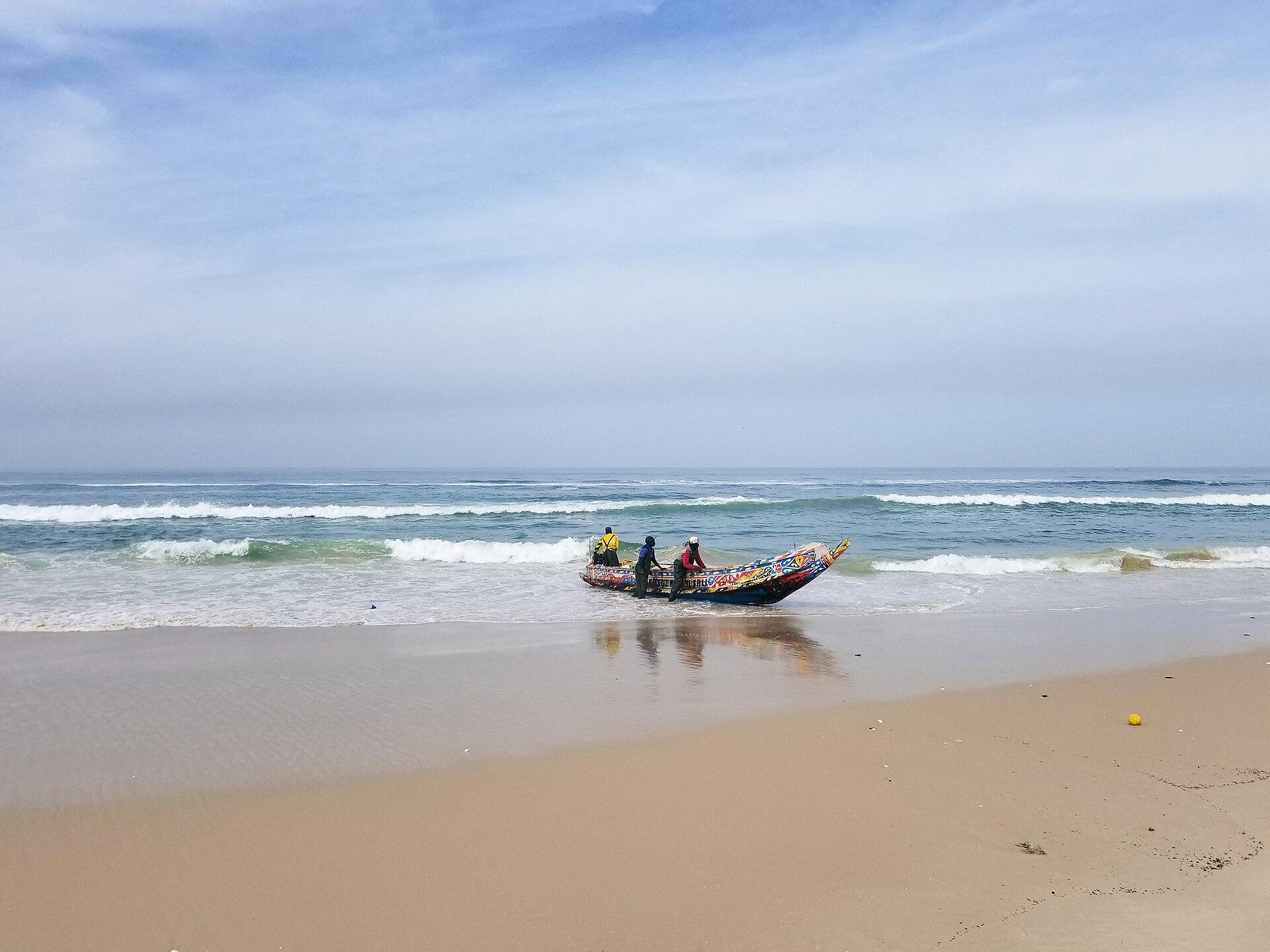
Senegal sits at the westernmost point of continental Africa, where the Atlantic Ocean shapes 700 km of coastline stretching from Saint-Louis in the north to the Casamance region in the south. The country shares borders with Mauritania, Mali, Guinea, Guinea-Bissau, and entirely surrounds The Gambia. With a population of roughly 18 million and Dakar as its capital, Senegal ranks among West Africa's most politically stable nations — it has never experienced a military coup since independence in 1960.
Cities Worth Exploring
Dakar, built on the Cap-Vert Peninsula, anchors the country's hotel infrastructure with properties ranging from guesthouses in the Plateau district to seaside resorts along the Corniche Ouest. The medina around Grande Mosquée and the artisan market at Marché Sandaga concentrate street commerce in a walkable radius. North of Dakar, Saint-Louis — a UNESCO World Heritage Site since 2000 — occupies a narrow island in the Senegal River delta; its colonial-era French architecture and jazz festival (held each May) draw travelers year-round. The fishing village of Toubab Dialaw, 50 km south of Dakar, functions as a quieter coastal alternative with direct minibus connections.
Regions and Natural Landscapes
The Casamance region, separated from northern Senegal by The Gambia, contains the country's densest forest cover and the town of Ziguinchor on the Casamance River. Lodge accommodation here leans toward eco-camps accessible by pirogue. In contrast, Sine-Saloum Delta — a labyrinth of mangrove channels roughly 150 km southeast of Dakar — supports birdwatching that rivals any site in sub-Saharan Africa; over 300 species have been recorded. Saly Portudal, 80 km from the capital, concentrates the country's largest resort hotels and remains popular with French and Belgian package travelers. Inland, Niokolo-Koba National Park (a UNESCO Biosphere Reserve covering 9,130 km²) protects lions, leopards, hippos, and western chimpanzees along the Gambia River corridor.
When to Visit Senegal
Senegal has two distinct seasons. The dry season runs November through May, with harmattan winds arriving from the Sahara between December and February. Dakar averages 20 °C in January and 27 °C in April — comfortable for both city travel and beach stays. The rainy season (June–October) brings humidity above 80% and afternoon downpours across the south, though it transforms the Casamance into lush greenery and reduces accommodation rates by 30–40% in coastal resorts. The Saint-Louis Jazz Festival in May and Dakar Biennale (held in even-numbered years) attract international visitors and push hotel occupancy sharply upward.
Practical Tips for Visiting Senegal
- Visa: Citizens of the EU, USA, and most African Union states enter visa-free for up to 90 days.
- Currency: The West African CFA franc (XOF) is pegged to the euro at 655.957 XOF per 1 EUR; ATMs are reliable in Dakar and Saly.
- Getting around: Sept-place (shared 7-seat Peugeot taxis) connect major cities for low fares; book one day ahead for Ziguinchor routes.
- Health: Yellow fever vaccination is required for entry. Malaria prophylaxis is recommended year-round.
- Language: French is official; Wolof is spoken by roughly 80% of the population across all regions.
- Connectivity: Orange and Free Senegal offer prepaid SIM cards with 4G coverage in Dakar and main towns.
Frequently Asked Questions
Q: What is the best area to stay in Dakar? A: The Plateau district places guests within walking distance of government buildings, the port, and Île de Gorée ferry terminal. Les Almadies, on the peninsula's tip, concentrates mid-range and upmarket hotels near the beach.
Q: Is Senegal safe for travelers? A: Senegal is considered one of West Africa's safest destinations. Dakar has standard urban petty-theft risks; the Casamance border zones require checking current advisories before travel.
Q: How do travelers reach Île de Gorée? A: Ferries depart from Dakar's Gare Maritime roughly every hour; the crossing takes 20 minutes. Gorée Island held UNESCO World Heritage status since 1978 for its role in the Atlantic slave trade.
Q: What currency should travelers carry? A: CFA francs (XOF) are essential outside Dakar hotels. Euros are sometimes accepted in tourist areas but always at unfavorable rates compared to official ATM exchange.
Q: When does the Dakar Biennale take place? A: The Dak'Art Biennale, Africa's largest contemporary art event, runs in even-numbered years (next edition 2026) over six weeks starting in May, with exhibitions across Dakar's Plateau and Médina districts.