Hotels in Serbia
5 cities · 221 hotels
Serbia: Crossroads of the Balkans
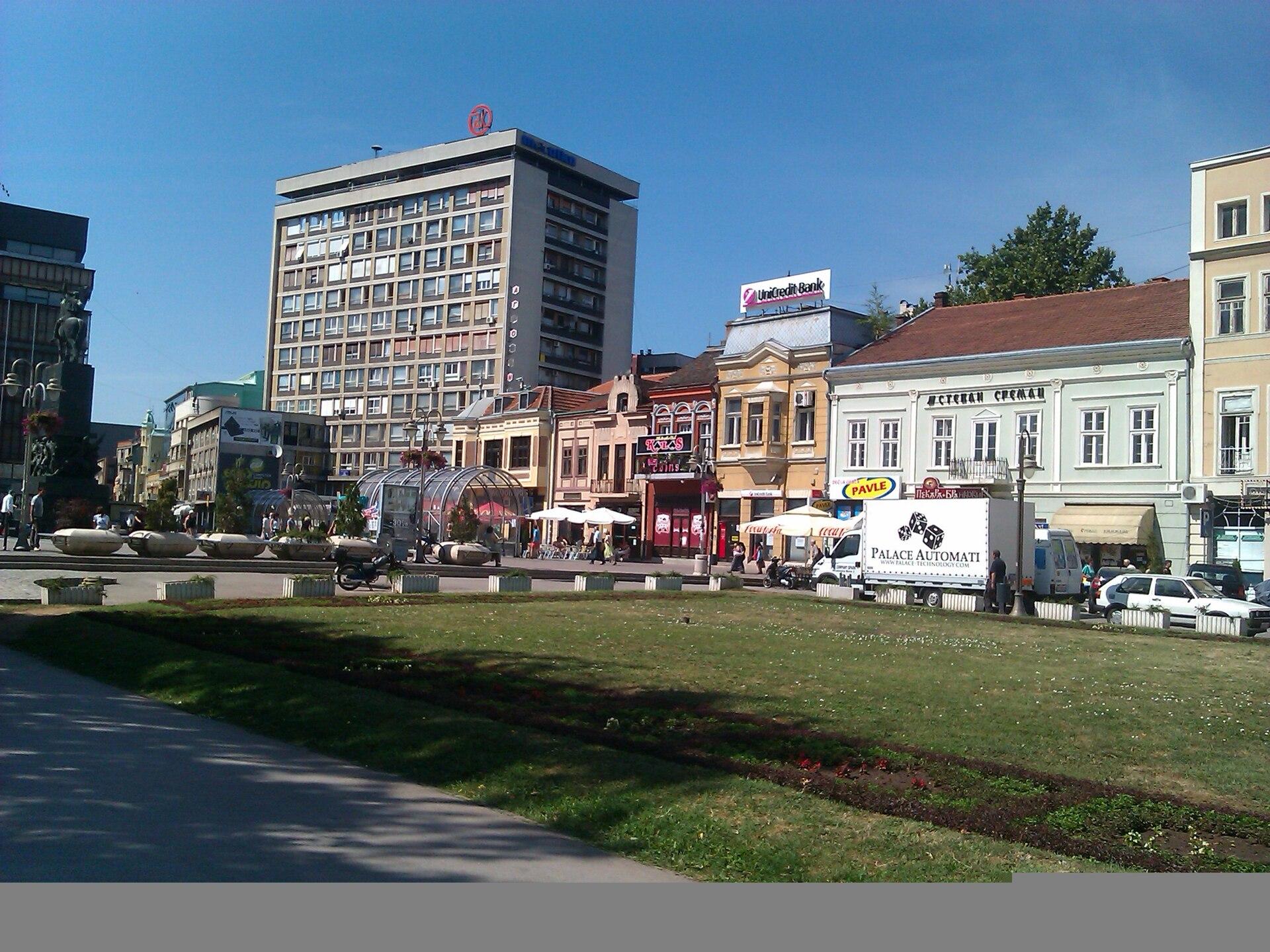
Serbia sits at the geographic heart of the Balkans, bordered by Hungary to the north, Romania and Bulgaria to the east, North Macedonia and Kosovo to the south, and Croatia, Bosnia, and Montenegro to the west. The country covers 77,474 km² and holds roughly 7 million people. Belgrade, the capital, stands at the confluence of the Sava and Danube rivers — a position that has made it one of the most contested and rebuilt cities in European history, destroyed and rebuilt more than 40 times. That layered past now works in travelers' favor: Roman fortifications, Ottoman mosques, Austro-Hungarian facades, and Brutalist-era towers occupy the same city blocks.
Cities Worth Exploring
Belgrade anchors most itineraries. The Kalemegdan Fortress, dating to the 2nd century CE, rises directly above the river confluence and remains the city's single most-visited monument. Below it, the Skadarlija cobblestone quarter — Belgrade's bohemian district from the late 19th century — lines its 300-metre main street with kafanas serving roasted meats and live brass bands most evenings. North of Belgrade, 80 km by highway, Novi Sad hosts the Exit Festival each July in the 18th-century Petrovaradin Fortress; the festival draws 200,000+ attendees across four days and has run annually since 2000. Niš, 230 km south of Belgrade, contains the Skull Tower — a structure Ottoman forces built in 1809 from the skulls of Serbian soldiers — and the Roman imperial complex of Mediana, birthplace of Emperor Constantine I around 272 CE.
Landscapes and Regional Highlights
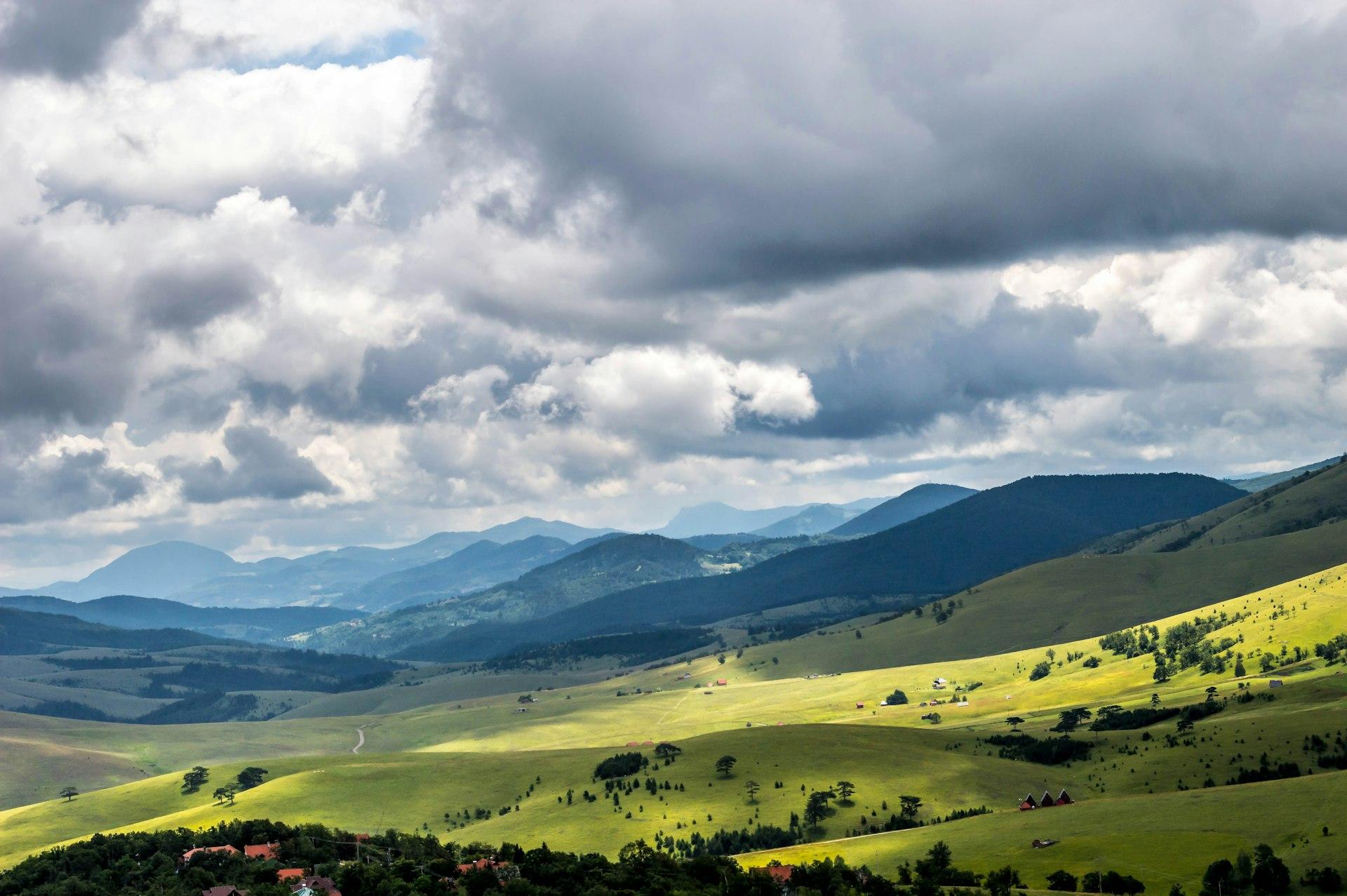
Southern and western Serbia shift from urban grids to river gorges and medieval monasteries. The Uvac River canyon in southwest Serbia cuts through limestone in a series of meanders visible from a ridge trail above the gorge; the area also shelters one of Europe's few breeding colonies of griffon vultures. Tara National Park, near the town of Bajina Bašta, covers 19,175 hectares of old-growth forests and the Drina River canyon on the Bosnian border. The Studenica Monastery, founded in 1190 by Stefan Nemanja and inscribed on the UNESCO World Heritage List in 1986, stands in a valley 40 km from Kraljevo. Đavolja Varoš (Devil's Town) in southern Serbia presents 202 earth pyramids, some reaching 15 metres, formed by differential erosion over millennia.
When to Visit Serbia
Spring (April–May) and early autumn (September–October) offer the most comfortable temperatures — Belgrade averages 17 °C in May and 18 °C in September — and fewer crowds than the peak summer festival season. July and August bring the Exit Festival in Novi Sad, the Guča Trumpet Festival in the village of Guča (held each August since 1961, attracting 600,000 visitors over four days), and consistently warm Danube plain weather above 30 °C. Winter suits visitors interested in skiing: Kopaonik, at 1,770 m elevation, operates lifts from December through March with 55 km of marked pistes.
Practical Tips for Visiting Serbia
- Currency: Serbian dinar (RSD); euros are informally accepted in some tourist areas but change is given in dinars.
- Getting around: Belgrade's city buses and tram network cover most districts; intercity buses connect Belgrade to Novi Sad in 1.5 hours and Niš in 2.5 hours.
- Entry: Citizens of the EU, UK, and US enter visa-free for stays up to 90 days.
- Language: Serbian uses both Cyrillic and Latin script; Latin signage is common in Belgrade and Novi Sad.
- Tipping: 10% is customary in restaurants; not expected in cafés.
Frequently Asked Questions
Q: What is the best base for exploring Serbia? A: Belgrade suits most travelers as a base — it holds the country's main international airport (Nikola Tesla Airport, 18 km from the city centre) and direct bus and rail links to Novi Sad, Niš, and border crossings. Day trips to Novi Sad take under two hours.
Q: Is Serbia safe for travelers? A: Serbia consistently ranks as one of the safer Balkan destinations; petty theft occurs in crowded areas like Zeleni Venac market, so standard urban precautions apply. The Foreign Office of the UK rates it at the lowest travel-alert level.
Q: What food is Serbia known for? A: Ćevapi (grilled minced-meat sausages), pljeskavica (spiced patty), and burek (filo pastry with meat or cheese) are staples. The Šumadija region produces fruit brandies (rakija) used as both aperitif and informal medicine throughout the country.
Q: How many hotels are available in Serbia? A: Hotels-world.net lists properties across Serbia's major cities and resort areas, from budget guesthouses near Skadarlija to mountain lodges on Kopaonik, with options in Belgrade, Novi Sad, Niš, and Zlatibor.