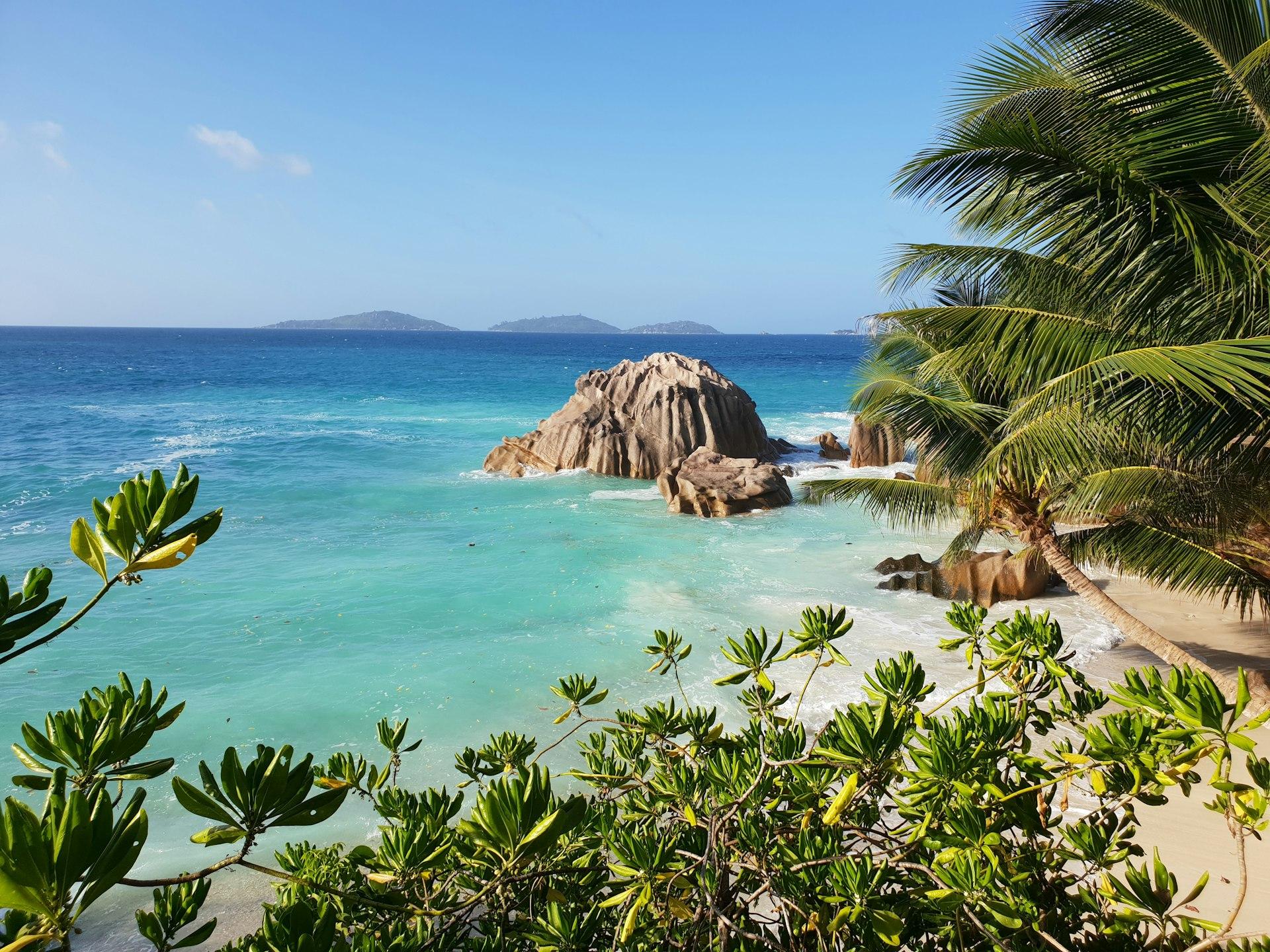
Hotels in Seychelles
5 cities · 24 hotels
Photo by Christian Cacciamani on Unsplash
Seychelles: 115 Islands Across the Western Indian Ocean
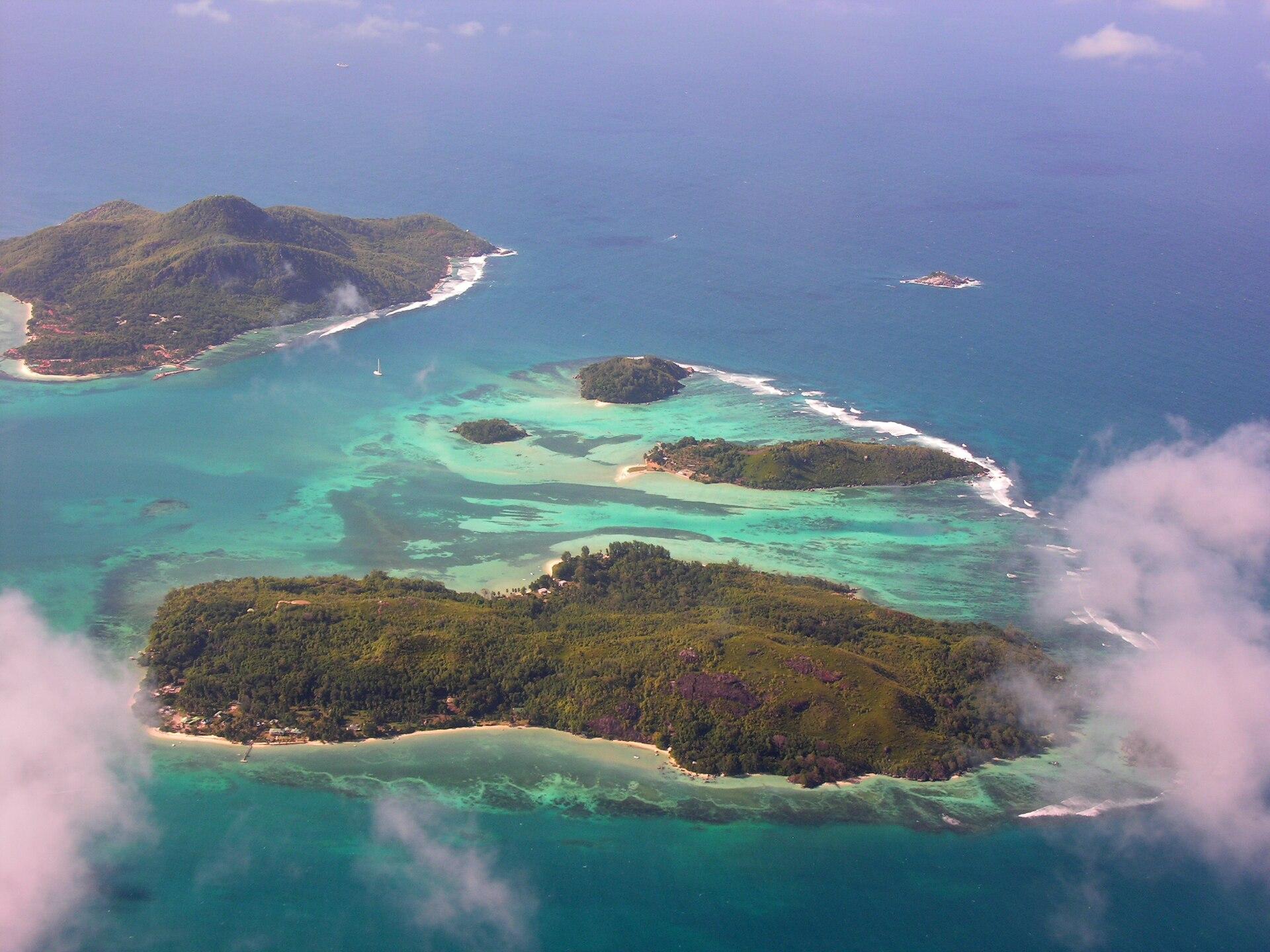
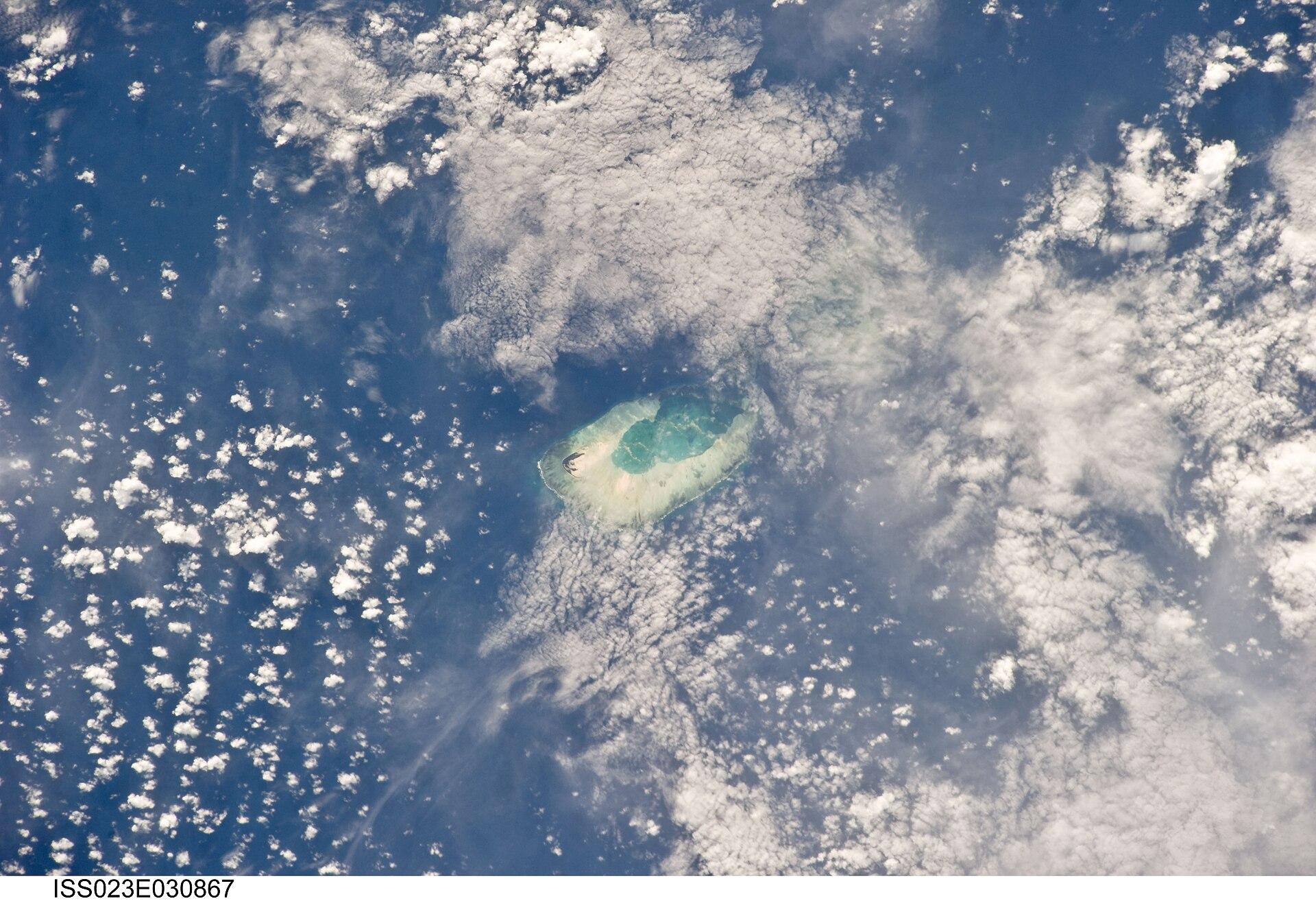
The Seychelles archipelago sits roughly 1,500 km east of mainland Africa, straddling the 4th and 10th parallels south of the equator. The nation's 115 islands divide into two geological families: the ancient Inner Islands, built from Precambrian granite and home to most of the population, and the flat Outer Islands, low-lying coralline atolls that stretch southwest toward Madagascar. Total land area is just 459 km², yet the exclusive economic zone covers 1.37 million km² of ocean — a proportion that shapes everything from the fishing economy to marine conservation policy.
Cities Worth Exploring
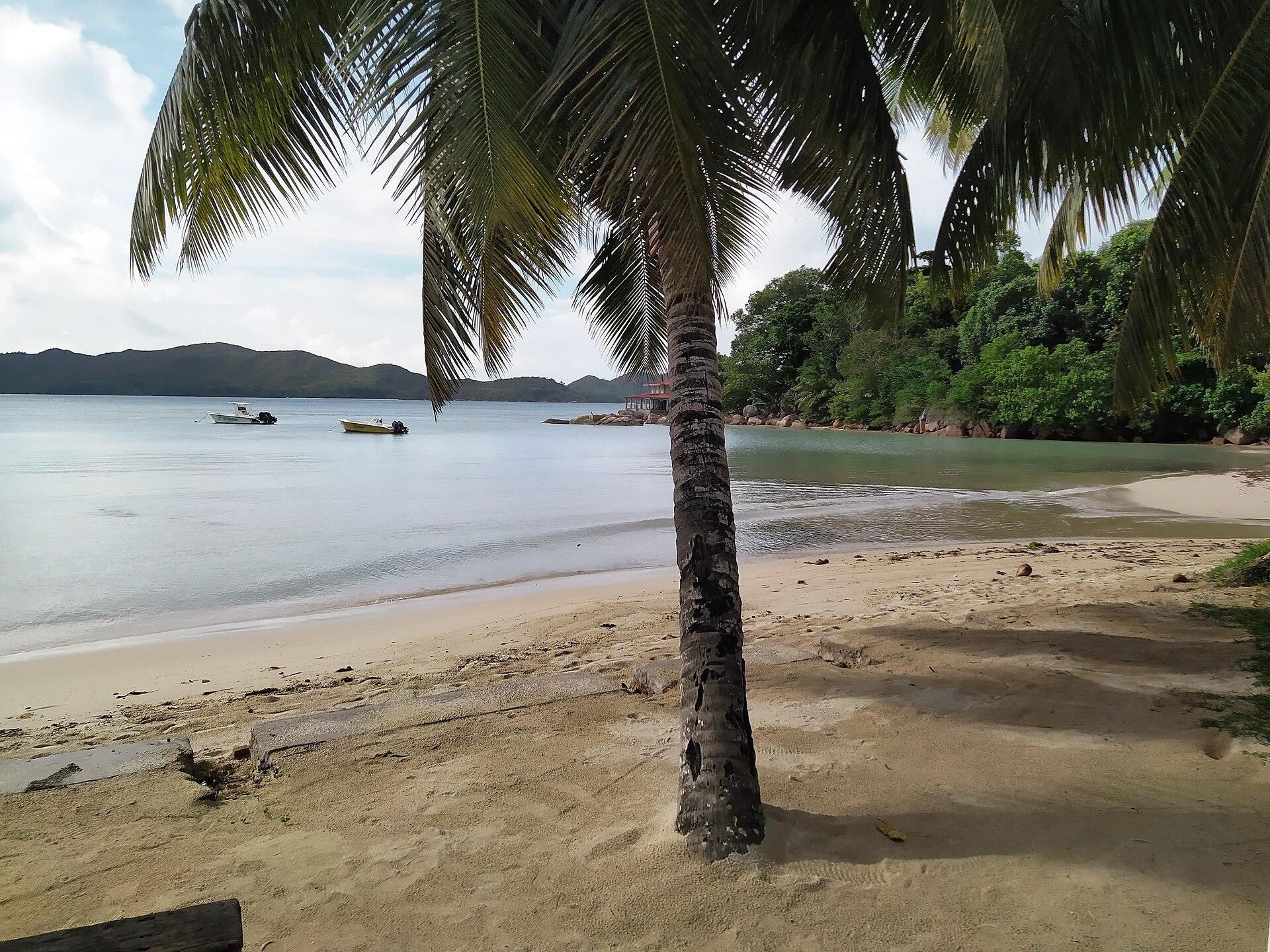
Mahé is the largest island and holds the capital, Victoria — one of the smallest capital cities in the world, with a population of roughly 26,000. The clock tower at the center of Victoria, modeled on London's Vauxhall Bridge clock, was erected in 1903. The Sir Selwyn Selwyn-Clarke Market on Albert Street sells fresh tuna, cinnamon bark, and locally grown vanilla six mornings a week. North of Victoria, the Beau Vallon beachfront neighborhood concentrates guesthouses, dive shops, and open-air restaurants along a 3 km arc of grey-white sand.
Praslin, 45 km northeast of Mahé by fast ferry, is the second-largest island. The Vallée de Mai Nature Reserve — a UNESCO World Heritage Site since 1983 — protects a stand of coco de mer palms (Lodoicea maldivica), which produce the largest seed of any plant on Earth, weighing up to 25 kg. La Digue, a 15-minute boat ride from Praslin, is navigated largely by bicycle; Anse Source d'Argent is reached through a former vanilla plantation and is sheltered by granite boulders up to 8 m tall.
When to Visit
Seychelles has no dry season in the tropical sense, but two trade-wind seasons define travel patterns. The northwest monsoon (November–March) brings warmer, calmer seas to the west coast of Mahé and rough conditions on the east. The southeast trade winds (May–September) reverse the picture, with Praslin and La Digue seeing more swell while Anse Intendance on Mahé's south tip remains protected. April and October are transition months with light winds and the clearest underwater visibility — favored for diving the Sainte Anne Marine National Park, 5 km from Victoria harbor.
What Travelers Come For
Marine biodiversity drives most visits. The archipelago hosts over 900 species of fish, and Aldabra Atoll — a second UNESCO World Heritage Site — shelters the world's largest population of giant tortoises, estimated at 100,000 individuals. Whale sharks aggregate off Mahe's north tip between October and January. On land, the Morne Seychellois National Park covers 20% of Mahé and reaches 905 m at its summit, with trails passing through cloud forest and endemic pitcher plants (Nepenthes pervillei). Hotels range from locally owned guesthouses on La Digue starting around USD 80 per night to private-island resorts on North Island or Félicité where villas are priced in the four-figure range.
Practical Tips for Visiting Seychelles
- Getting there: Seychelles International Airport (SEZ) on Mahé receives direct flights from Dubai, Doha, Paris, and Nairobi; inter-island travel uses Cat Cocos ferries or small Air Seychelles prop planes.
- Currency: The Seychellois rupee (SCR); major hotels and restaurants also price in USD or EUR, but street vendors and markets trade in rupees.
- Entry: Citizens of most countries receive a free visitor's permit on arrival, valid up to 30 days and extendable to 90 days at the Immigration Division in Victoria.
- Connectivity: SIM cards from Cable & Wireless Seychelles are available at the airport arrivals hall and provide 4G coverage across all three main islands.
- Packing: Pack reef-safe (mineral-based) sunscreen — chemical sunscreens are subject to increasing local restriction to protect coral.
Frequently Asked Questions
Q: Do travelers need a visa to enter Seychelles? A: Most nationalities receive a free visitor's permit on arrival, granted for up to 30 days. Extension to 3 months is possible through the Immigration Division in Victoria. A valid return ticket and proof of accommodation are required at the port of entry.
Q: Which island is most suitable for a first visit? A: Mahé contains the airport, the widest range of hotels, and the capital Victoria, making it the logical starting point. Day trips or overnight ferries to Praslin and La Digue can be added without booking additional flights.
Q: How do travelers get between the main islands? A: Cat Cocos operates a fast-ferry service between Mahé, Praslin, and La Digue; the Mahé–Praslin crossing takes approximately 55 minutes. Air Seychelles flies the same route in 15 minutes. Ferries run multiple departures daily and advance booking is advised during July–August peak periods.
Q: Is Seychelles suitable for budget travelers? A: Guesthouses and self-catering units on La Digue and Mahé's Beau Vallon neighborhood start around USD 80–120 per night. Local take-away stalls ("snacks") serve Creole fish curry for under USD 8. The archipelago is not a low-cost destination, but mid-range options exist outside the private-island resort tier.
Q: What language is spoken in Seychelles? A: Seychelles has three official languages: Seychellois Creole (Kreol), English, and French. Kreol is the everyday language; English is standard in hotels, government offices, and signage across all islands.