Hotels in Tajikistan
2 cities · 8 hotels
Photo by Etienne Dayer on Unsplash
Tajikistan: High Passes, Ancient Silk Road Cities and the Pamir Plateau
Tajikistan sits at the crossroads of Central Asia, sharing borders with Afghanistan, China, Kyrgyzstan, and Uzbekistan. More than 93% of its territory is mountainous, with the Pamir Mountains reaching 7,495 m at Ismoil Somoni Peak — the highest point in the former Soviet Union. The Wakhan Corridor runs along the Afghan border in the east, offering some of the most remote trekking in Asia. The capital, Dushanbe, sits at 800 m above sea level in the Hissar Valley and is home to roughly one million residents.
Cities Worth Exploring
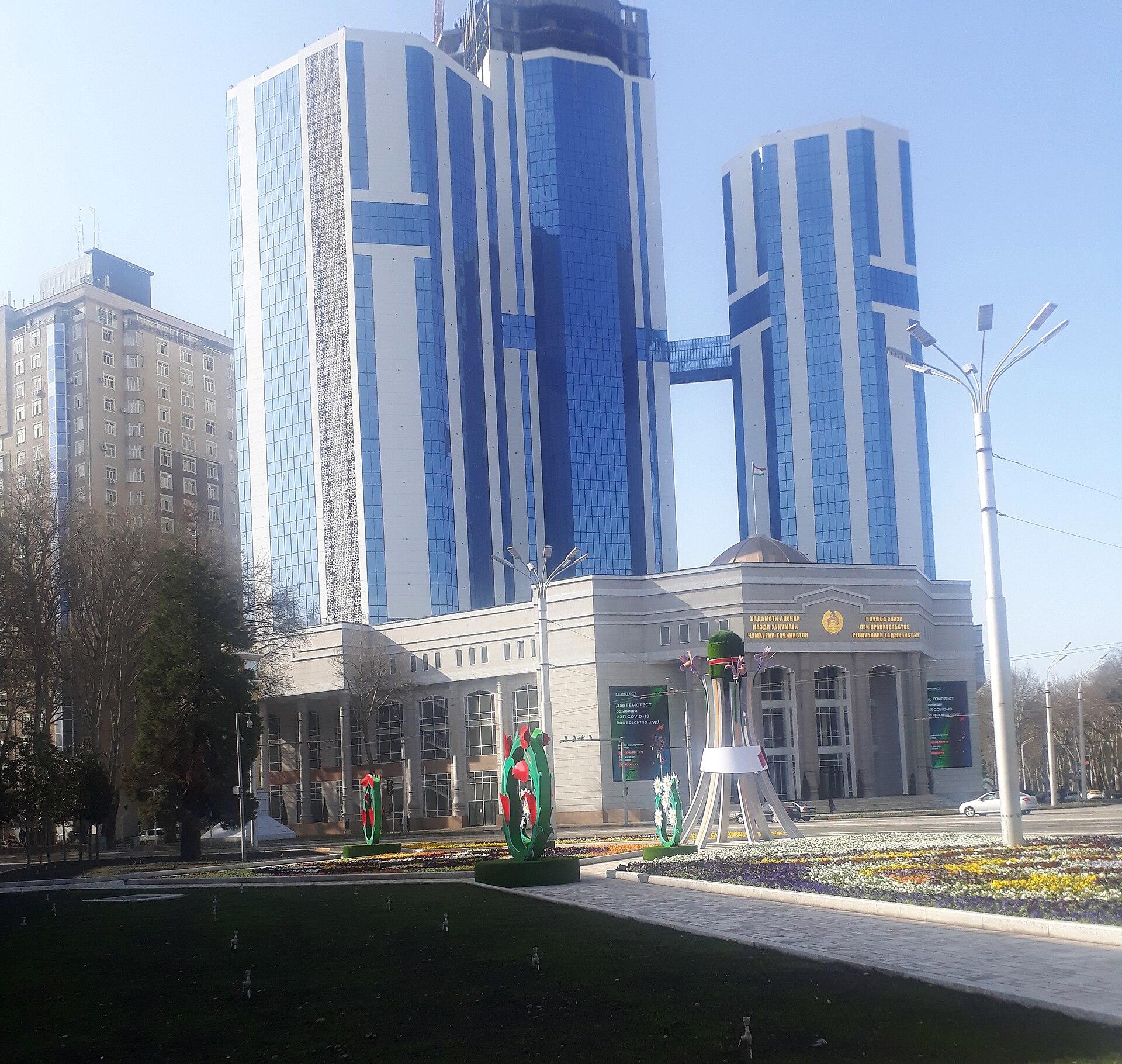
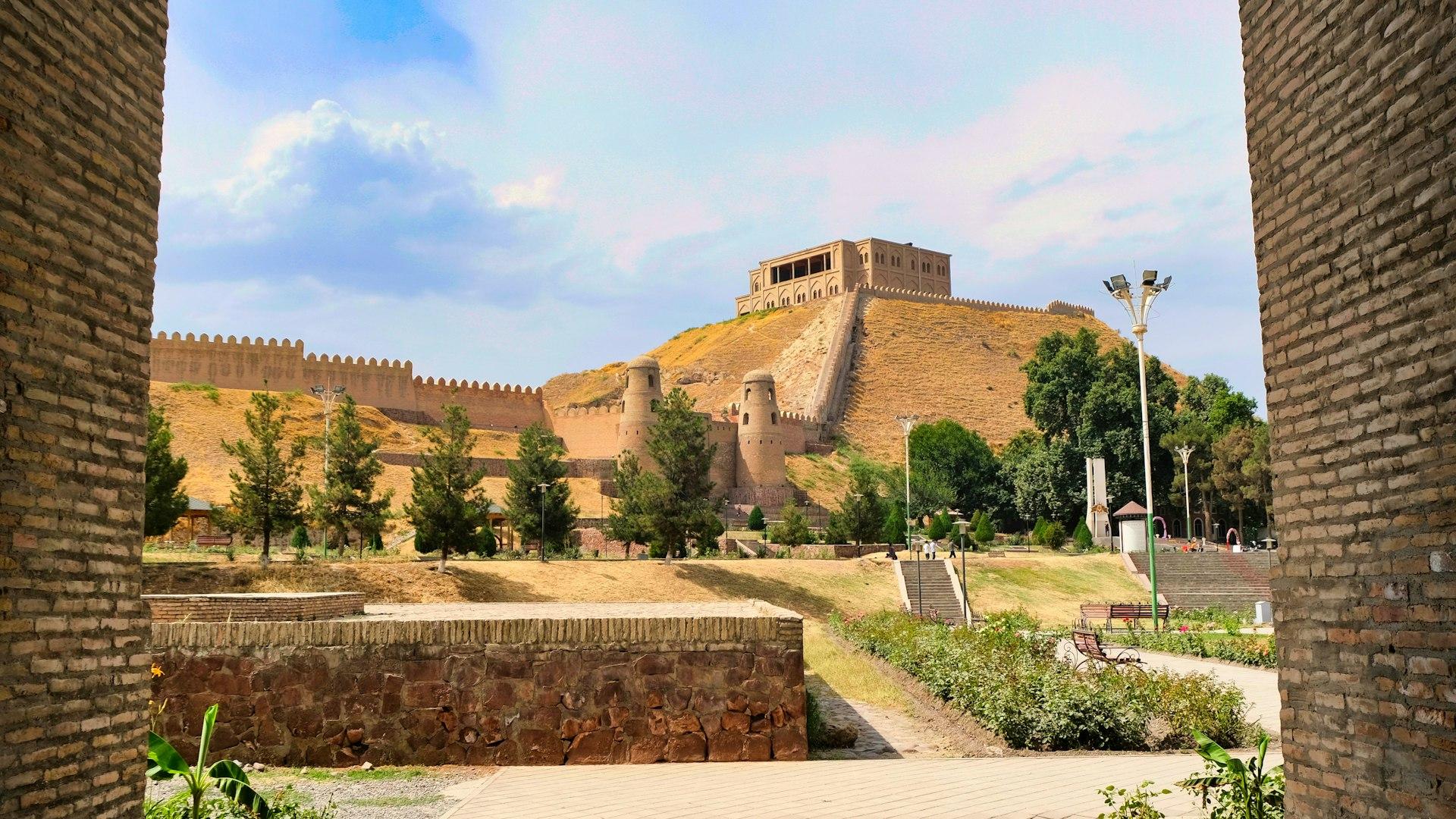
Dushanbe anchors the northwest. Rudaki Avenue forms the central spine of the city, lined with Soviet-era architecture alongside newer public squares. The National Museum of Tajikistan displays a 13-metre reclining Buddha statue unearthed at Ajina Tepa, a 7th-century Buddhist monastery site 10 km from Qurghonteppa. Khujand, Tajikistan's second city, sits on the Syr Darya River in the Fergana Valley — one of the densest agricultural zones in Central Asia. The old bazaar district around Panjshanbe Market sells dried fruit, spices, and cotton textiles traded along these routes for over a thousand years.
The Pamir Highway and Eastern Regions
The M41 highway, known internationally as the Pamir Highway, runs roughly 1,200 km from Dushanbe to the Kyrgyz border near Sary-Tash. It passes through Khorog, the administrative centre of Gbao (Gorno-Badakhshan Autonomous Oblast), at 2,200 m. Lake Karakul, a meteor-impact crater lake at 3,914 m, lies near the Chinese border. The Bartang Valley and Ishkashim district are common detours for travellers wanting off-road access to smaller Pamiri settlements. Guesthouses and homestays form the primary accommodation network across this region.
When to Visit Tajikistan
The most practical window for travel is May to September. High mountain passes — including the Khargush Pass at 4,344 m — are typically snow-free from late June through early September. Dushanbe averages 36°C in July, while Khorog stays cooler at around 30°C. Spring (April–May) brings green landscapes to lower valleys. Winter travel to the Pamirs requires specialised logistics; many guesthouses close from November to March.
Practical Tips for Visiting Tajikistan
- Visa: Most nationalities obtain an e-Visa online; the Gbao (Gorno-Badakhshan) permit is a separate add-on required for Pamir travel and should be requested simultaneously.
- Getting around: Shared taxis (marshrutkas) connect major cities; the Pamir Highway requires a 4WD vehicle, rented in Dushanbe or Khorog.
- Currency: The Tajikistani somoni (TJS) is the local currency; ATMs are reliable in Dushanbe and Khujand but scarce east of Khorog.
- Accommodation: Dushanbe has a range of international-standard hotels; the Pamir region relies on homestays, which cost roughly 80–150 TJS per night including meals.
- Health: Altitude acclimatisation is essential above 3,500 m; carry personal medications, as pharmacies outside Dushanbe have limited stock.
Frequently Asked Questions
Q: Do travellers need a special permit for the Pamir region? A: Yes. The Gbao permit (Gorno-Badakhshan Autonomous Oblast) is required for travel east of Tavildara and into the Pamir. It can be added during the standard e-Visa application at a small additional fee.
Q: What is the main airport for international arrivals to Tajikistan? A: Dushanbe International Airport (DYU) handles the majority of international flights, with connections to Moscow, Istanbul, Dubai, and several regional Central Asian capitals. Khujand also has limited international service.
Q: How long does it take to drive the Pamir Highway from Dushanbe to Khorog? A: The journey covers roughly 530 km and typically takes 12–16 hours by 4WD, depending on road conditions and stops. The road follows the Panj River for much of its southern route.
Q: Is Tajikistan safe for independent travellers? A: The country has a generally low crime rate for foreign visitors. The border areas near Afghanistan require awareness of local advisories; travellers should check their government's current travel notices before visiting the Ishkashim and Wakhan districts.
Q: What language is spoken in Tajikistan? A: Tajik (a dialect of Persian) is the official language. Russian remains widely used in business and government. Pamiri languages such as Shughni are spoken in Gbao communities.