Hotels in Ukraine
4 cities · 81 hotels
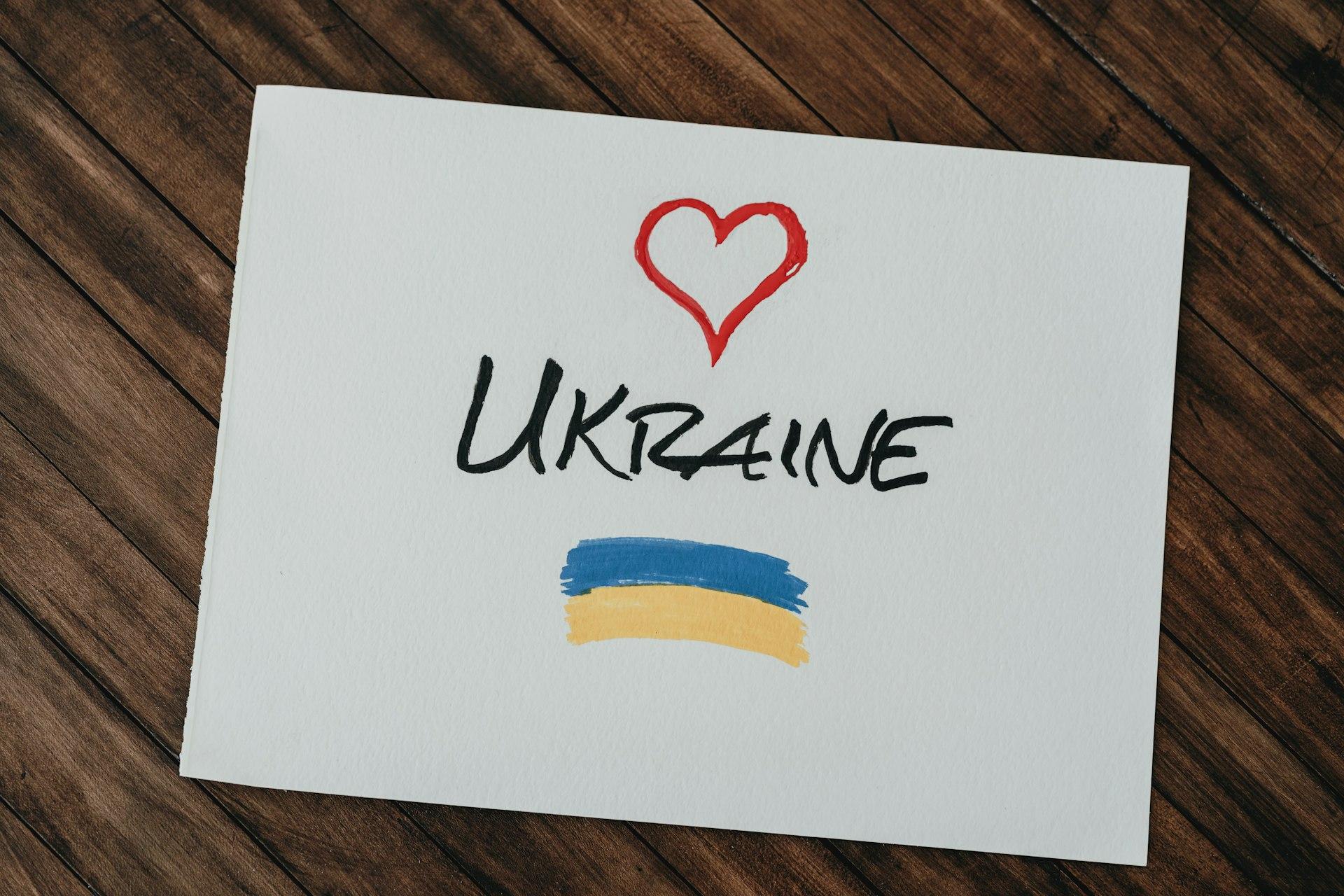
Photo by Clay Banks on Unsplash
Ukraine: Eastern Europe's Largest Country by Land Area
Ukraine covers 603,550 sq km, making it the largest country entirely within Europe. The Carpathian Mountains rise in the west, the Dnipro River bisects the country north to south, and 2,782 km of coastline once lined the Black Sea and Sea of Azov. Travelers come for medieval churches, Soviet-era architecture, fertile lowland plains, and a cultural scene rooted in folk art, literature, and music that dates to the Kyivan Rus period of the 9th century.
Cities Worth Exploring
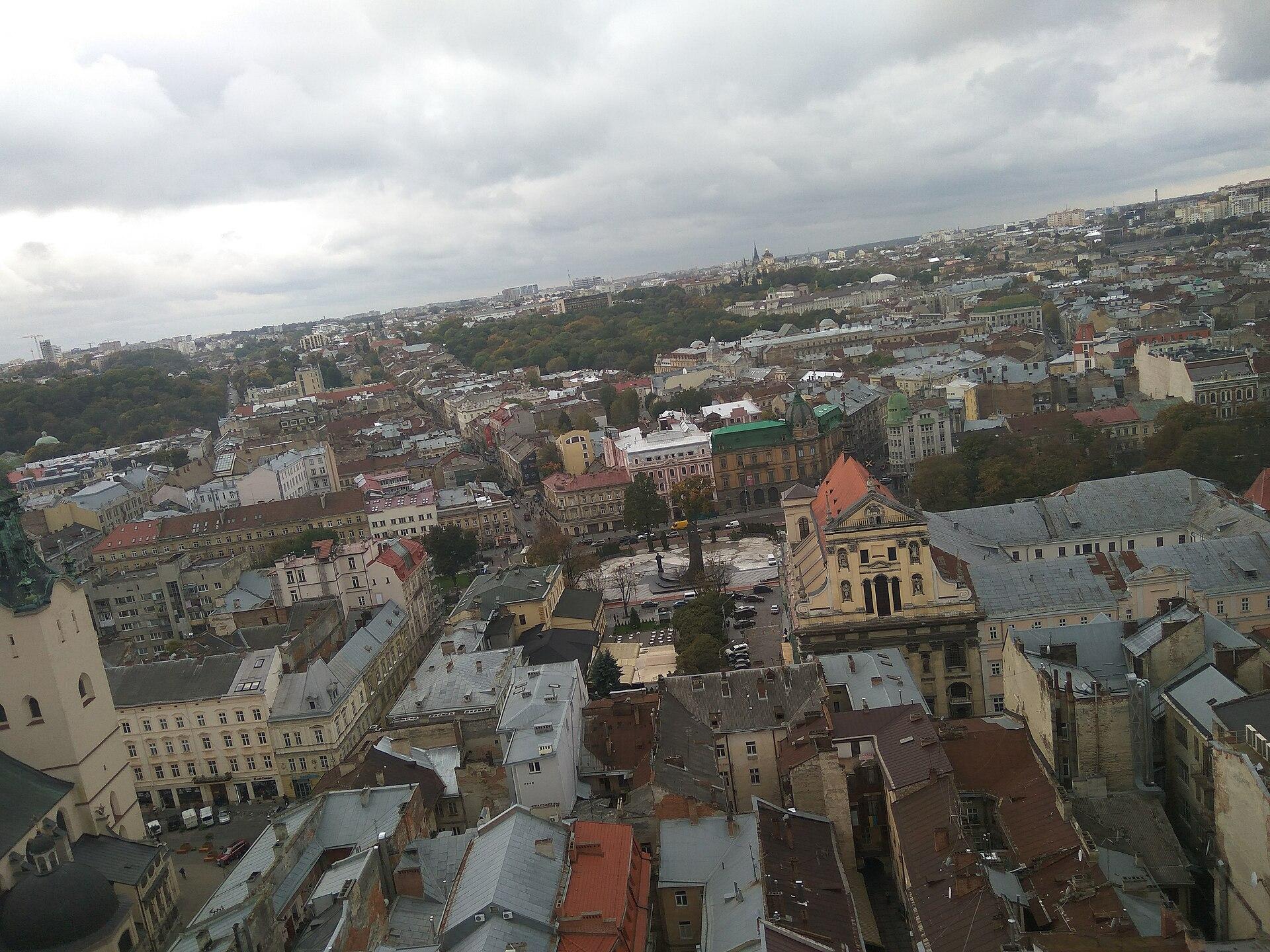
Lviv, in the western Galicia region 540 km from Kyiv, preserves a UNESCO-listed old town of Renaissance and Baroque buildings, coffeehouses in cellars, and Armenian, Latin, and Orthodox churches within walking distance of each other. The city sits 296 km from the Polish border at Medyka and functions as the main western entry point for overland travelers.
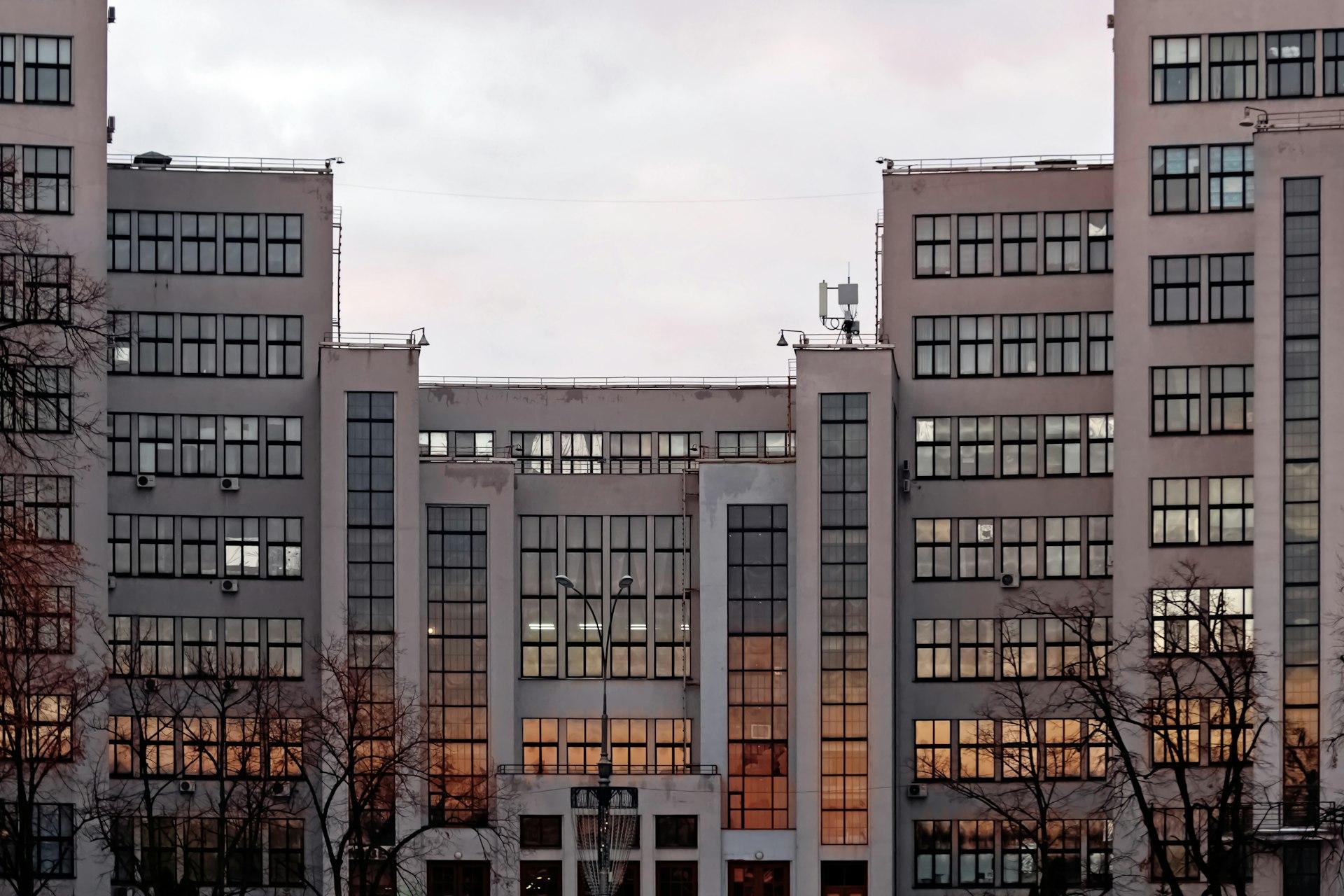
Kyiv, the capital on the western bank of the Dnipro, anchors the hotel market and holds the 11th-century Saint Sophia Cathedral, a UNESCO World Heritage Site. The Pechersk Lavra monastery complex occupies a forested bluff above the river and draws visitors year-round. Kharkiv, 480 km east of Kyiv, is Ukraine's second-largest city and a significant rail hub.
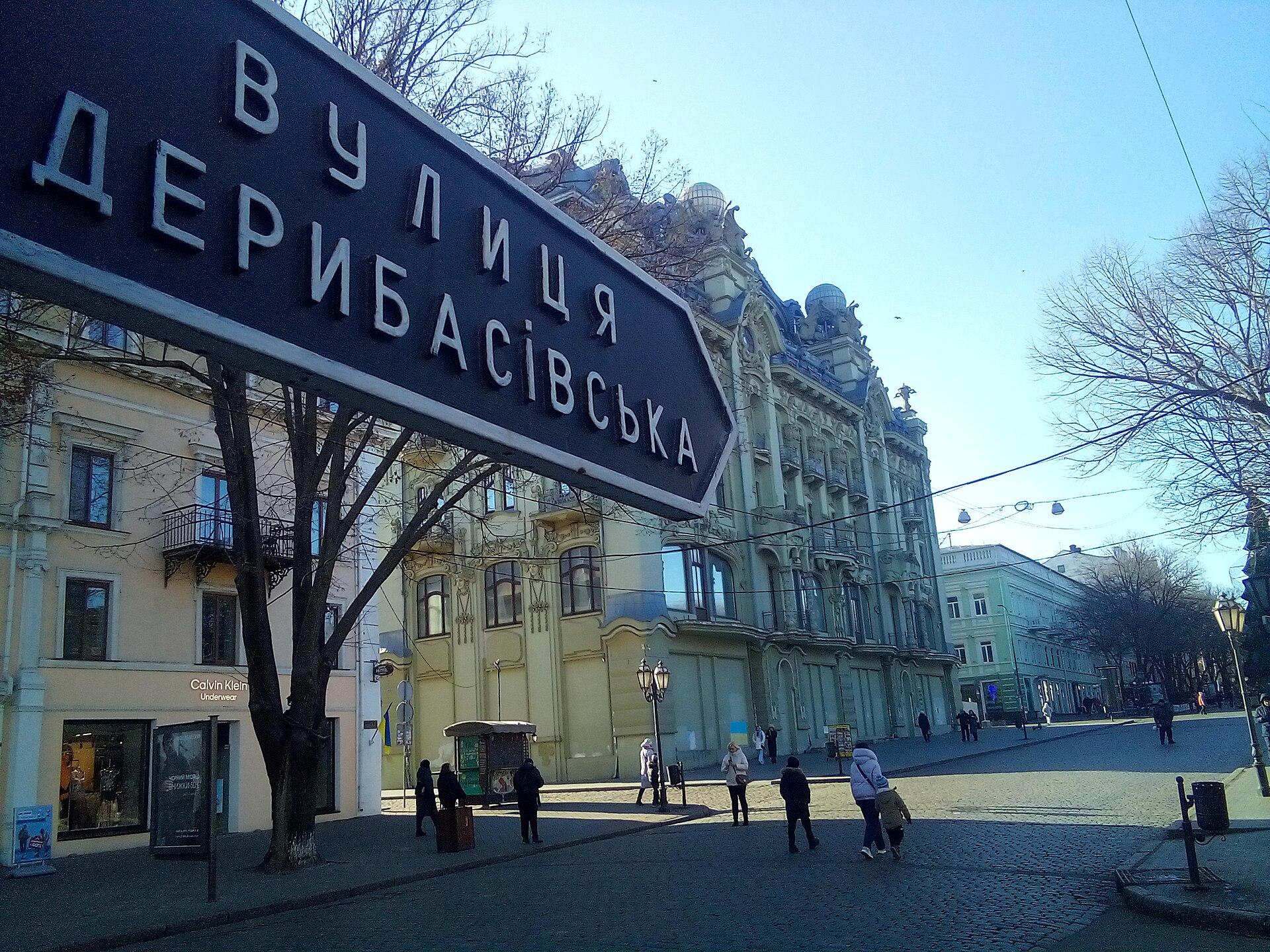
Odesa, on the Black Sea coast 475 km south of Kyiv, is known for the Potemkin Stairs (192 steps built in 1841) and a neoclassical opera house completed in 1887. The city's Moldavanka and Peresyp neighborhoods reveal layered 19th- and 20th-century urban history.
Regions and Landscapes
The Carpathians in Zakarpattia Oblast reach 2,061 m at Hoverla, Ukraine's highest peak. Skiing operates around Bukovel resort from December through March. The Podillia Plateau in the southwest contains the Kamianets-Podilskyi fortress, one of the best-preserved medieval castle complexes in Central Europe, located on a rocky island formed by a river bend. The Polissia wetlands in the north cover roughly 100,000 sq km of forest and bog shared with Belarus.
Practical Tips for Visiting Ukraine
- Entry requirements: Check current Foreign Ministry advisories before travel; the security situation varies significantly by oblast as of 2026.
- Currency: The hryvnia (UAH) is the national currency; ATMs are widely available in Lviv and other western cities.
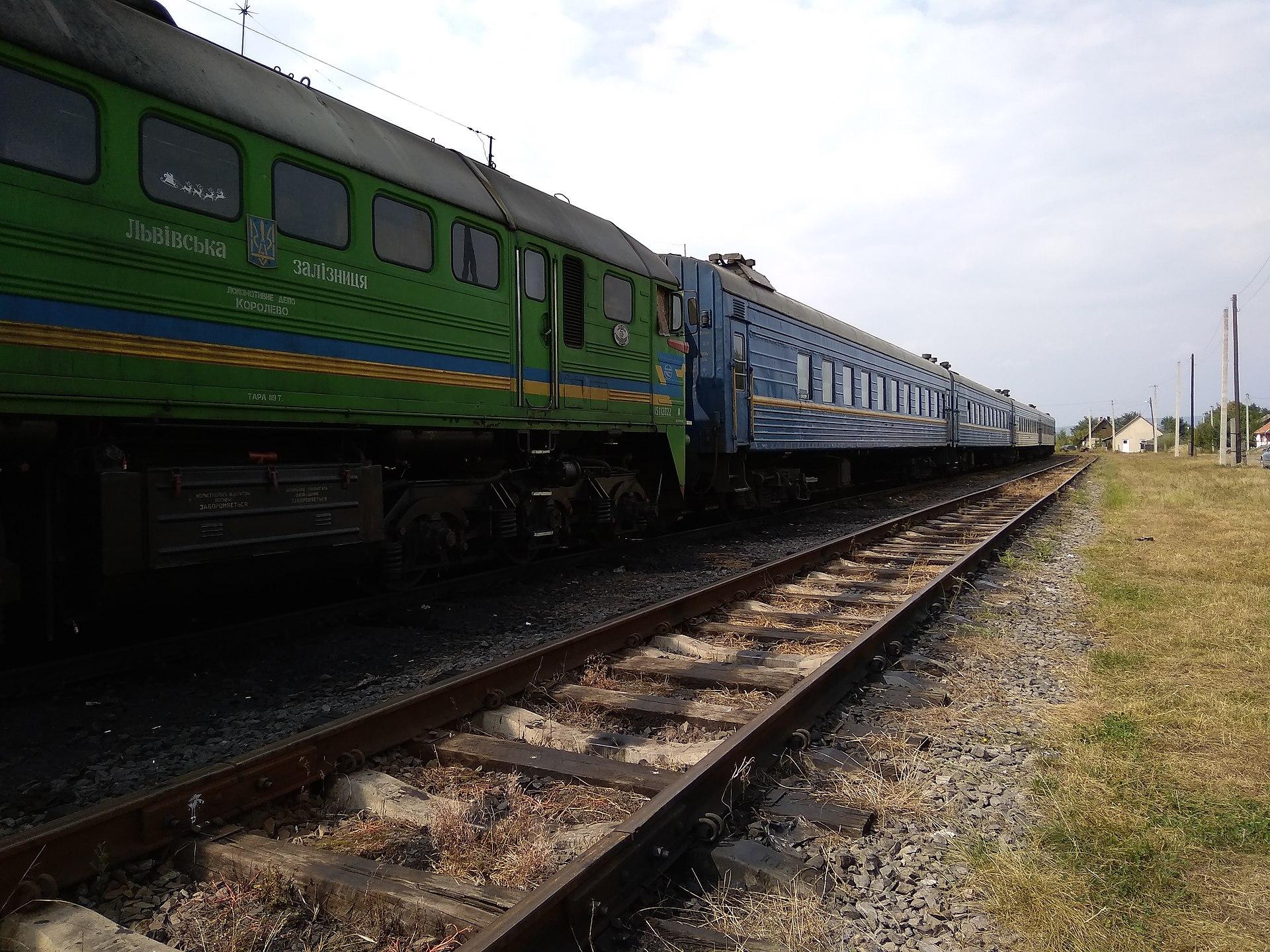
- Getting around: Lviv has direct rail connections to Przemyśl in Poland; intercity trains link western Ukrainian cities on schedules operated by Ukrzaliznytsia.
- Best season: May–June and September–October offer mild temperatures in the Carpathians and western lowlands; winter brings reliable snow at Bukovel above 900 m elevation.
- Language: Ukrainian is the official language; Polish is widely understood in Lviv; English signage is common in hotels and central tourist zones.
Frequently Asked Questions
Q: Which Ukrainian city has the most hotel options for western visitors? A: Lviv currently concentrates the largest share of operational hotels accessible to international travelers. The city's old town holds boutique properties in restored 16th–19th-century buildings within 500 m of the central Rynok Square.
Q: Is the Carpathian ski season reliable at Bukovel? A: Bukovel resort operates lifts from roughly December through early March at elevations between 920 m and 1,372 m. Snowfall is generally consistent, though lower slopes can be thin in mild years.
Q: What is the best way to reach Lviv from Poland? A: Direct trains run from Przemyśl Główny station in Poland to Lviv in approximately 1 hour 20 minutes. Several daily services operate on this cross-border route.
Q: What currency should travelers bring to Ukraine? A: The hryvnia (UAH) is the standard currency. Euro and US dollar exchange is available at banks and licensed exchange offices in Lviv; card payments are accepted in most hotels and larger restaurants.