Hotels in United Arab Emirates
7 cities · 25 hotels
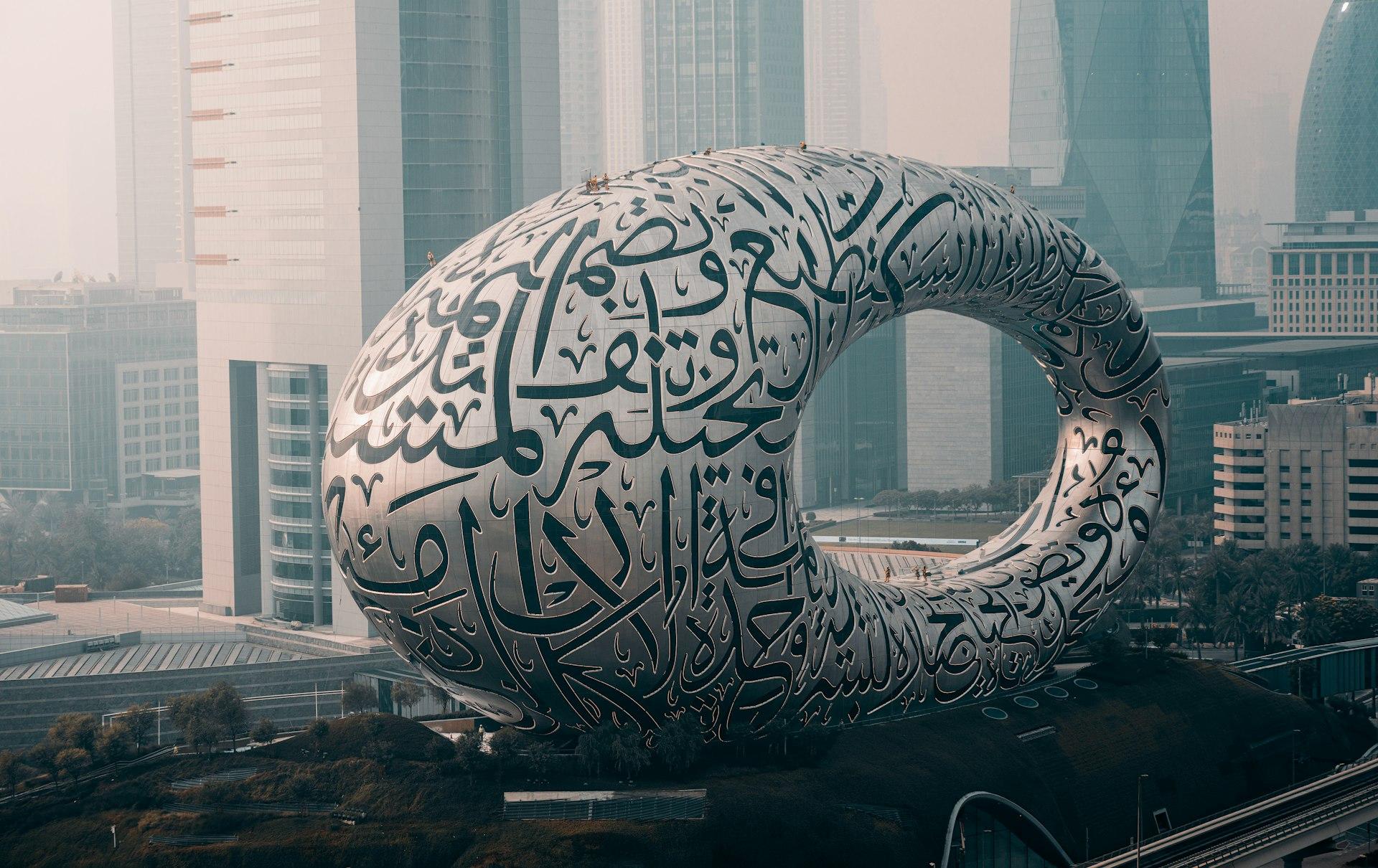
Photo by Saj Shafique on Unsplash
United Arab Emirates: Seven Emirates, One Crossroads
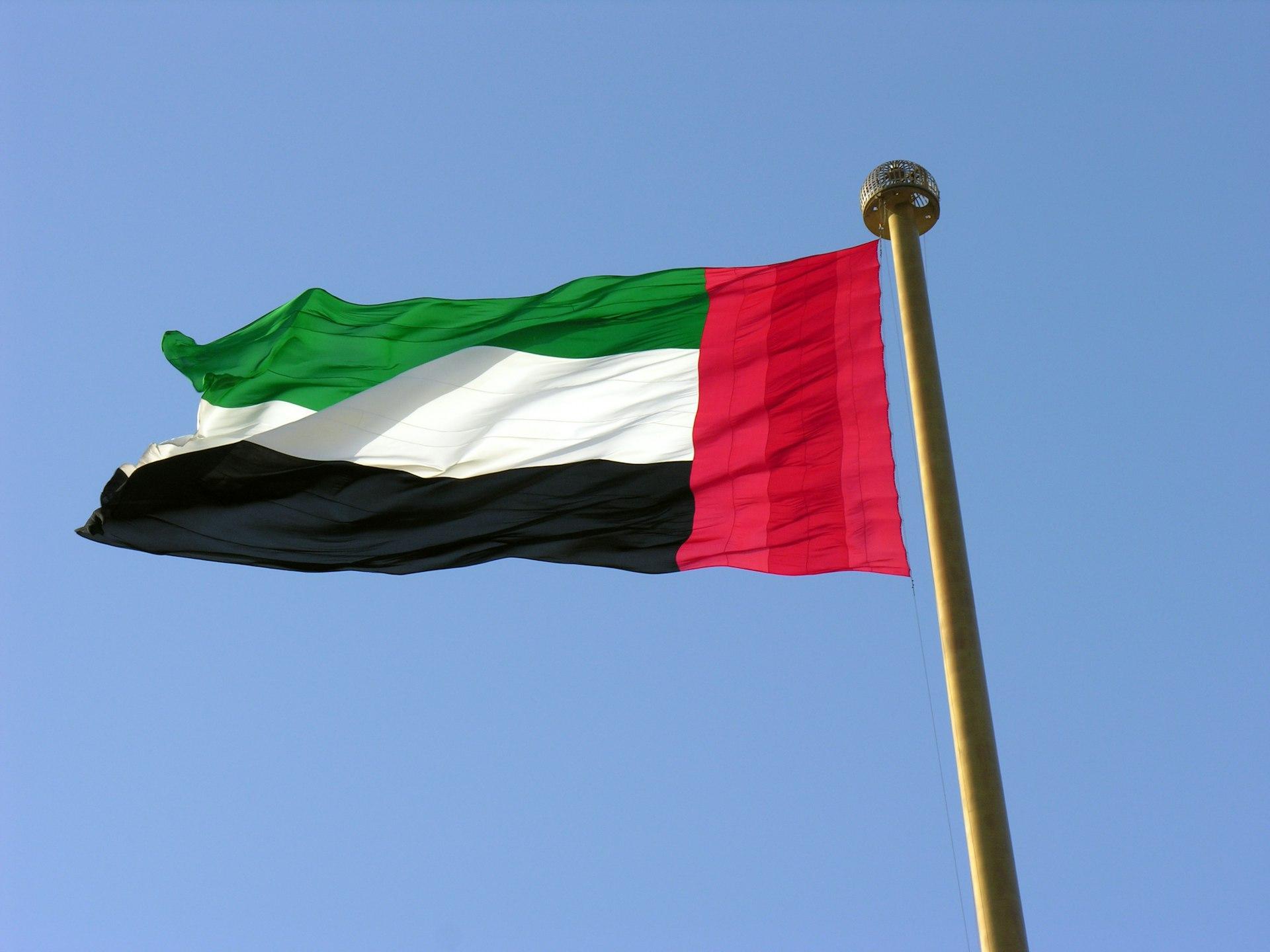
The United Arab Emirates occupies 83,600 sq km at the southeastern tip of the Arabian Peninsula, bordering Saudi Arabia to the west and Oman to the east. Formed in 1971 from a federation of seven emirates, the country has grown into one of the most visited destinations in the Middle East, receiving over 22 million international overnight visitors in 2023. Four emirate capitals — Abu Dhabi, Dubai, Sharjah, and Ras Al Khaimah — anchor the hotel network and together host more than 150,000 licensed rooms.
Cities Worth Exploring
Dubai draws the largest share of visitors. The Burj Khalifa, at 828 m the tallest structure on earth, rises above Downtown Dubai, while the Dubai Marina district strings 3.5 km of waterfront promenades between high-rise residential towers and a working yacht harbour. Deira, the city's historic commercial core north of Dubai Creek, still operates the Gold Souk and Spice Souk that predate the modern skyline by decades.
Abu Dhabi, the federal capital, sits roughly 140 km southwest of Dubai along the E11 highway. The Sheikh Zayed Grand Mosque — completed in 2007, capacity 40,000 worshippers — anchors the city's identity. Saadiyat Island, 500 m off the Abu Dhabi coast, hosts the Louvre Abu Dhabi (opened November 2017) and the under-construction Guggenheim Abu Dhabi.
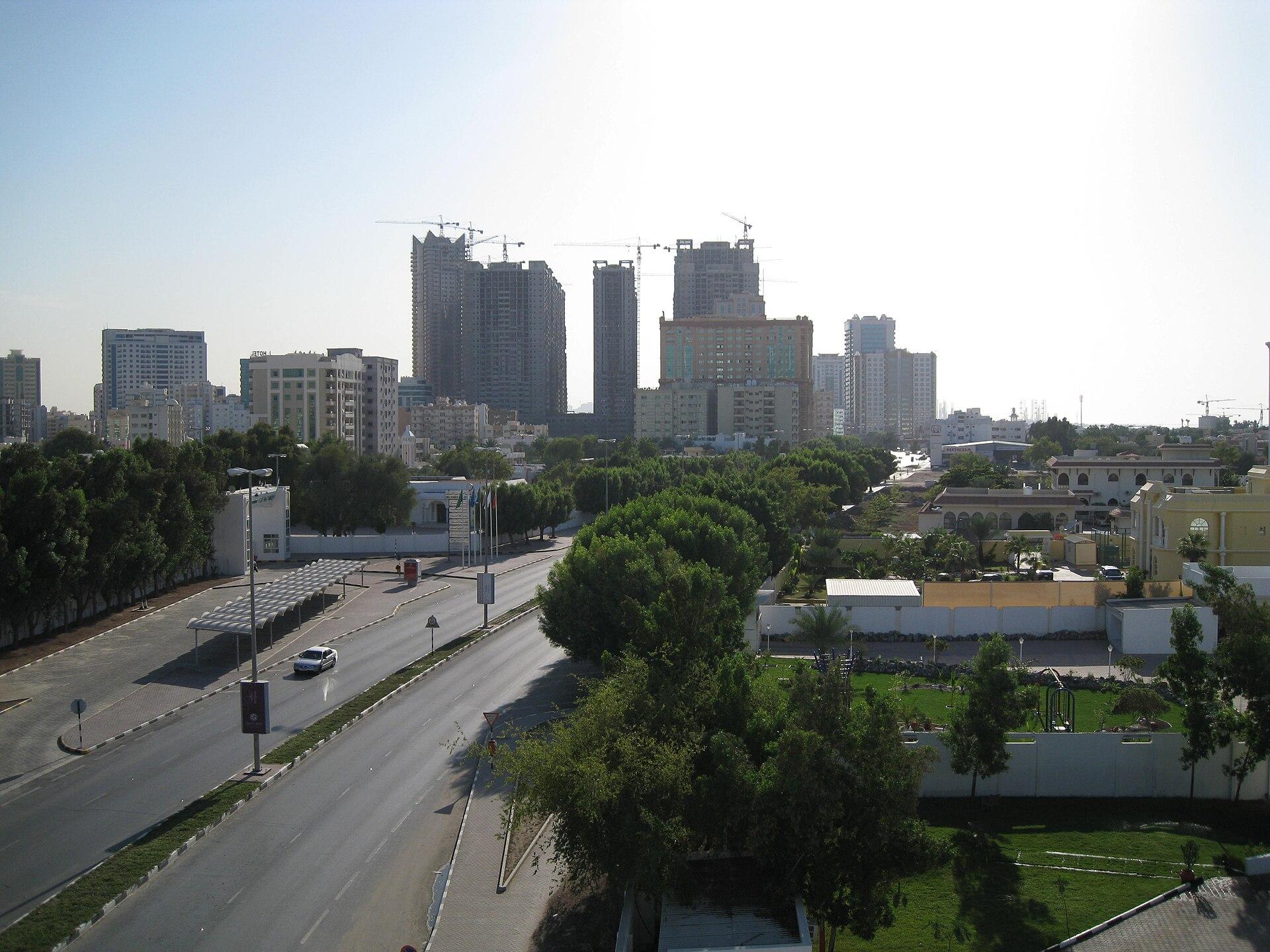
Sharjah, contiguous with Dubai across Al Ittihad Road, holds UNESCO Creative City of Design status since 2015. Ras Al Khaimah, the northernmost emirate, centres on Jebel Jais, the UAE's highest peak at 1,934 m, which carries the world's longest zipline at 2.83 km.
Desert, Coast, and Mountains
The Rub' al Khali (Empty Quarter) extends into the southern UAE near Liwa Oasis, where dunes reach 300 m — among the tallest in the world. The Hajar Mountains run along the eastern border into the enclave of Fujairah, giving the UAE's only coastline on the Gulf of Oman rather than the Arabian Gulf. Fujairah's waters support reef diving in visibility that commonly exceeds 15 m from October through April.
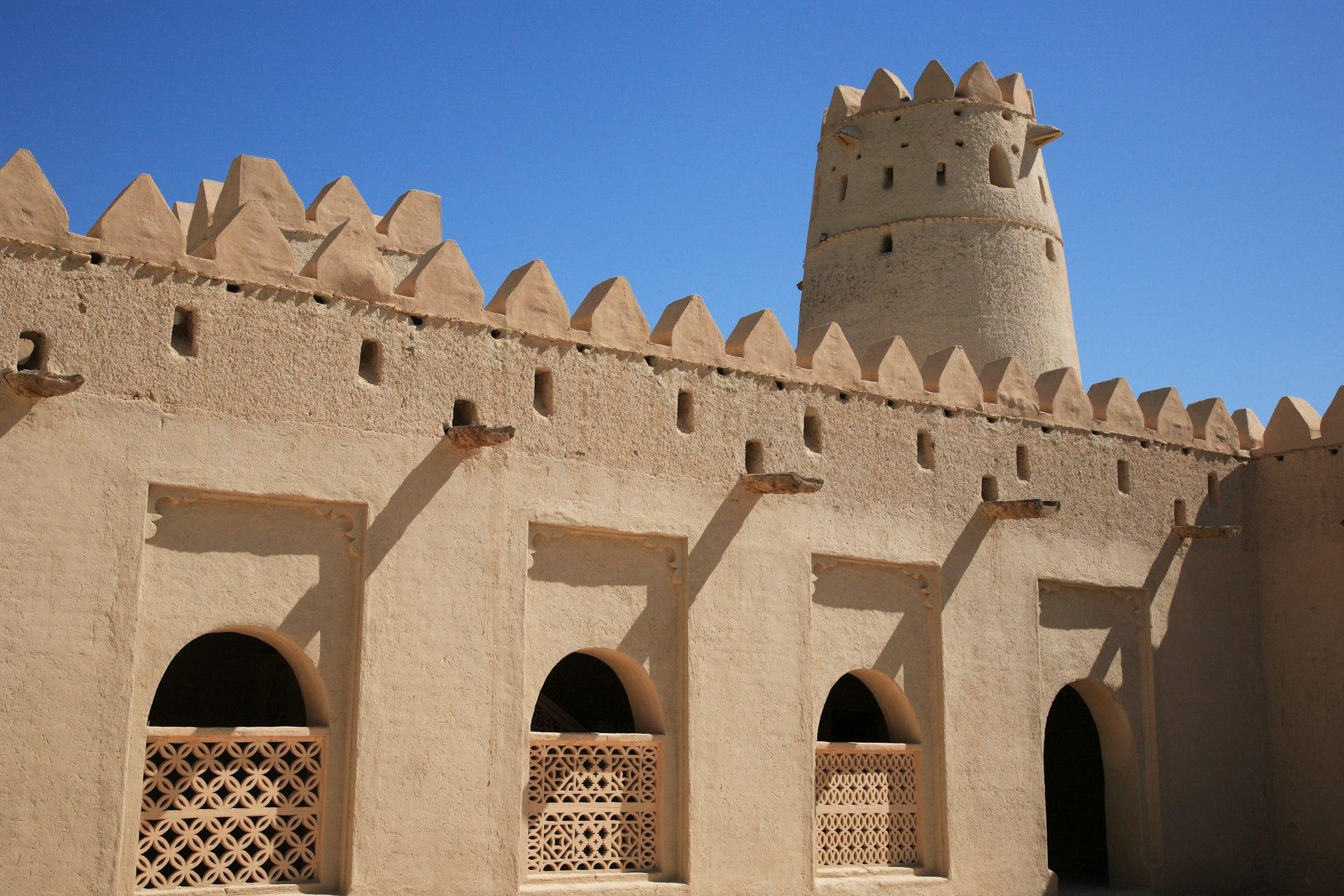
The inland oasis city of Al Ain, a UNESCO World Heritage Site since 2011, preserves four Iron Age falaj irrigation systems still in use and the Al Ain Oasis, a 1,200-hectare date-palm plantation within the city boundary.
Practical Tips for Visiting the UAE
- When to go: November through March delivers temperatures between 18 °C and 28 °C; July and August peak above 42 °C with high humidity along the coast.
- Getting around: The Dubai Metro Red Line connects Dubai International Airport to Dubai Marina in 35 minutes; Abu Dhabi has no metro — taxis and ride-hailing apps cover most routes.
- Currency: UAE Dirham (AED); pegged to USD at AED 3.67 = $1 since 1997.
- Dress code: Modest dress is required inside mosques and government buildings; beach attire stays on the beach.
- Alcohol: Served in licensed hotel restaurants and bars; not available in Sharjah.
- Book trains ahead: No intercity rail yet — the Etihad Rail freight network is expanding toward passenger service; the E11 highway bus connects Dubai and Abu Dhabi every 40 minutes.
Frequently Asked Questions
Q: Which emirate has the most hotels? A: Dubai leads with over 800 licensed hotels and hotel apartments as of 2024. Abu Dhabi ranks second with roughly 170 hotels concentrated on Corniche Road and Yas Island.
Q: Do visitors need a visa to enter the UAE? A: Citizens of approximately 50 countries, including EU member states, the UK, and the USA, receive a free 30-day visa on arrival. GCC nationals have open-border access. All other nationalities must apply for an e-visa before travel.
Q: What is the best base for visiting multiple emirates? A: Dubai sits within 90 minutes of Abu Dhabi, Sharjah, Ajman, and Fujairah by road, making it the most practical single base for multi-emirate travel.
Q: Is the UAE safe for solo female travelers? A: The UAE consistently ranks among the safest countries in the Middle East for solo travelers. Street harassment is rare; laws carry strict penalties, and police response times in urban areas average under 10 minutes.
Q: When does Ramadan fall and how does it affect travel? A: Ramadan follows the lunar calendar, shifting roughly 11 days earlier each year. Public eating, drinking, and smoking during daylight hours are prohibited by law for everyone; most hotel restaurants serve guests in screened areas throughout the day.