Hotels in Uruguay
5 cities · 19 hotels
Photo by Nigel SB Photography on Unsplash
Uruguay: South America's Compact Coast and Grassland Nation
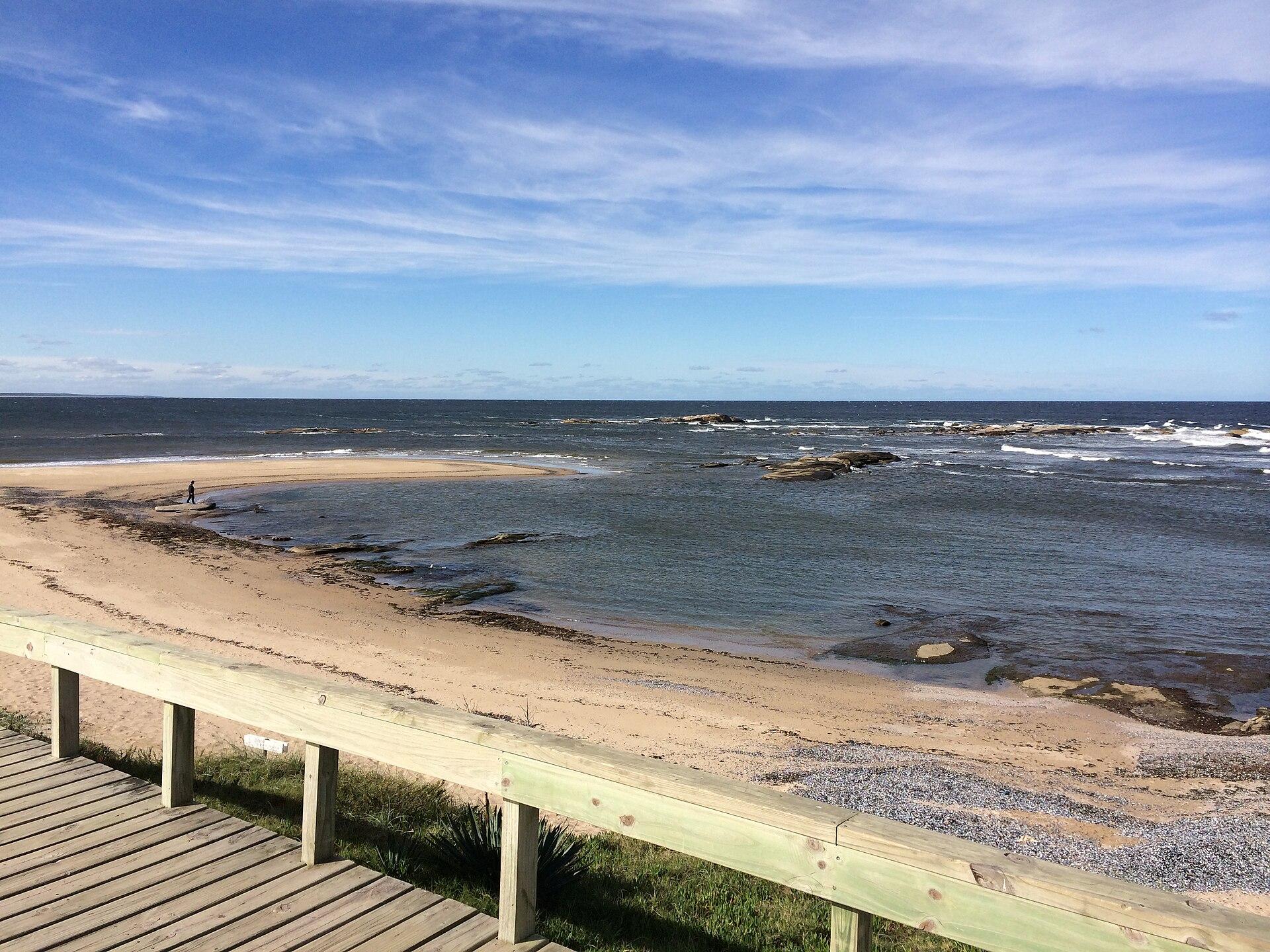
Uruguay occupies 176,000 km² between Brazil and Argentina, making it one of South America's smallest countries — and one of its most politically stable. Montevideo, the capital, sits on the Río de la Plata estuary and holds roughly half the national population. The country runs on beef, wine, and a long Atlantic shoreline that stretches approximately 660 km from Colonia del Sacramento in the west to the Brazilian border in the northeast.
Cities Worth Exploring
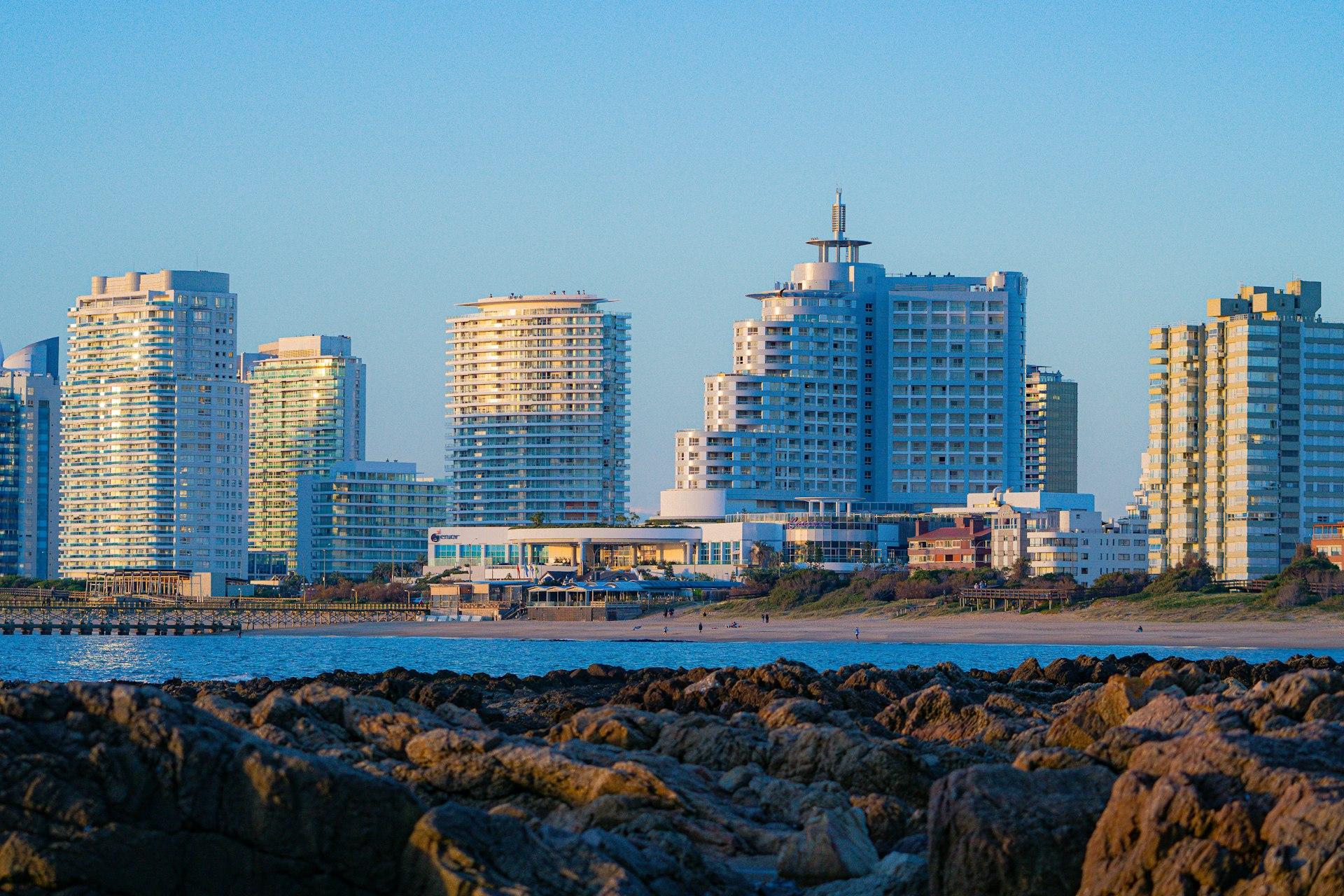
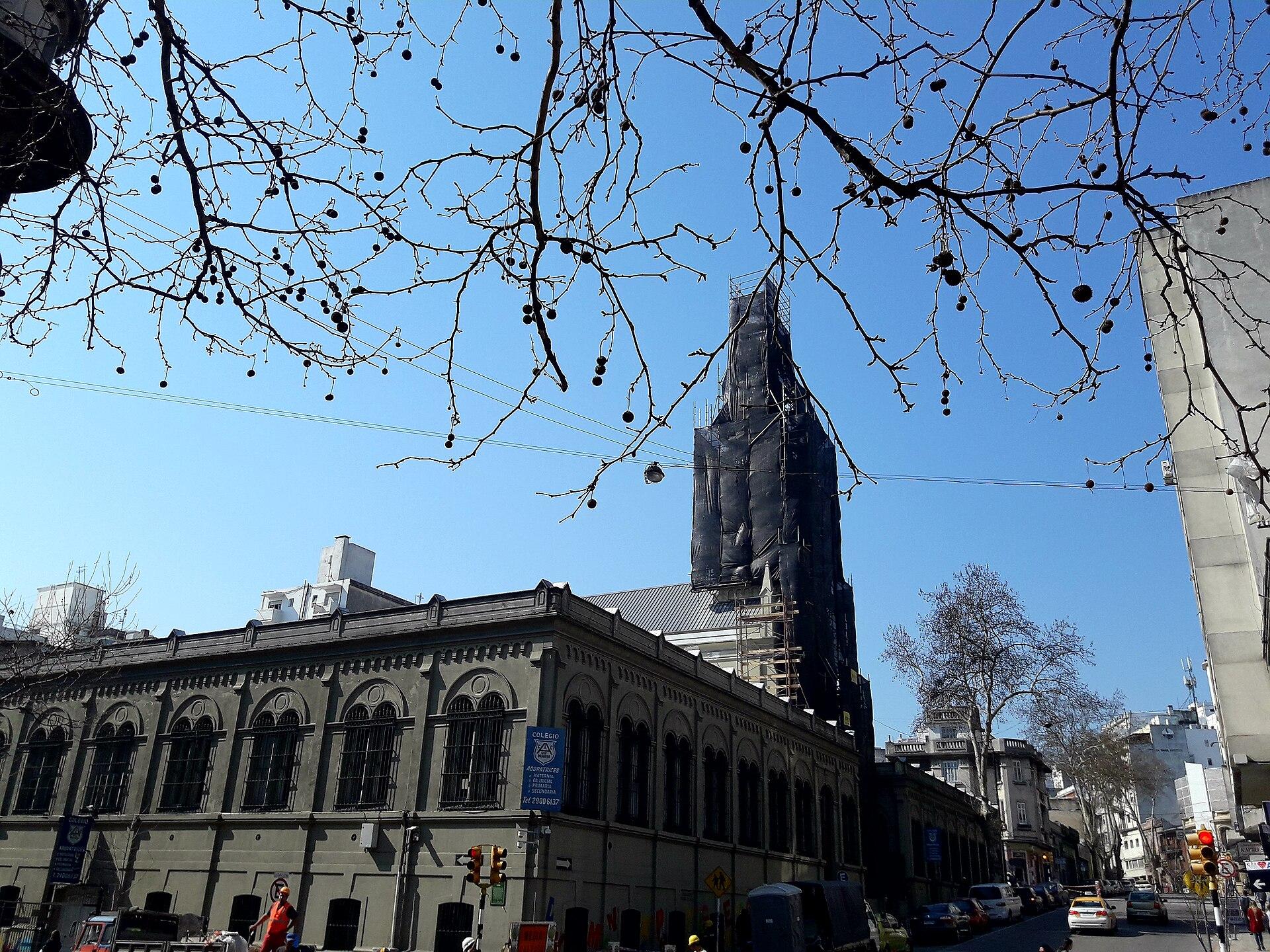
Montevideo anchors the country's hotel scene with properties spread across the Ciudad Vieja (Old City), Pocitos beach neighborhood, and the tree-lined Punta Carretas district. The Mercado del Puerto, a 19th-century iron market hall near the port, draws visitors for weekend asados and craft beer. Northeast along the coast, Punta del Este — 140 km from Montevideo — functions as South America's summer resort capital between December and February, when Argentine and Brazilian travelers fill its hotels and beach clubs. Colonia del Sacramento, a UNESCO World Heritage Portuguese-founded town dating to 1680, sits 180 km west of Montevideo and is reachable by ferry from Buenos Aires in roughly one hour.
The Interior and Wine Country
Beyond the coast, Uruguay's interior Pampas grasslands support cattle ranching and estancia tourism. The Canelones department, just north of Montevideo, produces roughly 60% of Uruguayan wine, with Tannat as the signature grape variety. Carmelo, on the Río Uruguay, draws wine-focused travelers to small family bodegas within day-trip distance of Colonia. The northern city of Rivera borders Brazil and offers a cross-border market experience unlike anything in the south.
When to Visit Uruguay
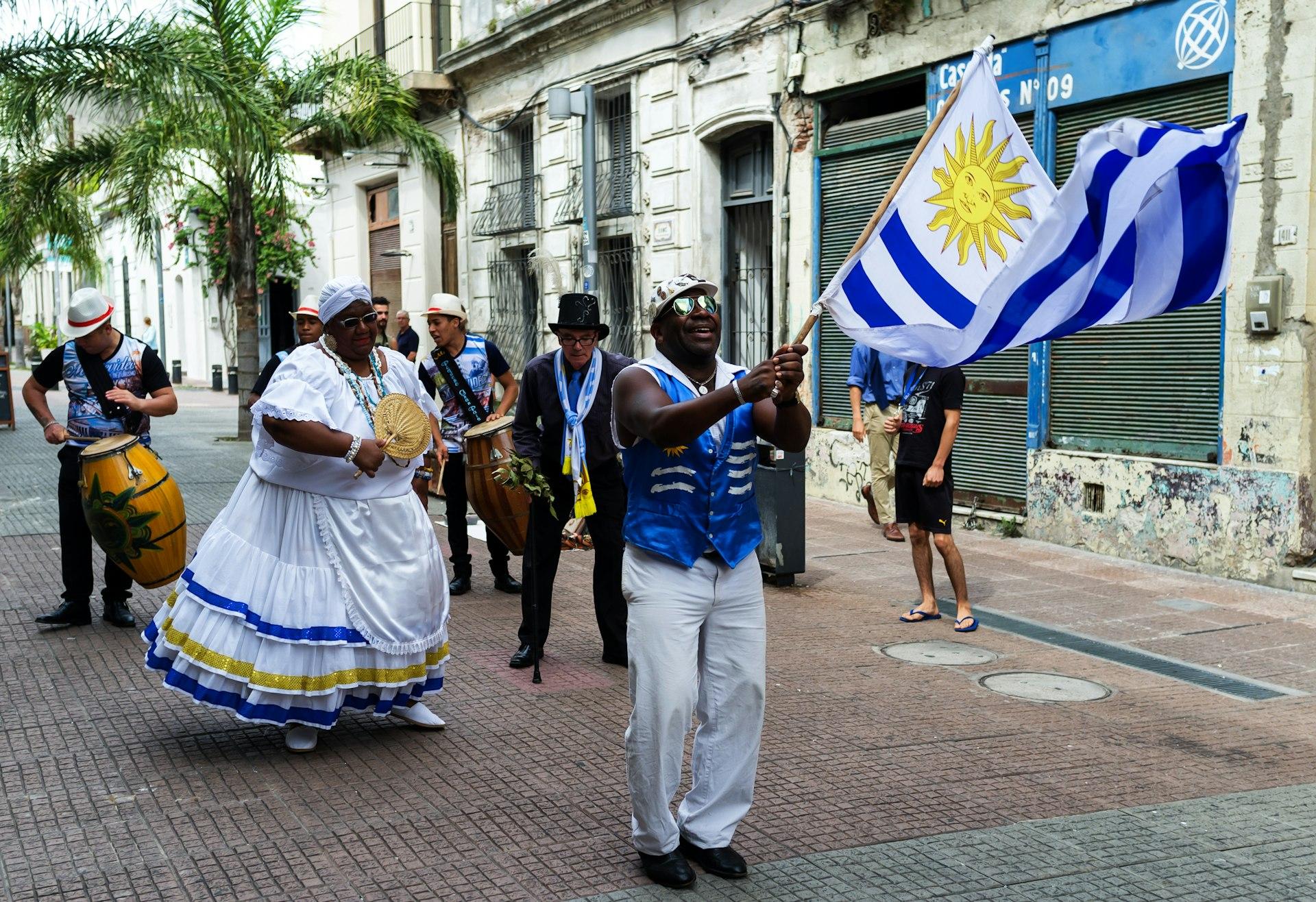
Summer (December–February) is peak season along the coast, with beach resorts at full capacity and hotel rates at their highest. Punta del Este in January hosts some of the continent's largest beach events. Spring (September–November) and autumn (March–May) offer milder temperatures, fewer crowds, and lower accommodation rates — ideal for Montevideo sightseeing and wine-region touring. The Carnaval celebrations in Montevideo, held in February, run longer than any other carnival in the world at roughly 40 days, centered on candombe drumming and murga street theater.
Practical Tips for Visiting Uruguay
- Currency: The Uruguayan peso (UYU) is the official currency; US dollars are widely accepted in tourist areas.
- Getting around: Buses connect major cities reliably; the Montevideo–Punta del Este route runs every 30 minutes during summer.
- Entry: Citizens of the EU, USA, Canada, and most of Latin America enter visa-free for up to 90 days.
- Language: Spanish is the only official language; English is spoken in major hotels and Punta del Este resort areas.
- Packing: Pack a light layer even in summer — Río de la Plata winds make Montevideo evenings cooler than expected.
- Dining: Restaurants rarely open for dinner before 8 pm; peak local dining time runs 9–11 pm.
Frequently Asked Questions
Q: What is the best base for first-time visitors to Uruguay? A: Montevideo suits most first-time visitors, offering the widest hotel selection, direct international flights, and day-trip access to Colonia del Sacramento and the wine regions of Canelones. Travelers focused on beach holidays may prefer a Punta del Este base between December and February.
Q: How far is Punta del Este from Montevideo? A: Punta del Este is approximately 140 km east of Montevideo. Bus journeys take roughly 2 hours; private transfers run around 90 minutes depending on traffic.
Q: Is Colonia del Sacramento worth visiting as a day trip? A: Yes. The UNESCO-listed historic quarter covers a compact area walkable in 2–3 hours, and the ferry from Buenos Aires docks directly in the old port. Staying overnight allows visitors to see the Portuguese lighthouse and cobblestone streets without the midday tour-group crowds.
Q: When does Montevideo's Carnaval take place? A: Montevideo's Carnaval runs for approximately 40 days between late January and early March, making it the world's longest carnival by duration. Candombe drum parades and murga performances take place across Ciudad Vieja and surrounding barrios.
Q: What grape variety is Uruguay known for? A: Tannat, a thick-skinned red grape originating in southwest France, is Uruguay's signature variety. The Canelones and Colonia departments produce the majority of bottlings, and many wineries offer tastings with advance booking.