Hotels in Venezuela
1 cities · 3 hotels
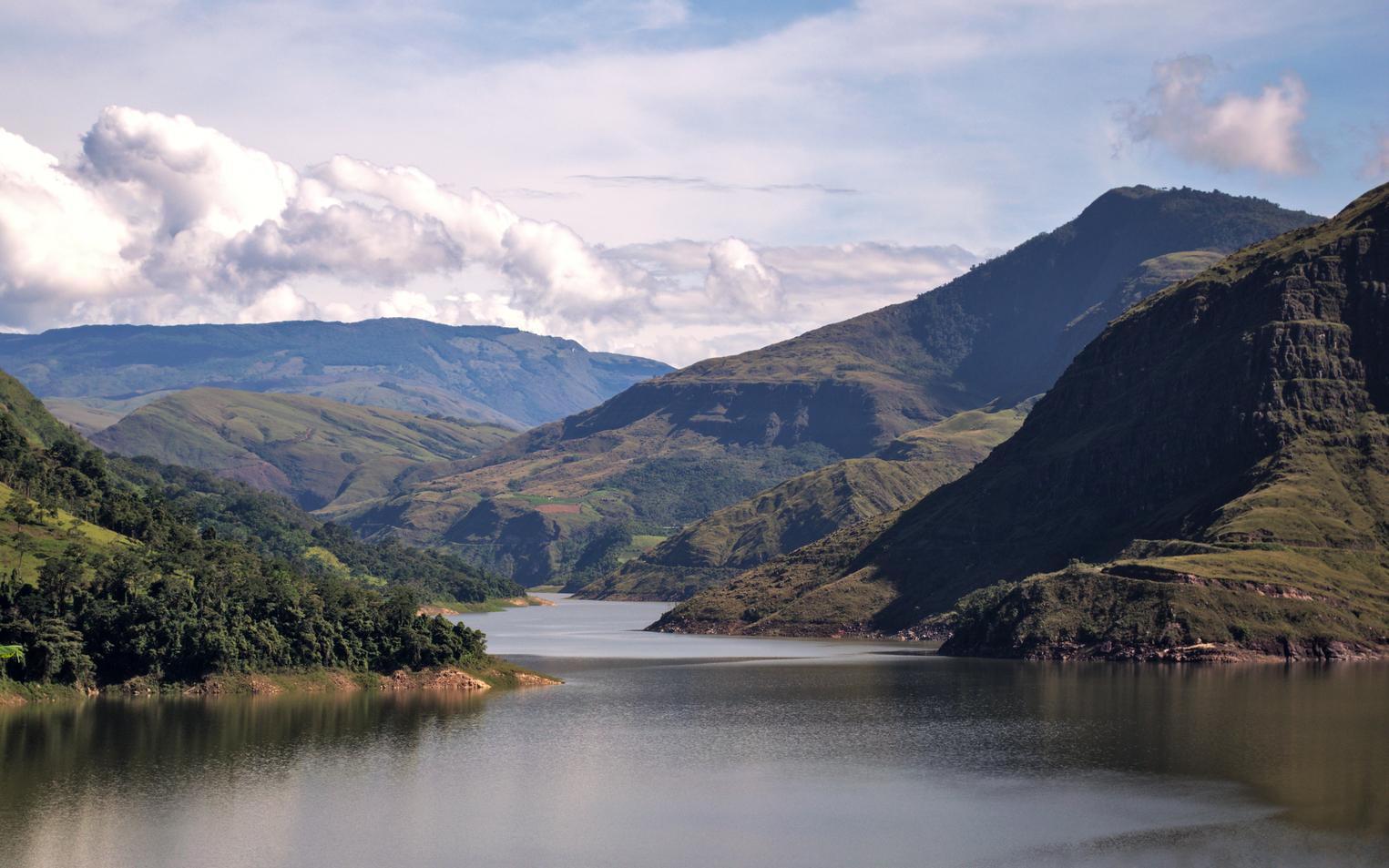
Photo by Wikimedia Commons on Unsplash
Venezuela: Tepuis, Caribbean Coast, and Llanos Plains
Venezuela sits at the northern tip of South America, bordering the Caribbean Sea to the north and sharing frontiers with Colombia, Brazil, and Guyana. The country spans roughly 916,445 km², placing it among the continent's larger nations. Caracas, the capital, sits in a highland valley at approximately 900 m elevation, tempering the tropical heat that defines the coast below.
Cities Worth Exploring
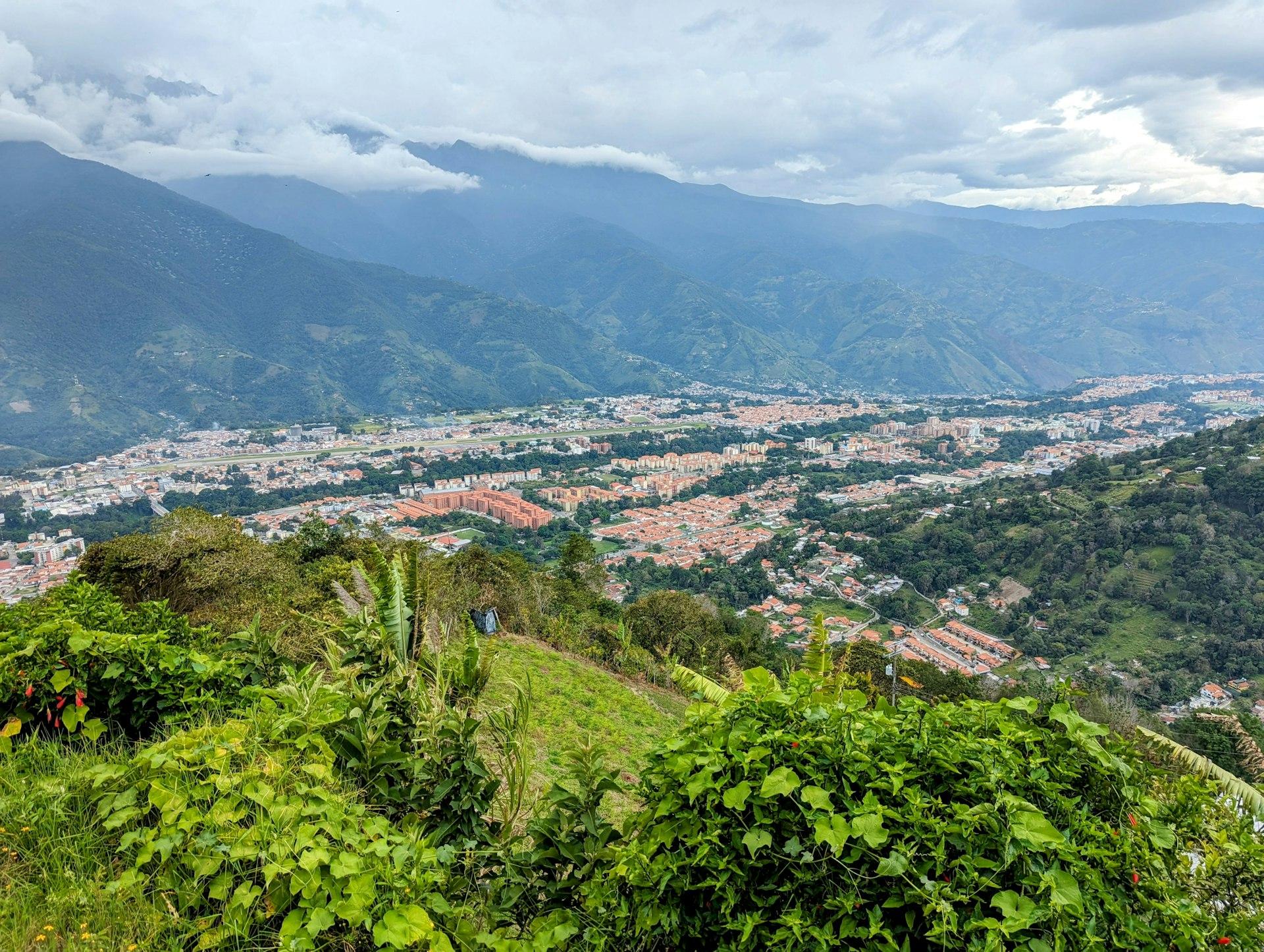
Caracas anchors the country's hotel infrastructure, with the Altamira and Las Mercedes districts offering most mid-range and upscale properties. East of Caracas, the colonial city of Cumaná — founded in 1515 and often cited as the oldest continuously inhabited European settlement in South America — serves as a gateway to the Araya Peninsula and Cueva del Guácharo national park. Further west, Mérida stands at 1,630 m in the Andes foothills and is the base for trekking toward Pico Bolívar (4,978 m), Venezuela's highest peak. The petroleum city of Maracaibo, beside Lake Maracaibo, draws business travelers and sits close to the Catatumbo lightning phenomenon, which fires nearly 300 nights a year.
Regions and Natural Features
The Gran Sabana plateau in Bolívar State holds the country's most-photographed landscape: flat-topped tepui mountains rising abruptly from savannah. Auyán-tepui is the source of Salto Ángel (Angel Falls), the world's highest uninterrupted waterfall at 979 m — nearly 16 times the height of Niagara Falls. Access routes run through the town of Canaima, reachable by small aircraft from Ciudad Bolívar.
The Los Llanos plains, stretching across central Venezuela, host one of South America's densest concentrations of wildlife: capybaras, giant anteaters, caimans, and migratory birds in the millions. Cattle ranches (hatos) converted to eco-lodges — particularly around Apure State — provide overnight access to the floodplain ecosystem. On the Caribbean side, Los Roques Archipelago, 160 km north of Caracas, comprises 350 coral islands with water temperatures averaging 27 °C year-round.
When to Visit Venezuela
The dry season runs roughly December through April across most regions, making it the preferred window for visiting Angel Falls and trekking in the Andes. The Gran Sabana sees its heaviest rains May through November, which also swell the falls to their most dramatic volume — a trade-off travelers should weigh. Los Roques is accessible year-round, though July and August bring slightly calmer seas. The Caracas Carnival, held the weekend before Ash Wednesday, draws domestic travelers and fills city hotels quickly.
Practical Tips for Visiting Venezuela
- Currency: The bolívar is the official currency; US dollars and euros are widely accepted in tourist areas. Carry small denominations.
- Getting around: Domestic flights connect Caracas to Ciudad Bolívar, Mérida, and Maracaibo. Road travel between cities can be slow — allow extra time on mountain routes.
- Health: Yellow fever vaccination is recommended before entering the Gran Sabana and Llanos regions.
- Entry: Most nationalities require a visa obtained in advance. Confirm current requirements with the Venezuelan consulate at least six weeks before travel.
- Altitude: Mérida and the Andes routes exceed 1,500 m; allow one full day to acclimatize before strenuous activity.
Frequently Asked Questions
Q: What is the best base for visiting Angel Falls? A: Canaima village, in Bolívar State, is the standard departure point for Angel Falls tours. Most visitors fly into Canaima from Ciudad Bolívar and join multi-day river excursions.
Q: Which Venezuelan city has the most hotel options? A: Caracas carries the largest hotel inventory, concentrated in the Altamira, Chacao, and Las Mercedes districts. Mérida and Isla Margarita follow as secondary hotel hubs.
Q: Is Isla Margarita worth visiting? A: Isla Margarita, roughly 40 km off the northeastern coast, is Venezuela's main beach resort island. It has a well-developed hotel strip near Porlamar and duty-free shopping that draws regional visitors.
Q: How do travelers reach Los Roques? A: Charter flights from Caracas' Simón Bolívar International Airport reach Gran Roque airstrip in about 40 minutes. No ferry service operates regularly from the mainland.
Q: What wildlife can travelers see in Los Llanos? A: The Llanos floodplain supports capybaras, anacondas, caimans, giant anteaters, and over 300 bird species including scarlet ibis and jabiru storks. Peak wildlife density occurs during the dry season, January through March.