Hotels in Armenia
3 cities · 115 hotels
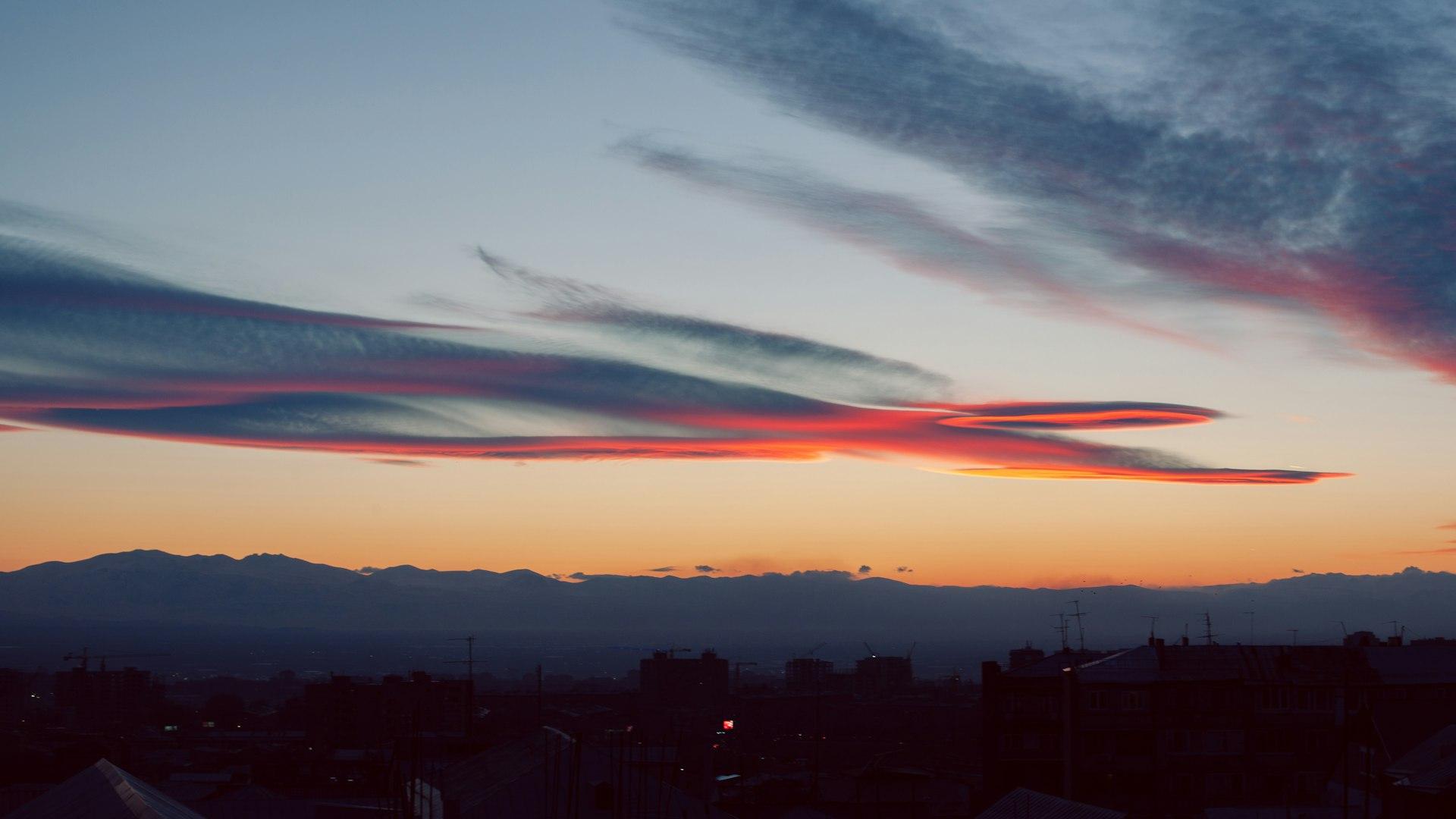
Photo by Nasser Ansari on Unsplash
Armenia: Ancient Crossroads of the South Caucasus
Armenia sits at the junction of Europe and Asia, landlocked between Georgia to the north, Azerbaijan to the east, Iran to the south, and Turkey to the west. The country covers 29,743 square kilometres — smaller than Belgium — yet packs in 4,000-year-old fortresses, medieval monasteries carved into cliff faces, and a volcanic highland that rises to Mount Aragats at 4,090 metres. Yerevan, the capital, has been continuously inhabited since 782 BC, making it one of the oldest cities on Earth still functioning as a national capital.
Cities Worth Exploring
Yerevan anchors the country's hotel supply and cultural life. The city's pink-tinted tuff-stone buildings cluster around Republic Square, a Soviet-era ensemble of museums and fountains that lights up nightly in summer. The Cascade stairway — 572 steps connecting the city centre to the hilltop Cafesjian sculpture garden — offers a clear sightline to Mount Ararat, the 5,165-metre dormant volcano that sits just across the Turkish border and dominates Armenian identity despite being outside the modern state. North of Yerevan, the town of Gyumri holds Armenia's second-largest hotel concentration and a well-preserved 19th-century merchant quarter rebuilt after the 1988 earthquake. Vanadzor, 120 km north of the capital via the M6 highway, serves as a base for gorge hiking in the Debed Canyon.
Regions and Landscapes
The Ararat Plain south of Yerevan produces the country's brandy grapes — Ararat brandy has been distilled continuously since 1887 — and frames the 5th-century Khor Virap monastery against the snowcapped volcano. The Gegharkunik region centres on Lake Sevan, a high-altitude freshwater lake at 1,900 metres covering 1,242 square kilometres; lakeside guesthouses and fish restaurants serving ishkhan (Sevan trout) fill up in July and August. In the north, Lori and Tavush provinces hold dense forest and the cliff-face monasteries of Haghpat and Sanahin, both UNESCO World Heritage Sites since 1996. The southern province of Syunik contains the 5th-century Tatev Monastery, reached via the Wings of Tatev aerial tramway — at 5.7 km, the longest reversible cable car in the world when it opened in 2010.
When to Visit Armenia
The window from late April through June offers mild temperatures (15–25 °C in Yerevan) and wildflower-covered hillsides. September and October bring grape harvest season, cooler mountain air, and clear skies for Ararat views. July and August are the hottest months in the capital (often above 35 °C) but ideal for Lake Sevan. Winter ski season at Tsaghkadzor, 50 km northeast of Yerevan, runs from December through March; the resort sits at 1,966 metres base elevation with runs up to 2,819 metres.
Practical Tips for Visiting Armenia
- Getting around: Marshrutka minibuses connect Yerevan to most provincial towns for under 1,000 AMD (roughly USD 2.50); taxis and ride-hailing apps cover the capital.
- Currency: The Armenian dram (AMD) is the sole legal tender; ATMs in Yerevan dispense dram reliably, less so in rural areas.
- Visa: Citizens of over 90 countries enter visa-free for stays up to 180 days; check the current list before travel.
- Altitude: Lake Sevan and mountain trails sit above 1,900 m — allow a day of acclimatisation before strenuous hiking.
- Language: Armenian (Eastern dialect) is official; Russian is widely understood in Yerevan; English is common in hotels and restaurants near Republic Square.
Frequently Asked Questions
Q: What is the best base city for hotels in Armenia? A: Yerevan holds the largest concentration of hotels, from budget guesthouses near Mashtots Avenue to 5-star properties on Northern Avenue. Most monasteries and natural sites are reachable as day trips within 150 km of the capital.
Q: Is Armenia safe for travellers? A: Armenia ranks among the lower-crime countries in the region; street crime in Yerevan is uncommon. Visitors should monitor advisories regarding the border areas with Azerbaijan, particularly near Syunik province.
Q: What currency and budget should travellers expect? A: The Armenian dram (AMD) trades at approximately 390–400 AMD per USD (2025 rates). Mid-range hotels in Yerevan average USD 50–90 per night; guesthouses near Lake Sevan start around USD 25.
Q: Which UNESCO sites are in Armenia? A: Armenia has three UNESCO World Heritage Sites: the monasteries of Haghpat and Sanahin (1996), the Cathedral and Churches of Echmiatsin with Zvartnots (2000), and the monastery of Geghard with the Upper Azat Valley (2000).
Q: When does the Yerevan brandy festival take place? A: The ArArAt Brandy Festival and various wine-and-brandy events are held during harvest season, typically late September to early October, centred on the Yerevan wine corridor and the Ararat valley wineries.