Hotels in Azerbaijan
7 cities · 84 hotels
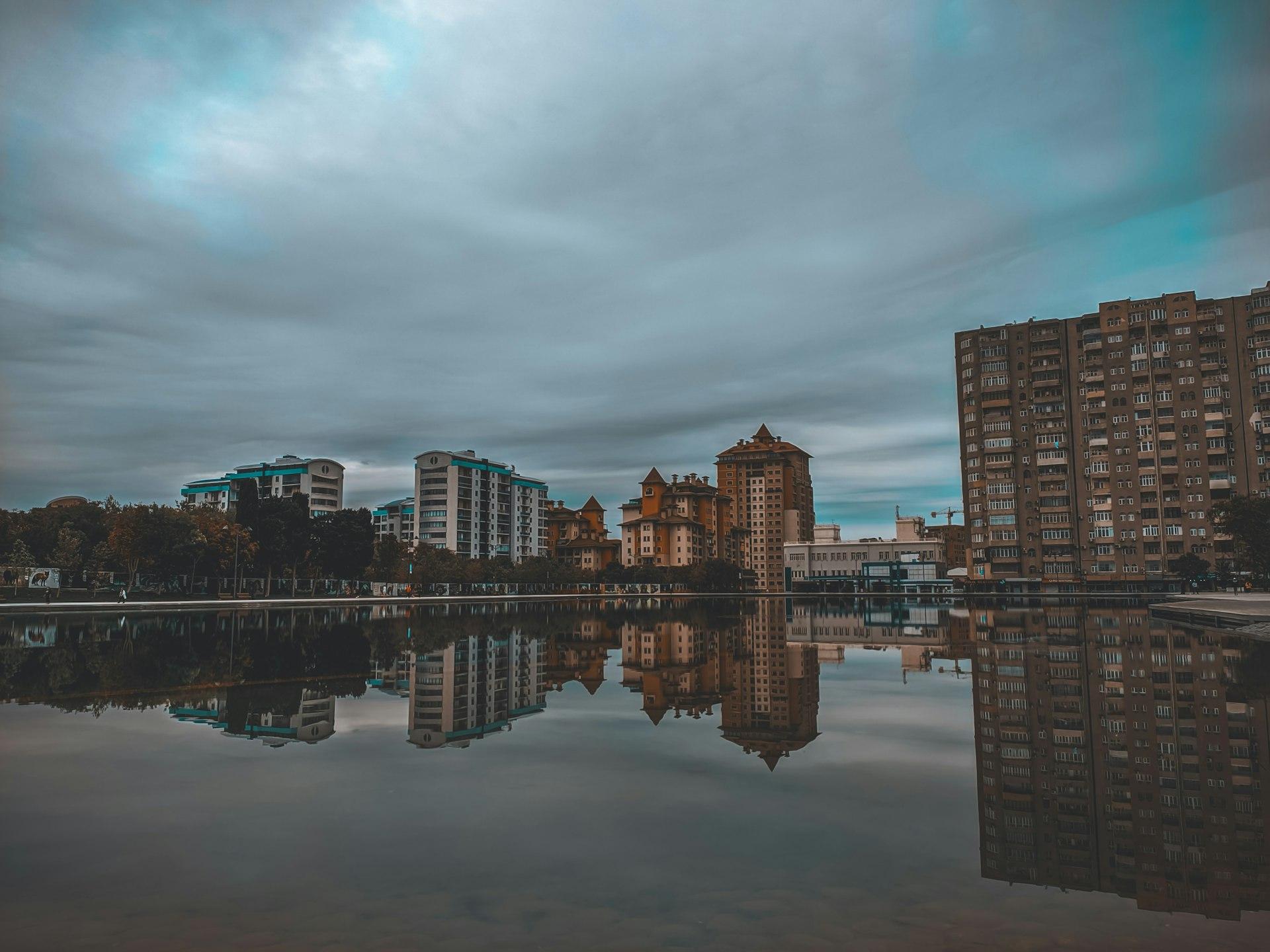
Photo by Zulfugar Karimov on Unsplash
Azerbaijan: Where the Caucasus Meets the Caspian
Azerbaijan sits at the crossroads of Eastern Europe and Western Asia, bordering the Caspian Sea to the east, Georgia and Russia to the north, and Iran to the south. The country covers 86,600 sq km and holds one of the world's oldest continuously inhabited capitals. Geographically, it ranges from the high ridges of the Greater Caucasus — peaks above 4,400 m — to semi-arid lowlands near Baku that sit 28 m below sea level.
Cities Worth Exploring
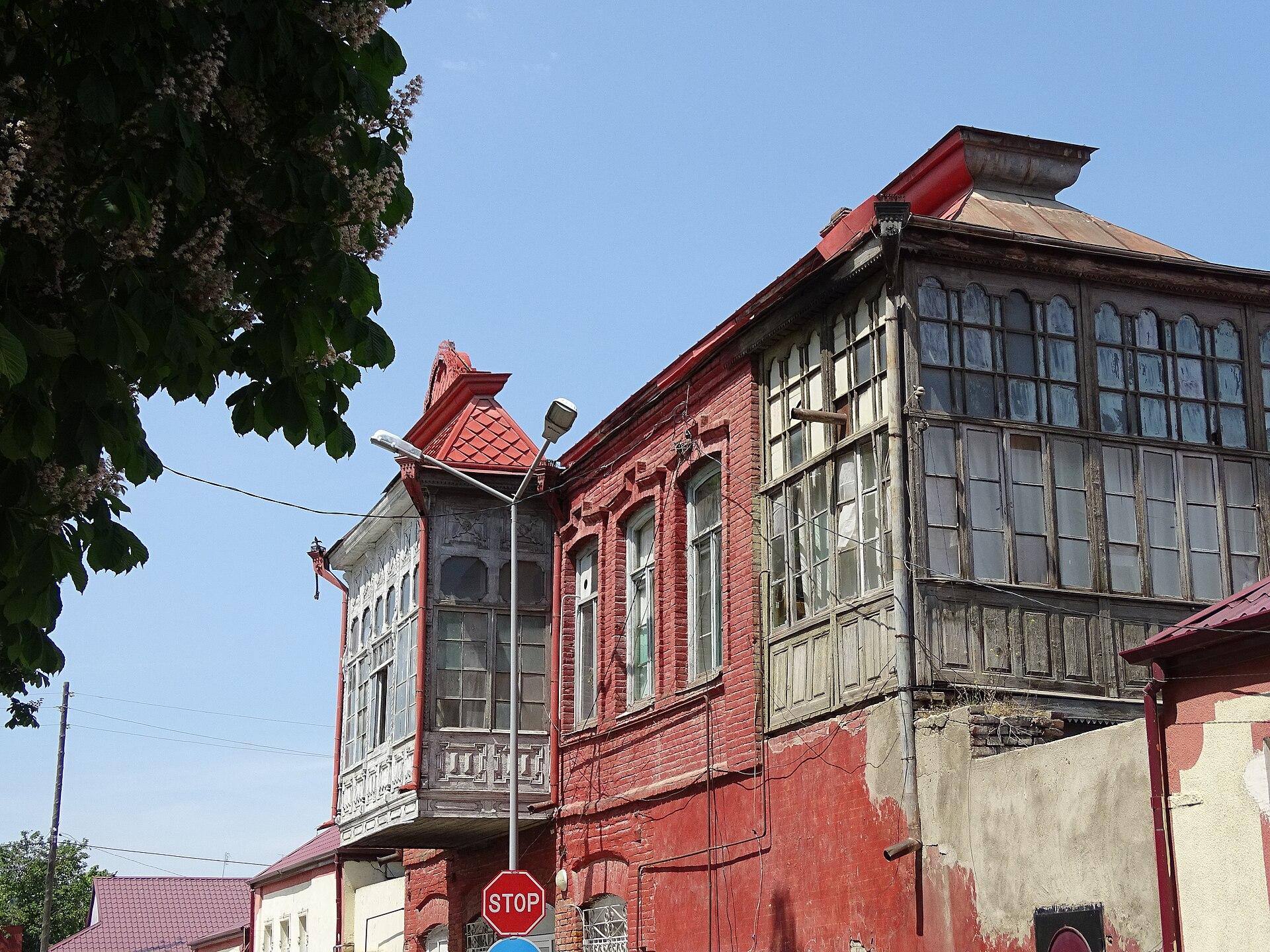
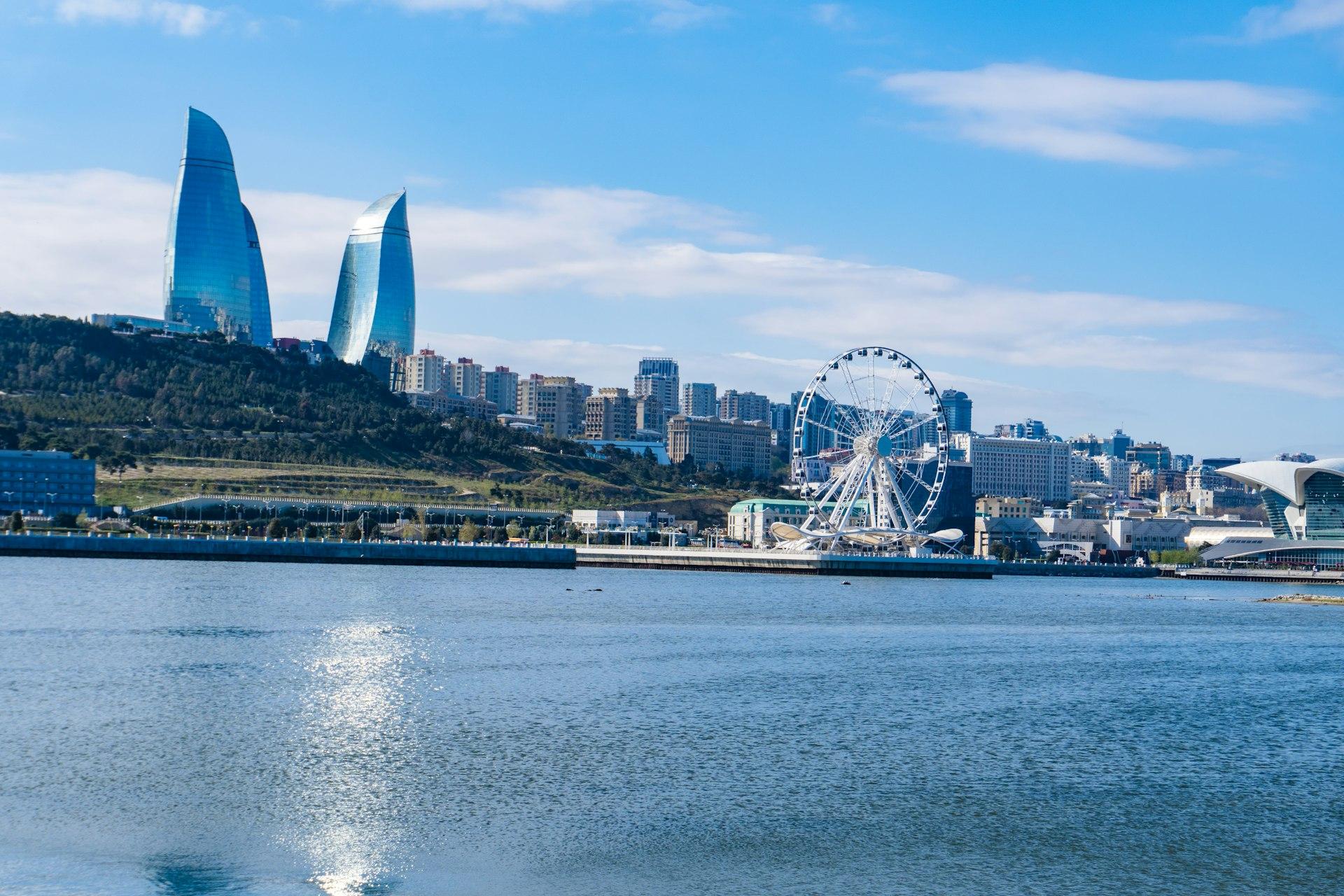
Baku, the capital, anchors travel in Azerbaijan. Its Icherisheher (Old City) is a UNESCO World Heritage Site containing the 12th-century Maiden Tower and the Palace of the Shirvanshahs. A 20-minute drive along the Baku Boulevard separates that medieval core from the flame-shaped Flame Towers that define the modern skyline. Ganja, Azerbaijan's second city at 500 km west of Baku, is the birthplace of the 12th-century poet Nizami Ganjavi and holds a growing hotel supply for visitors following the literary trail. Sheki, roughly 350 km northwest of the capital, is famous for the Khan's Palace (1762), with its intricate stained-glass shebeke windows — each pane assembled without glue or nails.
Regional Highlights
The Absheron Peninsula east of Baku is home to Ateshgah Fire Temple, a 17th–18th century Hindu and Zoroastrian pilgrimage site where natural gas once burned from the ground. Gobustan, 60 km south of Baku, preserves over 6,000 petroglyphs dating back 40,000 years alongside active mud volcanoes. In the north, the Quba district supplies the country with apples and pomegranates and neighbors Khinalig, one of Europe's highest permanently inhabited villages at roughly 2,350 m. The wine-growing Ismayilli region produces dry reds from the Madrasa grape, a variety native to the southern slopes of the Caucasus.
When to Visit Azerbaijan
Spring (April–June) and autumn (September–October) offer the most reliable conditions. Baku averages 22 °C in May with low humidity. Summers reach 38 °C on the Absheron Peninsula and can feel oppressive near the city's concrete waterfront. Mountain areas like Gabala and the Lahij craft village stay cooler through July and August. The Novruz Bayrami spring festival (around 20–21 March) fills Baku with bonfires, baked pakhlava, and street performances — hotels book out early in that window.
Practical Tips for Visiting Azerbaijan
- Visas: Most nationalities obtain an e-Visa at evisa.gov.az; processing typically takes three business days.
- Currency: The Azerbaijani manat (AZN) is the only accepted tender; card acceptance is strong in Baku, limited in rural areas.
- Getting around: Baku's metro (two main lines) covers central districts; marshrutka minibuses link the capital to Sheki and Guba for under 10 AZN.
- Language: Azerbaijani is official; Russian remains widely spoken among older residents; English signage is common in Baku's hotel and restaurant districts.
- Dress: Pack layers even in summer — mountain excursions above 2,000 m require a warm jacket regardless of season.
- Photography: Permission is required at military sites and some government buildings; the Icherisheher walls are freely photographable.
Frequently Asked Questions
Q: What is the best base for first-time visitors to Azerbaijan? A: Baku serves as the primary hub, with the largest concentration of hotels, the international airport (GYD), and direct access to Gobustan and Ateshgah. Most international visitors spend three to four nights there before heading to the regions.
Q: Is Azerbaijan safe for solo travelers? A: The country ranks among the lower-crime destinations in the Caucasus. Street crime in Baku's tourist zones is rare, though travelers should keep standard precautions around busy markets like the Taza Bazaar.
Q: How many hotels does Azerbaijan have? A: The country's registered accommodation stock exceeded 800 properties by 2024, concentrated in Baku (roughly 60%) with growing supply in Ganja, Sheki, and Gabala.
Q: What currency should travelers carry outside Baku? A: Small-denomination Azerbaijani manats are essential in villages and mountain areas. ATMs are available in district towns like Quba and Sheki but may run out of cash during public holidays.
Q: Can visitors take a day trip from Baku to Gobustan? A: Yes. Gobustan National Park is 60 km south of central Baku; a taxi round trip costs approximately 40–60 AZN, and the drive takes about 70 minutes each way on the S15 highway.