Hotels in Bosnia and Herzegovina
4 cities · 299 hotels
Photo by Yu Siang Teo on Unsplash
Bosnia and Herzegovina: Crossroads of Empires and Landscapes
Bosnia and Herzegovina occupies the heart of the western Balkans, bordered by Croatia to the north and west, Serbia to the east, and Montenegro to the southeast. The country covers 51,197 km² and holds roughly 3.5 million people. Its geography ranges from the Dinaric Alps in the center and south — where peaks exceed 2,000 m — to the fertile Neretva River valley and a narrow 20 km Adriatic coastline near Neum. Four centuries of Ottoman rule followed by Austro-Hungarian administration left a layered architectural record that no neighboring country fully replicates.
Cities Worth Exploring
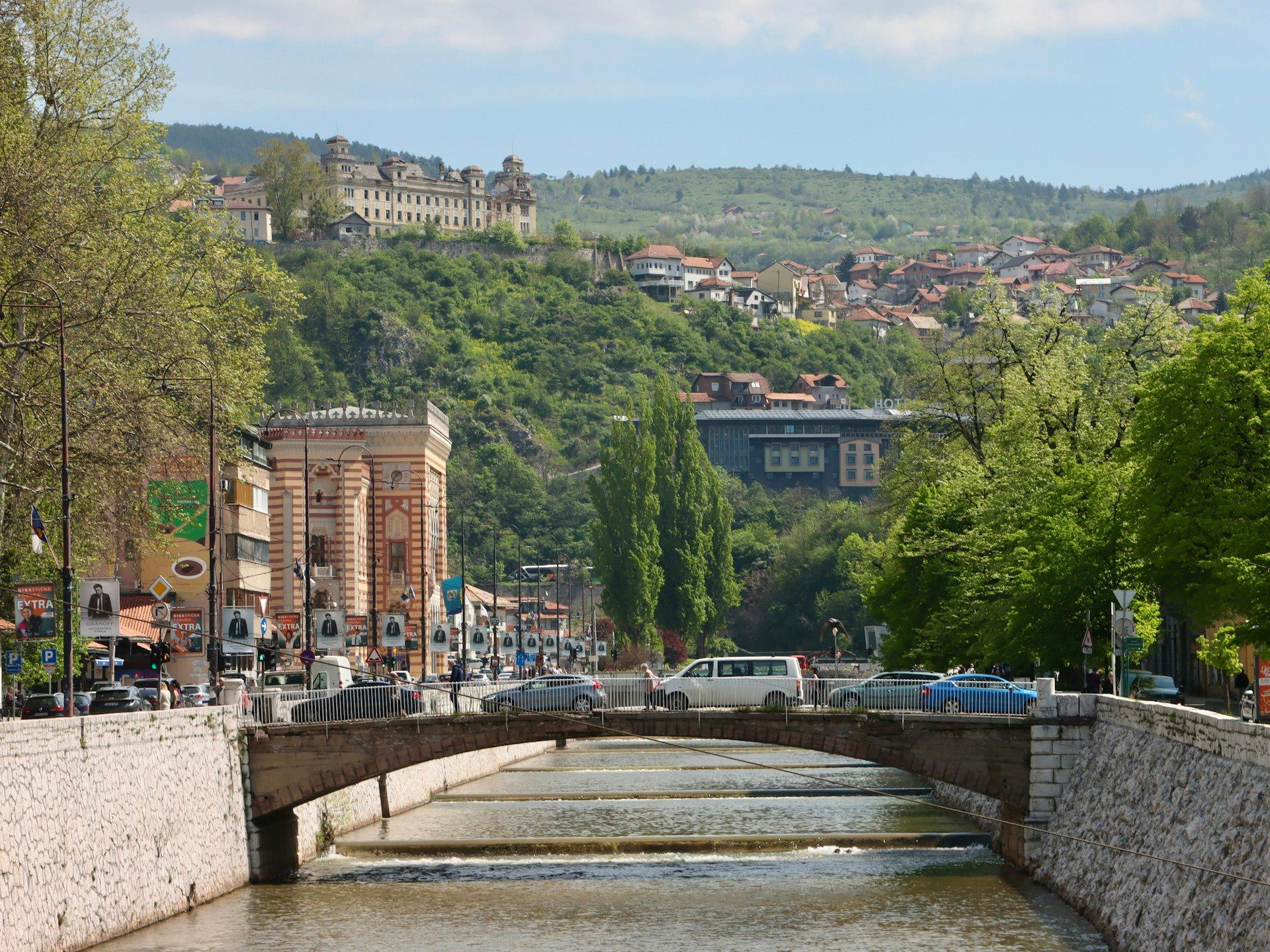
Sarajevo, the capital, sits in the Miljacka River valley at roughly 540 m elevation. The Baščaršija quarter — a 15th-century Ottoman bazaar — stands within walking distance of the Austro-Hungarian boulevard Ferhadija Street and the Latin Bridge, where Archduke Franz Ferdinand was assassinated in June 1914. The city held the 1984 Winter Olympics and its bobsled track on Trebević mountain remains a visited ruin above the urban core.
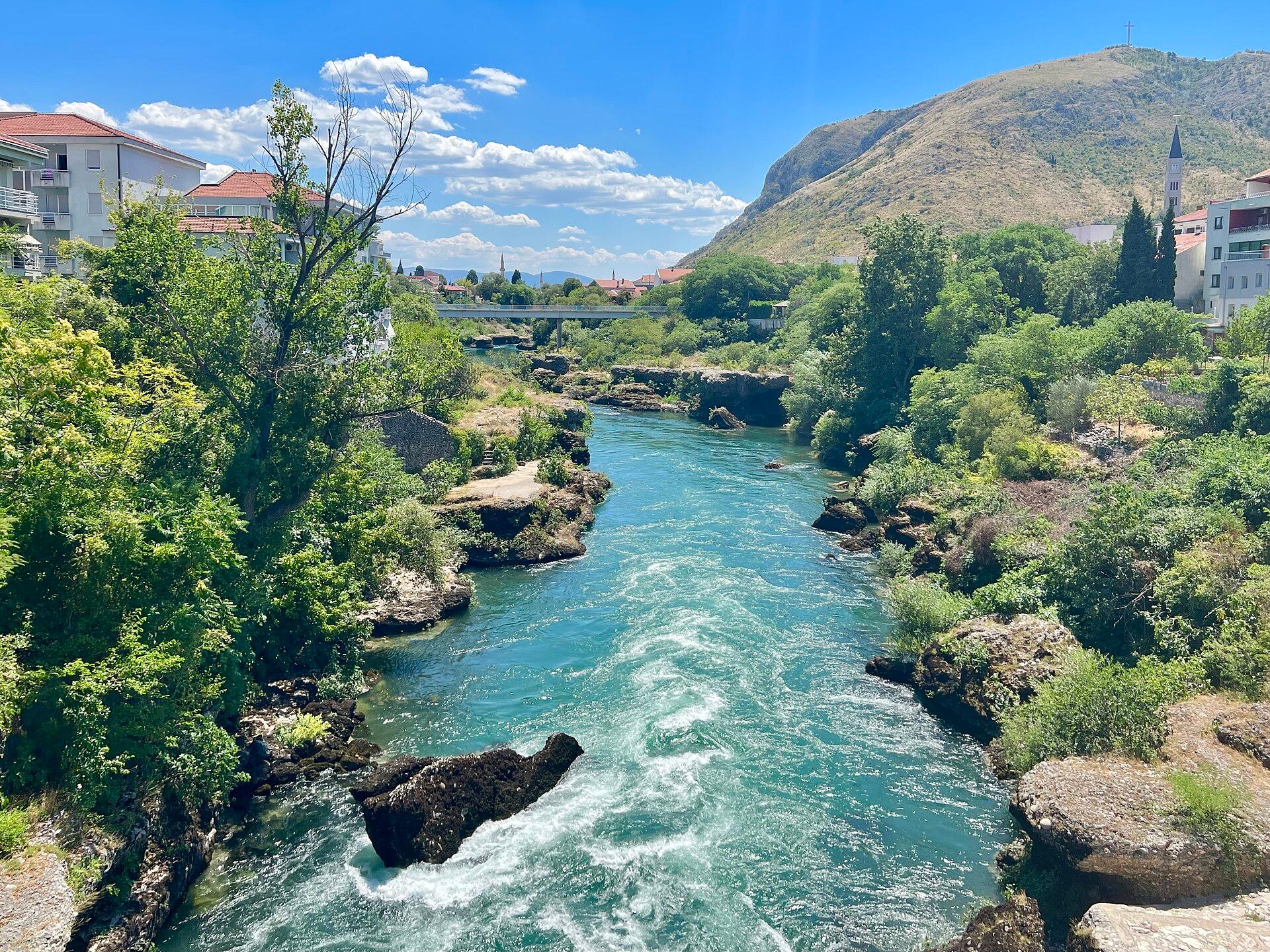
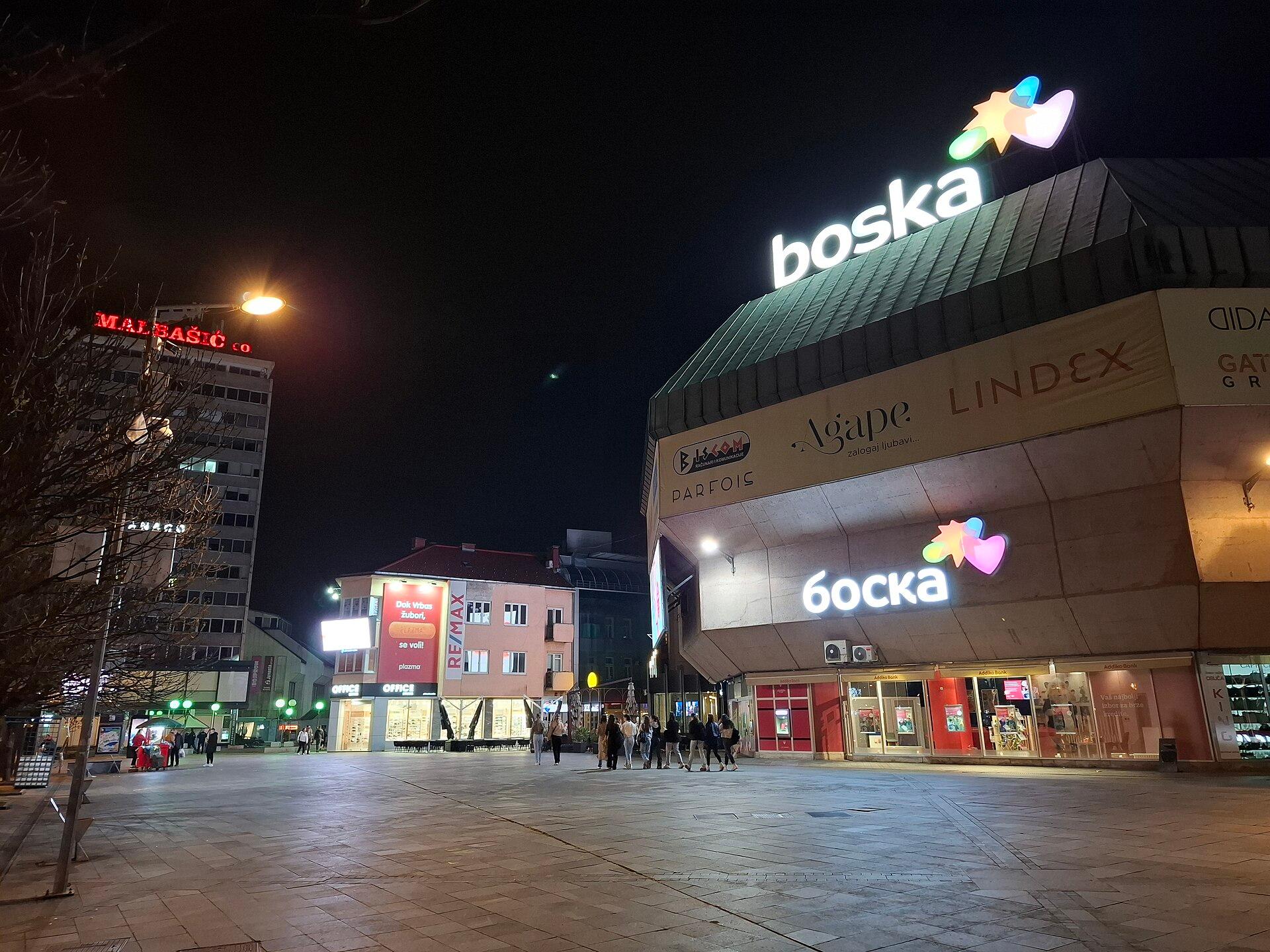
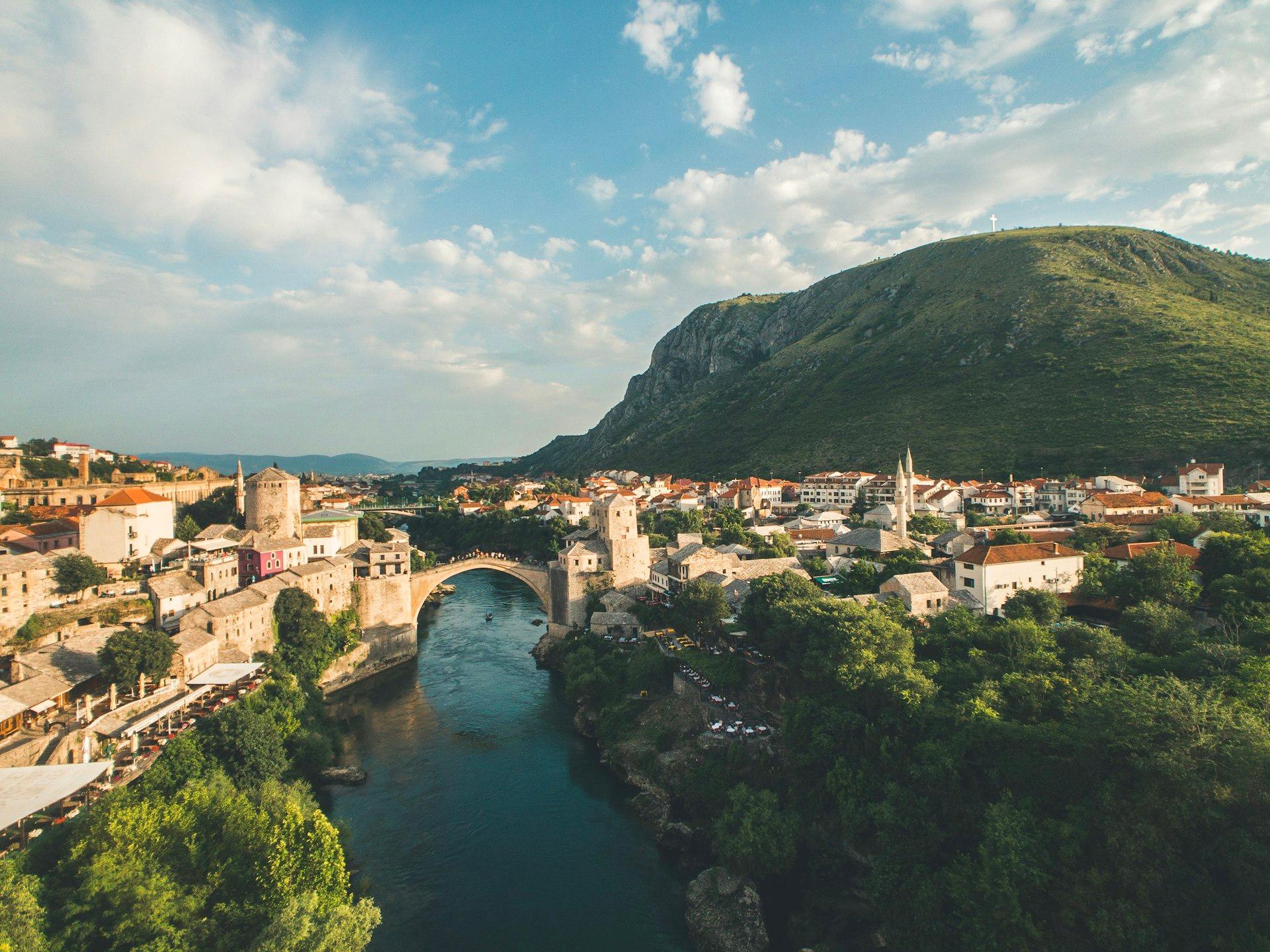
Mostar, 130 km southwest of Sarajevo, anchors the Herzegovina region. The Stari Most bridge, rebuilt in 2004 after its 1993 wartime destruction, spans the Neretva River at a single arch of 21 m. The old town around it earned UNESCO World Heritage status in 2005. Banja Luka, 240 km northwest of Sarajevo, serves as the administrative center of Republika Srpska and is home to the 16th-century Ferhat Pasha Mosque, reconstructed in 2016.
Natural Regions and Heritage Corridors
The Una National Park in the northwest protects a river canyon with cascades at Štrbački Buk that drop 24 m. Sutjeska National Park in the east contains Perućica, one of the last old-growth forests in Europe at roughly 1,434 hectares, alongside Maglić peak at 2,386 m — the country's highest point. The Kravice Waterfalls on the Trebižat River, 40 km southwest of Mostar, attract visitors from the Herzegovina lowlands year-round.
The Sarajevo War Tunnel (Tunnel of Hope), built in 1993 beneath the airport runway, now operates as a museum in the Butmir neighborhood. The Vrelo Bosne park at the source of the Bosnia River, 12 km west of the city center, is a flat, walkable riverside site with 19th-century mill channels.
When to Visit Bosnia and Herzegovina
The most favorable travel window runs May through September. Sarajevo averages 22 °C in July; the Herzegovina lowlands around Mostar regularly reach 35 °C or higher in summer, making spring (April–June) and early autumn (September–October) more comfortable for walking the old town. Ski resorts at Jahorina and Bjelašnica — both Olympic venues in 1984 — operate from December through March, with lift-served terrain starting around 1,400 m.
Practical Tips for Visiting Bosnia and Herzegovina
- Currency: The Convertible Mark (BAM) is pegged to the euro at 1.95583. Euro cash is widely accepted in tourist areas but change may be given in BAM.
- Getting around: Intercity buses connect Sarajevo, Mostar, and Banja Luka more reliably than trains. The Sarajevo–Mostar rail journey takes roughly 2.5 hours but runs infrequently.
- Border crossings: Travelers moving between the Federation and Republika Srpska entities cross no international border; the internal boundary is administrative only.
- Language: Bosnian, Croatian, and Serbian are mutually intelligible official languages. Latin and Cyrillic scripts both appear on signage.
- Packing: Pack layers for Sarajevo evenings even in July — valley temperatures drop noticeably after sunset compared to Herzegovina.
Frequently Asked Questions
Q: What is the capital of Bosnia and Herzegovina? A: Sarajevo is the capital and largest city, with a population of approximately 275,000 in the city proper. It hosted the 1984 Winter Olympics and contains the Ottoman-era Baščaršija district.
Q: Do visitors need a visa for Bosnia and Herzegovina? A: Citizens of EU member states, the United Kingdom, and the United States can enter visa-free for stays up to 90 days. Other nationalities should verify requirements with the nearest embassy before travel.
Q: What currency is used in Bosnia and Herzegovina? A: The Convertible Mark (BAM) is the official currency, pegged at 1.95583 to the euro. ATMs are available in all major cities, and euros are accepted at many hotels and tourist businesses.
Q: Is Bosnia and Herzegovina safe for travelers? A: The country is generally safe for tourists. Landmine risk exists in some rural and forested areas outside marked trails, particularly in regions that saw combat during the 1992–1995 war — hikers should stay on established paths.
Q: What language is spoken in Bosnia and Herzegovina? A: Three closely related South Slavic languages — Bosnian, Croatian, and Serbian — share official status. English is spoken at hotels, restaurants, and tourist sites in Sarajevo and Mostar.