Hotels in British Virgin Islands
2 cities · 2 hotels
Photo by Karl Callwood on Unsplash
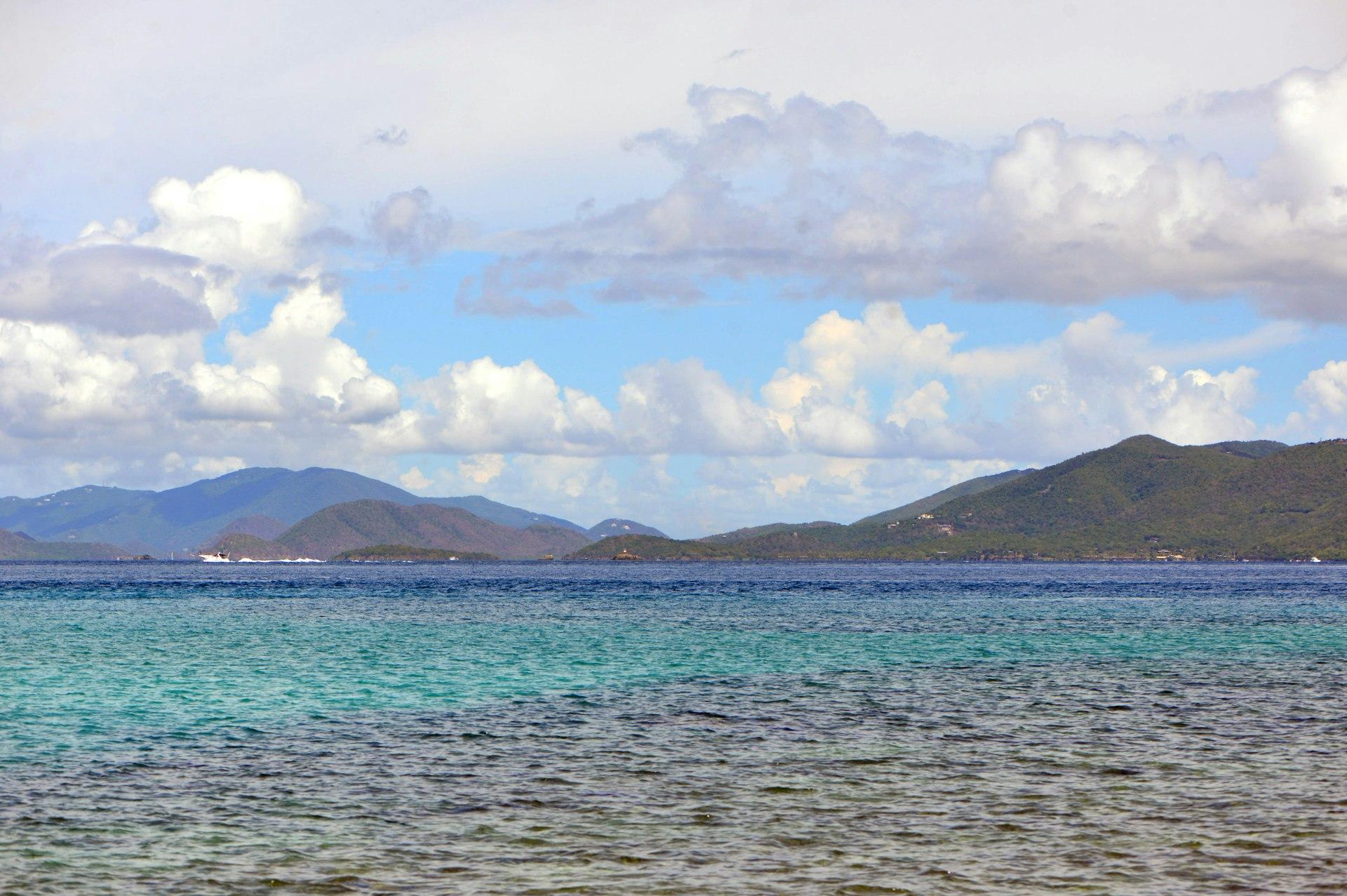
The British Virgin Islands form an archipelago of about 60 islands and cays east of Puerto Rico, with Tortola, Virgin Gorda, Jost Van Dyke, and Anegada as the four inhabited hubs. Road Town on Tortola serves as the capital and main port of entry, reached most often by ferry from St. Thomas or a connecting flight into Beef Island Airport (EIS). Sailing built this territory's tourism economy — the Sir Francis Drake Channel between Tortola and Virgin Gorda offers protected, line-of-sight cruising that made the BVI a global charter-yacht base since the 1960s.
Islands Worth Exploring
Tortola holds the highest concentration of hotels and guesthouses, clustered around Road Town and the beaches of Cane Garden Bay and Long Bay. Virgin Gorda draws visitors to The Baths, a shoreline of granite boulders forming tidal pools and grottoes, with nearby North Sound anchoring resort properties accessible mainly by boat or small plane. Jost Van Dyke, smallest of the main four, is known for White Bay's sandbar and the Soggy Dollar Bar, with limited overnight lodging that fills fast around the full-moon parties. Anegada breaks from the volcanic pattern — a flat coral atoll ringed by an 18-mile barrier reef, favored by divers and anglers for bonefishing flats.
Yachting and Marine Life
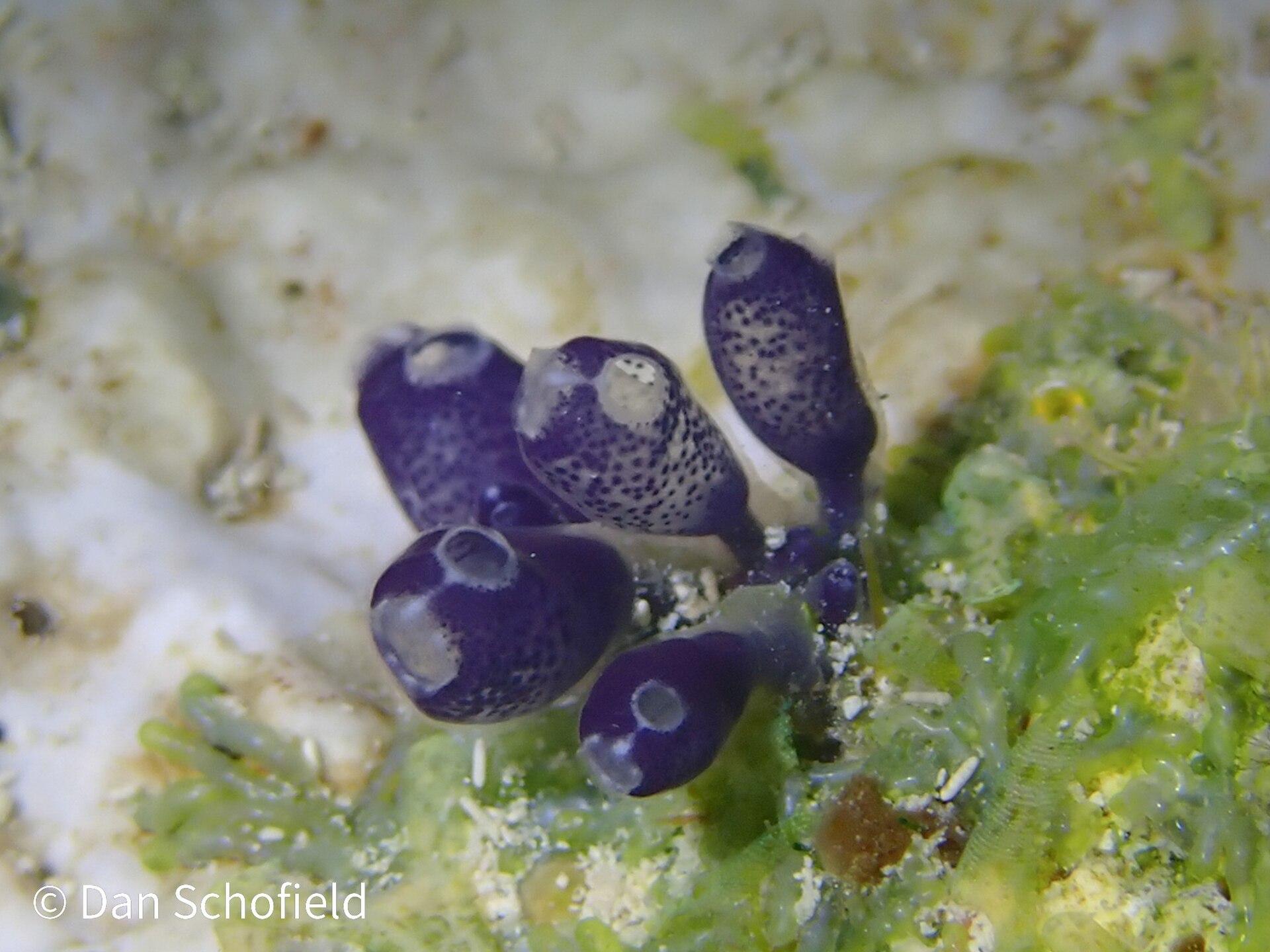
The BVI's charter fleet, based largely out of Road Town and Nanny Cay, operates on the reputation built since chartering pioneers arrived from the Virgin Islands sailing tradition of the mid-20th century. Norman Island, uninhabited and a regular day-anchorage stop, is cited as one inspiration for Robert Louis Stevenson's Treasure Island. The wreck of the RMS Rhone off Salt Island, sunk in an 1867 hurricane, ranks among the Caribbean's most dived shipwrecks and sits inside a designated marine park.
When to Visit
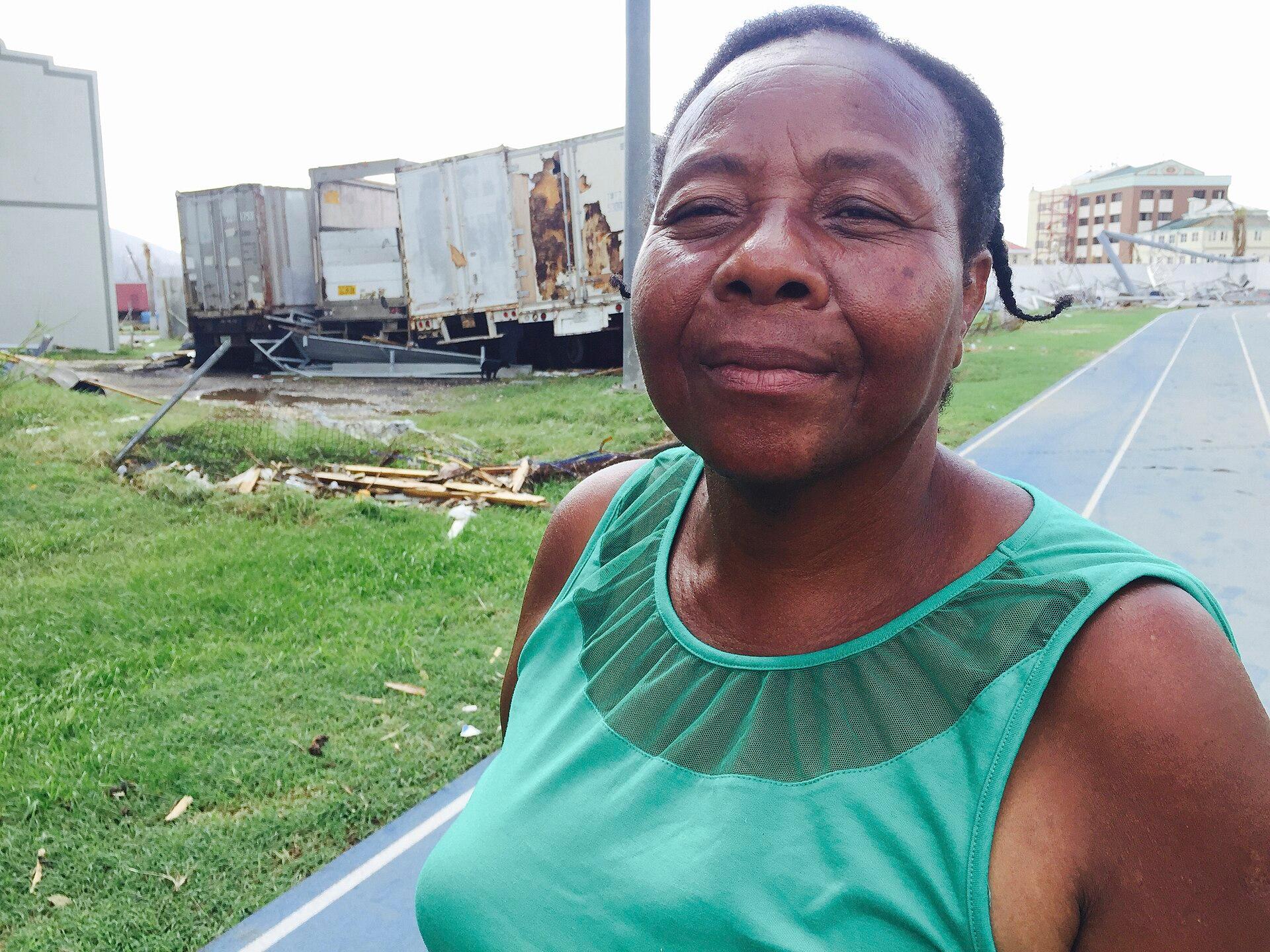
December through April brings the driest weather and the bulk of charter traffic, with trade winds averaging 15-20 knots that suit sailing. Hurricane season runs June through November; September and October see the highest storm risk, a legacy underscored by the 2017 Hurricane Irma rebuild that reshaped much of Tortola's coastal infrastructure. Water temperatures stay in a narrow band year-round, making diving and snorkeling viable outside the stormiest months.
Practical Tips for Visiting the British Virgin Islands
- Currency: The US dollar is the official currency, unlike most Caribbean neighbors.
- Getting there: Fly into Beef Island Airport on Tortola or connect via ferry from Charlotte Amalie, St. Thomas.
- Getting around: Inter-island ferries link Tortola, Virgin Gorda, and Jost Van Dyke; a rental car or taxi covers Tortola's interior roads.
- Documents: A valid passport is required for entry; no separate visa is needed for most nationalities for short stays.
- Packing: Bring reef-safe sunscreen — several anchorages sit inside protected marine parks with usage restrictions.
Frequently Asked Questions
Q: Which island has the most hotel options in the British Virgin Islands? A: Tortola, home to Road Town, carries the widest range of hotels and guesthouses. Virgin Gorda follows with resort-style properties concentrated near North Sound and The Baths.
Q: Do visitors need a boat to enjoy the BVI? A: A boat is not required — Tortola and Virgin Gorda both offer land-based beaches, diving, and hiking. Chartering a yacht simply opens access to uninhabited cays and Jost Van Dyke's anchorages.
Q: What is the best time to avoid hurricane risk? A: December through June falls outside the Atlantic hurricane season's peak months of September and October. Trade winds are also steadier during these drier months.
Q: Is a passport required to enter the British Virgin Islands? A: Yes, a valid passport is required for all visitors regardless of nationality or length of stay.