
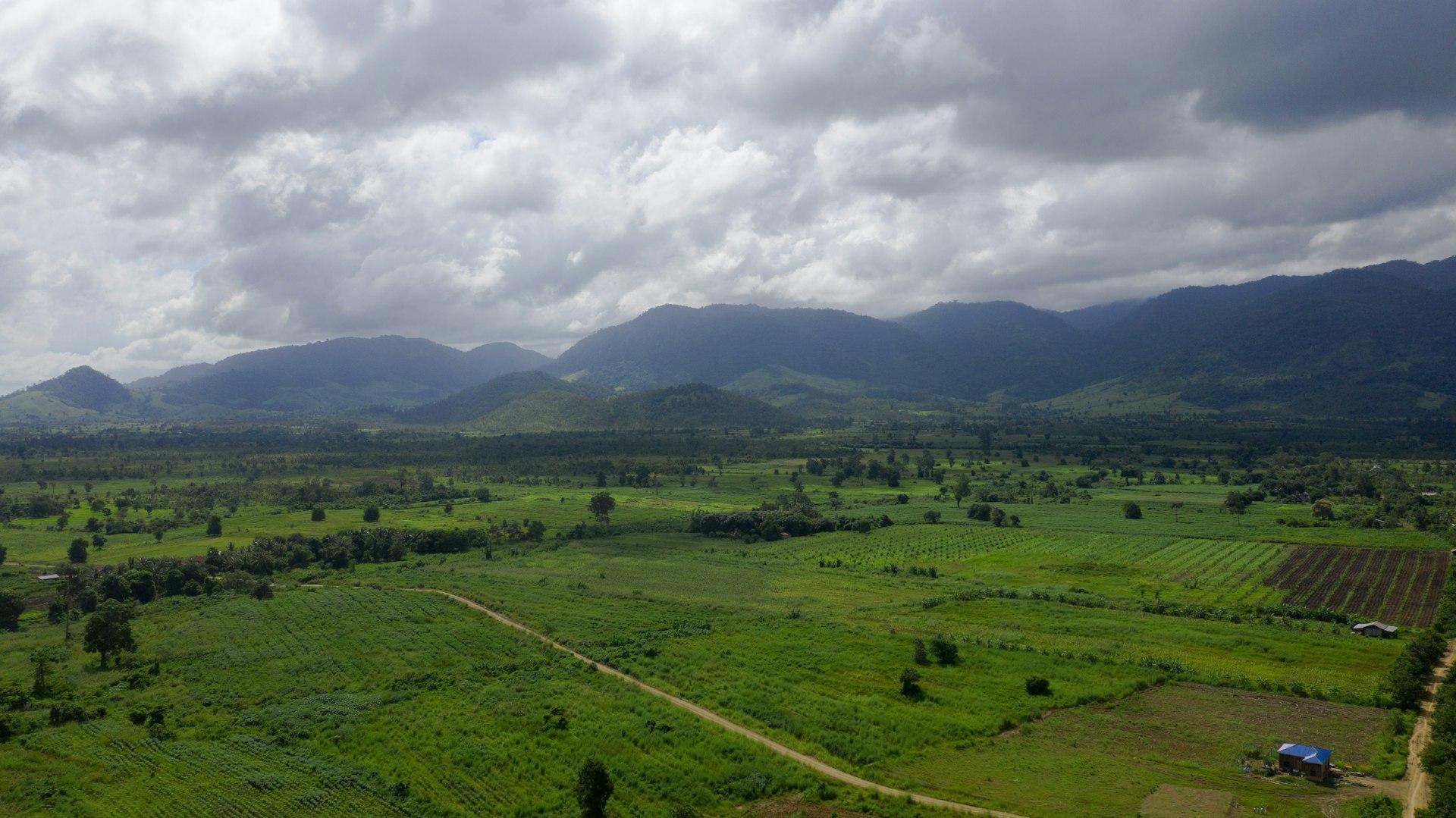
Hotels in Cambodia
9 cities · 80 hotels
Cambodia: Khmer Temples, Mekong Delta and a Nation Rebuilding
Cambodia occupies 181,035 km² of mainland Southeast Asia, bordered by Thailand to the northwest, Laos to the north, and Vietnam to the east. The country's landmark is Angkor Wat, a 12th-century Hindu temple complex near Siem Reap that covers 400 acres and remains the largest religious monument on Earth. Beyond Angkor, Cambodia holds 23 national parks, a 443 km Gulf of Thailand coastline, and a capital — Phnom Penh — whose French-colonial riverfront district sits at the confluence of the Mekong and Tonlé Sap rivers.
Cities Worth Exploring
Siem Reap is the gateway to the Angkor Archaeological Park, a UNESCO World Heritage Site since 1992 containing over 1,000 temples spread across 400 km². The Pub Street corridor and the Old Market (Psah Chas) occupy the town centre, while boutique hotels and guesthouses cluster along the Siem Reap River. Phnom Penh, 314 km south, anchors the country's political and commercial life. The Royal Palace compound, built in 1866, and the Tuol Sleng Genocide Museum — a former S-21 prison — draw visitors to opposite ends of the city's historical narrative. The port town of Kampot, 148 km southwest of Phnom Penh, is known for Kampot pepper, one of Southeast Asia's most prized spices, and the nearby Bokor National Park ridge at 1,079 m elevation.
Coastal and River Regions
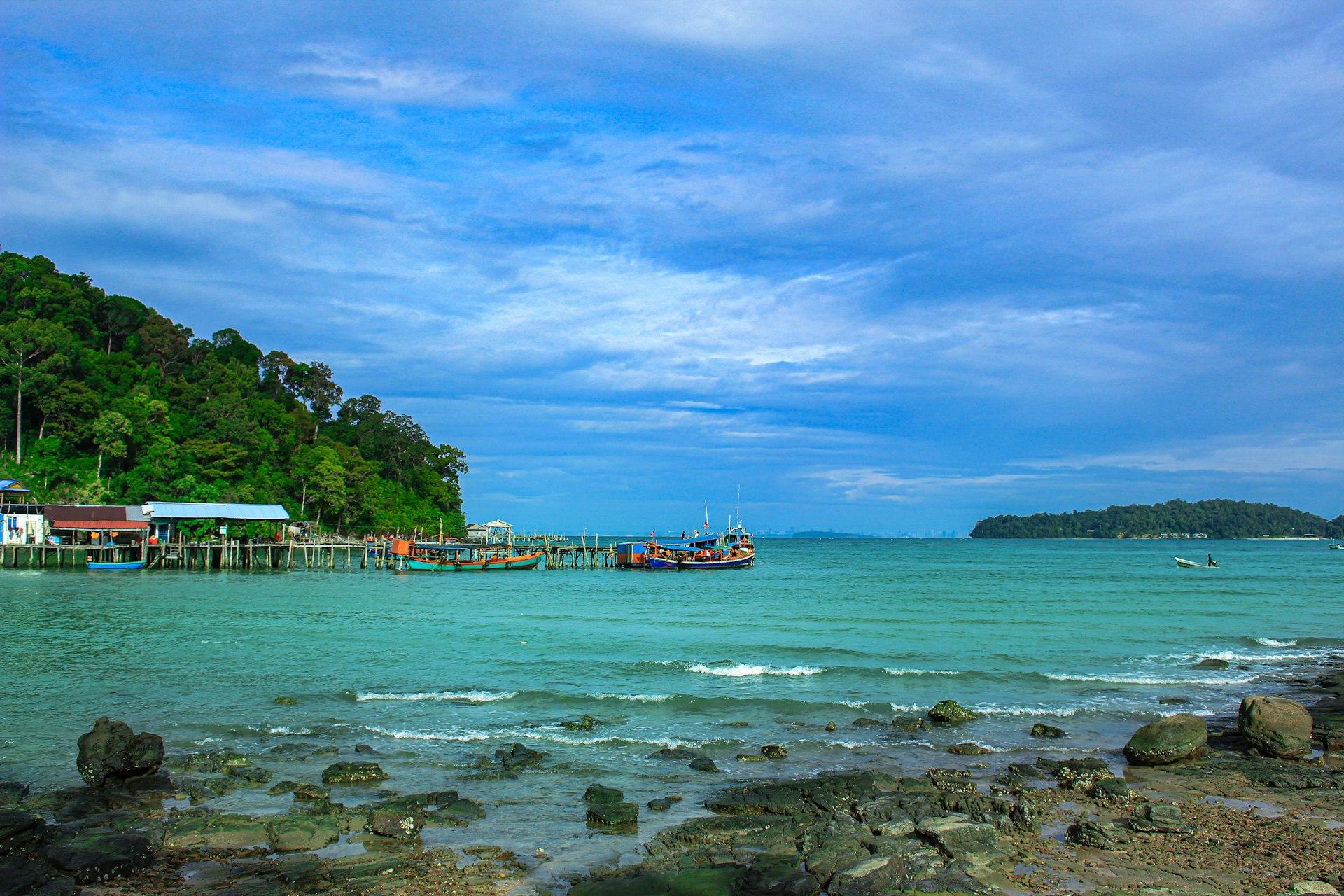
Sihanoukville (Preah Sihanouk Province) is the main coastal hub, connected by ferry to Koh Rong island — 78 km² of forested land with bioluminescent bays. Koh Rong Sanloem, the smaller neighbour island, draws travellers seeking quieter beaches. The Tonlé Sap Lake, Southeast Asia's largest freshwater lake at up to 16,000 km² during flood season (September–October), sits 15 km south of Siem Reap and sustains floating villages including Chong Khneas and Kampong Phluk. River cruise operators use Phnom Penh as the southern terminus for Mekong itineraries continuing north through Vietnam.
When to Visit Cambodia
The cool dry season runs November through February, with temperatures averaging 24–28 °C and minimal rainfall — the window most travellers choose for Angkor Wat. The Khmer New Year (Chaul Chnam Thmey) falls in mid-April and draws domestic travellers across the country. The wet season (June–October) brings the Bon Om Touk Water Festival in November, when boat races on the Tonlé Sap attract hundreds of thousands of spectators to Phnom Penh. July–August heat peaks above 35 °C in the interior but coastal areas stay more moderate.
Practical Tips for Visiting Cambodia
- Visa: Most nationalities obtain a 30-day e-Visa online via evisa.gov.kh for USD 36, or on arrival at Phnom Penh International Airport and Siem Reap International Airport.
- Currency: The Cambodian riel (KHR) circulates alongside the US dollar; USD is accepted almost everywhere, with riel used for small change.
- Getting around: Express buses connect Phnom Penh to Siem Reap (6 hours) and Kampot (3 hours); shared taxis cover shorter routes faster. Domestic flights on Cambodia Angkor Air cut Phnom Penh–Siem Reap to 45 minutes.
- Health: Malaria prophylaxis is recommended for border regions and forested areas; dengue precautions apply countrywide.
- Temple dress: Shoulders and knees must be covered to enter Angkor Wat and most active pagodas.
Frequently Asked Questions
Q: What is the closest airport to Angkor Wat? A: Siem Reap–Angkor International Airport (SAI), which opened in 2023, is the primary gateway, located approximately 51 km from the Angkor complex. Tuk-tuk and taxi transfers take 45–60 minutes.
Q: Is Cambodia safe for travellers in 2026? A: Urban areas including Phnom Penh and Siem Reap are considered low-to-moderate risk. Travellers should avoid unmarked rural paths in former Khmer Rouge territories near the Thai border due to residual unexploded ordnance.
Q: What currency should travellers carry? A: US dollars are accepted across hotels, restaurants, and major shops. Riel is returned as change for amounts under USD 1. ATMs in Phnom Penh and Siem Reap dispense both currencies.
Q: How many days are needed to see Angkor Wat? A: A 3-day Angkor Archaeological Park pass (USD 62) covers the main circuit including Angkor Wat, Bayon, and Ta Prohm. Serious temple enthusiasts often allocate five or more days to reach outlying sites like Beng Mealea, 68 km from Siem Reap.
Q: What is the cheapest time to book hotels in Cambodia? A: May and June, the early wet season, see lower occupancy and reduced hotel rates across Siem Reap and Phnom Penh. Booking direct with properties often yields rates 10–15% below online travel agency prices.
Cities in Cambodia
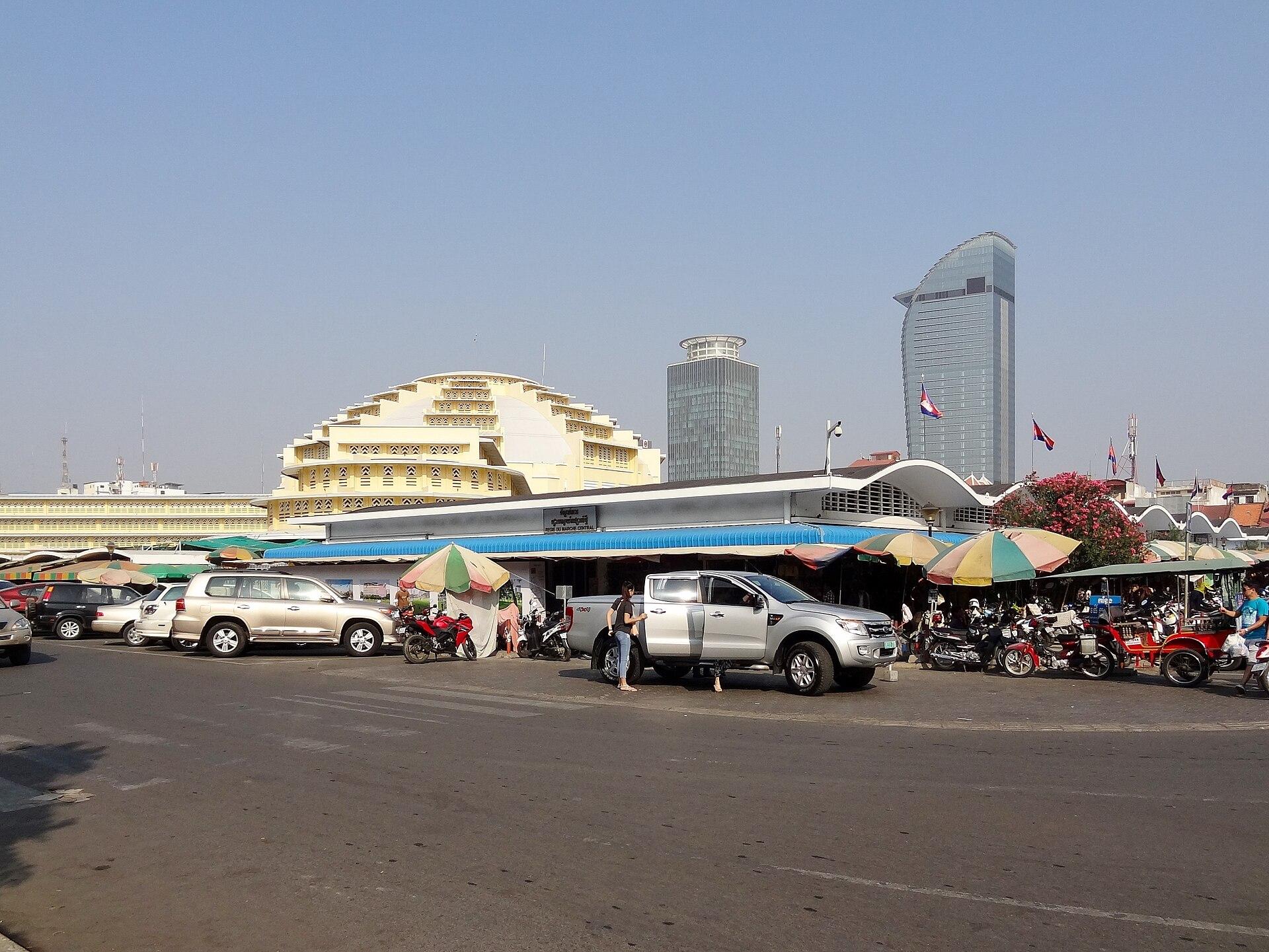
Phnom Penh hotels
Cambodia · 29 hotels
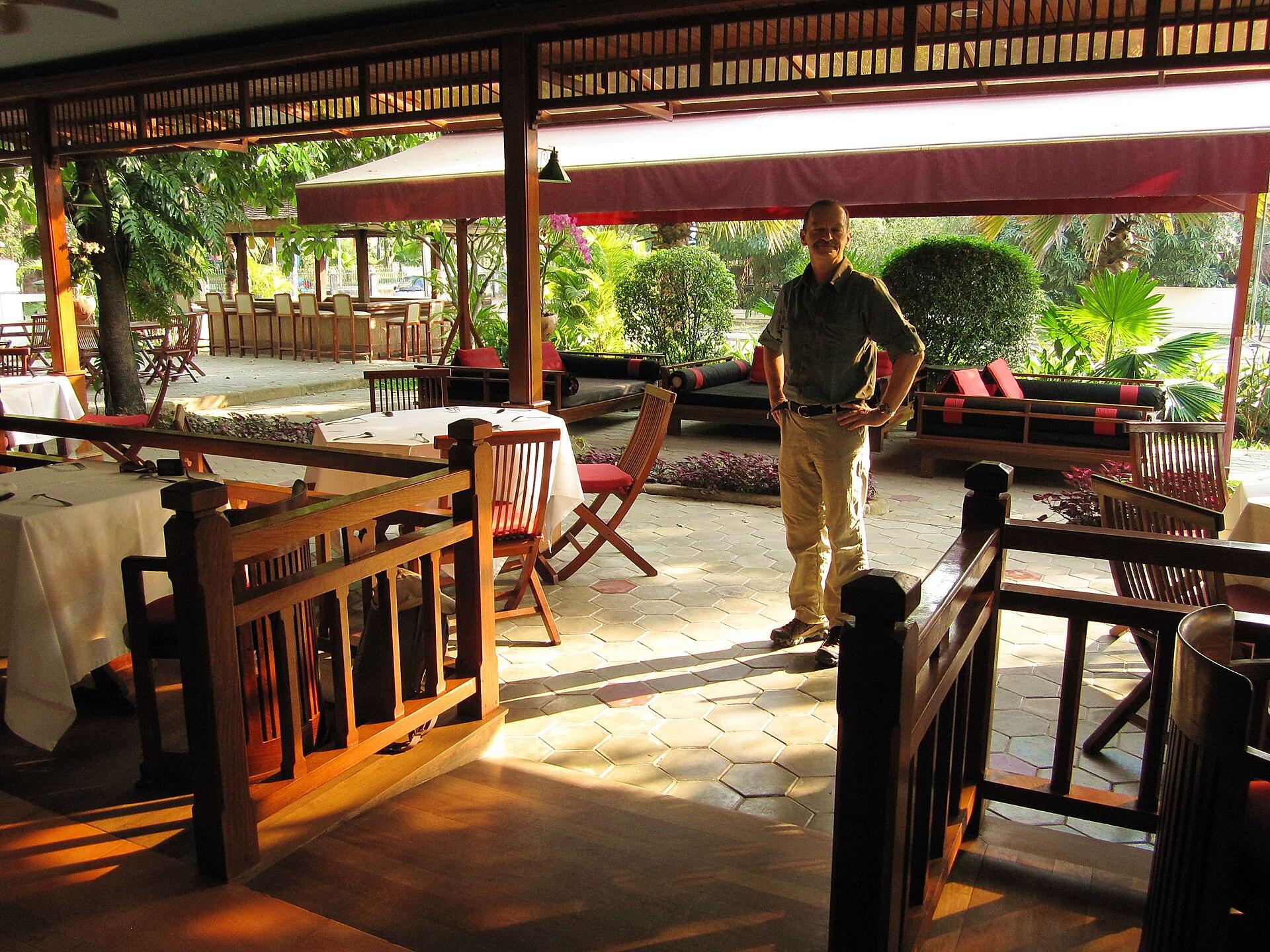
Siem Reap hotels
Cambodia · 27 hotels
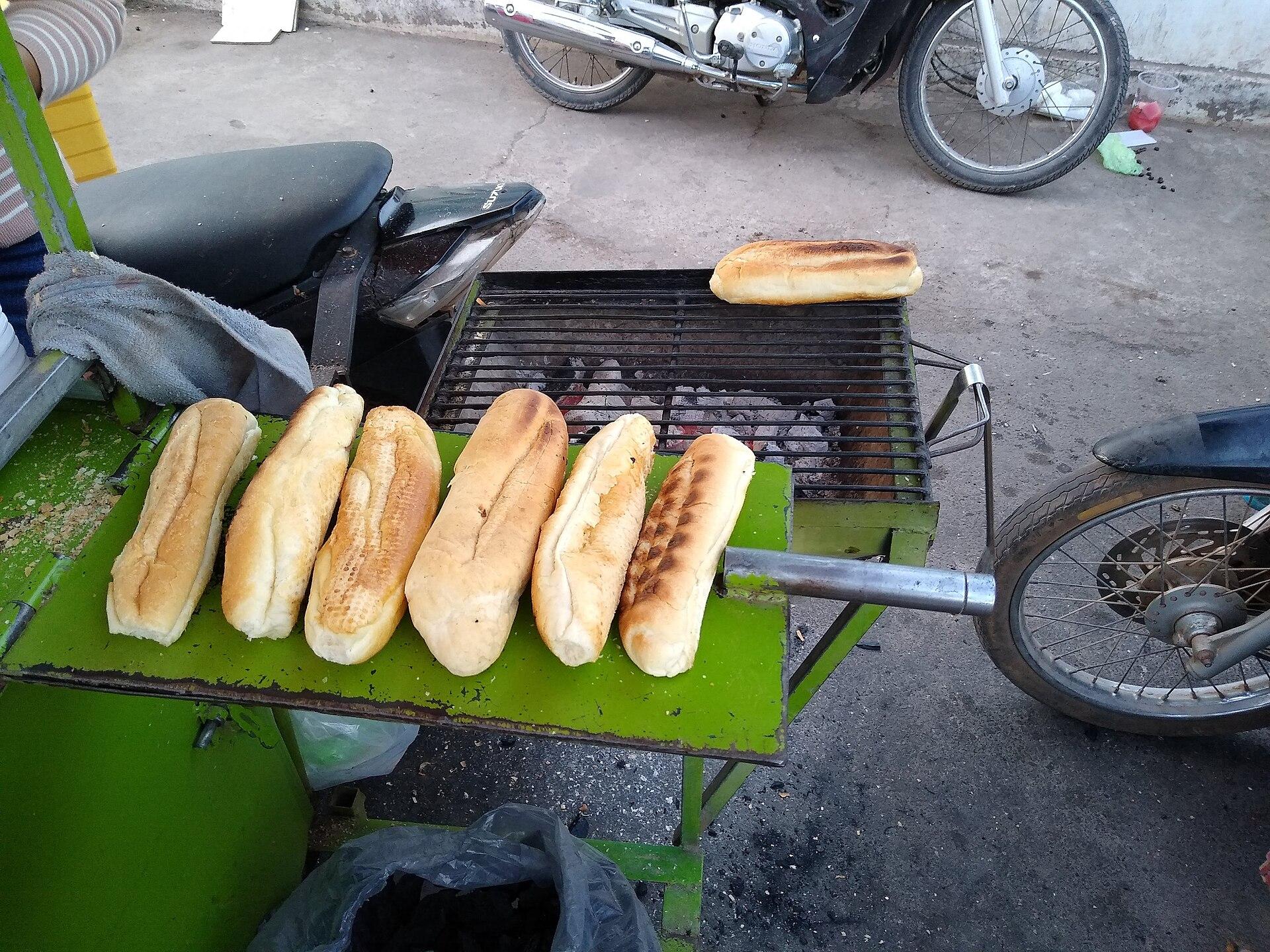
Kampot hotels
Cambodia · 6 hotels
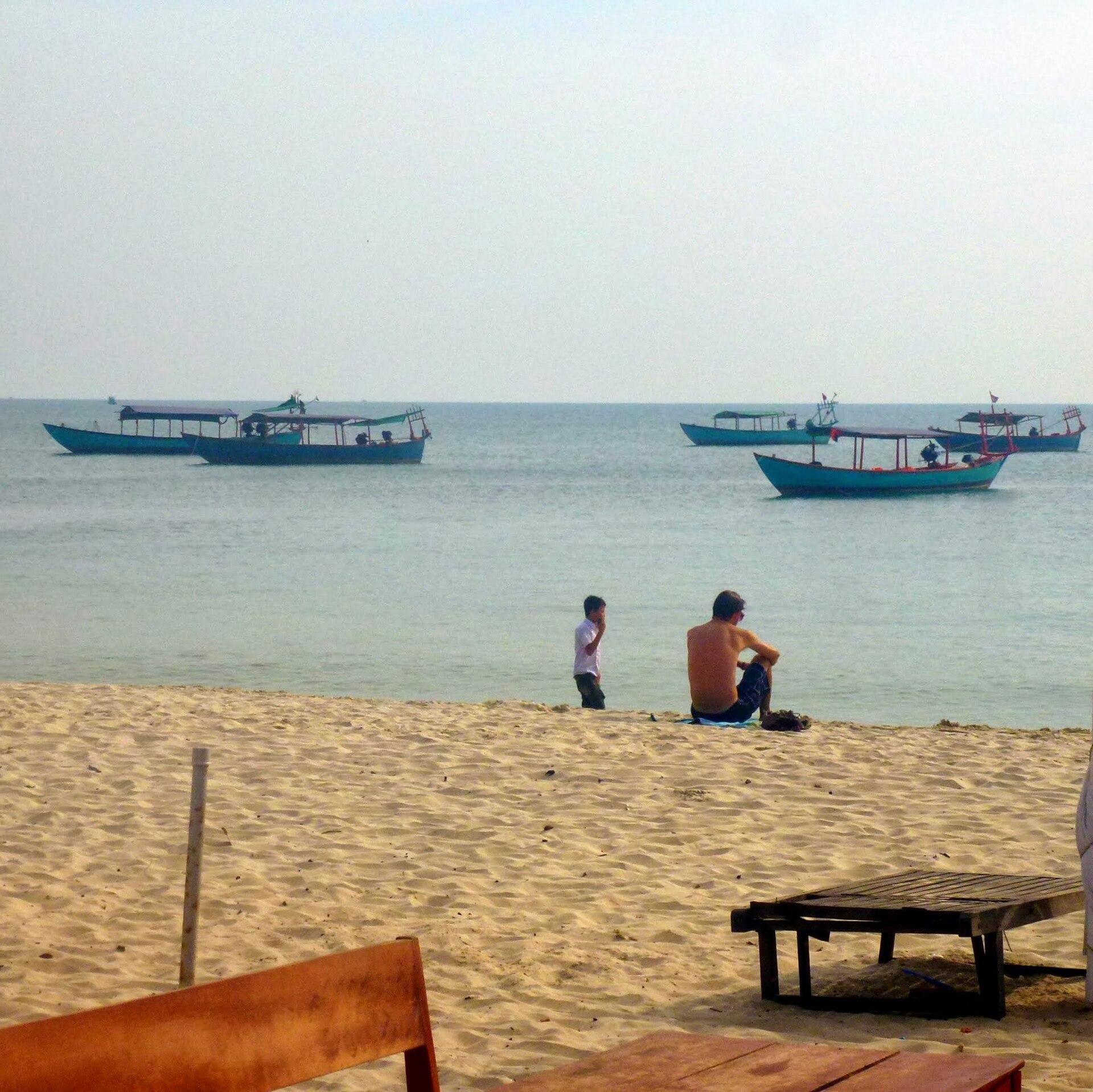
Sihanoukville hotels
Cambodia · 5 hotels
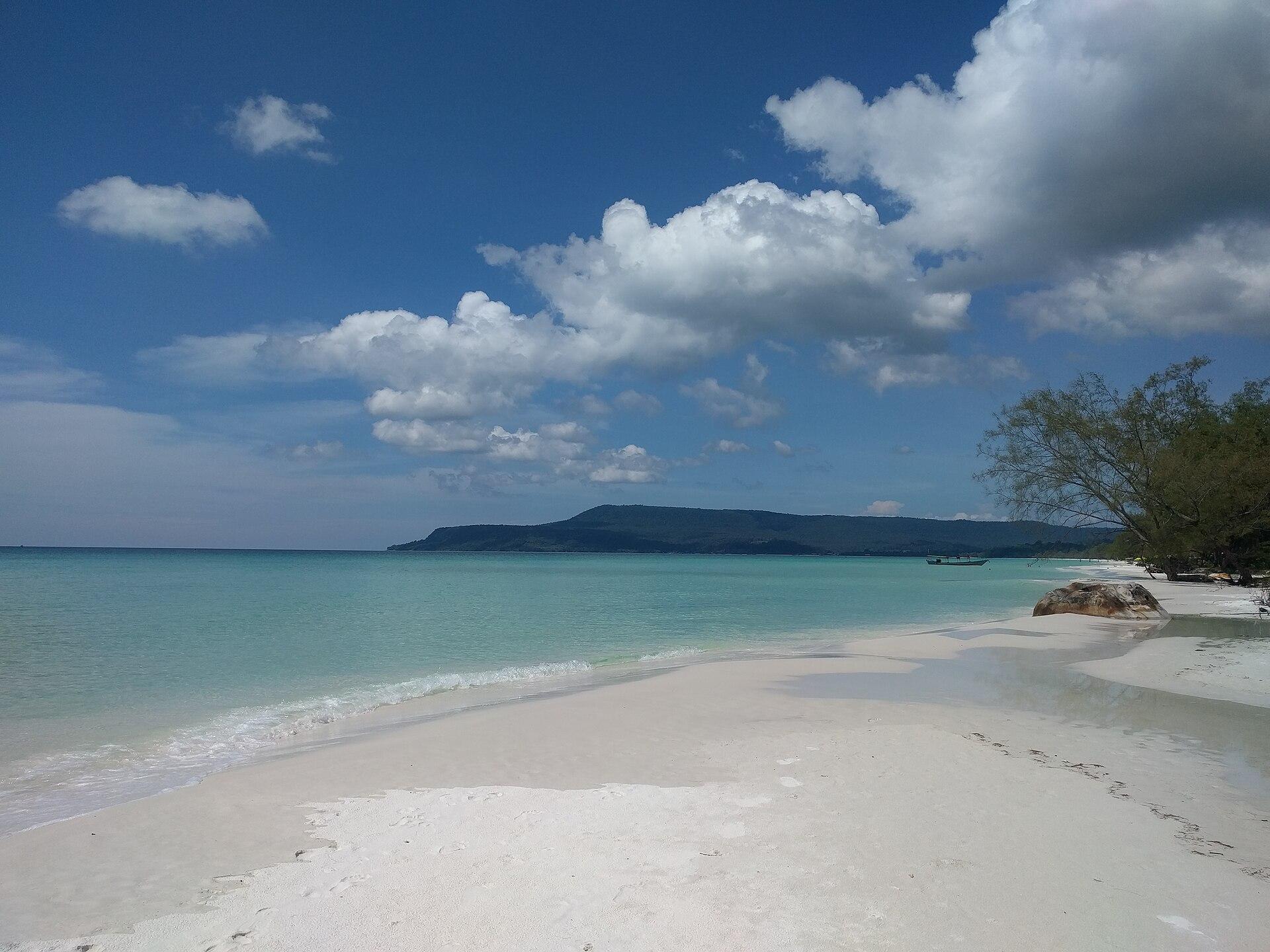
Koh Rong Island hotels
Cambodia · 4 hotels
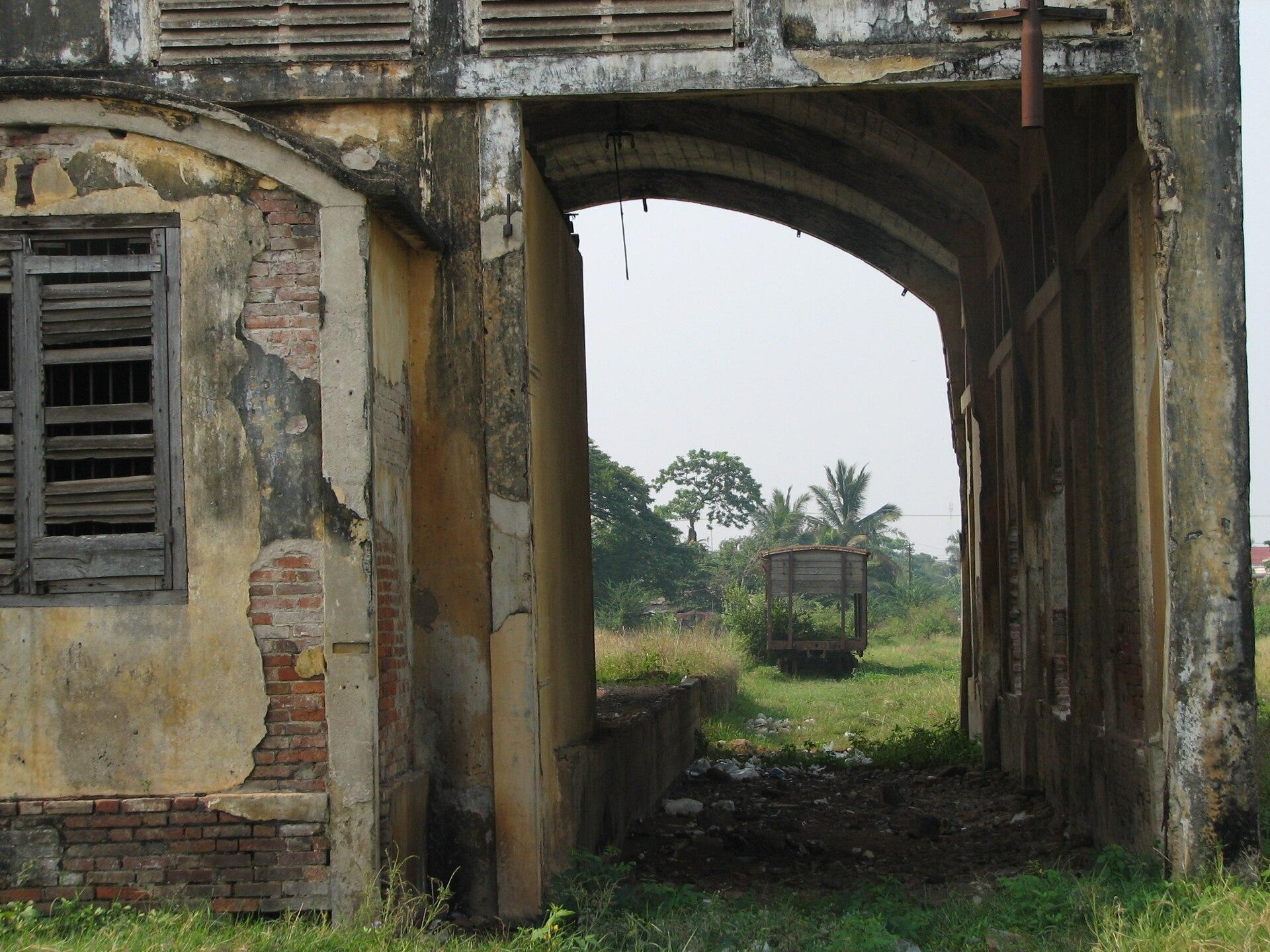
Battambang hotels
Cambodia · 3 hotels
Koh Rong hotels
Cambodia · 2 hotels
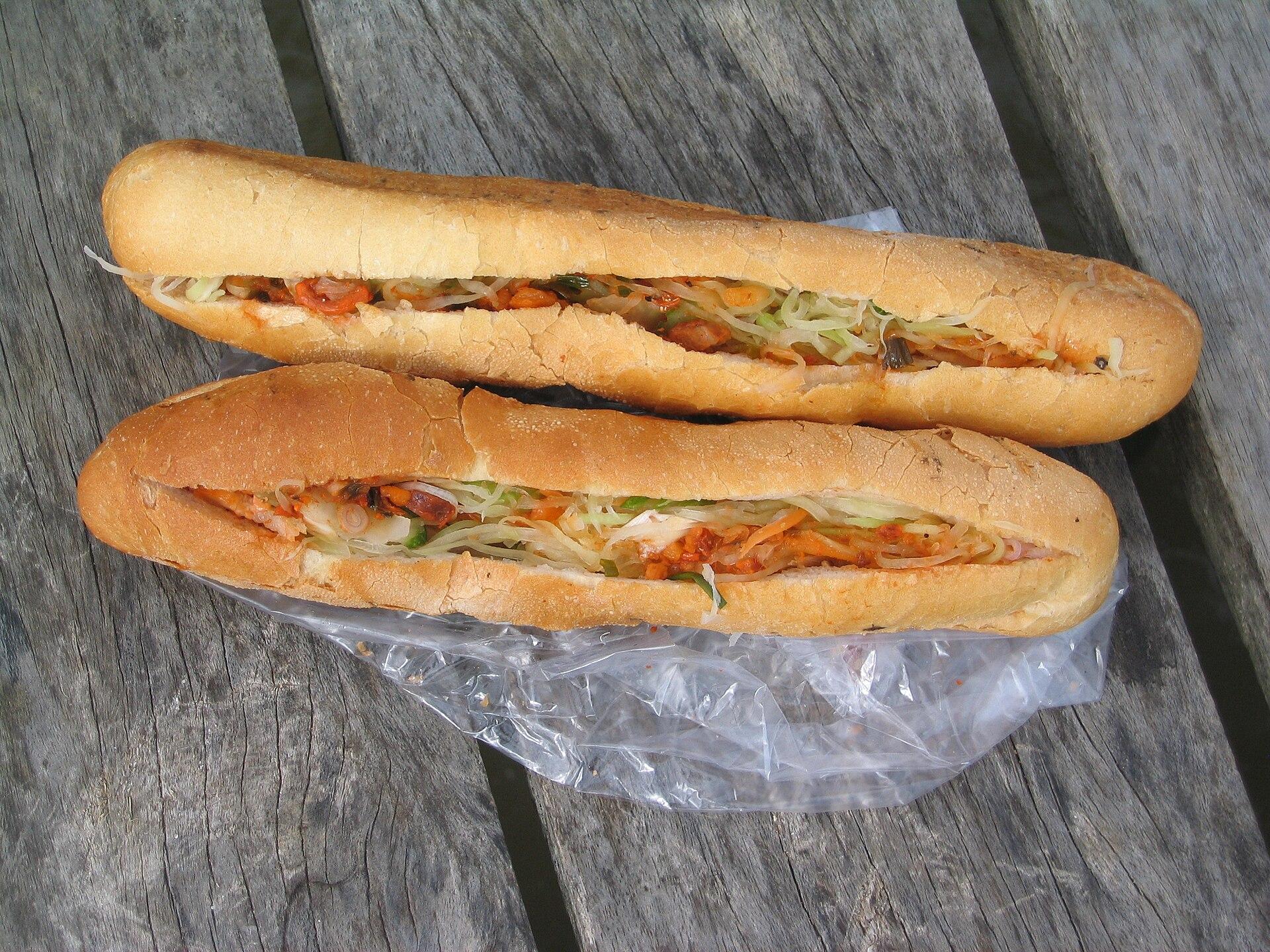
Kep hotels
Cambodia · 2 hotels
Koh Rong Sanloem hotels
Cambodia · 2 hotels