Hotels in Chile
7 cities · 61 hotels
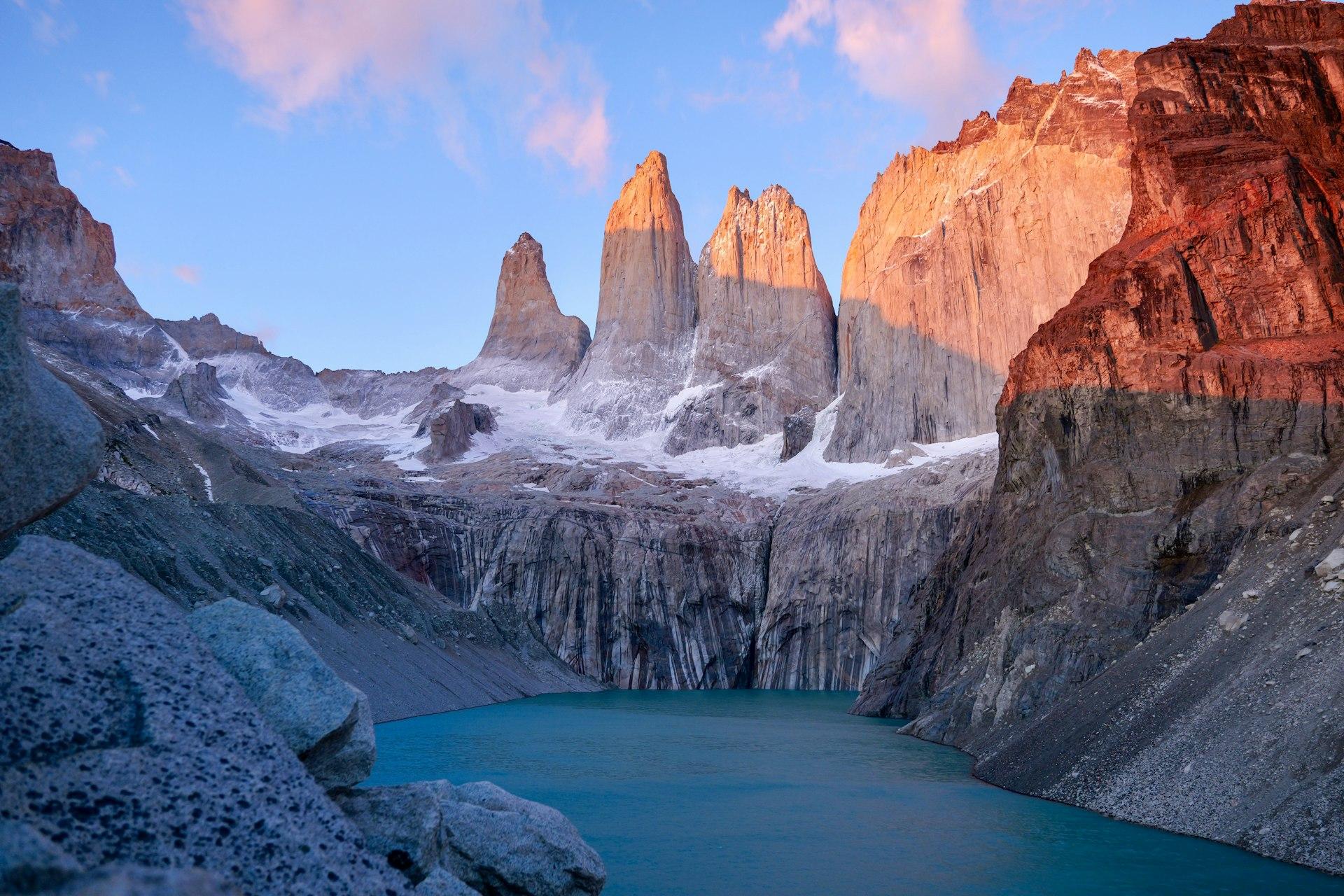
Photo by Carter Obasohan on Unsplash
Chile: Desert, Glacier, and 4,270 km of Pacific Coastline
Chile stretches from the driest desert on Earth to the sub-Antarctic archipelago of Tierra del Fuego, covering 4,270 km of Pacific coastline along a strip rarely wider than 180 km. This geography forces travelers to choose their Chile: the copper-red Atacama Desert in the north, the wine valleys of the Central Valley, the temperate rainforests of Patagonia, or the volcanic lake district around Villarrica. No other South American country packs this range of ecosystems into a single north-south corridor.
Cities Worth Exploring
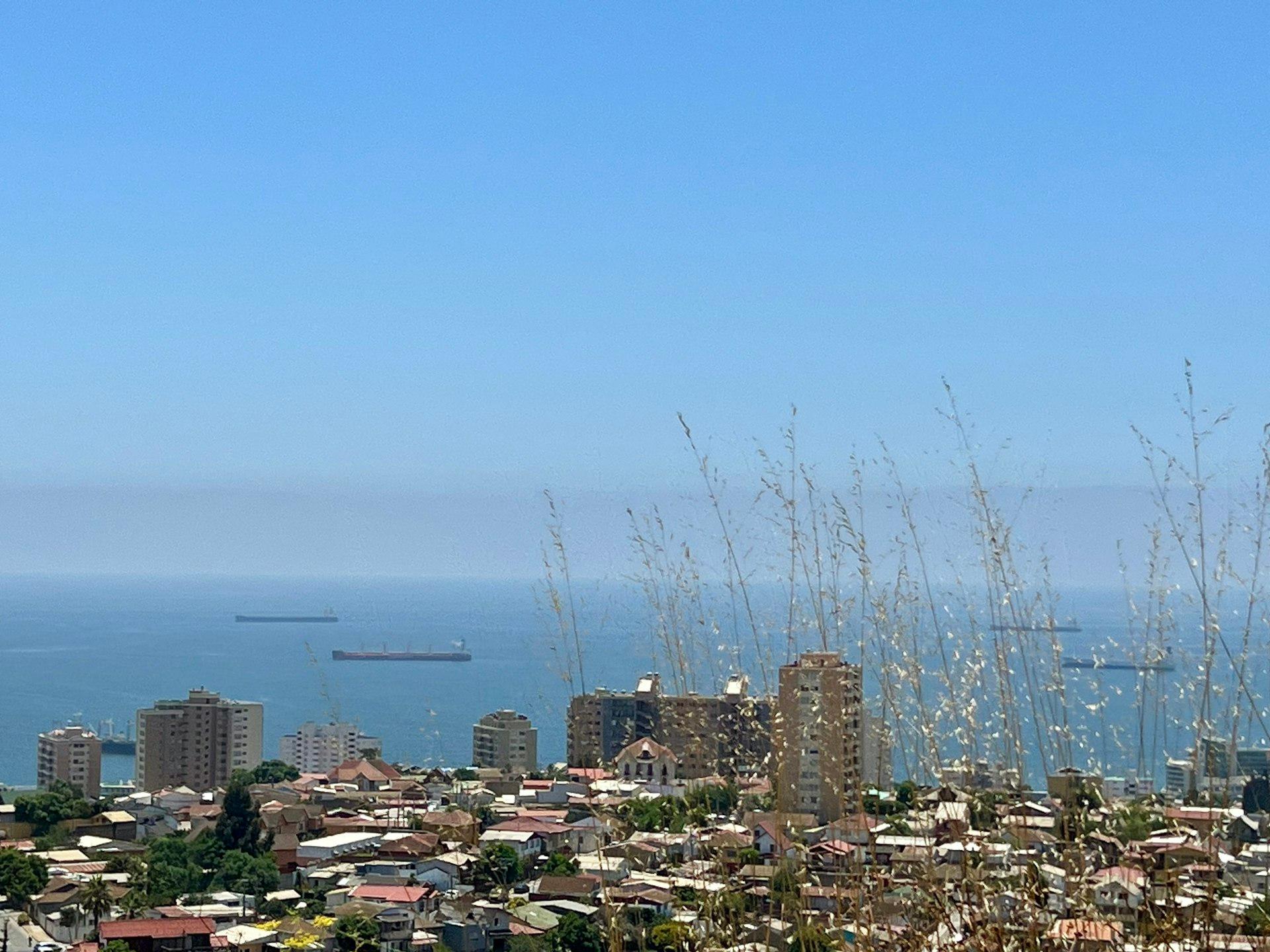
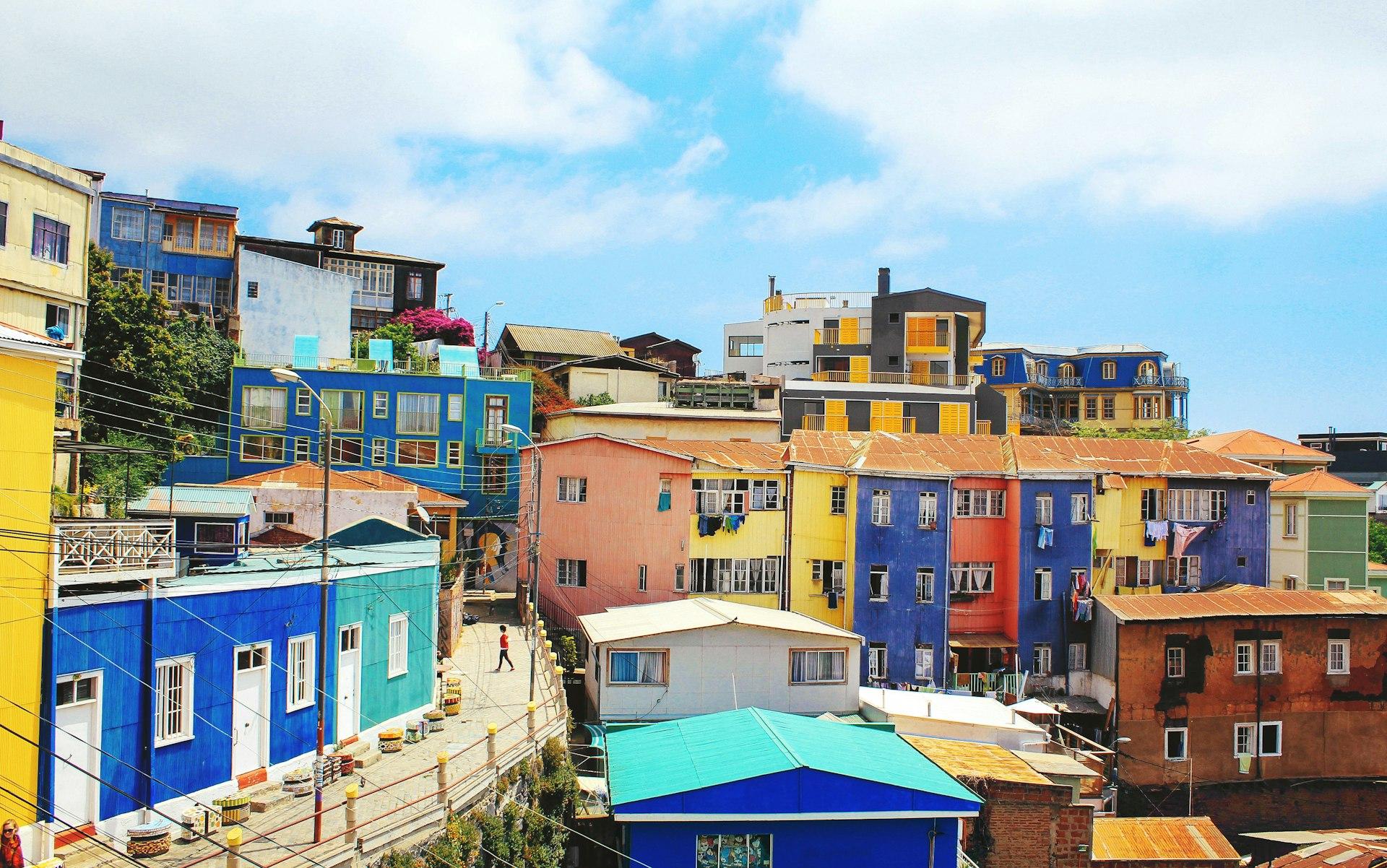
Santiago, the capital, sits at 520 m above sea level against the backdrop of the Andes, with the Cerro San Cristóbal rising 880 m above the Bellavista neighborhood. The city's metro system covers 136 km across seven lines, making neighborhoods like Providencia, Lastarria, and Barrio Italia accessible without a car. Hotels in Santiago range from design-forward properties in Vitacura to mid-range stays in Ñuñoa. Valparaíso, 120 km northwest of the capital, is a UNESCO World Heritage port city organized around 42 hills — each cerro with its own character, connected by historic funiculars called ascensores. Puerto Natales, the gateway to Torres del Paine National Park, anchors the deep south and fills with hikers from October through March.
Regions Worth Knowing Before Booking
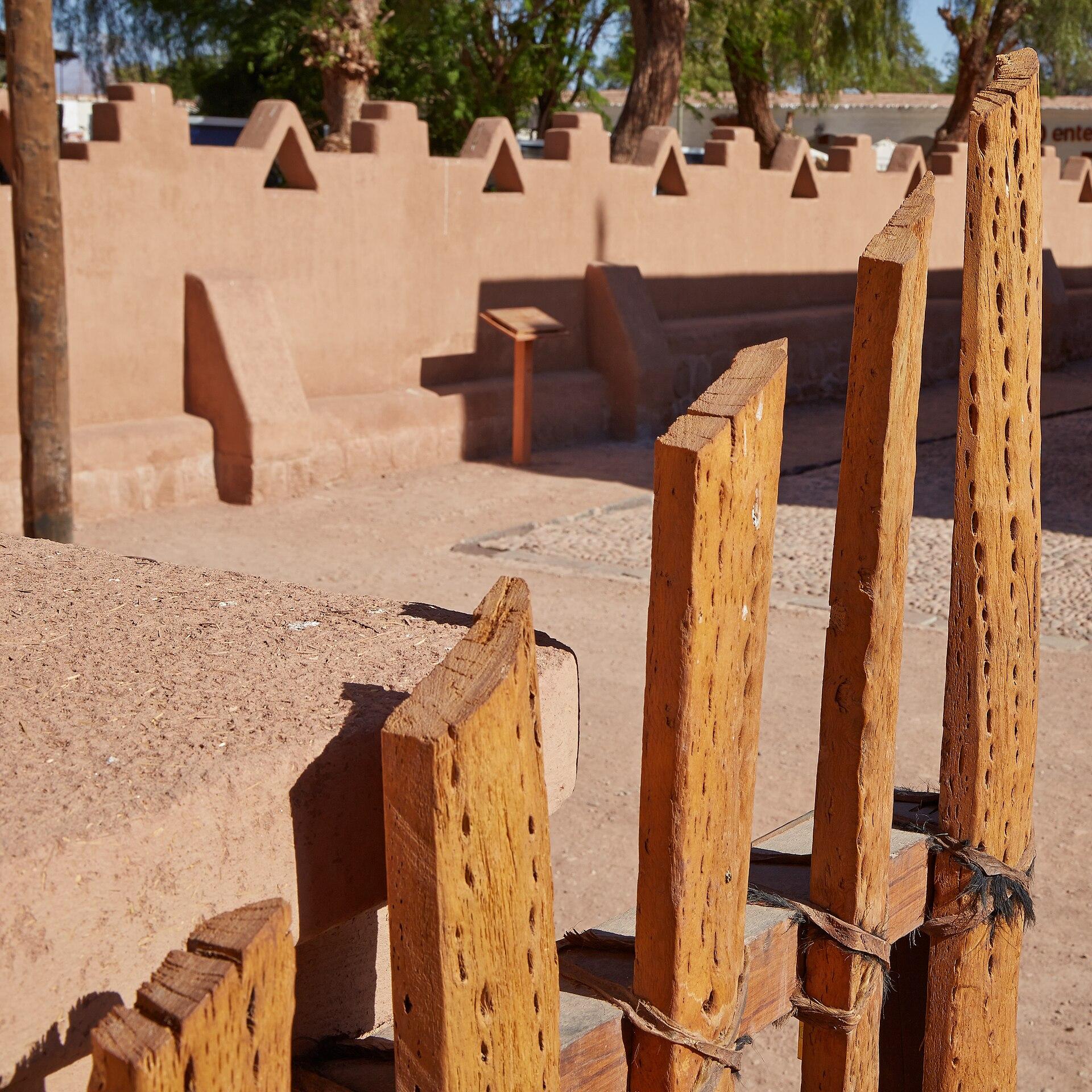
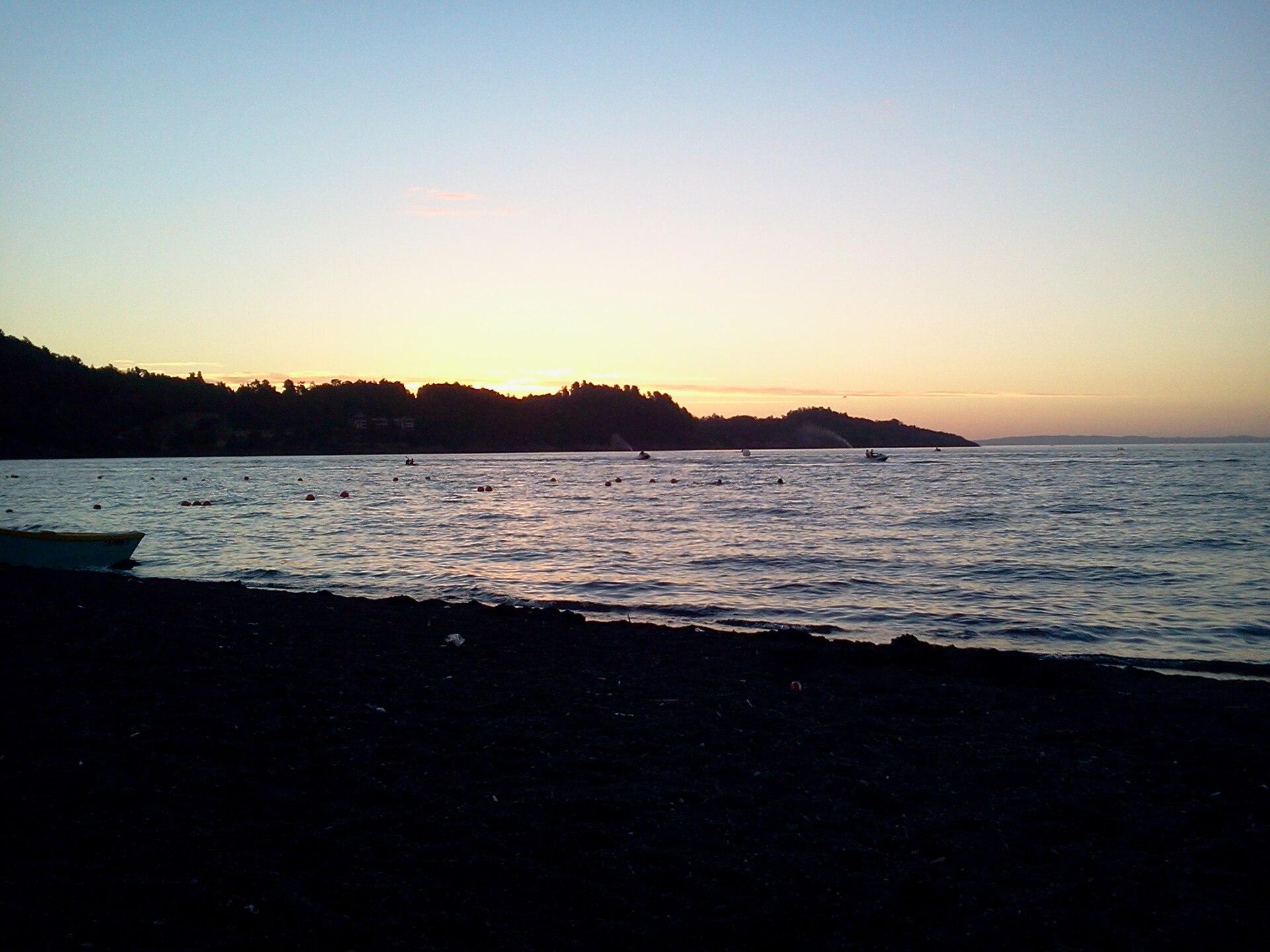
The Atacama receives less than 1 mm of rain per year near San Pedro de Atacama (2,438 m elevation), yet hosts salt flats, geysers, and flamingo lagoons within a 90-minute drive. The Lakes District — roughly between Temuco and Puerto Montt — counts nine snow-capped volcanoes and a string of glacier-fed lakes. Easter Island (Rapa Nui), 3,700 km west of the Chilean coast in the Pacific, draws visitors for its 900 moai statues and is administered as a special territory. Chilean Patagonia, home to Torres del Paine and the Carretera Austral highway (1,240 km of mostly unpaved road), rewards travelers who plan weeks rather than days.
When to Visit Chile
Chile's length means there is no single best season. The Atacama is accessible year-round; evenings drop sharply at altitude even in summer. The Central Valley wine region peaks September through April. Patagonia opens properly from mid-October to late March, when the W Trek and O Circuit in Torres del Paine are fully operational. The Lakes District is most walkable November through February. Santiago winters (June–August) are mild and often sunny, though Andean ski resorts like Valle Nevado (46 km from the capital) reach their peak.
Practical Tips for Visiting Chile
- Currency: Chilean peso (CLP); ATMs in Santiago and major cities accept international cards.
- Getting around: The Ruta 5 (Pan-American Highway) covers 3,000 km between Arica and Puerto Montt; domestic flights with Sky Airline or JetSMART cut long distances to under two hours.
- Entry: Most passport holders receive a 90-day tourist stamp on arrival; no visa required for EU, US, UK, Canadian, or Australian nationals.
- Altitude: San Pedro de Atacama sits at 2,438 m — allow 24 hours to acclimatize before strenuous activity.
- Packing: Pack layers for Patagonia regardless of season; wind at Torres del Paine can exceed 100 km/h.
- Book ahead: Torres del Paine campsites and mountain lodges sell out months in advance for the November–February peak.
Frequently Asked Questions
Q: What is the currency in Chile and is cash necessary outside Santiago? A: Chile uses the Chilean peso (CLP). In smaller Patagonian towns and along the Carretera Austral, cash is often essential as card terminals are unreliable. Withdraw pesos in Puerto Montt or Coyhaique before heading into remote areas.
Q: How long does it take to travel between Santiago and Torres del Paine? A: Flying Santiago to Punta Arenas takes about three hours; from Punta Arenas, Puerto Natales is a further 250 km by bus or shuttle, typically three hours. Allow a full travel day from the capital.
Q: Is Easter Island included in standard Chile travel visas? A: Yes — Rapa Nui is Chilean territory and the same tourist stamp covers the island. Since 2022, visitors must obtain a free entry permit from the Rapa Nui Municipal Council before arrival to limit daily visitor numbers.
Q: When do geysers in the Atacama erupt and are tours guided? A: The El Tatio geyser field (4,320 m elevation, 95 km north of San Pedro) is most active at dawn, typically between 06:00 and 09:00. Tours depart San Pedro around 04:00; guiding is not legally mandatory but strongly advised given the altitude and terrain.
Q: What hotel options exist along the Carretera Austral? A: Accommodation along the Carretera Austral ranges from family-run hospedajes in Villa O'Higgins to mid-range lodges in Futaleufú and Puyuhuapi. Reservations are essential from December through February; many properties close May through August.