Hotels in Cook Islands
2 cities · 4 hotels
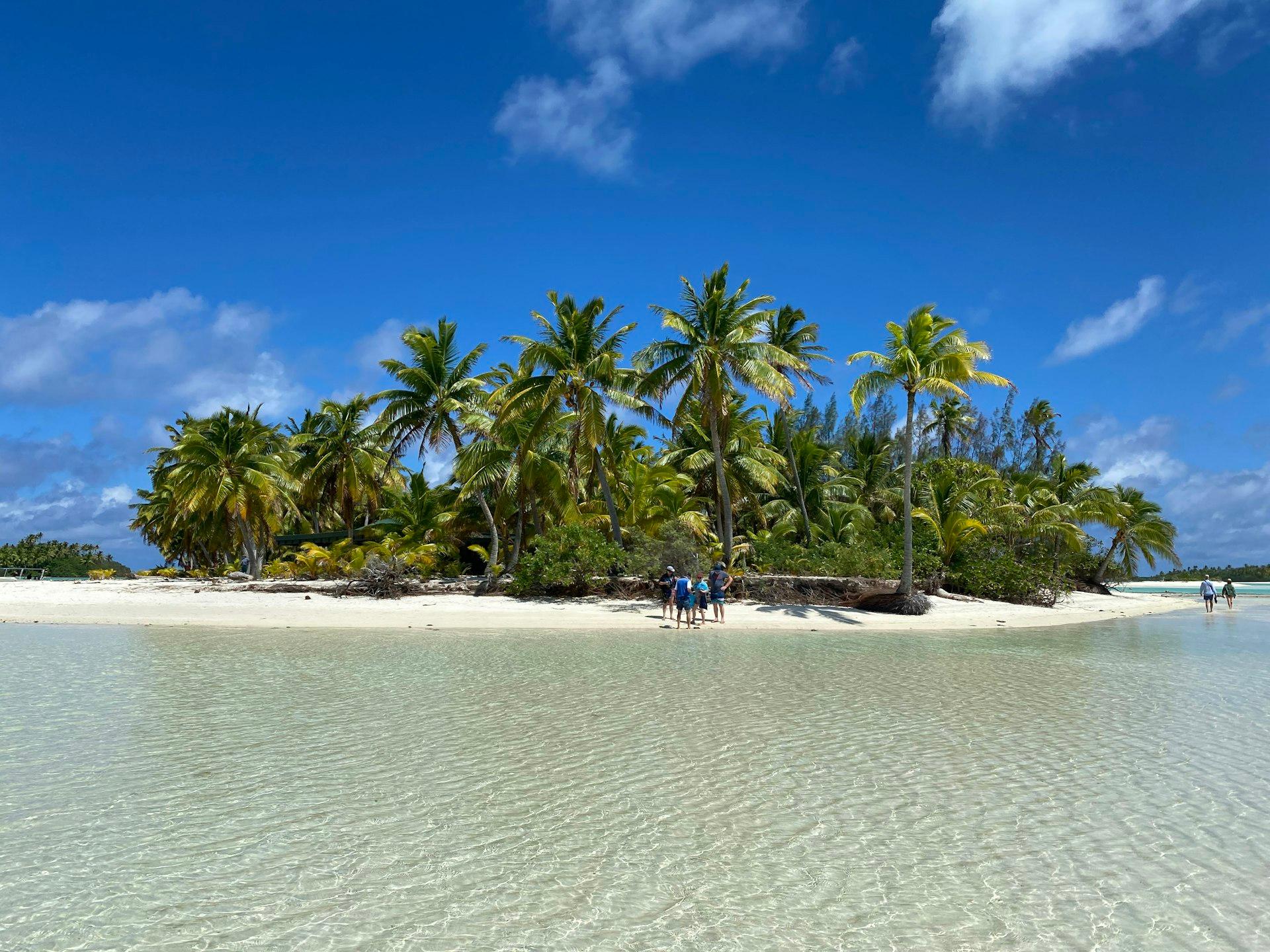
Photo by Christoph Burgdorfer on Unsplash
Cook Islands: Coral Reefs, Lagoons, and Polynesian Culture
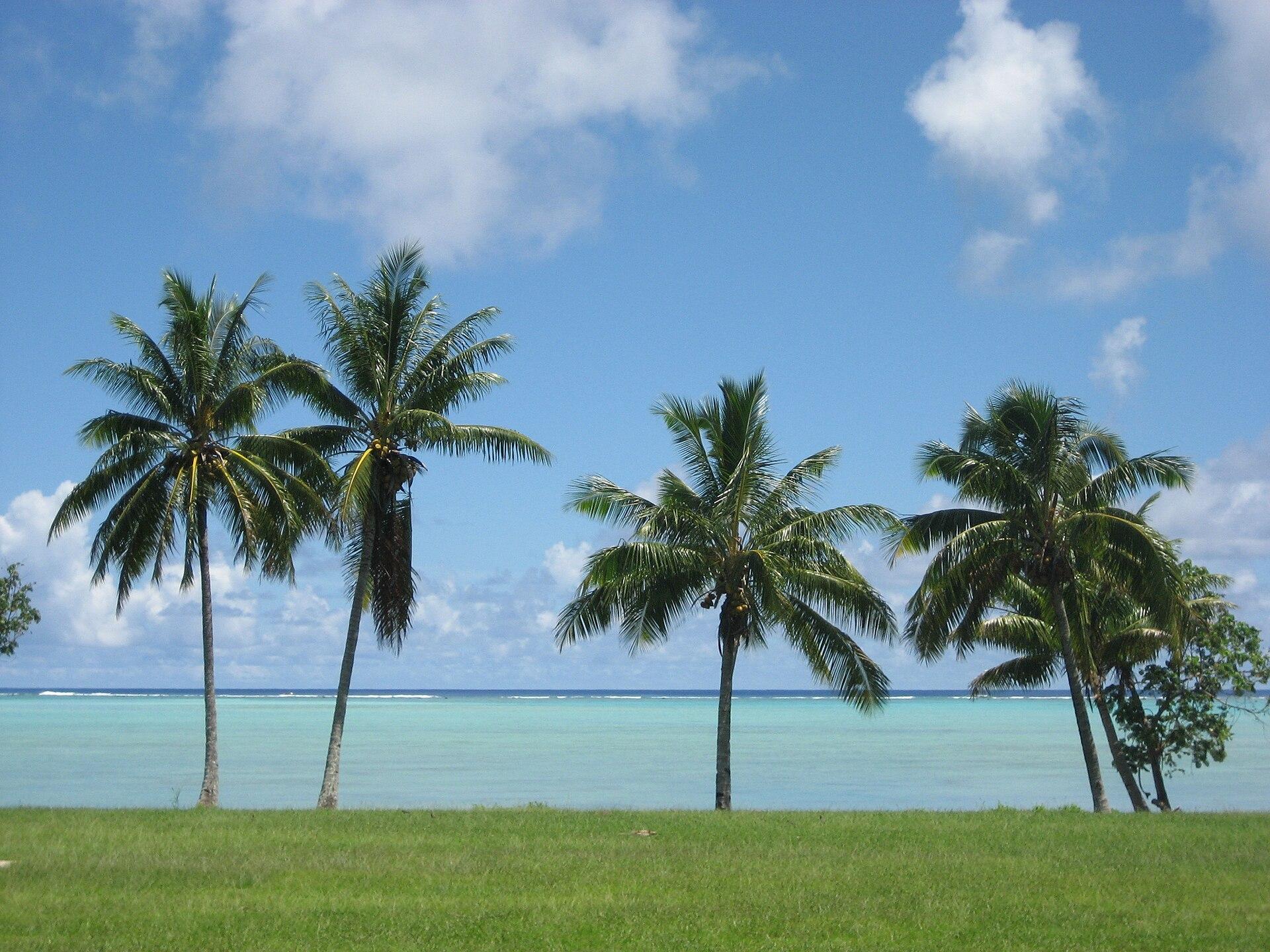
The Cook Islands sit in the South Pacific Ocean, roughly 3,000 km northeast of New Zealand and 1,300 km southwest of French Polynesia. The nation comprises 15 islands spread across 2.2 million km² of ocean, divided into the Northern Group (low coral atolls) and the Southern Group (volcanic, mountainous islands). Total land area is just 240 km². Despite the compact geography, the range of landscapes — from Rarotonga's interior jungle ridges rising to 652 m at Te Manga peak to the flat reef-fringed atolls of Pukapuka — is striking.
Cities Worth Exploring
Avarua, the capital on Rarotonga's north coast, is the commercial and cultural hub. The Punanga Nui Market runs every Saturday morning and sells local produce, black pearls, and tivaevae quilts. The island's Cross-Island Track cuts 3 km through rainforest from Avatiu Harbour to the south coast. Aitutaki, 225 km north of Rarotonga, holds what many geographers describe as one of the most photographed lagoons in the Pacific — a triangular reef enclosing 50 km² of shallow water and 21 islets called motu. A day trip from Avarua by a 45-minute flight is the standard approach.
Island Groups and Regions
The Southern Group holds the majority of the population and nearly all visitor infrastructure. Rarotonga accounts for roughly 75% of the country's 17,000 residents. Mangaia, the oldest geological island in the Pacific at an estimated 18 million years old, is 200 km southeast of Rarotonga and receives fewer than 500 visitors annually. Its coral makatea cliffs ring a volcanic interior with cave systems used historically as burial sites. Atiu (also called Enua Manu, Island of Birds) shelters the kopeka swift — a species found nowhere else — and a dense cave network at Anatakitaki Cave.
The Northern Group atolls — including Penrhyn (Tongareva), the largest atoll by lagoon area at 233 km² — remain genuinely remote. Penrhyn has no regular tourism infrastructure; access is by charter flight or occasional cargo vessel.
When to Visit the Cook Islands
The dry season runs April through November, with trade winds keeping temperatures between 22 °C and 27 °C. The wet season (December–March) brings higher humidity and the risk of tropical cyclones; the peak cyclone window is January to March. July and August are the busiest months for Southern Hemisphere travelers, particularly from New Zealand and Australia. The Te Maeva Nui festival in late July marks the anniversary of self-governance (1965) with dance competitions, traditional sports, and outrigger canoe races across all major islands.
Practical Tips for Visiting Cook Islands
- Getting there: Direct flights from Auckland take approximately 3.5 hours; Air Rarotonga connects the outer islands by propeller aircraft.
- Currency: The New Zealand Dollar (NZD) is the official currency; Cook Islands coins circulate locally but are not accepted outside the country.
- Accommodation: Hotels and guesthouses concentrate on Rarotonga and Aitutaki; book Aitutaki properties at least three months ahead for July–August travel.
- Getting around Rarotonga: A bus service (clockwise and anti-clockwise loops) runs the 32 km coastal road; scooter hire is widely available.
- Visa: Citizens of New Zealand, Australia, the UK, EU, and the US receive a 31-day visitor permit on arrival, extendable to 6 months.
- Health: No mandatory vaccinations, but dengue fever is endemic; use mosquito repellent after dusk.
Frequently Asked Questions
Q: How many islands make up the Cook Islands? A: The Cook Islands comprises 15 islands split into two groups. The Southern Group includes Rarotonga, Aitutaki, Atiu, Mangaia, and others; the Northern Group consists of low coral atolls including Penrhyn and Pukapuka.
Q: Is Rarotonga or Aitutaki better for a first visit? A: Rarotonga suits travelers who want a base with restaurants, cultural sites, and hiking. Aitutaki is quieter, with fewer than a dozen hotels, and is primarily chosen for lagoon snorkeling and water activities. Many visitors combine both islands on a single trip.
Q: What language is spoken in the Cook Islands? A: Cook Islands Māori and English are both official languages. English is used in all tourist-facing contexts; Cook Islands Māori remains the primary language in villages and outer islands.
Q: Are the Cook Islands part of New Zealand? A: No, but the Cook Islands exists in free association with New Zealand. Cook Islanders hold New Zealand citizenship and use the New Zealand Dollar, but the Cook Islands government manages its own domestic affairs and foreign policy.
Q: What is the best way to see the outer islands? A: Air Rarotonga operates scheduled services to Aitutaki, Atiu, Mangaia, Mitiaro, and Mauke. Northern Group atolls require charter flights or infrequent cargo shipping; travel to Penrhyn, for example, requires advance coordination with the island's administration.