Hotels in Dominican Republic
3 cities · 43 hotels
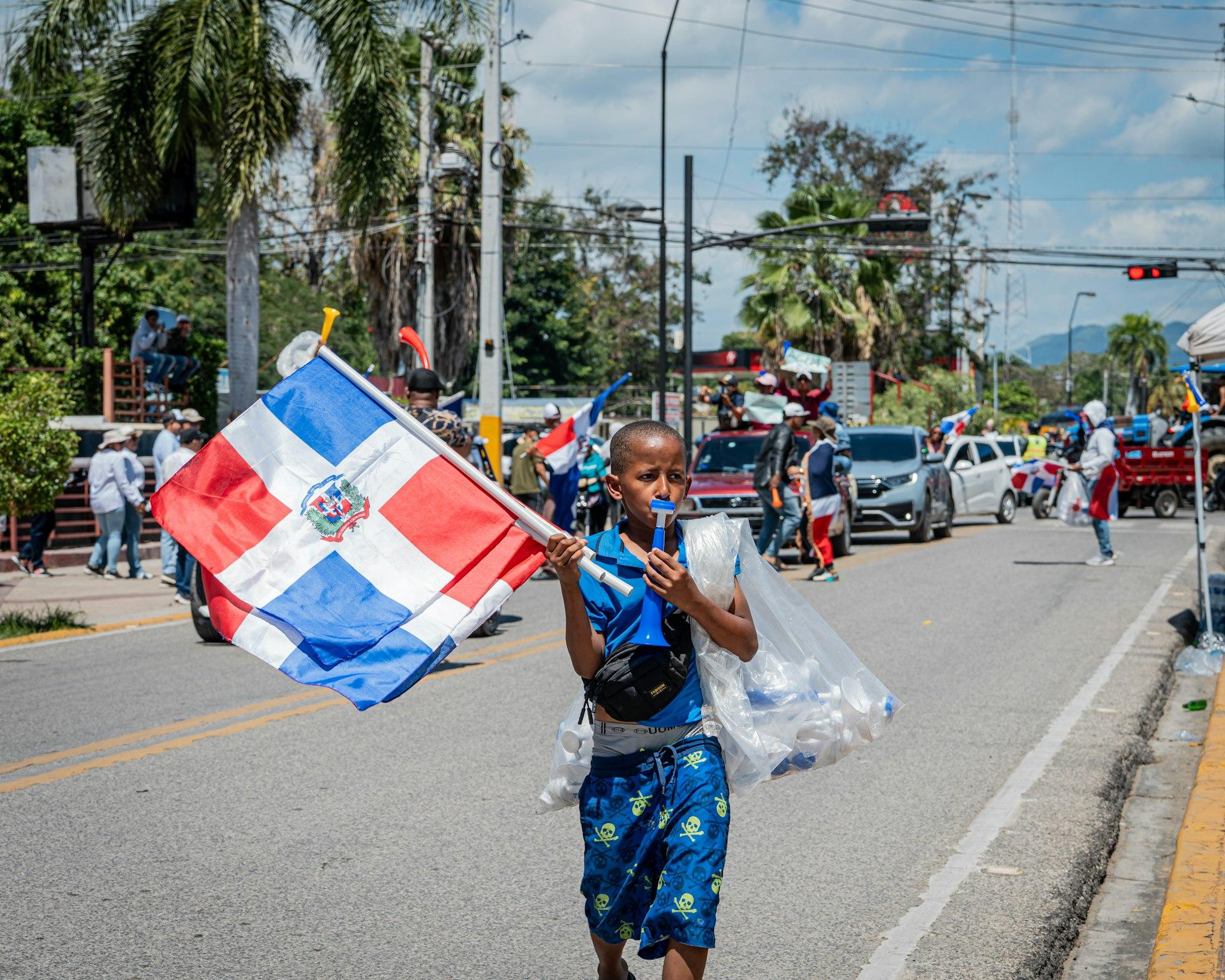
Photo by Jacob Ogando Duran on Unsplash
Dominican Republic: Caribbean History, Mountains, and 1,600 km of Coastline
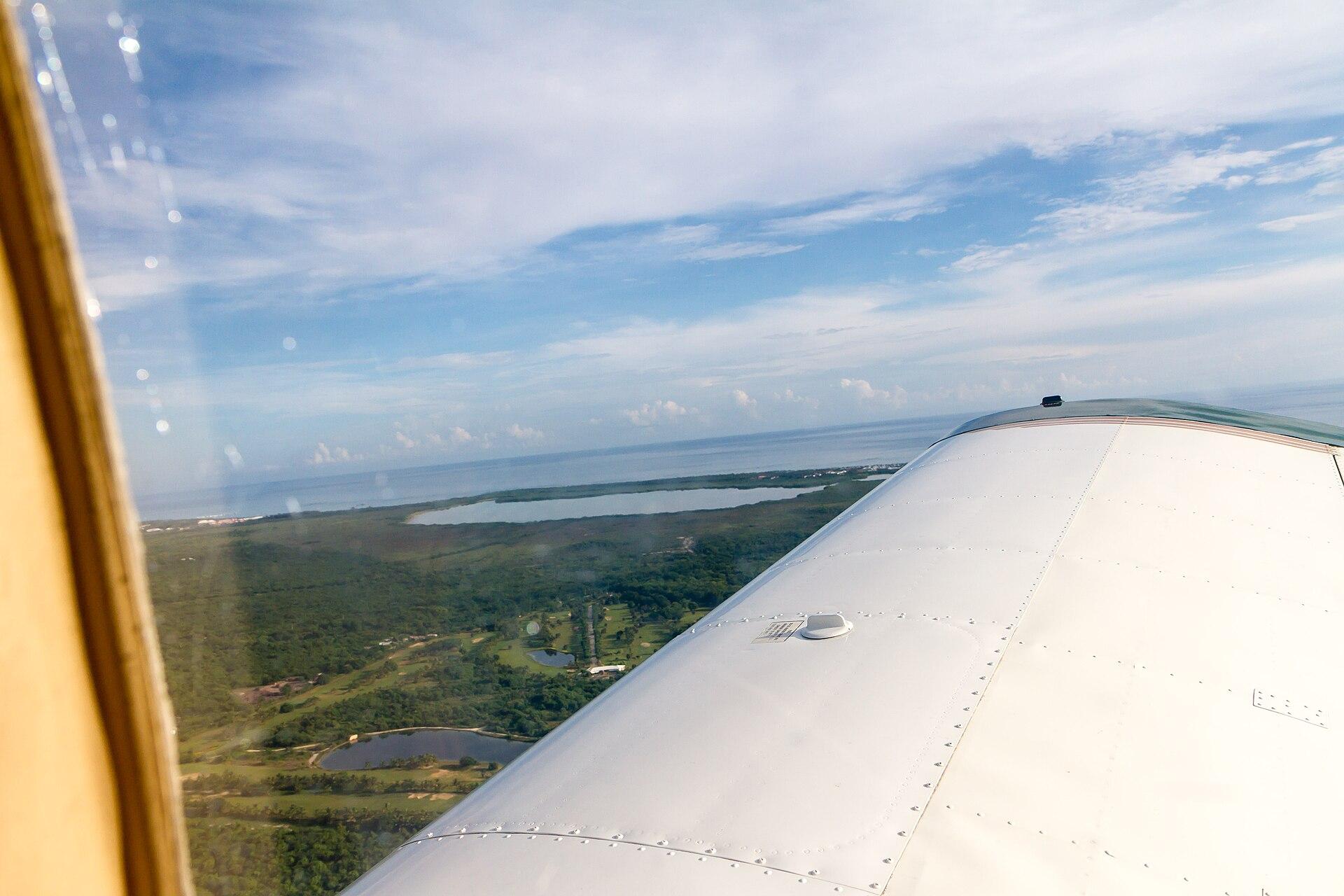
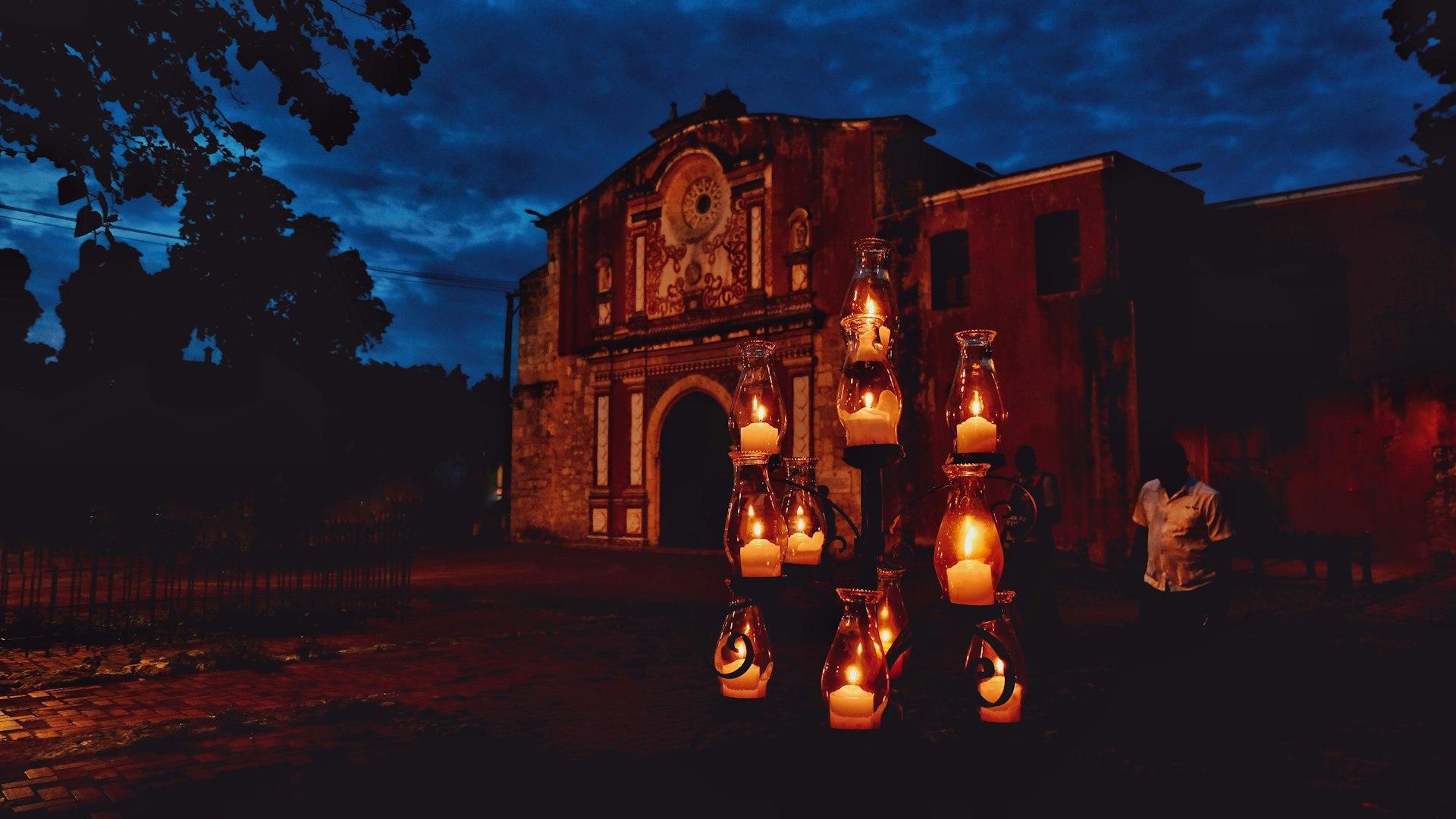
The Dominican Republic occupies the eastern two-thirds of Hispaniola, the second-largest island in the Caribbean. Santo Domingo, founded in 1496, is the oldest continuously inhabited European city in the Americas — its Zona Colonial is a UNESCO World Heritage Site housing the first cathedral, hospital, and university built in the New World. Beyond the capital, the country spans 48,670 square kilometers of terrain ranging from the Cordillera Central (where Pico Duarte rises to 3,087 m, the highest peak in the Caribbean) to low-lying sugarcane plains and coral-fringed coastlines.
Cities Worth Exploring
Santo Domingo anchors the south coast and holds over three million residents in its metro area. The Zona Colonial's cobblestone Calle Las Damas — the first paved street in the Americas — leads to the Alcázar de Colón, the palace built for Diego Columbus around 1510. North of the capital, Santiago de los Caballeros is the country's second city, an agricultural and industrial hub in the Cibao Valley, known for tobacco processing and the Monumento a los Héroes de la Restauración. On the north coast, Puerto Plata grew as a 19th-century port and retains a Victorian-era town center alongside Playa Dorada, a strip of all-inclusive resorts east of the city. Punta Cana, in the far east, is technically a resort corridor rather than a city — its international airport handles more arrivals than Santo Domingo and serves dozens of beach hotels along Bávaro Beach.
Regions and Natural Draws
The Samaná Peninsula juts northeast into the Atlantic and draws humpback whales between January and March each year; boats depart from Las Terrenas and Santa Bárbara de Samaná. The Los Haitises National Park, reachable by boat from Samaná Bay, protects 1,600 hectares of karst limestone formations, mangrove channels, and Taíno cave art. Inland, the Jarabacoa and Constanza highlands in the Cordillera Central offer white-water rafting on the Río Yaque del Norte and temperatures that drop to 10 °C in winter — a contrast rarely associated with Caribbean travel. The southwestern Barahona coast, largely undeveloped, fronts the Sierra de Bahoruco and the saltwater Lago Enriquillo, which sits 46 m below sea level and shelters American crocodiles and flamingos.
When to Visit
The dry season runs from December through April — the period most travelers target for beach stays. The Semana Santa week before Easter draws large domestic crowds to coastal resorts. Hurricane season spans June through November, with peak risk in August and September; the north coast and Samaná receive more rainfall year-round than the drier southeast. January and February offer the best combination of dry weather and whale-watching in Samaná Bay.
Practical Tips for Visiting Dominican Republic
- Currency: Dominican peso (DOP); US dollars accepted widely at resort areas but exchange rates favor pesos for local markets.
- Getting around: Público minibuses connect most towns cheaply; intercity coach lines (Caribe Tours, Metro Bus) link Santo Domingo to Santiago and Puerto Plata. Car rental is practical for Barahona and the highlands.
- Entry: Most nationalities purchase a tourist card on arrival or online; verify current requirements before travel.
- Health: Tap water is not potable outside filtered hotel systems — use bottled water.
- Language: Spanish is the official language; English is common in resort zones but less so in inland towns.
Frequently Asked Questions
Q: What is the currency in the Dominican Republic? A: The official currency is the Dominican peso (DOP). US dollars are widely accepted in Punta Cana and other resort areas, though local vendors and markets price in pesos.
Q: Is Punta Cana the only beach destination? A: No. Bávaro and Punta Cana are the largest resort concentrations, but Las Terrenas on the Samaná Peninsula, Cabarete near Puerto Plata (a kitesurfing hub), and Barahona on the southwest coast each offer distinct environments and smaller hotel options.
Q: How do travelers get between Santo Domingo and Punta Cana? A: Punta Cana International Airport (PUJ) is roughly 190 km east of Santo Domingo. Direct international flights are plentiful; shared shuttle transfers take approximately 2.5 hours by road.
Q: When do humpback whales arrive in Samaná Bay? A: Humpback whales migrate to Samaná Bay each year from approximately mid-January through late March. Whale-watching tours run daily from Las Terrenas and the town of Samaná during this window.
Q: Is the Dominican Republic safe for travelers? A: Safety conditions vary by location. Resort corridors in Punta Cana and Puerto Plata have low incident rates for tourists. In Santo Domingo, the Zona Colonial and Piantini neighborhood are generally considered safe; standard urban precautions apply elsewhere.
Q: What language is spoken, and is English sufficient? A: Spanish is the official and daily language. English is functional in Punta Cana, Cabarete, and Las Terrenas; in Santiago and inland areas, basic Spanish is practical for navigation and shopping.