Hotels in El Salvador
3 cities · 42 hotels
Photo by Ricardo Ardon on Unsplash
El Salvador: Pacific Surf Coast, Colonial Towns & Volcanic Highlands
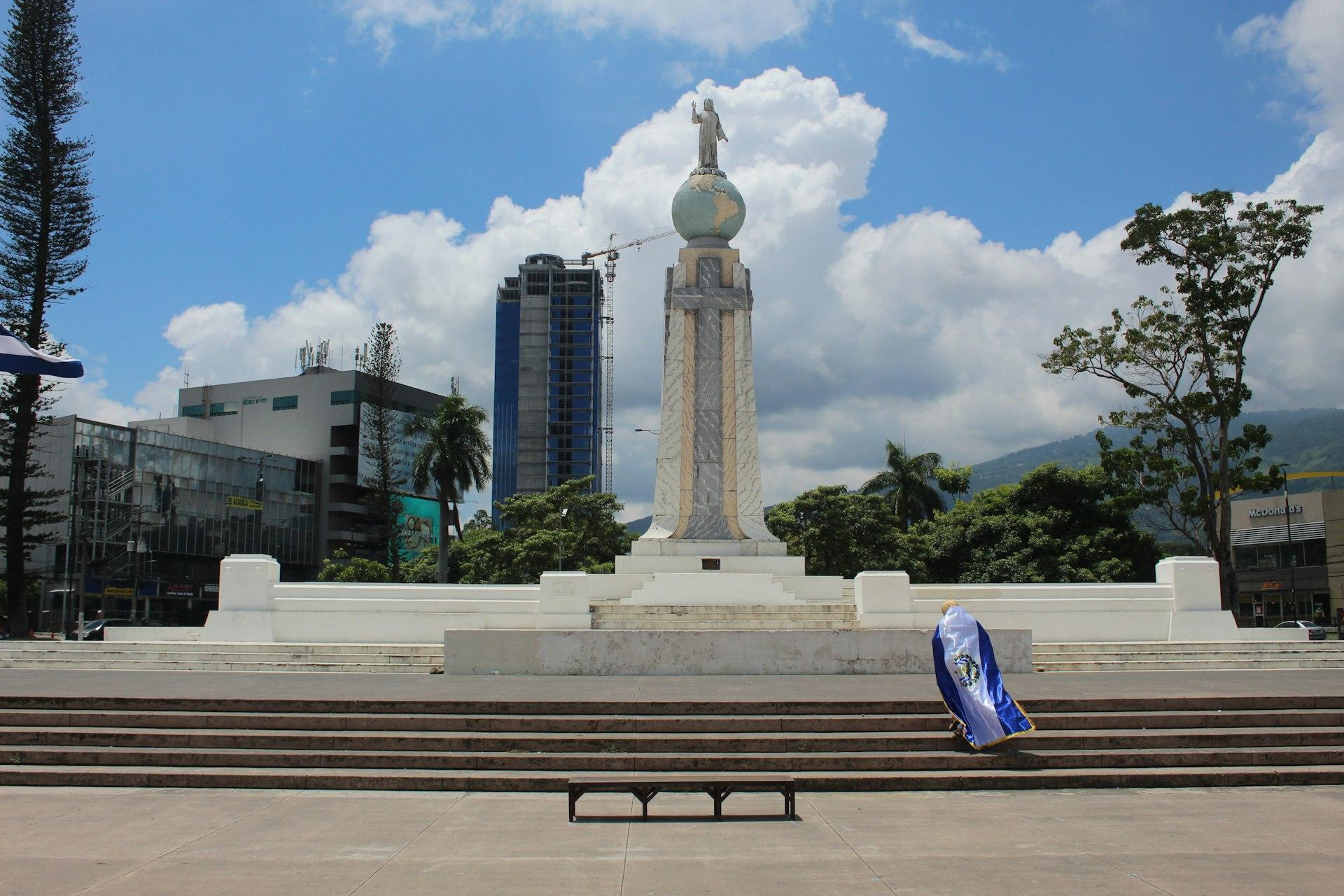
El Salvador is Central America's smallest country at 21,041 km², yet it packs volcanic crater lakes, colonial architecture, and 300 km of Pacific coastline into a territory smaller than Massachusetts. The country sits on the Ring of Fire, with 20 volcanoes — six still active — visible from main highways. San Salvador, the capital, anchors the central valley at 658 m elevation, while the surf-famous La Libertad department lies just 34 km south.
Cities Worth Exploring
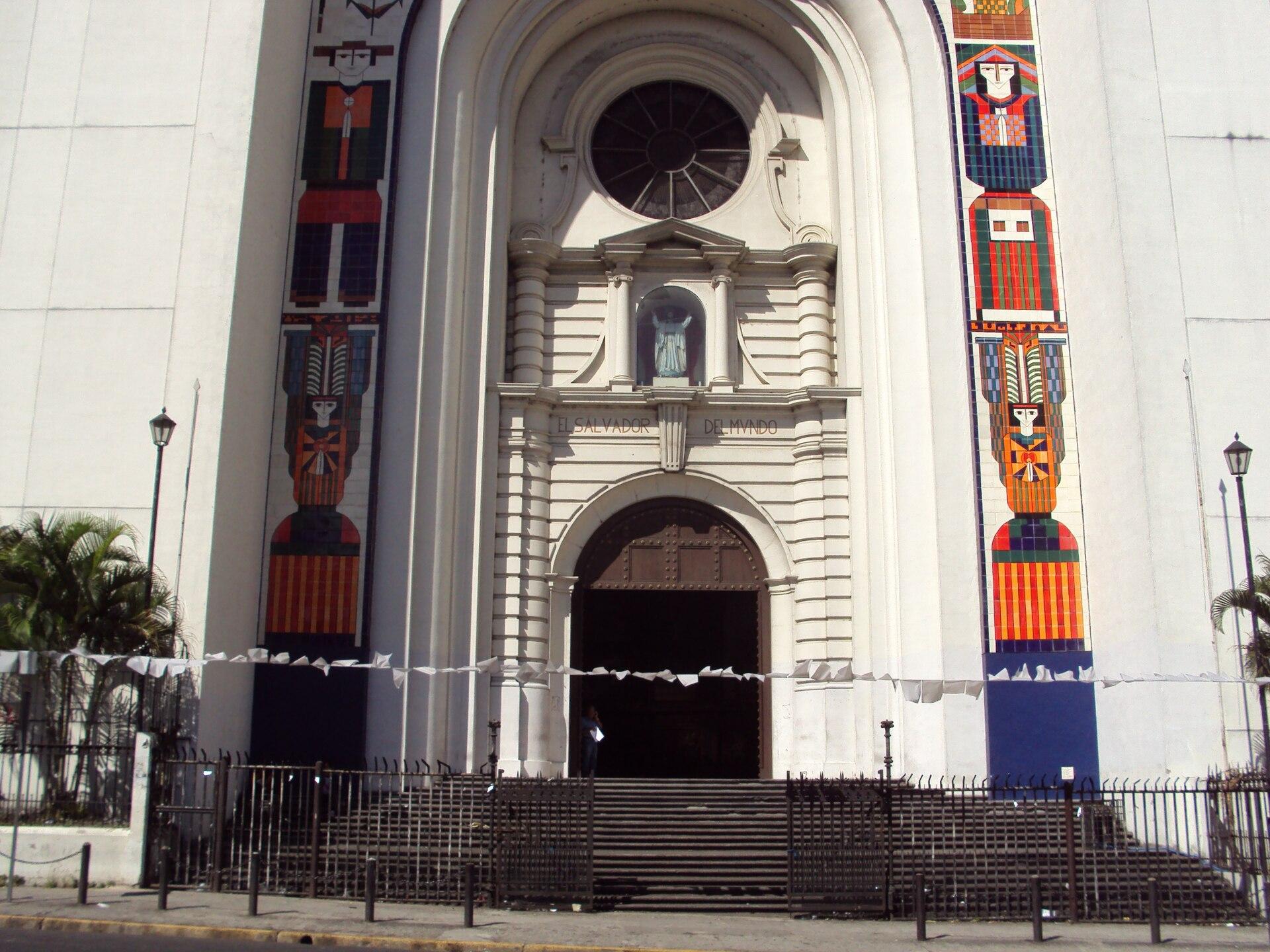
San Salvador holds the bulk of the country's hotels, from budget guesthouses in the Zona Rosa entertainment district to 4-star properties along Boulevard del Hipódromo in Colonia San Benito. The city's Mercado Central and the Catedral Metropolitana — rebuilt after the 1986 earthquake — anchor the historic downtown. Northeast, Santa Ana is El Salvador's second city and gateway to Cerro Santa Ana, one of the region's most accessible active volcano hikes. Colonial Suchitoto, 47 km north of the capital on Lago Suchitlán, draws weekend visitors to its cobblestone streets, indigo workshops, and ferry crossings to small islands.
Surf Beaches and the Pacific Corridor
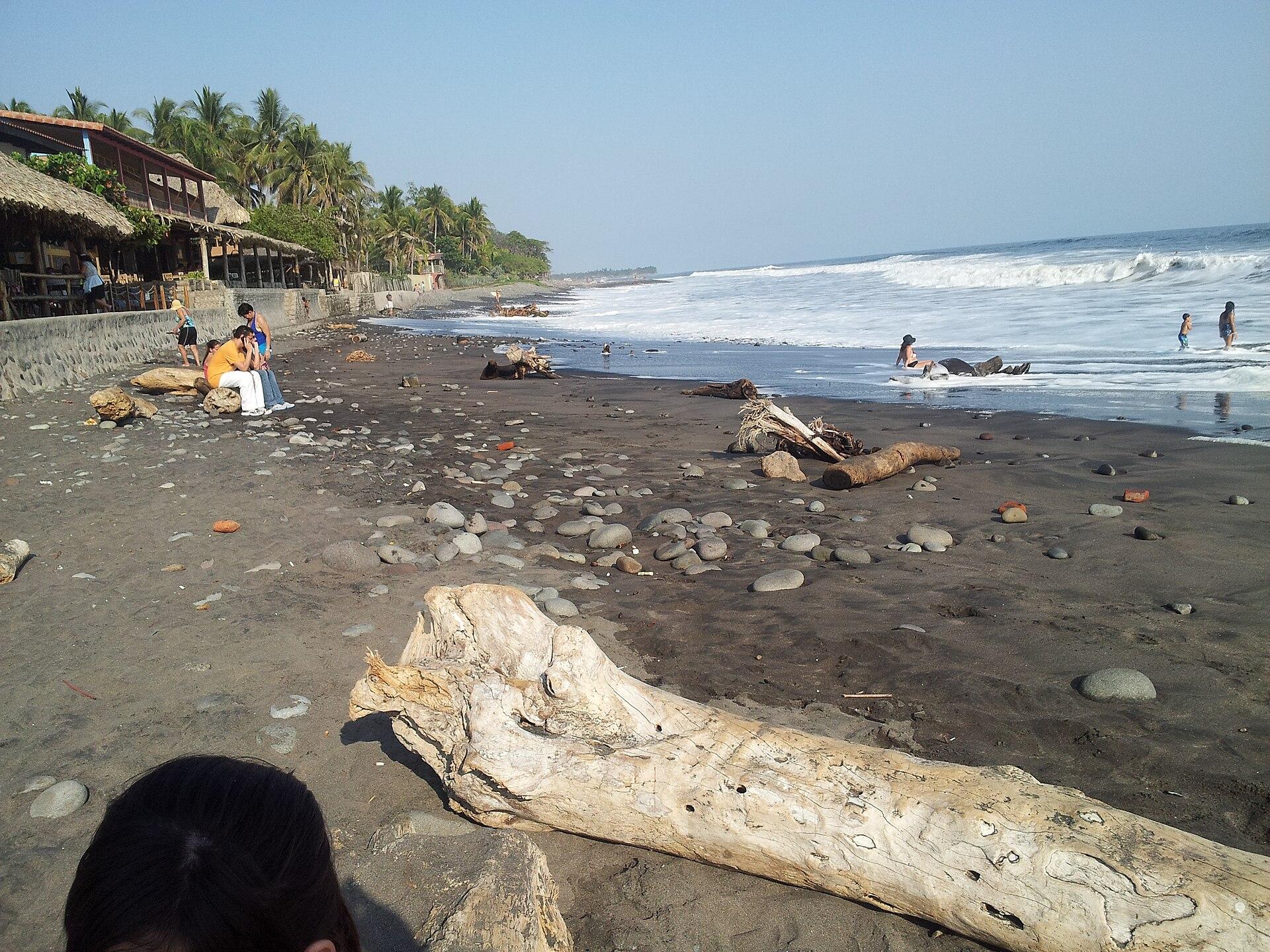
The Ruta del Sol along the Pacific coast runs from La Libertad westward past Playa El Tunco, Playa El Sunzal, and Playa El Zonte — three breaks that rank among Central America's most consistent surf spots. El Tunco generates a right-hand reef break best from November to April. The eastern coast reaches Playa El Cuco in San Miguel department, roughly 170 km from San Salvador, where calmer bays suit families and snorkelers. Fishing villages between these points offer low-rise hostel and boutique-hotel clusters directly on the sand.
When to Visit El Salvador
The dry season runs November through April, with near-daily sun across the Pacific lowlands. Semana Santa (Holy Week, March–April) fills coastal hotels and is the country's peak domestic travel week — book several months ahead. The wet season (May–October) keeps hillside coffee country green and reduces crowds at archaeological sites like Joya de Cerén, a UNESCO World Heritage Site since 1993 preserving a Maya farming village buried by a volcanic eruption around 600 CE. Highland towns such as Alegría and Perquín remain comfortable year-round at above 1,200 m.
Practical Tips for Visiting El Salvador
- Currency: The US dollar has been legal tender since 2001; Bitcoin became legal tender in 2021, accepted at some coastal businesses.
- Getting around: Intercity buses connect major towns for under $2; private shuttles link San Salvador to La Libertad in 45 minutes.
- Safety: Stick to tourist corridors and consult current advisories; Colonia Escalón and San Benito in the capital are the safest residential and hotel zones.
- Voltage: 110 V / 60 Hz — North American plugs fit without adapters.
- Entry: Citizens of most Western nations receive a 90-day visa-free stay under the CA-4 agreement.
Frequently Asked Questions
Q: What is the best area to stay in El Salvador for first-time visitors? A: Colonia San Benito and Zona Rosa in San Salvador provide the widest hotel range, restaurant access, and transport links. Travelers focused on surfing base themselves at Playa El Tunco, 34 km from the capital.
Q: How many days are needed to see El Salvador? A: A focused itinerary covering San Salvador, one Pacific beach, and Suchitoto or Santa Ana requires five to seven days. Adding the eastern coast and Ruta de las Flores flower-village circuit extends a trip to ten days.
Q: Is El Salvador safe for travelers? A: The government's security crackdown from 2022 onward has sharply reduced gang-related crime in tourist areas. Visitors should still check current foreign ministry advisories and avoid unmarked rural roads after dark.
Q: What is the cheapest month to book hotels in El Salvador? A: September and October sit in the middle of the rainy season and see the lowest hotel rates nationally. Coastal properties can drop 30–40% compared to December peak pricing.
Q: What language and currency are used? A: Spanish is the official language. The US dollar is the primary currency, eliminating exchange-rate uncertainty for North American travelers.