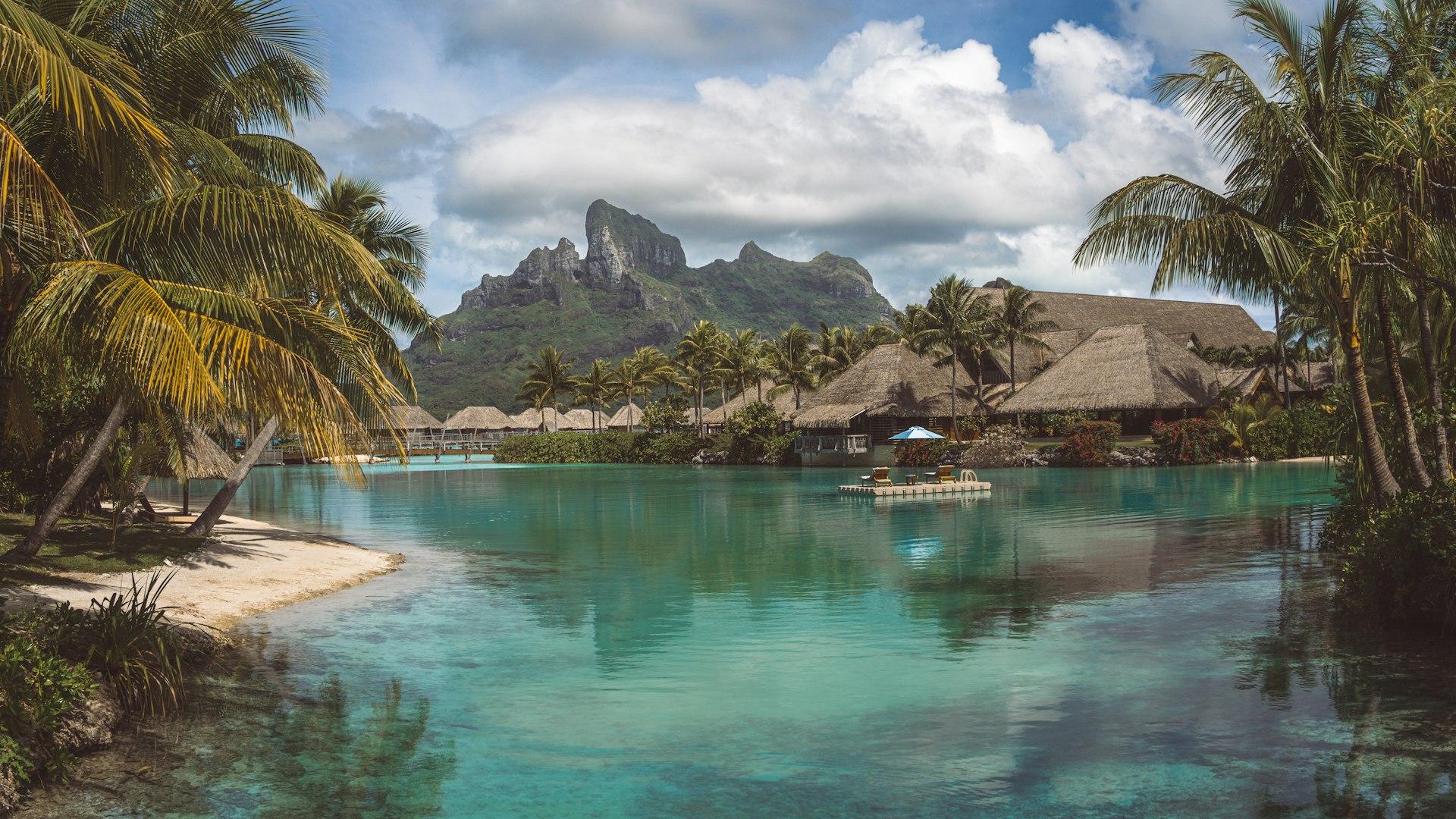
Hotels in French Polynesia
5 cities · 23 hotels
French Polynesia: 118 Islands Across the South Pacific
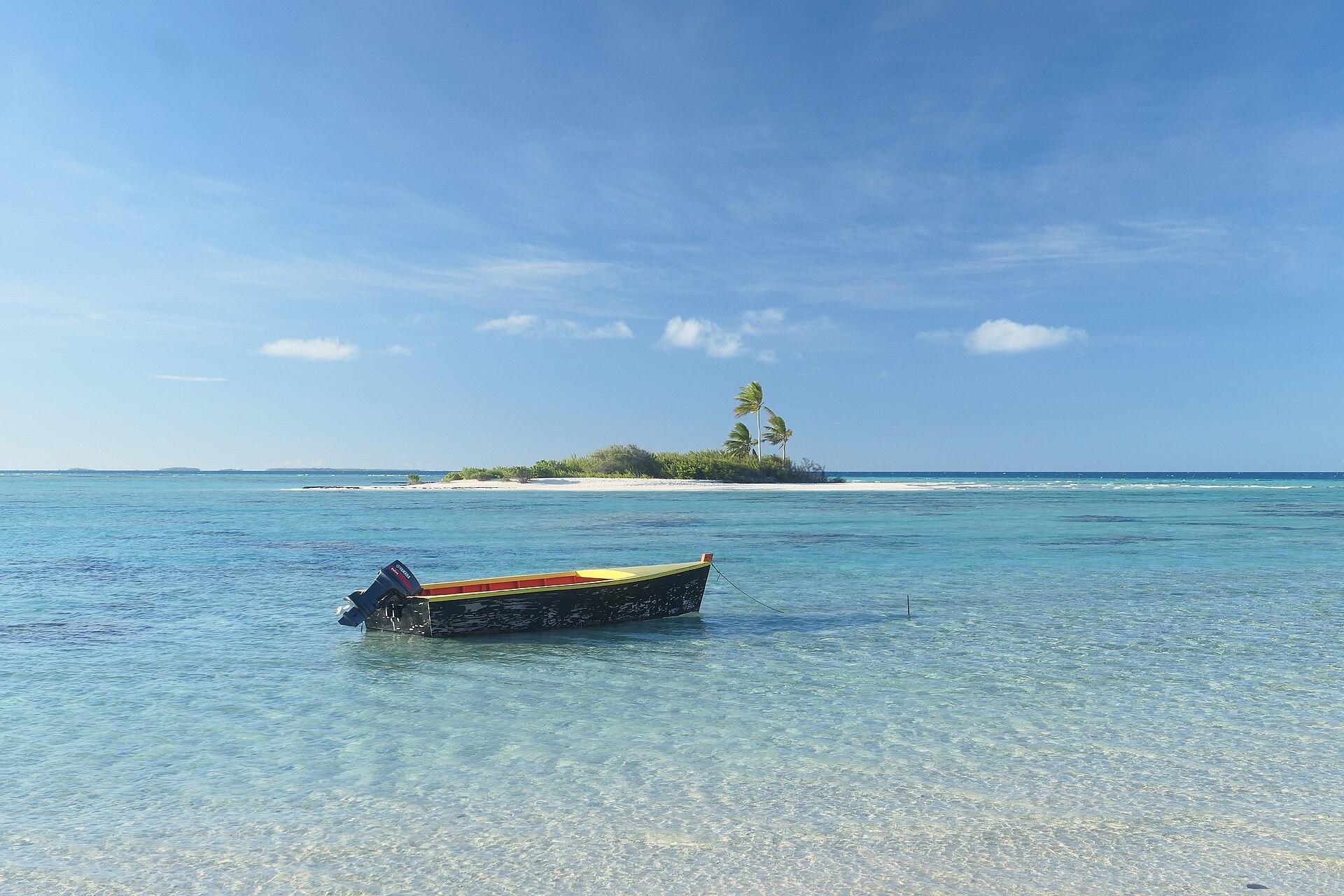
French Polynesia spans 118 islands and atolls scattered across 2.5 million km² of the South Pacific Ocean — an area roughly the size of Western Europe, though the total land mass covers only 3,521 km². The territory divides into five archipelagos: the Society Islands, the Tuamotu Atolls, the Marquesas, the Gambier Islands, and the Austral Islands. French and Tahitian are the official languages; the currency is the CFP franc (XPF). The capital, Papeete, sits on Tahiti, the largest island, and serves as the main international air hub.
Cities and Islands Worth Exploring
Papeete anchors daily life with its covered market — the Marché de Papeete — selling vanilla pods, monoi oil, pareos, and fresh tuna every morning from 05:00. A 20-minute ferry from Papeete reaches Moorea, whose Cook's Bay and Opunohu Bay are framed by jagged basalt peaks rising above 1,000 m. Bora Bora, 270 km northwest of Papeete, sits inside a lagoon rated among the clearest in the Southern Hemisphere; Mount Otemanu reaches 727 m at its centre. Rangiroa, in the Tuamotu chain, holds one of the world's two largest lagoons and draws divers to the Tiputa Pass for drift dives alongside grey reef sharks and dolphin pods.
Archipelagos and Landscapes
The Marquesas Islands — roughly 1,400 km northeast of Tahiti — feature dramatic volcanic ridges, no surrounding coral reef, and a distinct Polynesian cultural heritage visible in stone tiki statues and ancient marae ceremonial platforms. Nuku Hiva, the largest Marquesan island, hosts the valley of Taipivai, which Herman Melville described in his 1846 novel Typee. The Tuamotu Atolls contrast sharply: flat coral rings at sea level, with pearl farms producing the territory's signature Tahitian black pearls — a major export since the 1970s. The Austral Islands, south of the Society chain, see humpback whale aggregations between July and October each year.
When to Visit French Polynesia
The dry season runs May through October, with lower humidity, southeast trade winds, and daytime temperatures around 27 °C. July brings the Heiva Festival in Papeete — a month-long celebration of traditional dance, outrigger canoe racing, and Polynesian athletics that has taken place continuously since 1881. The wet season (November–April) is hotter and more humid, with occasional cyclone risk in the Tuamotu and Austral groups, though Moorea and Bora Bora remain accessible year-round. Whale-watching in the Australs and Rurutu peaks in August and September.
Practical Tips for Visiting French Polynesia
- Getting there: Direct flights from Los Angeles reach Papeete's Faa'a International Airport in roughly 8 hours; Air Tahiti Nui and Air France operate regular routes.
- Inter-island transport: Air Tahiti connects 47 islands; cargo-passenger ships (goélettes) serve remote atolls on weekly schedules.
- Accommodation range: Overwater bungalows on Bora Bora and Moorea start well above USD 500 per night; family-run pensions on Huahine and Maupiti offer stays from USD 80–120.
- Currency: CFP franc is pegged to the euro at 119.33 XPF per EUR; credit cards accepted at most resort hotels, less so at outer-island pensions.
- Health: No mandatory vaccinations, but dengue fever risk exists year-round — pack insect repellent for evening hours.
- Packing: A light reef-safe sunscreen is essential; many resorts and dive operators require it to protect the coral.
Frequently Asked Questions
Q: Do visitors need a visa for French Polynesia? A: French Polynesia is a French overseas collectivity. Citizens of EU countries, the US, Canada, Australia, and most Oecd member states receive visa-free entry for stays up to 90 days. A valid passport and onward ticket are required.
Q: Which island is best for diving? A: Rangiroa and Fakarava in the Tuamotu chain rank among the Pacific's leading dive sites, with Fakarava holding UNESCO Biosphere Reserve status since 1977. Both offer channel drift dives with large shark aggregations.
Q: How far is Bora Bora from Papeete? A: Bora Bora lies approximately 270 km northwest of Papeete. Air Tahiti operates multiple daily flights covering the distance in about 50 minutes.
Q: What is the local currency and can cards be used? A: The CFP franc (XPF) is the official currency, fixed to the euro. Major credit cards work at resort hotels and larger Papeete businesses; cash is essential on remote atolls and smaller islands.
Q: When do humpback whales visit French Polynesia? A: Humpback whales migrate to the warm waters around Rurutu and the Austral Islands between July and October, with August and September considered peak sighting months.