Hotels in Ghana
2 cities · 10 hotels
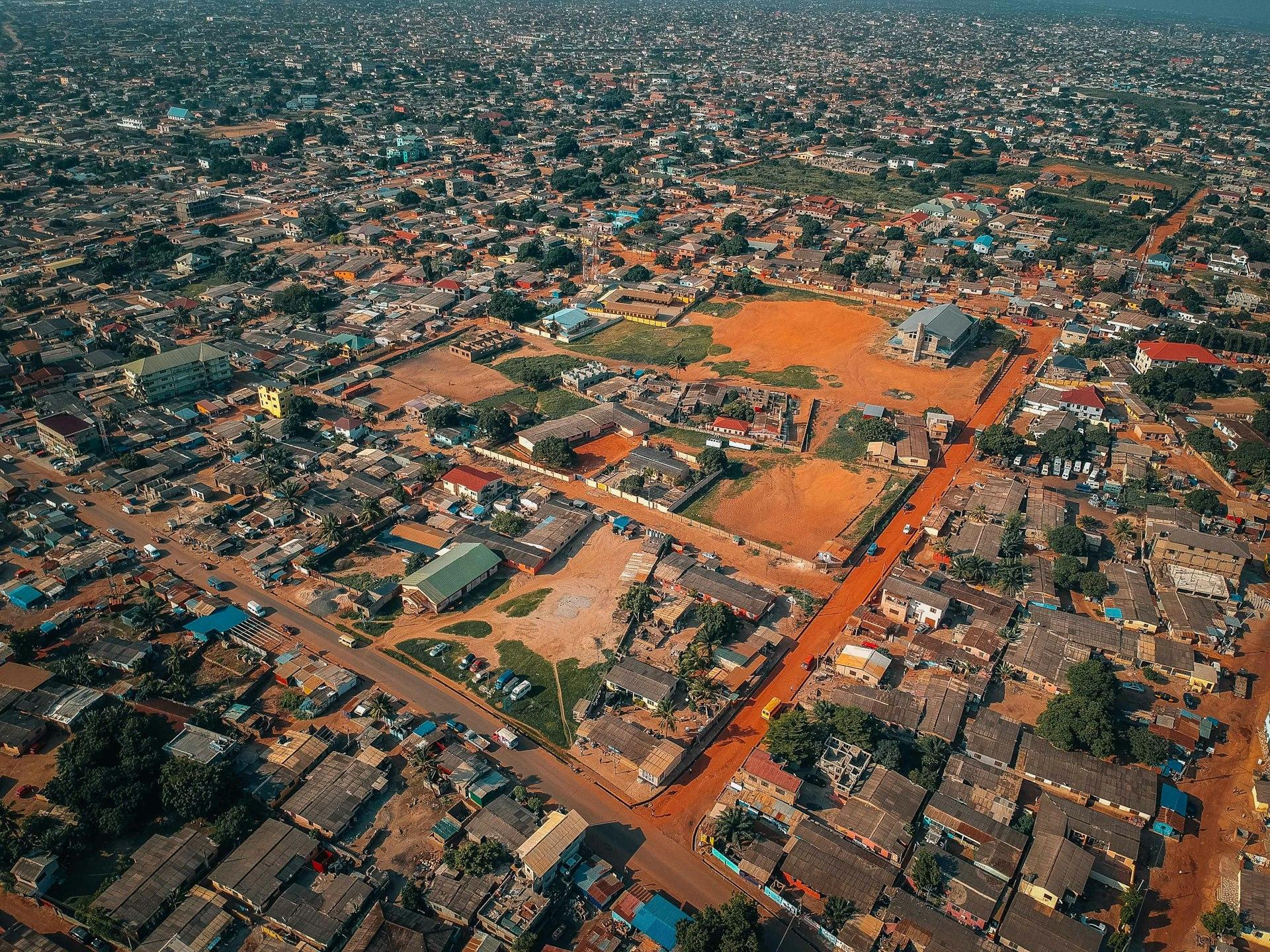
Photo by Virgyl Sowah on Unsplash
Ghana sits on the Gulf of Guinea in West Africa, bordered by Côte d'Ivoire, Burkina Faso, and Togo. Accra, the capital, anchors the coast with Osu's restaurant strip, the Kwame Nkrumah Memorial Park, and Jamestown's colonial lighthouse. Kumasi, two hundred fifty kilometers north, remains the seat of the Ashanti Kingdom and hosts the Manhyia Palace Museum and Kejetia Market, one of West Africa's largest open-air trading centers.
Ghana: Coastal Forts, Ashanti Heritage, and Savanna North
Ghana's coastline stretches over 550 kilometers, dotted with slave-trade era fortresses — Cape Coast Castle and Elmina Castle, both UNESCO World Heritage Sites dating to the 15th and 17th centuries. Inland, the country rises into forested hills around Kumasi before flattening into the savanna of the Northern Region near Tamale and Mole National Park, home to elephants and antelope.
Cities Worth Exploring
Accra offers the widest hotel selection, concentrated in Osu, Airport Residential, and Labadi Beach. Kumasi draws travelers tracing Ashanti history and gold-weight craft markets. Cape Coast, three hours west of Accra, pairs fort visits with Kakum National Park's canopy walkway, suspended 30 meters above the forest floor. Tamale, in the north, serves as the gateway to Mole National Park and the mosques of Larabanga, built in Sudano-Sahelian mud-brick style.
The Slave Coast and Ashanti Interior
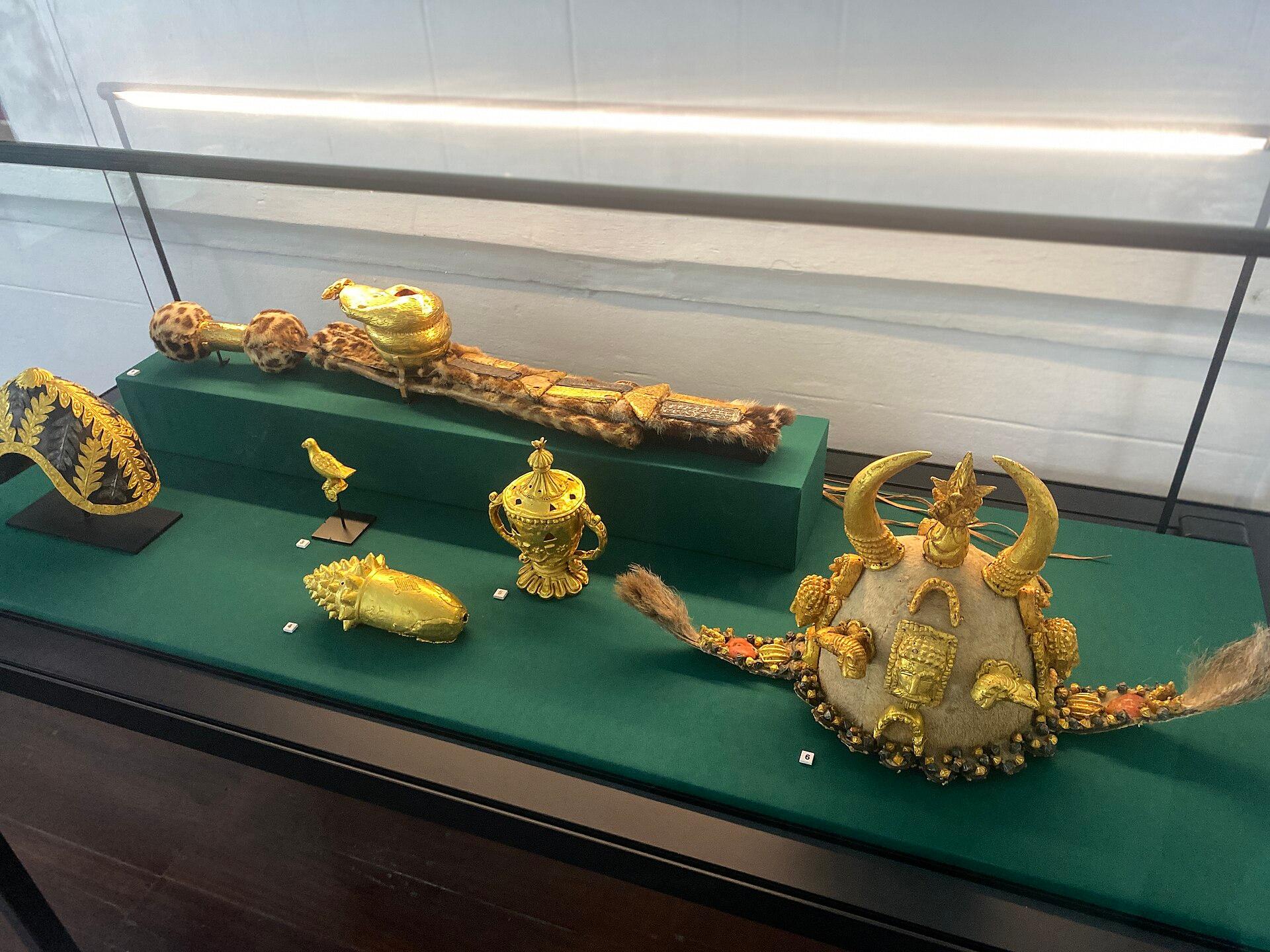
Cape Coast Castle's dungeons and "Door of No Return" anchor Ghana's role in transatlantic history; the Cape Coast to Elmina stretch can be covered in a single day trip from Accra. Kumasi's Ashanti sites — the Manhyia Palace and the annual Akwasidae festival, held every six weeks per the Akan calendar — give access to a monarchy still active today. Kente cloth weaving villages like Bonwire sit 20 kilometers from Kumasi and remain producing centers rather than staged displays.
When to Visit
December through March brings the dry Harmattan season, with dust haze but reliable travel conditions across the north. The rainy season runs April to October, heaviest in June and July, though Accra's coastal climate stays milder than inland regions. Homowo, the Ga people's harvest festival, takes place in Accra each August or September.
Practical Tips for Visiting Ghana
- Getting around: Domestic flights connect Accra to Tamale in under an hour; road travel to Kumasi takes four to five hours by car.
- Currency: The Ghanaian cedi is the local currency; US dollars are accepted at some hotels for payment.
- Entry requirements: A visa and yellow fever vaccination certificate are required for most foreign visitors.
- Language: English is the official language; Twi and Ga are widely spoken.
- Health: Malaria prophylaxis is recommended before travel outside coastal cities.
Frequently Asked Questions
Q: What is the best time to visit Ghana? A: The Harmattan season from December to March offers the driest conditions for travel and sightseeing. Rain is heaviest between June and July.
Q: How many days are needed to see Cape Coast and Elmina? A: A single day trip from Accra covers both castles, though an overnight stay allows time for Kakum National Park's canopy walkway.
Q: Is Ghana safe for independent travelers? A: Accra and Kumasi have established tourist infrastructure and hotel districts; standard urban precautions apply as in most West African capitals.
Q: What language is spoken in Ghana? A: English is the official language, used in business and hotels; Twi and Ga are common regional languages.