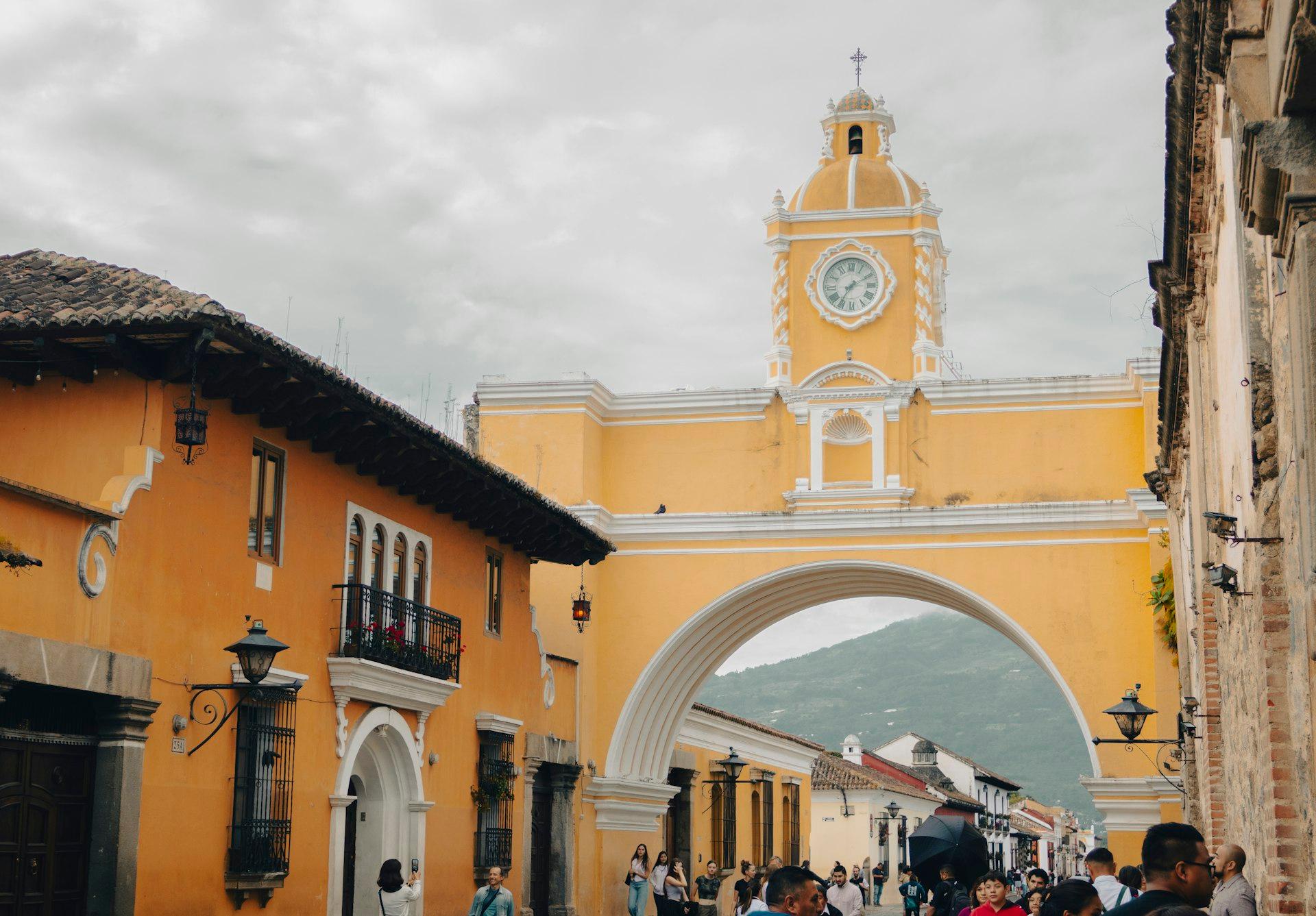
Hotels in Guatemala
4 cities · 19 hotels
Photo by Kevin Serech on Unsplash
Guatemala: Maya Heartland Between Two Oceans
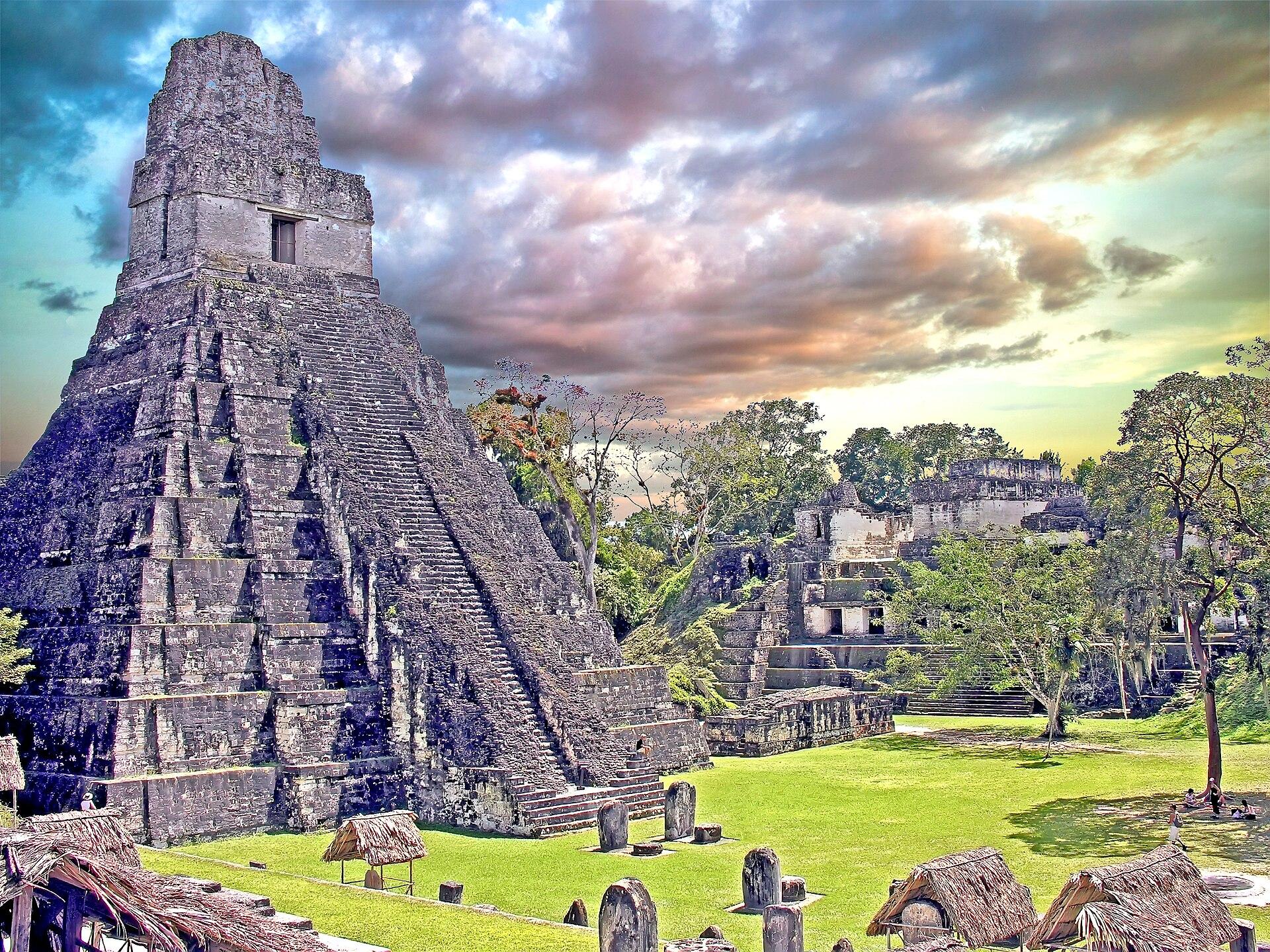
Guatemala sits at the northwestern edge of Central America, bordered by Mexico to the north, Belize to the east, and Honduras and El Salvador to the south. The country covers 108,889 km² and holds more than 33 Maya archaeological sites, including Tikal — a Classic-period city whose Temple IV rises 65 metres above the jungle canopy of El Petén. That single statistic separates Guatemala from its neighbours: nowhere else in the Americas can travelers walk through a living Maya language community in the morning and stand atop a pre-Columbian pyramid the same afternoon.
Cities Worth Exploring
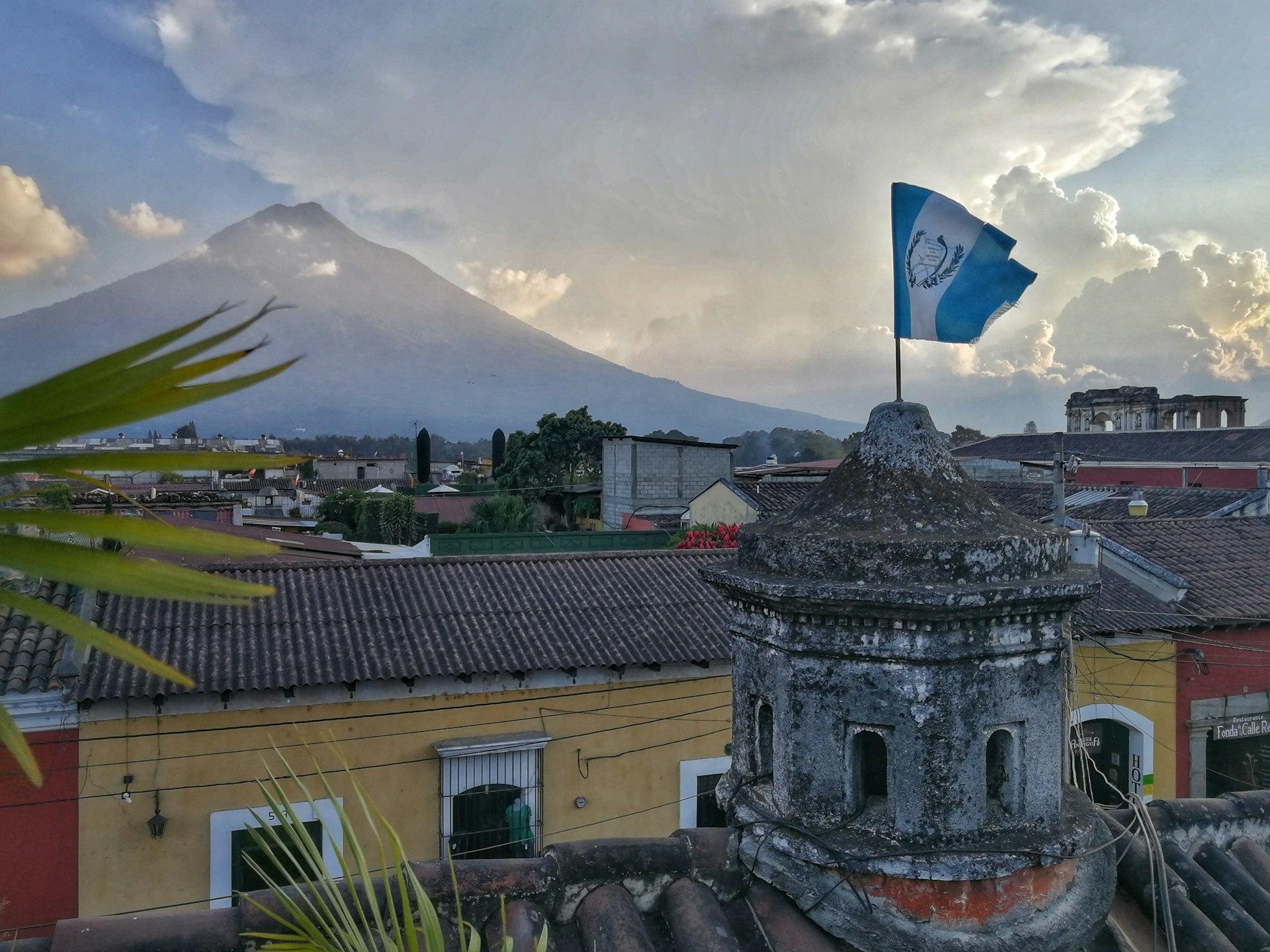
Antigua Guatemala, declared a UNESCO World Heritage Site in 1979, served as the colonial capital until the 1773 Santa Marta earthquakes. Its cobblestone grid sits 1,530 metres above sea level, ringed by three volcanoes — Agua, Fuego, and Acatenango. Fuego erupts intermittently, and ash plumes are visible from the central plaza on active days. Guatemala City, the capital, anchors the southern highlands with its Zona Viva restaurant corridor in Zone 10 and the Museo Popol Vuh, which holds one of the largest private collections of pre-Columbian ceramics in the region. Quetzaltenango (locally called Xela), at 2,333 metres, is Guatemala's second city and a hub for Spanish-language schools drawing students from across the Americas.
Lakes, Volcanoes, and the Pacific Coast
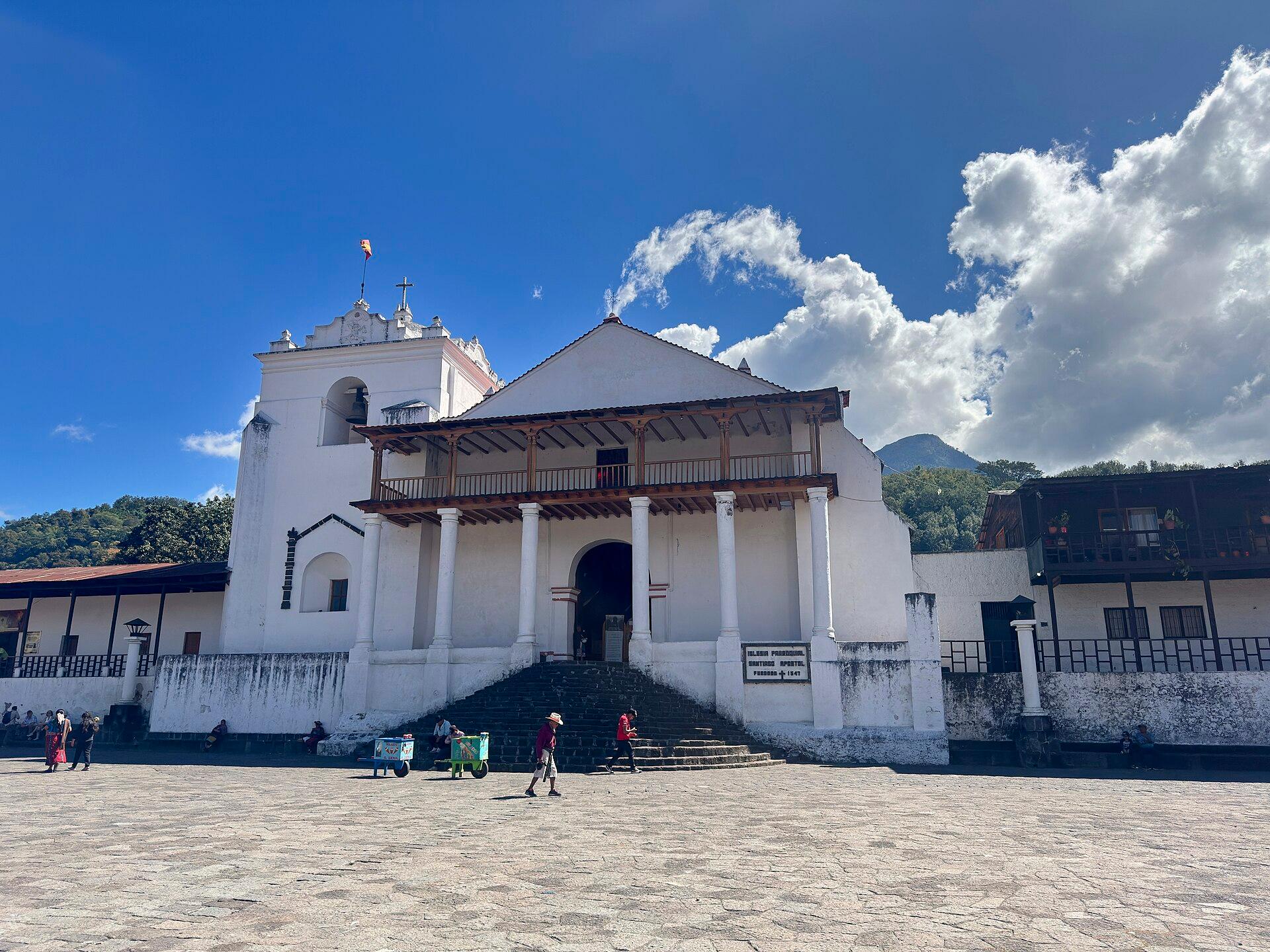
Lake Atitlán occupies a collapsed volcanic caldera at 1,562 metres elevation. Twelve villages ring its shores, each named for an apostle — San Pedro La Laguna, Santiago Atitlán, and Panajachel handle the largest share of visitor accommodation. Three volcanoes frame the southern rim: San Pedro (2,995 m), Atitlán (3,537 m), and Tolimán (3,158 m). North of the capital, the Verapaz highlands shelter the Semuc Champey limestone pools on the Cahabón River — a series of travertine terraces roughly 300 metres long that filter the river into turquoise pools. The Pacific lowlands between the coast and the volcanic chain produce sugar, palm oil, and coffee; black-sand beaches at Monterrico and Sipacate are under 2 hours from Antigua by road.
When to Visit Guatemala
The dry season runs November through April. Semana Santa (Holy Week) in Antigua draws hundreds of thousands of visitors; hand-laid alfombras (sawdust carpets) line the procession routes — book accommodation 3–6 months ahead for that week. The rainy season (May–October) brings afternoon showers but keeps crowds and prices lower; Tikal and Semuc Champey are accessible year-round, though jungle trails are muddier June–September. Average temperatures in Antigua hold between 14 °C and 24 °C year-round; the Pacific coast averages 30 °C.
Practical Tips for Visiting Guatemala
- Currency: Guatemalan quetzal (GTQ); ATMs are available in Antigua, Guatemala City, and Quetzaltenango, scarcer in rural Petén.
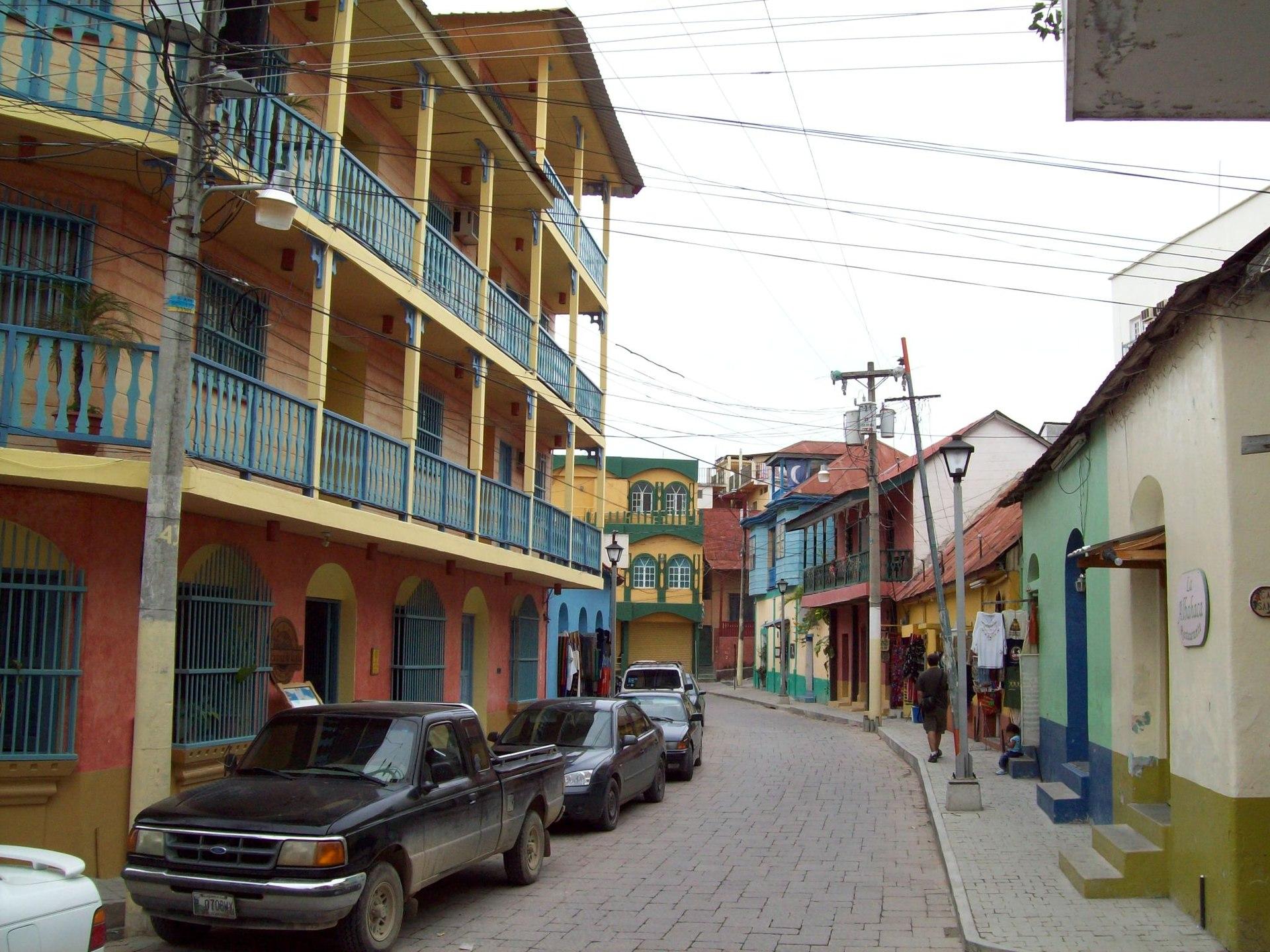
- Getting around: Chicken buses (repurposed US school buses) connect most towns cheaply; tourist shuttles run fixed routes between Antigua, Atitlán, and Flores (the Tikal gateway).
- Altitude: Acclimatize in Antigua before ascending Acatenango (3,976 m) or hiking higher ridges.
- Safety: Register with your embassy before backcountry travel in Petén; use authorised guides for night hikes on active volcanoes.
- Entry: Most nationalities receive a 90-day CA-4 stamp valid across Guatemala, Honduras, El Salvador, and Nicaragua.
Frequently Asked Questions
Q: What is the closest airport to Antigua Guatemala? A: La Aurora International Airport (GUA) in Guatemala City is approximately 45 km from Antigua, about 1 hour by shuttle depending on traffic. No domestic airport serves Antigua directly.
Q: How many days does Tikal require? A: Two days allow a sunrise visit to Temple IV and an afternoon walk to the Gran Plaza without rushing. Staying in one of the three lodges inside the park reduces the 60 km drive from Flores.
Q: Is Guatemala safe for solo travelers? A: Antigua, Panajachel, and Flores are well-traveled routes with established tourist infrastructure. Travelers should avoid displaying valuables, use registered taxis or app-based services in Guatemala City, and check current advisories for rural departments.
Q: What languages are spoken in Guatemala? A: Spanish is the official language. Guatemala recognises 22 Maya languages, including K'iche', Mam, and Kaqchikel, which remain the primary languages in many highland communities.
Q: When does the Semana Santa carpet tradition happen in Antigua? A: Alfombras are laid on the streets of Antigua the week before Easter Sunday — dates shift annually. The 2026 Holy Week falls in late March; processions begin on Palm Sunday.