Hotels in Lecce
54 hotels
Hotels in Lecce, Italy — stay near the golden-stone Basilica di Santa Croce or inside the old city walls. Brindisi airport is 55 km north.
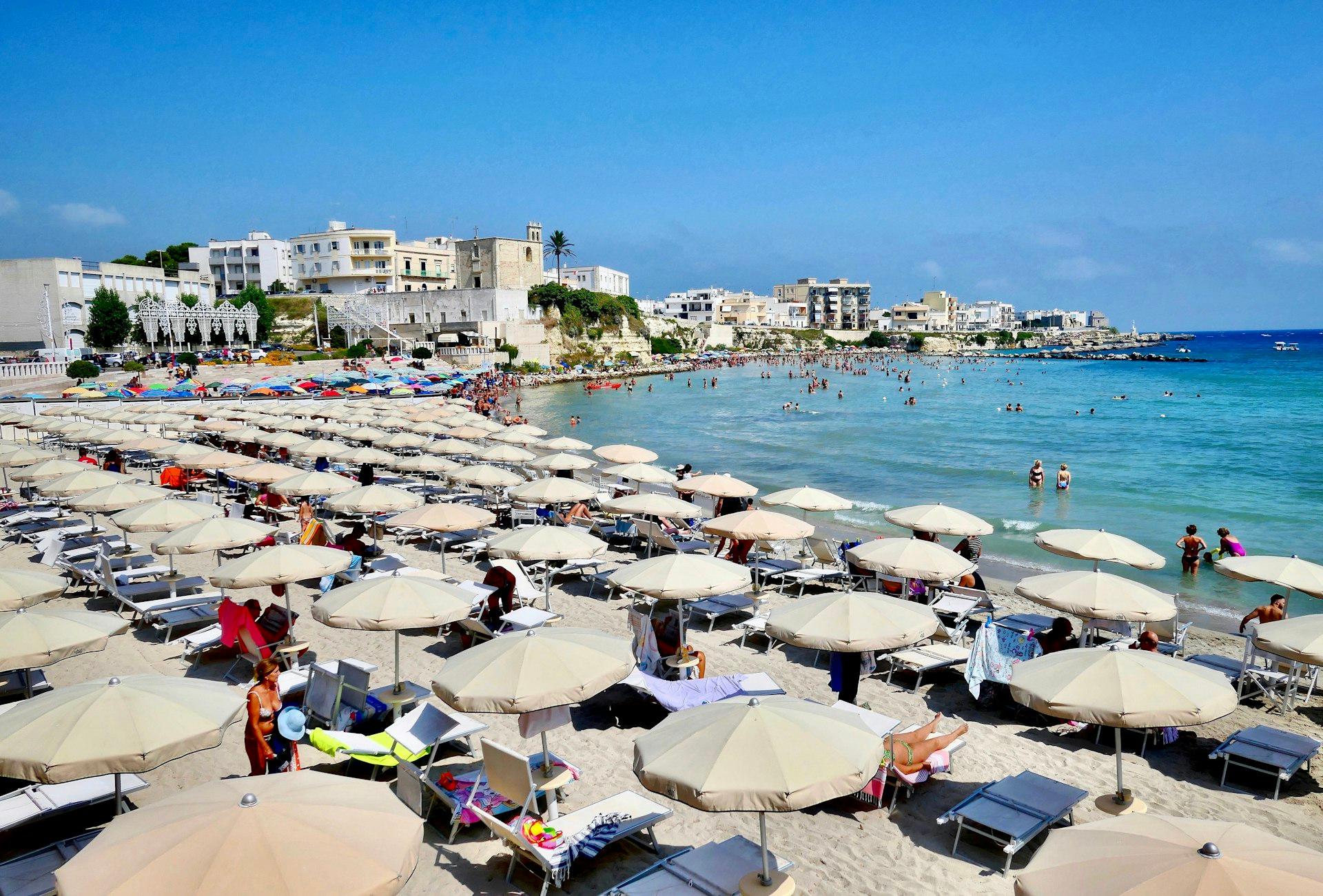
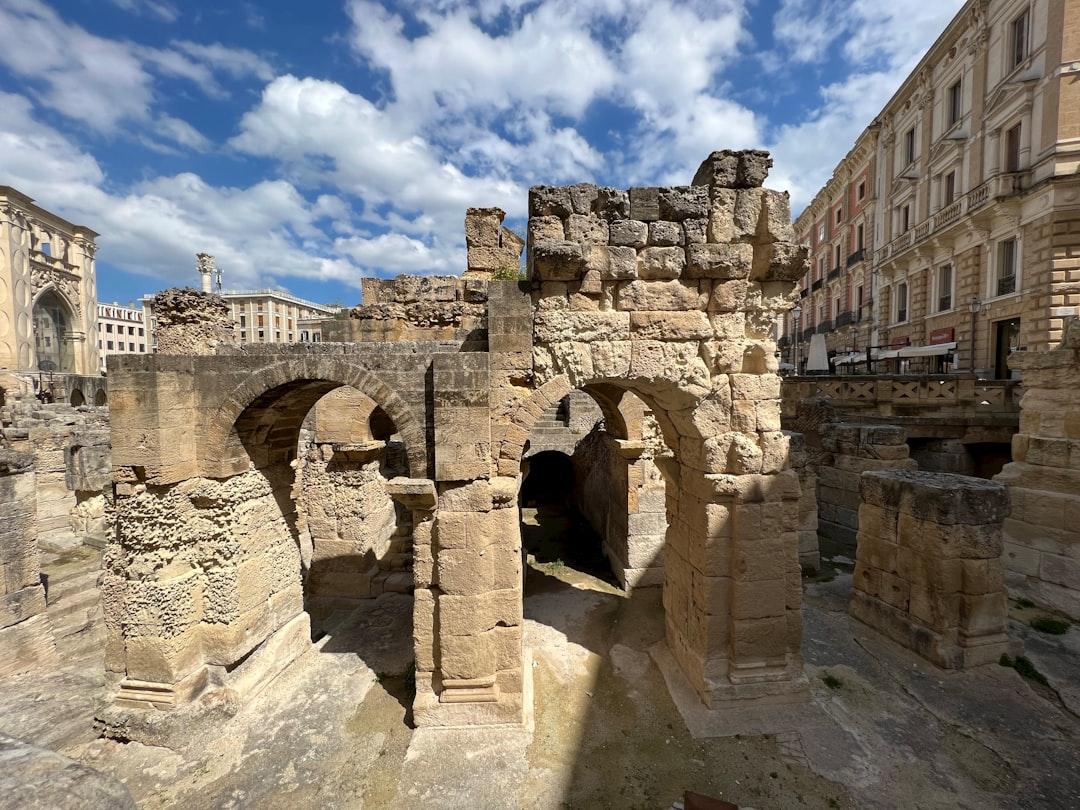
Photo by Freysteinn G. Jonsson on Unsplash
About Lecce
The quietest base for the Salento peninsula is Lecce's historic centre, within walking distance of the Basilica di Santa Croce and the Roman amphitheatre. San Oronzo square anchors the centro storico for sightseers; Borgo San Nicola offers calmer streets one block out; and Piazzetta Verdi suits travellers who want trattorias on the doorstep. Bari Karol Wojtyła Airport is roughly 150 km north — allow 90 minutes by car or train.
Where to Stay in Lecce's Districts
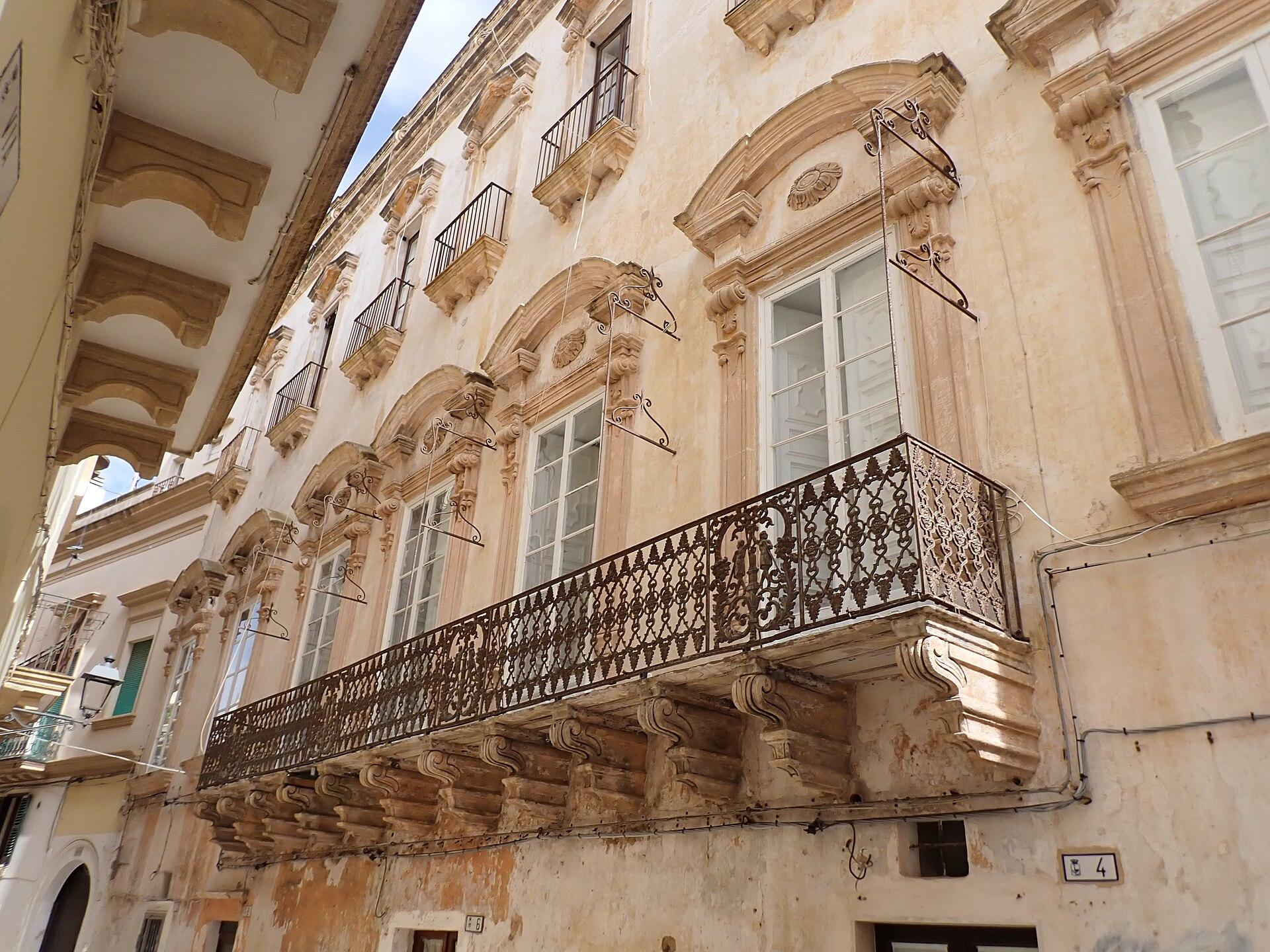
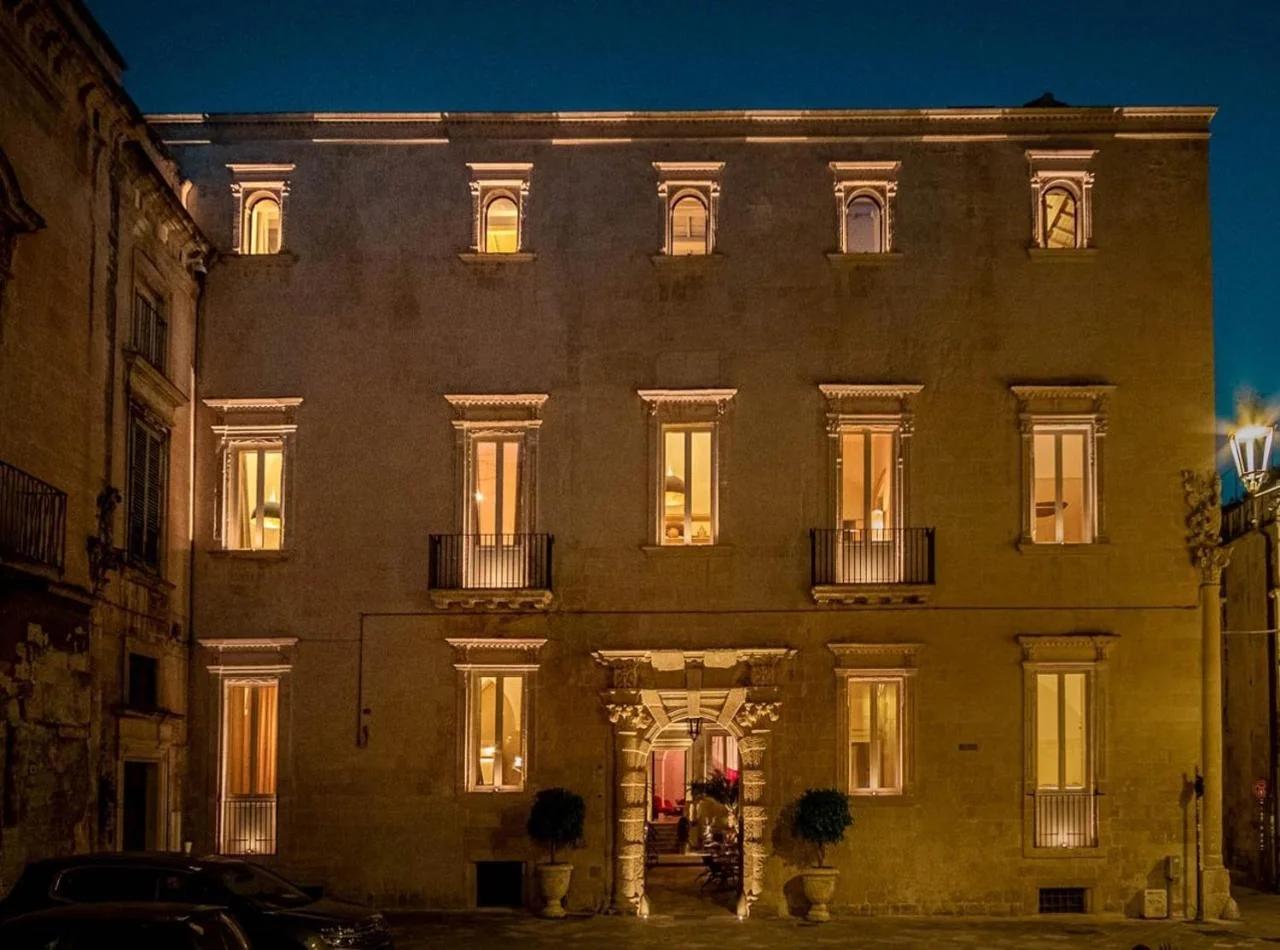
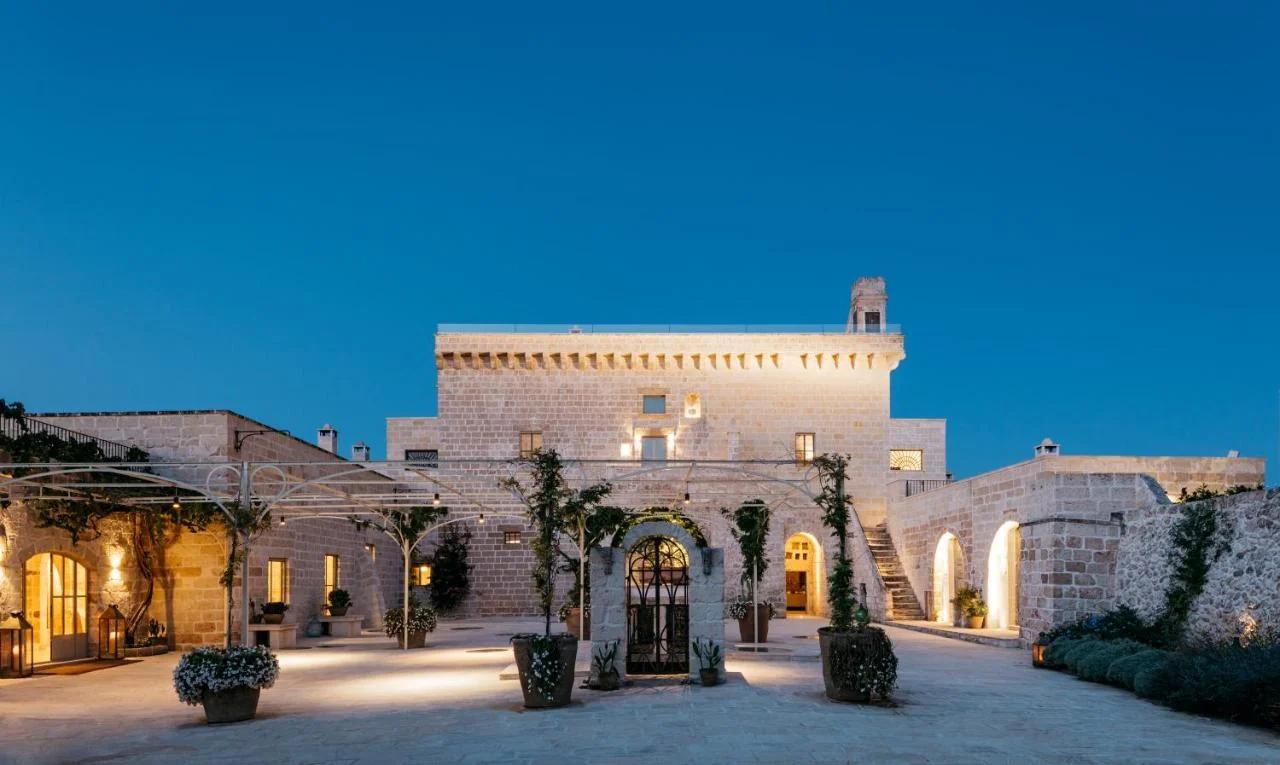
Centro storico holds the highest concentration of hotels, many occupying 17th-century palazzi built from the warm local pietra leccese limestone. Borgo San Nicola, south of Porta Napoli, attracts guests seeking quieter B&Bs a short walk from the old walls. Rudiae, the archaeological zone to the west, hosts a handful of agriturismo-style guesthouses near the Roman ruins of the ancient city founded around the 3rd century BC.
Getting Around
Lecce's centro storico is largely pedestrianised. The Ferrovie del Sud Est (FSE) regional rail connects Lecce to Gallipoli (40 min) and Otranto (50 min) along the coast. Trenitalia's high-speed Frecciarossa reaches Naples in under 4 hours and Rome in roughly 5 hours from Lecce Centrale station, 800 m east of the Basilica di Santa Croce.
Practical Tips
- Best months: April–June and September–October for mild heat and fewer crowds.
- Local stone: pietra leccese weathers to gold in evening light — the facade of Santa Croce (completed 1695) rewards a late-afternoon visit.
- Day trips: Otranto's 12th-century mosaic floor and Gallipoli's old-town peninsula are each under 1 hour by FSE train.
- Language: English is less common here than in northern Italian cities — a few phrases in Italian ease interactions considerably.
All hotels in Lecce
Showing 1–20 of 54 hotels






Cities like Lecce
Other destinations across Italy within reach.