Hotels in Luxembourg
2 cities · 3 hotels
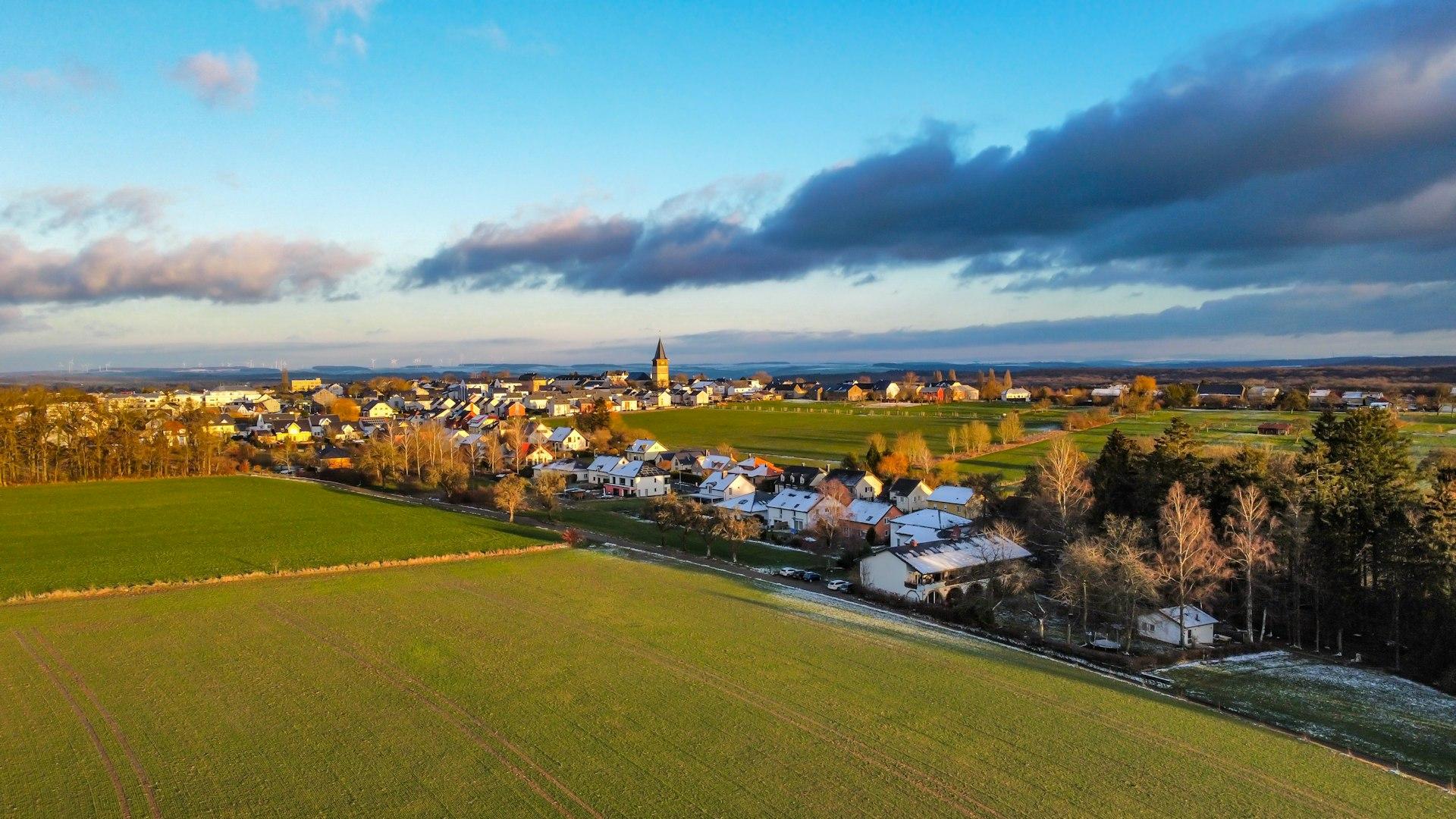
Photo by Timothée Gidenne on Unsplash
Luxembourg: Medieval Fortresses, Dense Forests, and the Moselle Wine Valley
Luxembourg, covering just 2,586 km², ranks among Europe's smallest sovereign states yet holds a remarkable concentration of history, scenery, and cultural weight. The capital, Luxembourg City, sits on a sandstone plateau above the Alzette and Pétrusse river gorges. Its UNESCO-listed old town and fortifications — dubbed the "Gibraltar of the North" as far back as the 17th century — draw visitors who arrive expecting a compact stopover and stay several days.
Cities Worth Exploring
The country divides naturally into three zones. In the south, Luxembourg City anchors the hotel market with the Ville Haute (upper city) holding the grand ducal palace and Place d'Armes, while the Grund quarter below offers riverside restaurants along the Alzette. To the north, the Ardennes region — locally called Éislek — centres on the market town of Clervaux, home to Edward Steichen's permanent photography exhibition "The Family of Man" inside a 12th-century castle. The eastern strip follows the Moselle River through Remich and Grevenmacher, where Riesling and Auxerrois vineyards have operated continuously since Roman times.
The Mullerthal Region and the Little Switzerland Trail
Southeast of the capital, the Mullerthal — sometimes called Petite Suisse luxembourgeoise — covers roughly 400 km² of sandstone gorges, moss-covered rock formations, and beech forest. The Mullerthal Trail runs 112 km in three marked loops between Echternach (founded as an abbey town in 698 AD) and Berdorf. Echternach's International Dancing Procession, held on Whit Tuesday, has been on the UNESCO Intangible Cultural Heritage list since 2010. Hotels in Echternach and Berdorf cater to hikers seeking a base close to the trails.
When to Visit Luxembourg
May through September offers the longest daylight hours and reliable temperatures between 18 °C and 24 °C. The Moselle Wine Festival in Grevenmacher runs each September, pairing regional producers with outdoor tastings along the riverbank. Winter visits (December–February) see Luxembourg City's Christmas market on Place d'Armes operating from late November. Ski infrastructure is minimal — the Ardennes hills rarely exceed 560 m — but cross-country trails near Wiltz and Vianden operate in heavy snow years.
Practical Tips for Visiting Luxembourg
- Getting around: Trains and buses are fare-free nationwide since March 2020 — no ticket purchase needed for standard-class travel on all public transit.
- Language: Luxembourgish, French, and German are all official; English is widely spoken in hotels and restaurants in Luxembourg City.
- Currency: Euro (EUR). Credit cards accepted almost universally.
- Border crossings: The country shares borders with Belgium (northwest), Germany (east), and France (south) — day trips to Trier (50 km northeast) or Metz (60 km south) are practical without additional transport costs.
- Altitude: The Kneiff summit in the Ardennes reaches 560 m, the country's high point.
Frequently Asked Questions
Q: What is the closest airport to Luxembourg City? A: Luxembourg Findel Airport (LUX) sits 6 km east of the city centre. Direct flights connect to over 60 destinations in Europe and the Middle East, with journey time to the city by bus around 30 minutes.
Q: How many hotel properties does Luxembourg City have? A: Luxembourg City holds the country's largest concentration of hotels, ranging from budget guesthouses in the Gare district to 5-star properties in the Kirchberg financial quarter, which is roughly 3 km northeast of the old town.
Q: Is Luxembourg suitable for a multi-day itinerary or only a stopover? A: Three to five days allows coverage of Luxembourg City, the Moselle valley, and the Mullerthal trail network. Travelers adding the Vianden castle and Clervaux benefit from a sixth day.
Q: When does the Echternach Dancing Procession take place? A: The procession occurs annually on Whit Tuesday — the Tuesday after Pentecost Sunday — typically in May or June. It draws participants and observers from across Europe.
Q: What wine varieties does the Luxembourg Moselle produce? A: The roughly 1,300 hectares of Moselle vineyards concentrate on Riesling, Auxerrois, Pinot Gris, and Crémant de Luxembourg sparkling wine, produced under appellation rules since 1935.