Hotels in Maldives
4 cities · 14 hotels
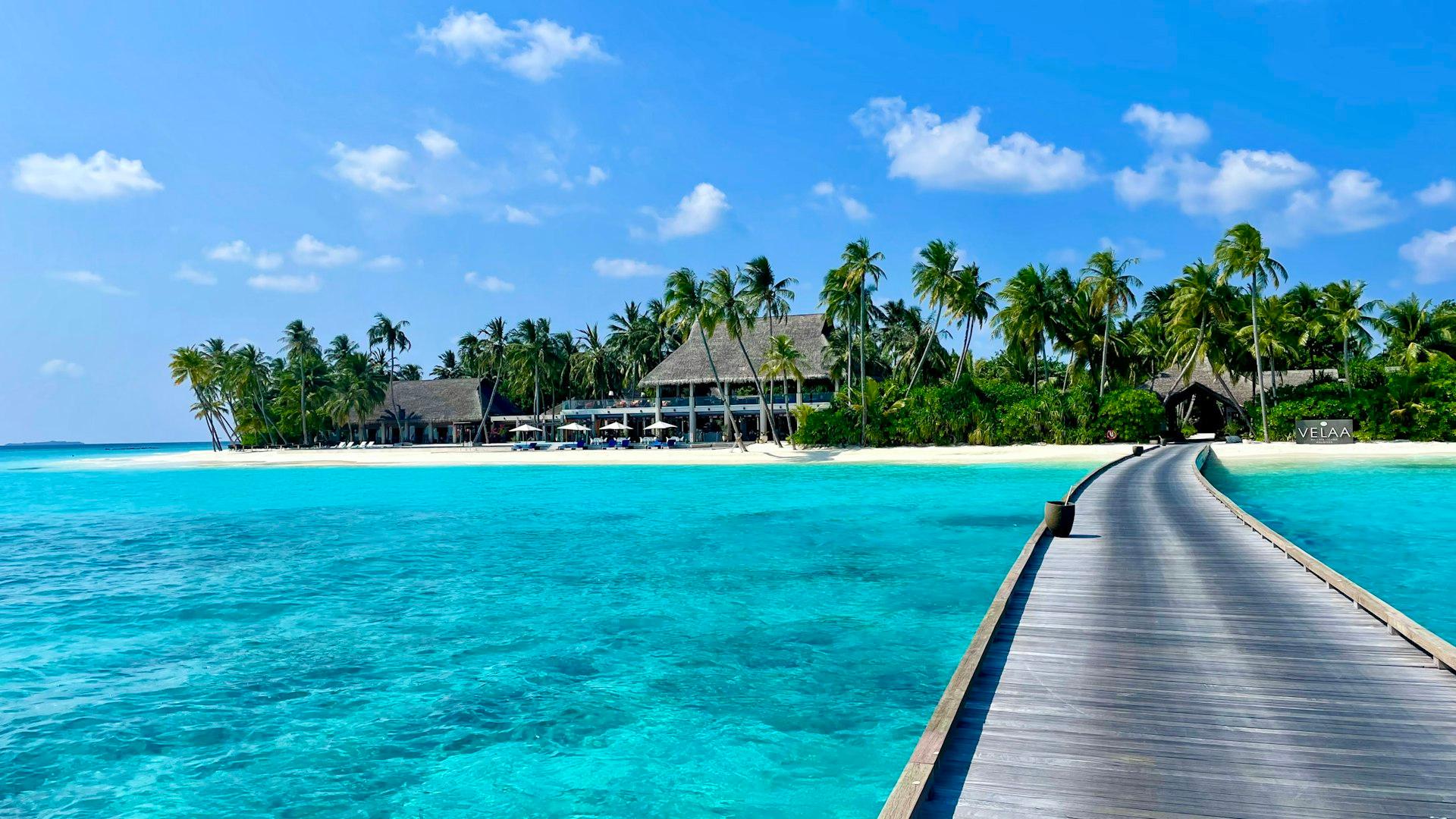
Photo by Pedro Bariak on Unsplash
Maldives: 1,192 Coral Islands Across the Indian Ocean
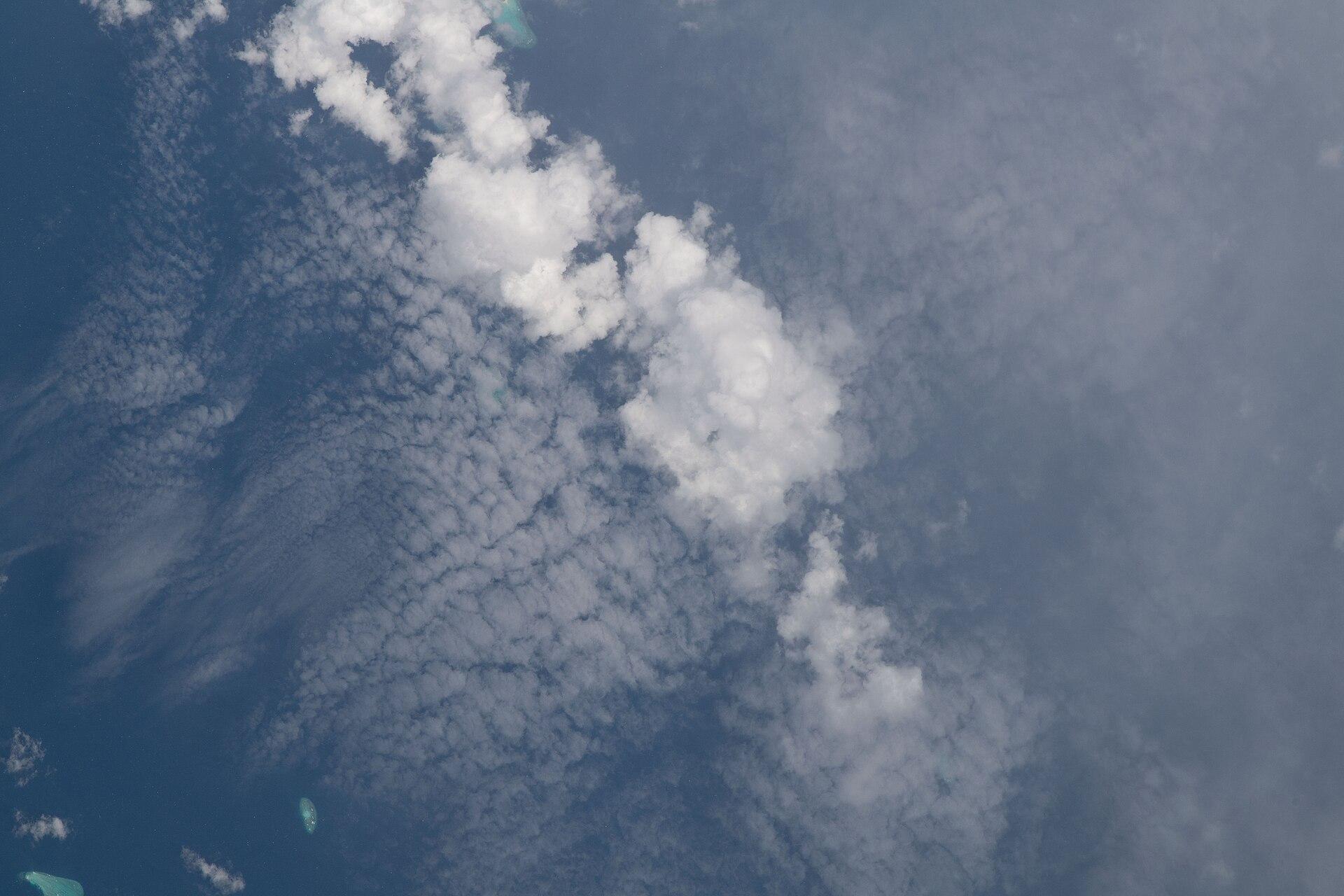
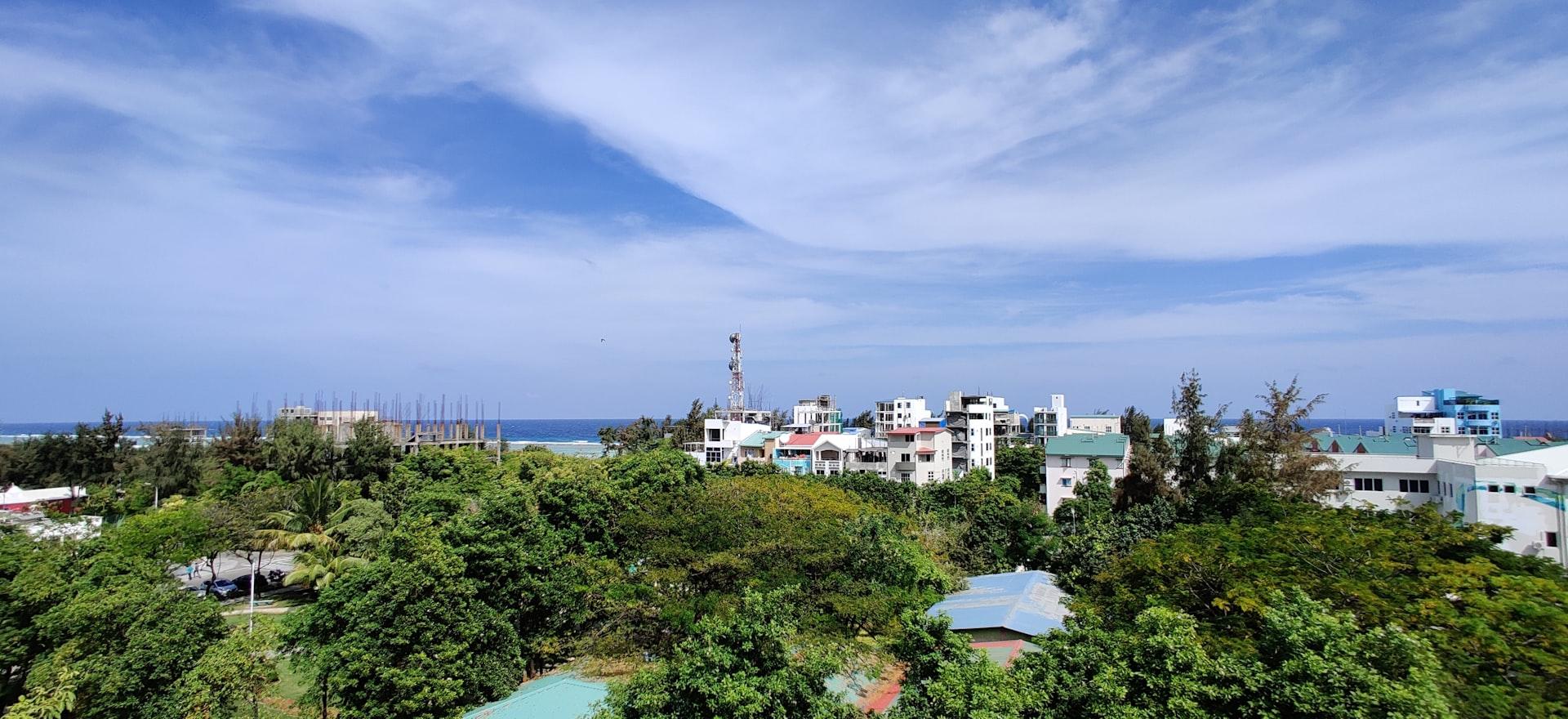
The Maldives sits 700 km southwest of Sri Lanka, spread across 26 natural atolls that straddle the equator. The archipelago covers roughly 90,000 sq km of ocean, yet its total land area is only 298 sq km — making it one of the world's most dispersed nations. Malé, the capital, occupies a single island just 5.8 sq km and is home to around 230,000 people. Most travelers pass through Malé Velana International Airport (MLE) before boarding a speedboat or seaplane to their resort island.
Atolls and Regions Worth Exploring
The Maldives divides administratively into 21 atolls, but travelers typically orient around resort zones. North Malé Atoll and South Malé Atoll sit closest to the capital and offer the highest concentration of resorts, including many reachable by a 20–45 minute speedboat transfer. Baa Atoll, a UNESCO Biosphere Reserve since 2011, is known for manta ray aggregations at Hanifaru Bay between June and November. Ari Atoll (North and South) attracts divers for whale shark sightings year-round. The remote Addu Atoll in the far south, roughly 540 km from Malé, has a domestic airport and a causeway connecting six islands — a rare configuration in the Maldives.
What Travelers Come For
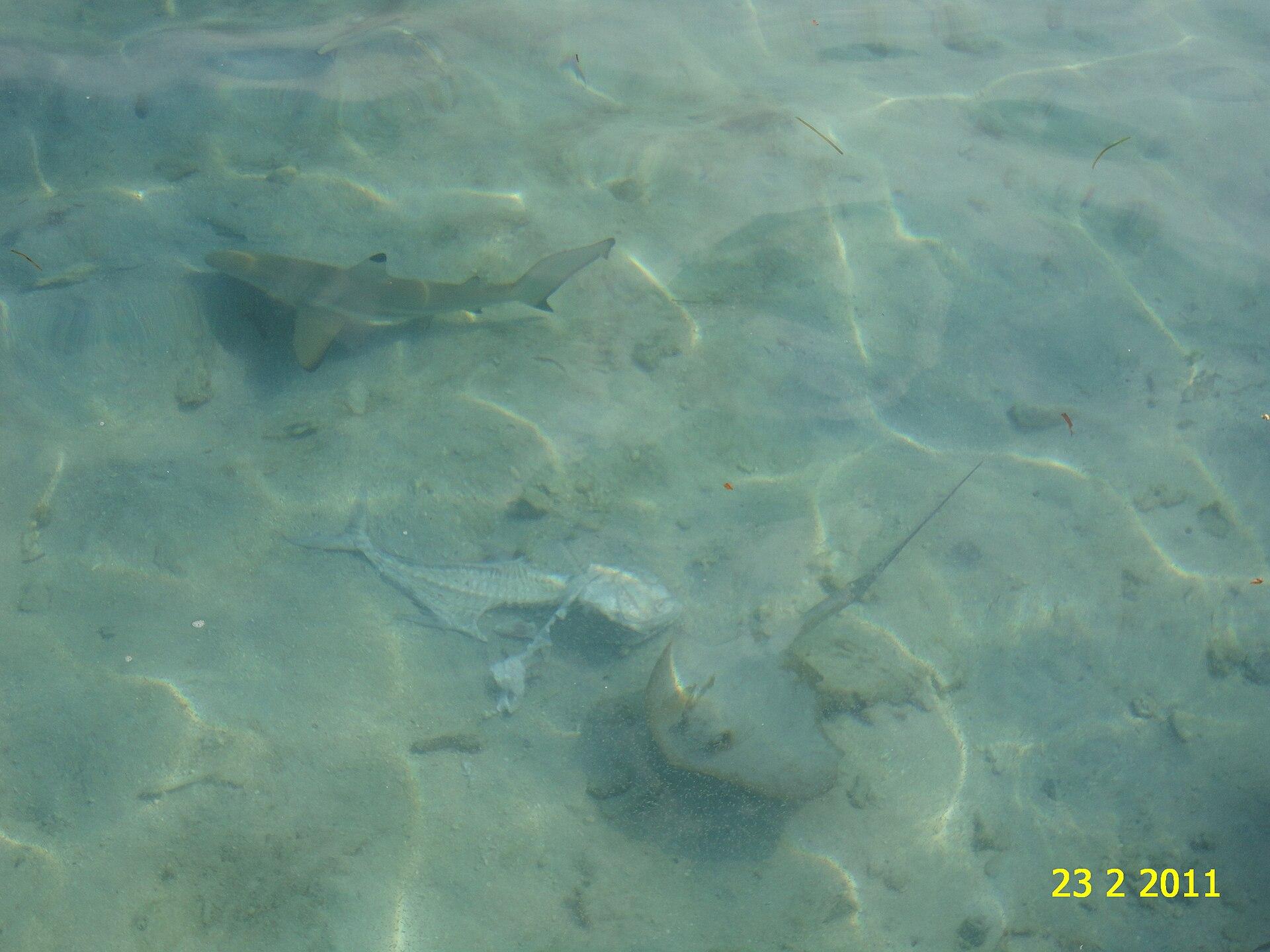
Overwater bungalows define the Maldives' global reputation, but the draw goes further. The archipelago holds over 2,000 coral reef species and more than 200 species of coral. Visibility in the lagoons regularly exceeds 30 metres. Malé itself rewards a half-day walk: the 17th-century Hukuru Miskiy (Old Friday Mosque), built from coral stone, stands near the National Museum at the island's north end. The Maldives Fish Market on the northern waterfront opens in the early afternoon when dhoni boats unload yellowfin tuna — the backbone of Maldivian cuisine.
When to Visit the Maldives
The dry northeast monsoon runs from November to April and delivers the clearest skies and calmest seas. January and February bring average wind speeds below 10 km/h across most atolls. The southwest monsoon (May–October) brings heavier rain and stronger swells, particularly in June and July, but also pushes manta rays into Baa Atoll's channels and keeps room rates lower — sometimes 30–40% below peak-season prices. Water temperature stays between 27°C and 30°C throughout the year.
Practical Tips for Visiting Maldives
- Getting there: All international flights land at Velana International Airport (MLE); onward transfers are by speedboat (20–90 min) or seaplane (15–45 min, daylight hours only).
- Currency: Maldivian Rufiyaa (MVR); US dollars are accepted at most resort islands.
- Visa: 30-day on-arrival visa is free for most nationalities.
- Alcohol: Banned on inhabited local islands; available only at resort islands and liveaboard vessels.
- Local island stays: Maafushi and Thulusdhoo in North Malé Atoll offer guesthouses from USD 50/night — a lower-cost alternative to private resort islands.
- Packing: Pack reef-safe sunscreen; many resorts prohibit oxybenzone-based products to protect coral.
Frequently Asked Questions
Q: Which atoll has the most hotels in the Maldives? A: North Malé Atoll holds the highest concentration of resort islands, benefiting from proximity to Velana International Airport. Transfers typically take 20–45 minutes by speedboat, making it convenient for shorter stays.
Q: Is it possible to visit the Maldives on a budget? A: Local-island guesthouses on islands like Maafushi offer accommodation from around USD 50 per night. These islands have public beaches and restaurants serving Maldivian fish curry, though alcohol is not available.
Q: What is the currency and do resorts accept credit cards? A: The official currency is the Maldivian Rufiyaa (MVR), but resort islands operate almost entirely in US dollars. Major credit cards are accepted at all resort properties.
Q: When is the whale shark season in Ari Atoll? A: Whale sharks are sighted around South Ari Atoll year-round, with frequency peaking between January and April when plankton blooms concentrate near the surface.
Q: How do seaplane transfers work? A: Seaplanes depart from a terminal adjacent to Velana Airport and operate only during daylight hours. Guests arriving after sunset must overnight near Malé and transfer the following morning.