Hotels in Malta
3 cities · 22 hotels
Photo by Yann Schilliger on Unsplash
Malta: Three Islands at the Crossroads of the Mediterranean
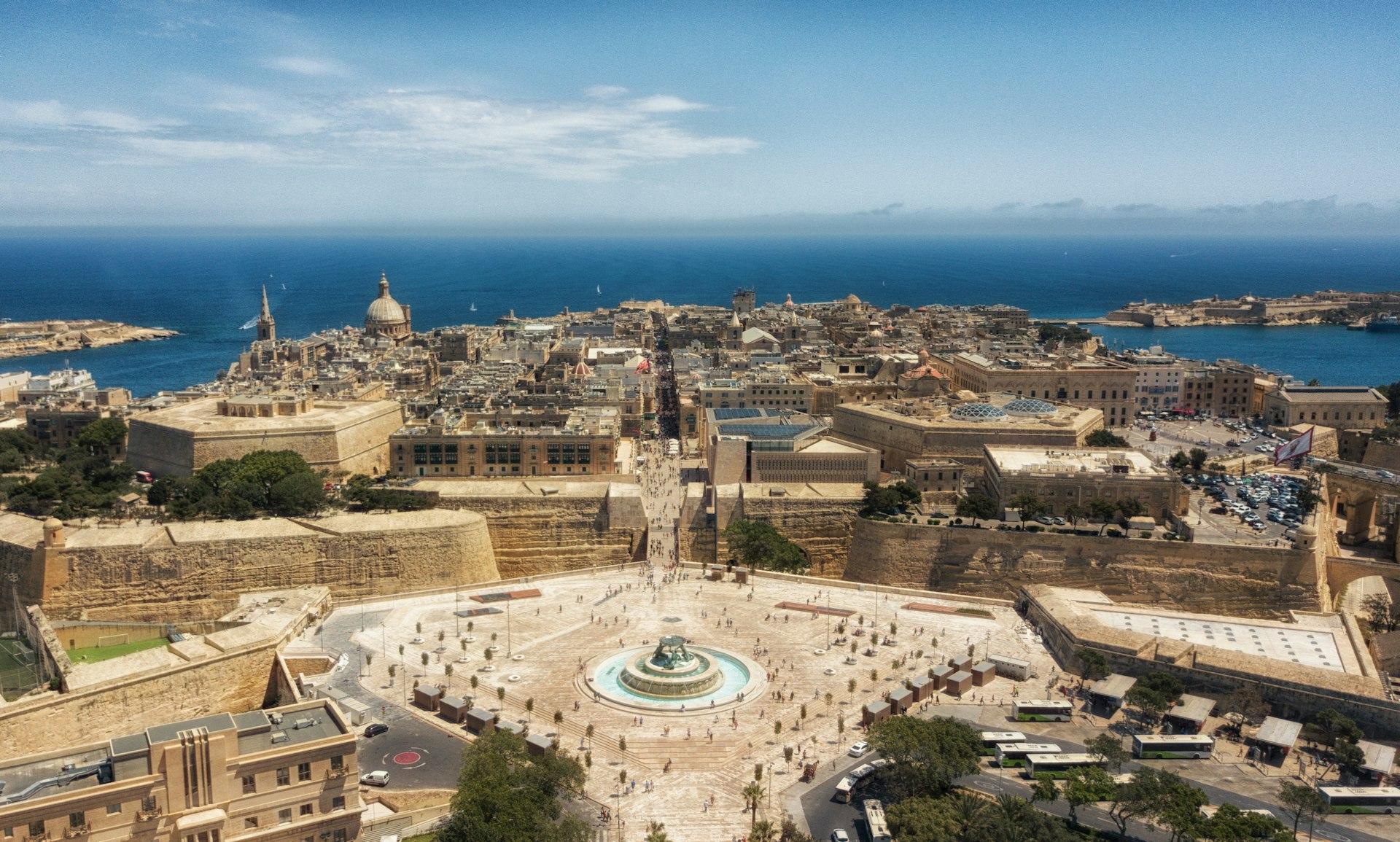
Malta is an archipelago of three inhabited islands — Malta, Gozo, and Comino — covering just 316 square kilometres in the central Mediterranean, roughly 93 km south of Sicily. Despite its small footprint, Malta holds more UNESCO World Heritage Sites per square kilometre than almost any country on earth, including the Ħal Saflieni Hypogeum, a subterranean burial complex dating to 4000 BC, and seven Neolithic temples older than Stonehenge. The capital, Valletta — built by the Knights of St John after 1566 — became a UNESCO World Heritage City in 1980 and served as European Capital of Culture in 2018.
Cities Worth Exploring
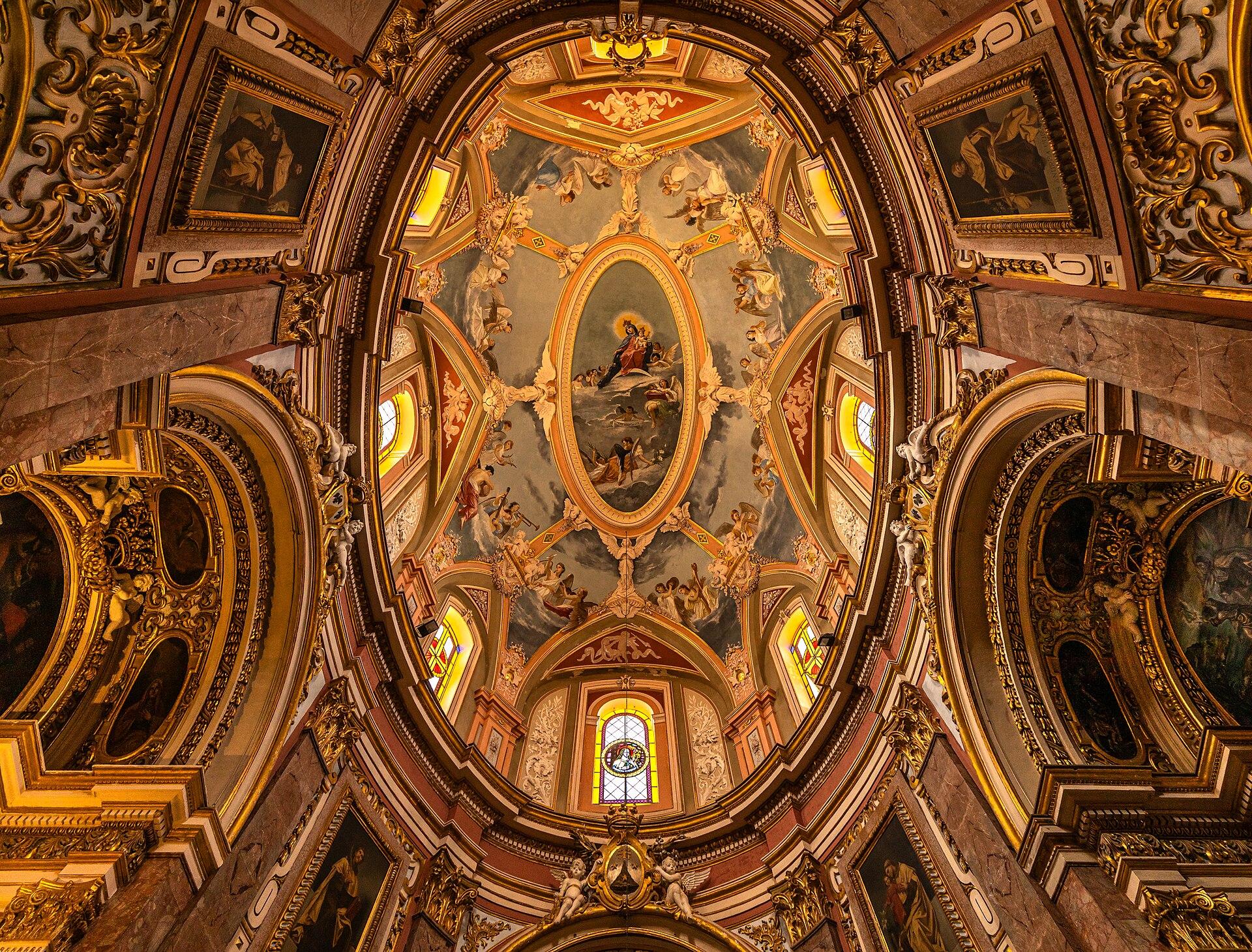
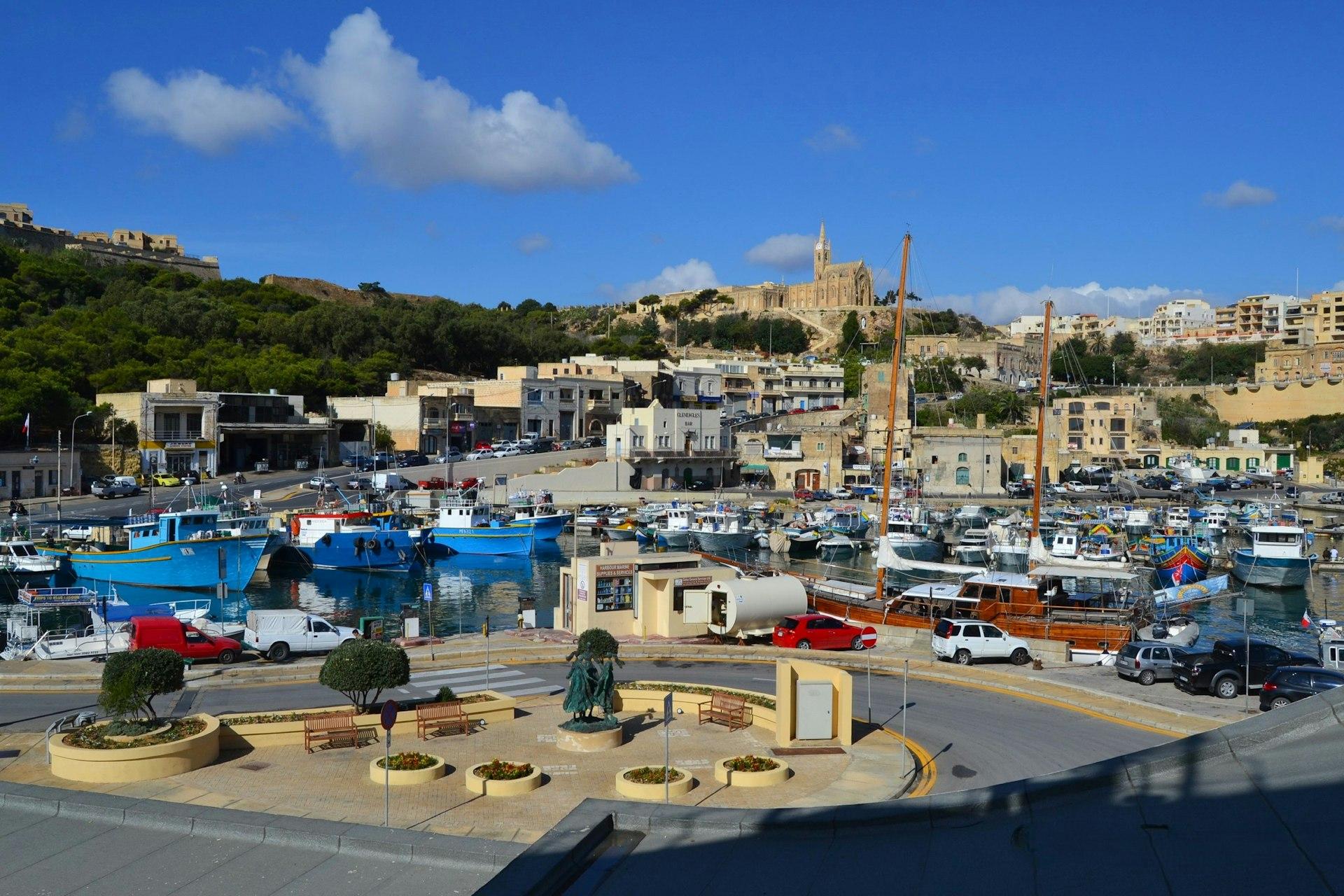
Valletta packs baroque palaces, the St John's Co-Cathedral (home to Caravaggio's The Beheading of Saint John the Baptist, 1608), and the National Museum of Archaeology into a grid of streets no wider than 600 metres. The Three Cities — Vittoriosa, Senglea, and Cospicua — face Valletta across the Grand Harbour and preserve fortifications dating to the 1530s. Mdina, the former medieval capital perched 167 m above sea level in the centre of the island, limits motor traffic and is largely silent after dark. On Gozo, the walled hilltop capital Victoria (also called Rabat) offers a slower pace and the imposing Cittadella fortress.
Regions and Landscapes
The main island's northern coast around Mellieħa and Golden Bay draws beach visitors, while the southern cliffs near Dingli (253 m, the highest point) give uninterrupted views toward the uninhabited island of Filfla. Comino, just 3.5 km², is known for the Blue Lagoon, a turquoise channel between Comino and the islet of Cominotto that draws day-trippers from late May through October. Gozo's interior — a patchwork of terraced fields, salt pans at Xwejni Bay, and the Azure Window sea arch site near Dwejra — attracts walkers and divers. Malta's dive sites include wrecks such as the Um El Faroud tanker at Wied iż-Żurrieq and wall dives at Cirkewwa.
When to Visit Malta
Malta receives around 300 days of sunshine annually. The shoulder months of April–May and September–October offer sea temperatures above 20 °C, lower hotel rates than July–August, and fewer crowds at archaeological sites. The Carnival in February (Valletta) and the Isle of MTV concert in June attract specific audiences. Summer highs regularly reach 35 °C; the Xlokk wind from the southeast raises humidity in July and August. Winter is mild, averaging 12–15 °C, and suits sightseeing with uncrowded museums.
Practical Tips for Visiting Malta
- Getting around: Malta has an extensive bus network (route 13 links Valletta to Sliema; route X4 reaches Mellieħa), but services can be slow in peak summer traffic. Ferry crossings from Ċirkewwa to Gozo take 25 minutes and run around the clock.
- Entry requirements: EU citizens need only a national ID card. Non-EU visitors from many countries require an Etias travel authorisation from 2025 onward.
- Currency: Euro (€). ATMs are widely available in Valletta, Sliema, and St Julian's.
- Language: Maltese and English are both official languages; English signage is universal.
- Hypogeum tickets: The Ħal Saflieni Hypogeum limits daily visitors to 80; book weeks ahead through Heritage Malta.
Frequently Asked Questions
Q: How many hotels are in Malta? A: Malta, Gozo, and Comino together offer several hundred accommodation options, from 5-star properties along Sliema and St Julian's seafronts to small guesthouses in Valletta and farmhouses on Gozo. Hotel density is highest in the St Julian's–Paceville corridor.
Q: Is Malta suitable for a short city break? A: Valletta and the Three Cities can be covered on foot in two to three days. A four- to five-night stay adds a day on Gozo and time at the Neolithic temples in Tarxien and Ġgantija.
Q: What is the best base for exploring Malta? A: Sliema and St Julian's offer the widest hotel selection and ferry connections to Valletta (10-minute crossing). Travelers who prioritise heritage over nightlife often choose Valletta itself, where boutique hotels occupy restored 16th-century palazzos.
Q: Can travelers visit Comino as a day trip? A: Yes. Ferry services from Mellieħa Bay and Ċirkewwa run regularly from April through October, with the crossing taking around 20–30 minutes. Comino has one small hotel and limited infrastructure; most visitors stay only for the day.
Q: When does the Blue Lagoon get crowded? A: July and August bring the most visitors; the lagoon can hold hundreds of boats by midday. Arriving by the first morning ferry or visiting in late September significantly reduces congestion.