Hotels in Nepal
2 cities · 24 hotels
Photo by Jeevan Katel on Unsplash
Nepal: Himalayan Kingdoms and Ancient Durbar Squares
Nepal sits landlocked between India and China, covering 147,181 sq km from the subtropical Terai lowlands to the roof of the world. Eight of the planet's fourteen 8,000-metre peaks rise here, including Mount Everest at 8,849 m — the highest point on Earth. The capital, Kathmandu, stands at 1,400 m in a valley ringed by forested hills, roughly 1,300 km from Delhi by road. Over 30 million people speak Nepali as an official language alongside more than 120 local languages.
Cities Worth Exploring
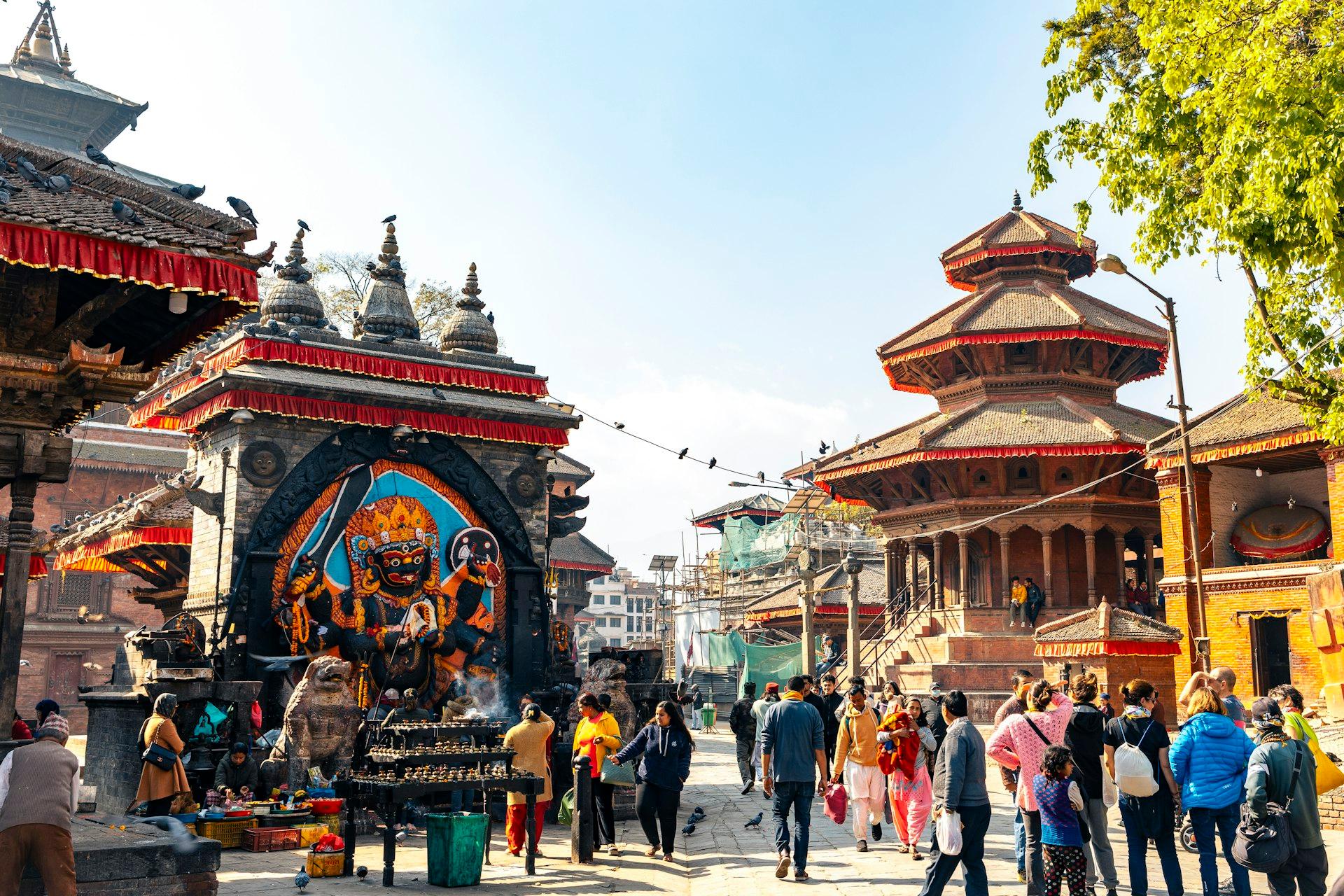
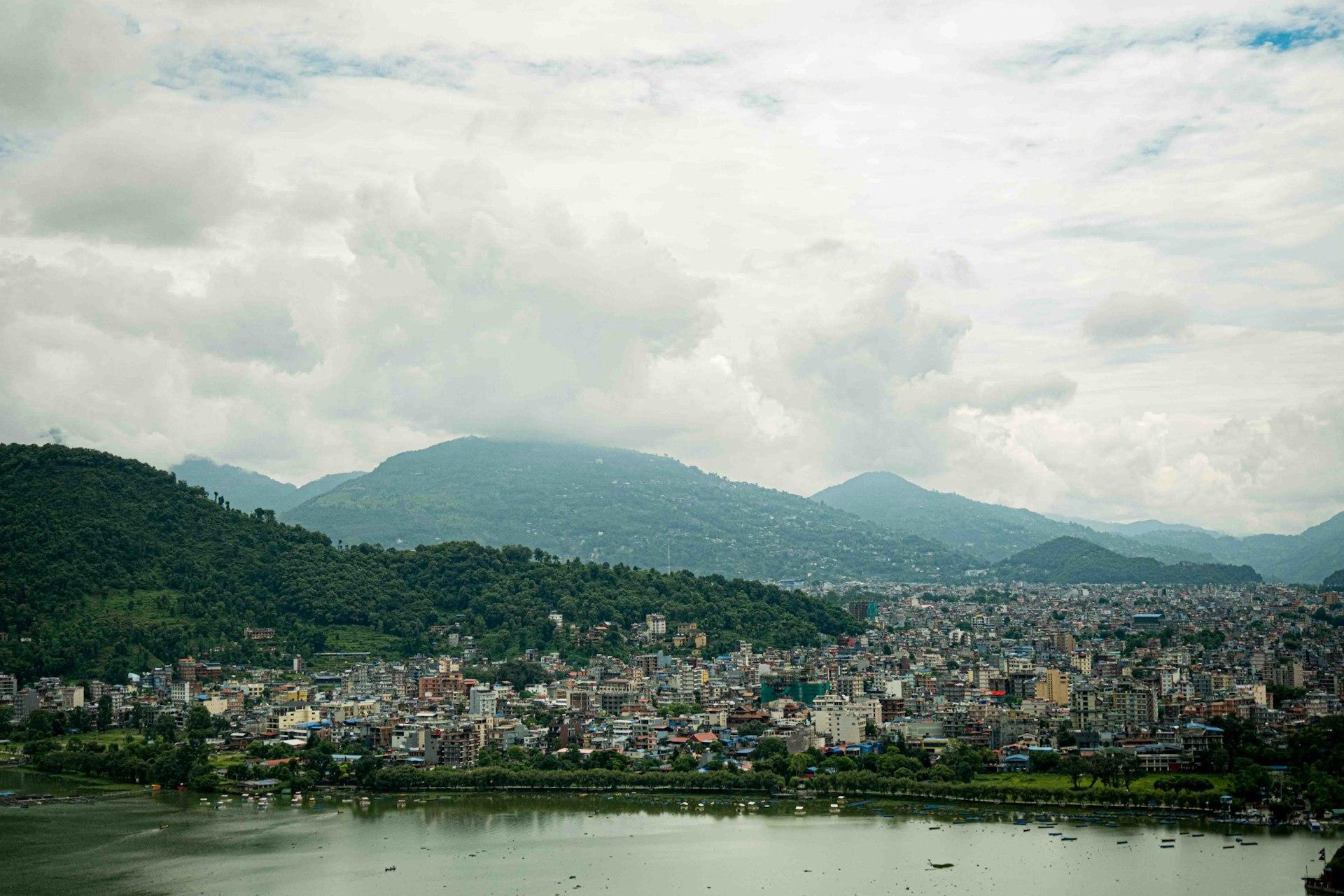
Kathmandu anchors the country's hotel infrastructure with the widest range of accommodation, from heritage properties near Durbar Square to modern 4-star hotels in Thamel. Pokhara, 200 km west of Kathmandu, sits beside Phewa Lake with direct sightlines to the Annapurna Massif; it serves as the primary gateway for Annapurna Circuit and Poon Hill treks. Bhaktapur, 13 km east of Kathmandu, preserves the most intact medieval Newari architecture of the three durbar squares and draws day-trippers and overnight stays alike. Chitwan, in the southern Terai, hosts Chitwan National Park — a UNESCO World Heritage Site home to one-horned rhinoceroses and Bengal tigers.
Trekking Regions and Natural Landscapes
The Khumbu region northeast of Kathmandu leads trekkers toward Everest Base Camp at 5,364 m, typically reached in 12–14 days from Lukla airport. The Annapurna Conservation Area, Nepal's largest protected zone at 7,629 sq km, contains the world's deepest gorge — the Kali Gandaki — and over 1,200 plant species. The Mustang district, a former Tibetan kingdom north of the Annapurna range, requires a restricted-area permit beyond standard trekking paperwork. Trekkers should carry a Tims card (Trekkers' Information Management System) for most routes; permits are issued at Kathmandu or Pokhara offices.
When to Visit Nepal
The clearest mountain views occur in October–November (post-monsoon) and March–April (pre-monsoon). October draws the largest trekking crowds and correspondingly higher lodge prices along the Everest and Annapurna routes. The monsoon runs June through September; trails are passable but leeches are common above 2,000 m, and mountain visibility drops sharply. December–February brings cold temperatures above 3,000 m but quieter trails and reduced accommodation rates in Kathmandu.
Practical Tips for Visiting Nepal
- Visa: Most nationalities obtain a tourist visa on arrival at Tribhuvan International Airport in Kathmandu; a 15-day visa costs USD 30, a 30-day visa USD 50.
- Currency: Nepalese Rupee (NPR); ATMs are reliable in Kathmandu and Pokhara but scarce above Namche Bazaar on the Khumbu trail.
- Altitude: Ascend slowly above 3,000 m — one rest day per 500 m gain reduces acute mountain sickness risk.
- Getting around: Domestic flights link Kathmandu to Lukla, Pokhara, and Bharatpur (Chitwan); book at least two weeks ahead during October peak.
- Pack: Layers are essential year-round; temperatures in Kathmandu valley drop below 5 °C in January evenings.
Frequently Asked Questions
Q: Do visitors need a visa to enter Nepal? A: Most passport holders can get a tourist visa on arrival at Kathmandu's Tribhuvan International Airport or overland entry points. Fees are USD 30 for 15 days and USD 50 for 30 days; photos and USD cash or card are required.
Q: What is the best base for Everest trekking? A: Lukla (2,860 m) is the standard starting point, reached by a 35-minute flight from Kathmandu. Most trekkers spend 12–14 days reaching Everest Base Camp and returning to Lukla.
Q: Which national parks can travelers visit near Kathmandu? A: Shivapuri Nagarjun National Park begins at Kathmandu's northern edge and is reachable by taxi in 30 minutes. Langtang National Park starts roughly 60 km north and includes the Langtang Valley trek, typically 7–10 days.
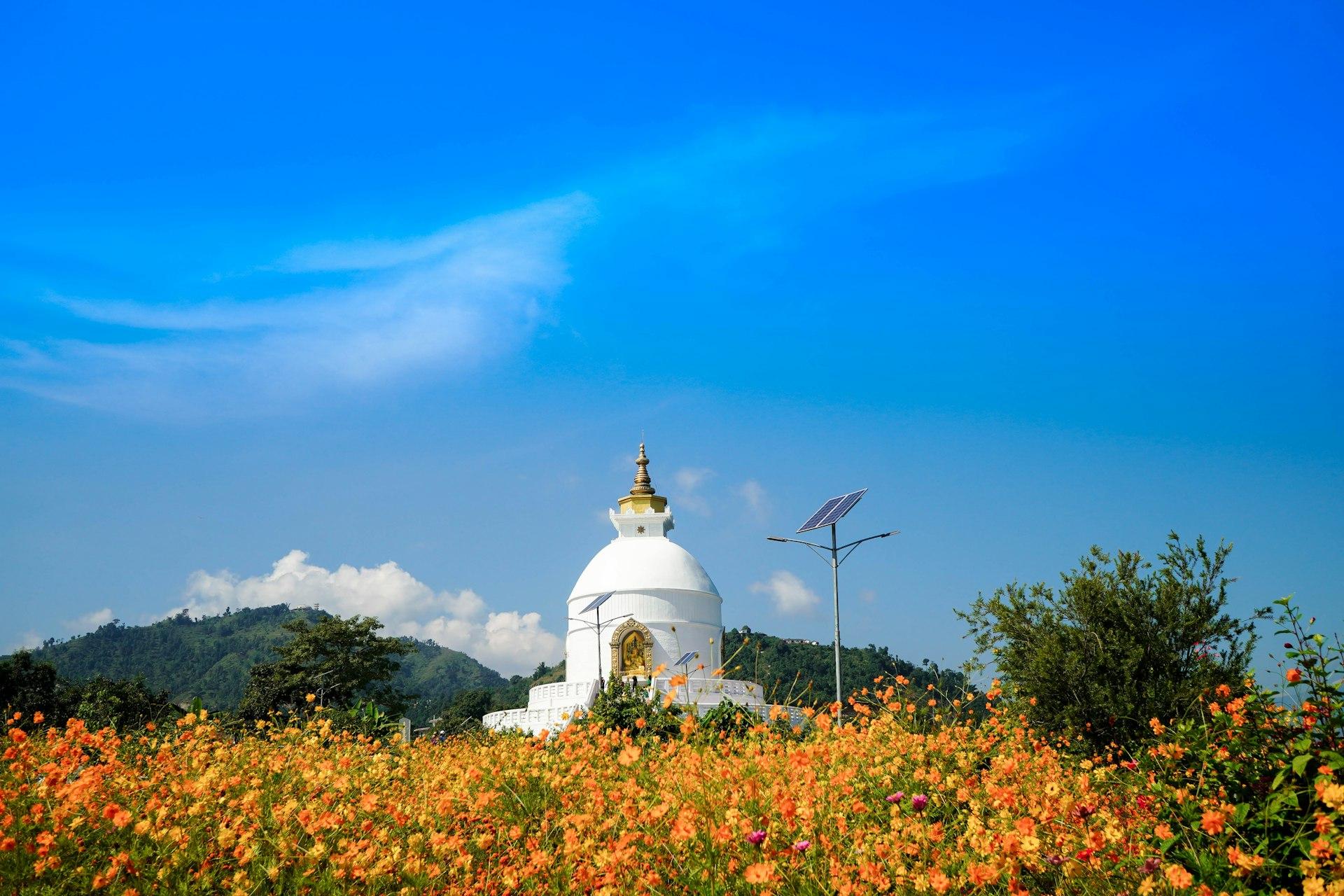
Q: Is Pokhara worth a separate stay? A: Pokhara warrants at least two nights. The lakeside Baidam district offers mid-range hotels with Annapurna views, and the nearby World Peace Pagoda sits 115 m above Phewa Lake on a forested ridge.
Q: What permits are required for trekking? A: The Tims card is required for most trails and costs NPR 2,000. Annapurna and Everest routes also require a national park entry permit (NPR 3,000 and NPR 3,500 respectively). Mustang demands an additional restricted-area permit at USD 500 for ten days.