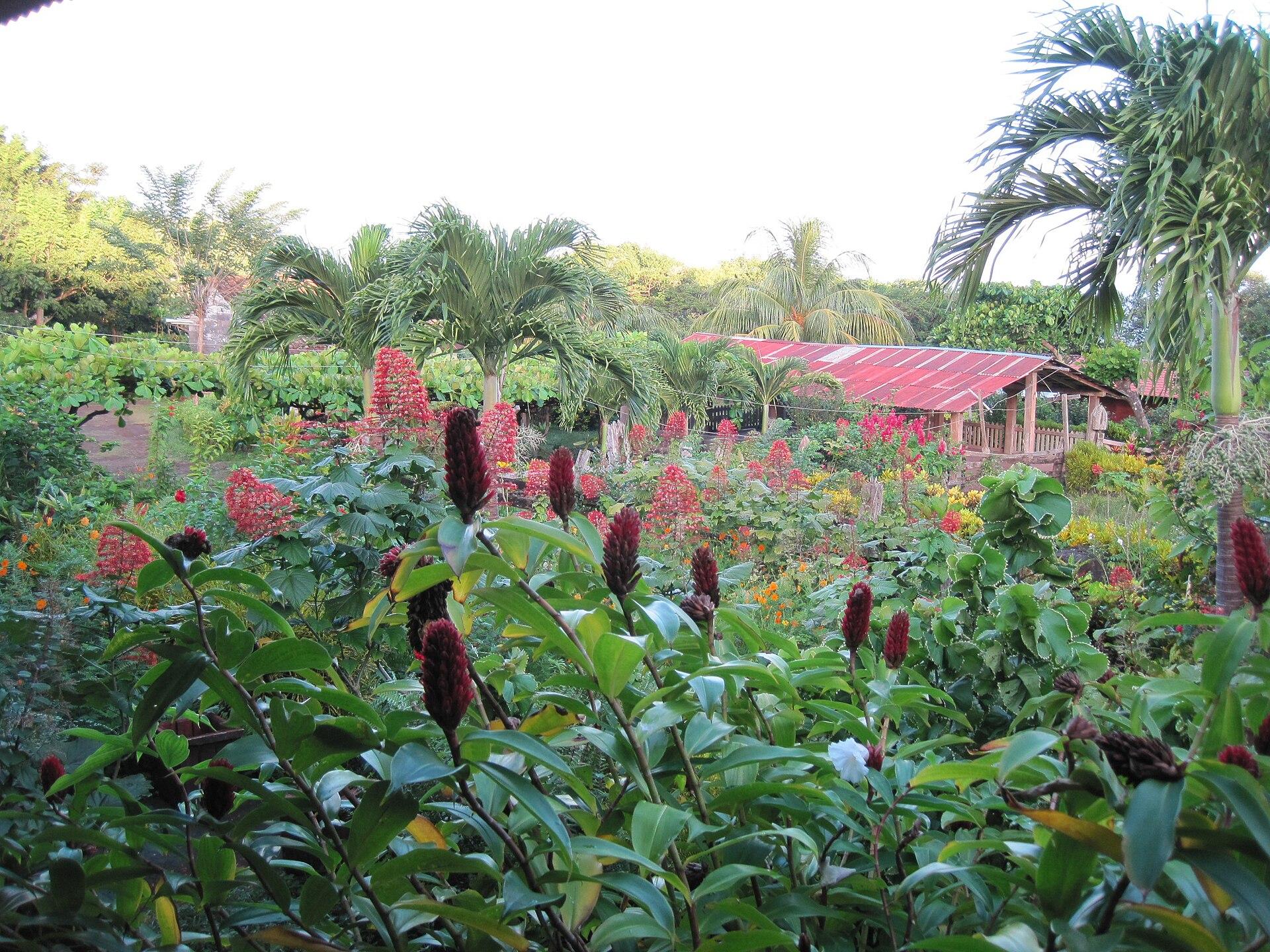
Hotels in Nicaragua
2 cities · 17 hotels
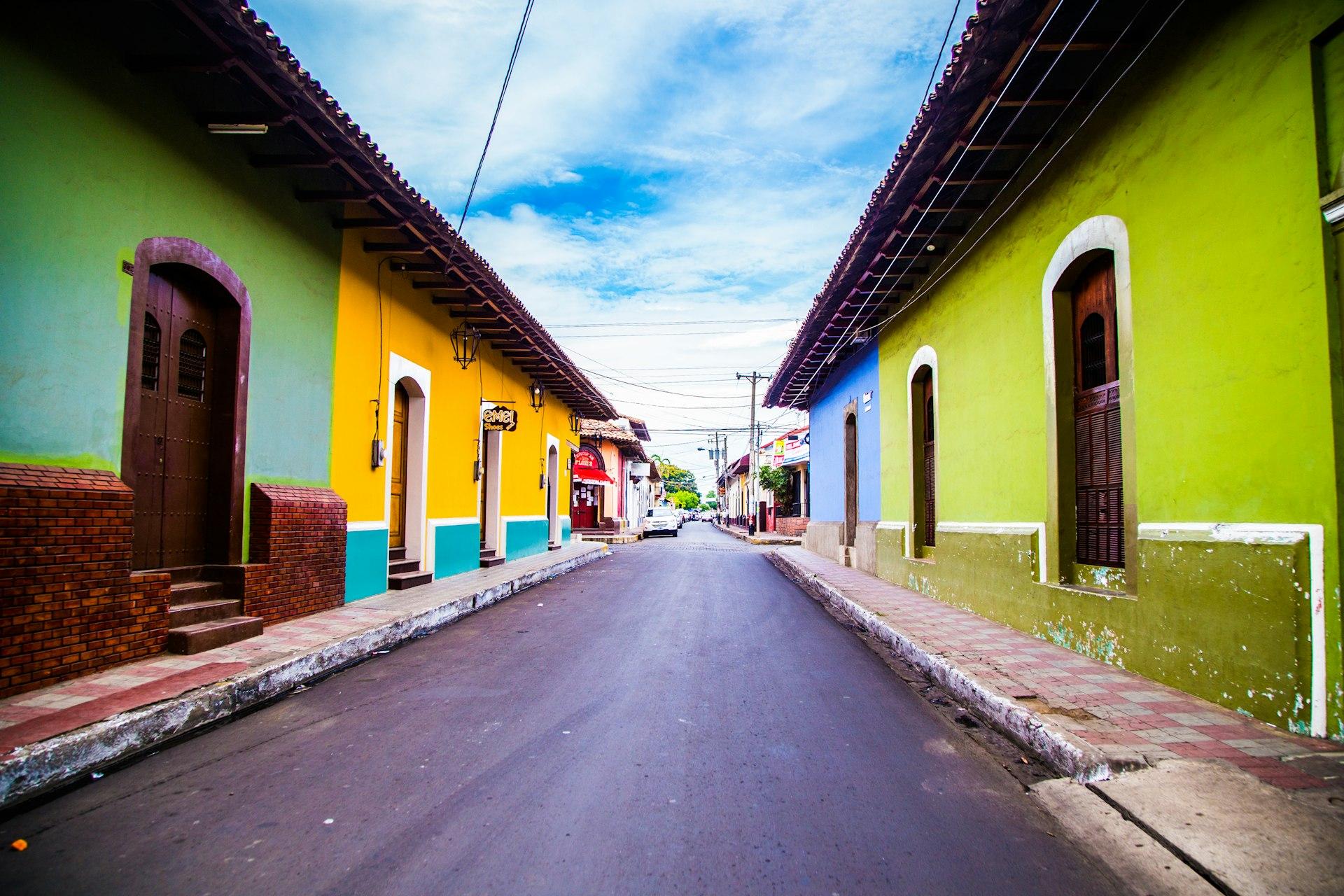
Photo by Hermes Rivera on Unsplash
Nicaragua: Volcanoes, Colonial Cities, and Two Coastlines
Nicaragua sits at the centre of Central America, bordered by Honduras to the north and Costa Rica to the south. At roughly 130,000 km², it is the largest country in the isthmus. The Pacific lowlands run alongside a chain of more than 19 volcanoes, while the Caribbean coast stretches across a separate world of rainforest, lagoons, and Creole culture. Lake Nicaragua — also called Cocibolca — covers 8,264 km² and ranks as the largest lake in Central America, home to the twin-coned island of Ometepe.
Cities Worth Exploring
Granada, founded in 1524, is one of the oldest European-built cities in the Americas. Its cathedral anchors Parque Central, a pedestrian square ringed by ochre and cobalt colonial facades. Horse-drawn carriages still navigate the grid of streets between the cathedral and the lake shore, 2 km east. León, 90 km north-west of Granada, rivals it in colonial heritage and surpasses it in revolutionary history — murals from the 1979 Sandinista uprising cover building facades across the city. The Catedral de León, completed in 1860 after nearly a century of construction, is a UNESCO World Heritage Site and the largest cathedral in Central America. Managua, the capital, occupies the south shore of Lake Xolotlán and functions as the country's commercial and transport hub, though most travellers move through quickly toward Granada or León.
Regions and Landscapes
The Pacific Northwest concentrates the volcanic chain and the main tourist infrastructure. Cerro Negro, a 728-metre active cinder cone near León, is one of the few places in the world where visitors can sandboard down volcanic ash slopes. Masaya Volcano National Park, 23 km south-east of Managua, allows visitors to stand at the rim of an active lava lake after dark. The Corn Islands — Big Corn and Little Corn — lie 70 km off the Caribbean coast and offer reef diving, uncrowded beaches, and no paved roads on Little Corn. The Río San Juan department in the south-east borders Costa Rica and shelters Indio Maíz Biological Reserve, one of the largest intact rainforests north of the Amazon.
When to Visit Nicaragua
The dry season runs November through April, making it the peak period for travel on the Pacific side. Temperatures in Managua average 30 °C year-round; highlands around Matagalpa stay cooler at 22–24 °C. Semana Santa (Holy Week, March–April) draws large domestic crowds to the beaches at San Juan del Sur. The Caribbean coast follows a different pattern — rain can fall any month, but September and October bring the heaviest storms. Granada's colonial festivals and the León music scene draw travellers throughout the dry season.
Practical Tips for Visiting Nicaragua
- Currency: The córdoba (NIO) is the official currency; US dollars are widely accepted in tourist areas.
- Getting around: Chicken buses connect most towns cheaply; private shuttles link Granada, León, and Managua in 1–2 hours.
- Accommodation: Budget hospedajes in Granada start around USD 15 per night; mid-range colonial hotels cluster within four blocks of Parque Central.
- Health: Carry water purification tablets outside urban centres; mosquito repellent is essential on the Caribbean coast.
- Entry: Most nationalities receive a 90-day tourist card on arrival; the CA-4 agreement links Nicaragua with Honduras, El Salvador, and Guatemala under a single entry.
Frequently Asked Questions
Q: What is the best base for visiting Ometepe Island? A: Ferries depart from San Jorge, a small port 3 km south of Rivas on the Pacific side. The crossing to Moyogalpa on Ometepe takes roughly 1 hour. Most visitors base themselves in Altagracia or Moyogalpa for hikes on Volcán Concepción (1,610 m).
Q: Is Nicaragua safe for travellers in 2026? A: Conditions vary by region. The major tourist corridors — Granada, León, San Juan del Sur, and Ometepe — see regular international visitors. Travellers should check current government travel advisories before departure, as the political situation has affected access in some areas since 2018.
Q: How do travellers reach the Corn Islands? A: La Costeña operates daily flights from Managua's Augusto C. Sandino Airport to Big Corn Island; flight time is approximately 75 minutes. A small water taxi connects Big Corn to Little Corn in about 30 minutes.
Q: What currency should visitors bring to Nicaragua? A: US dollars convert easily throughout the country. ATMs in Managua, Granada, and León dispense córdobas. Smaller towns and the Caribbean coast have limited ATM access, so carrying cash is advisable.
Q: When does the volcano boarding season run at Cerro Negro? A: Cerro Negro is accessible year-round, but the dry season (November–April) offers firmer ash conditions and clearer visibility. Tour operators based in León run the excursion daily during peak months.