
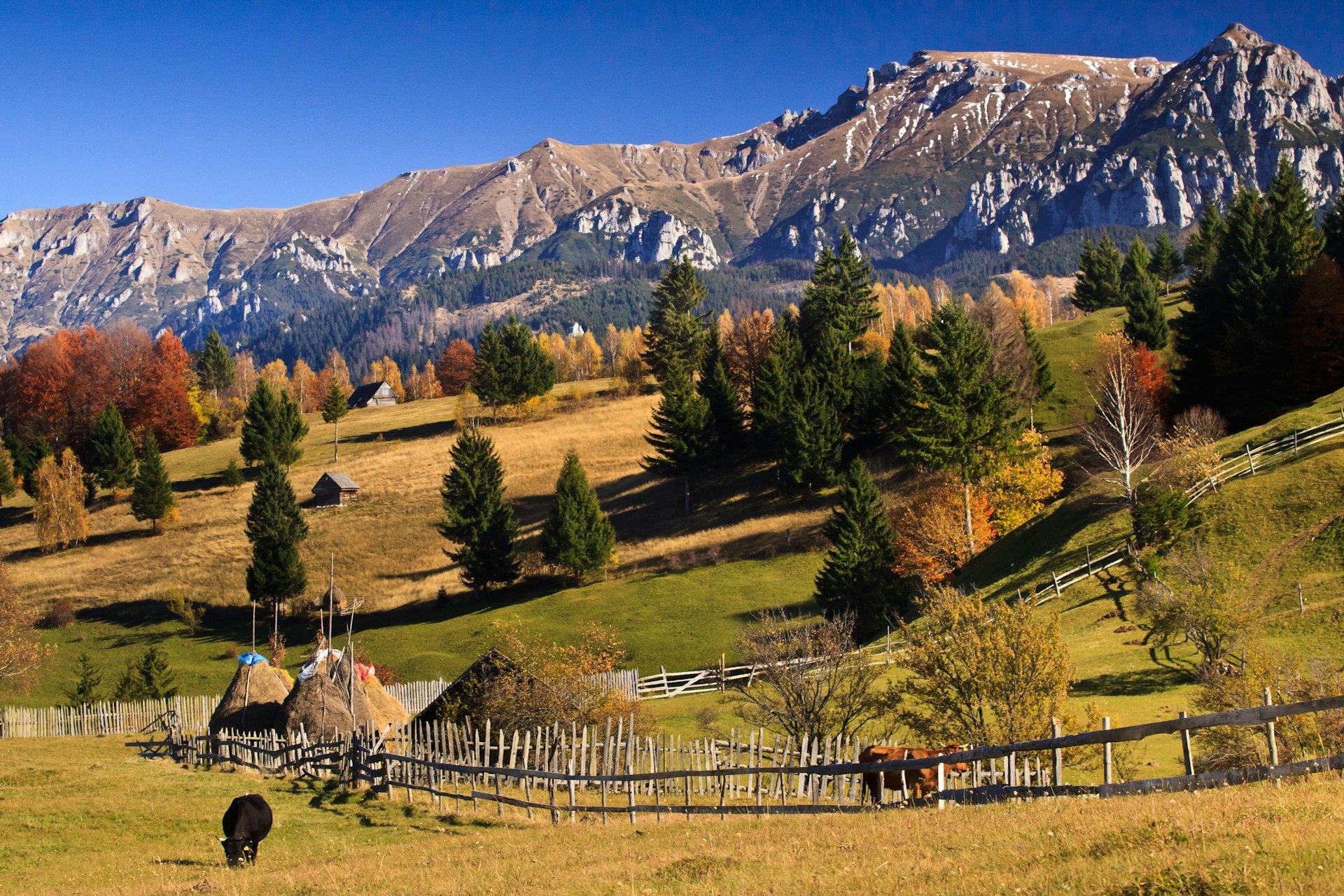
Hotels in Romania
11 cities · 696 hotels
Photo by CALIN STAN on Unsplash
Romania: Carpathian Forests, Medieval Citadels and the Danube Delta
Romania occupies the northeastern corner of the Balkan-Carpathian zone, bordered by the Black Sea to the east and sharing frontiers with seven countries. The Carpathian Mountains form a 910-kilometre arc through the centre of the country, separating the Transylvanian plateau from the Wallachian plains. This geography — forest, fortress and delta — defines what travelers come for: fortified Saxon churches, counted at over 150 in Transylvania alone, the 5,800-square-kilometre Danube Delta Biosphere Reserve (Europe's largest river delta), and a cave count that exceeds 12,000 across the Apuseni and Bucegi ranges.
Cities Worth Exploring
Bucharest, Romania's capital of 1.8 million, anchors the south. The Palace of the Parliament — completed in 1997 and the world's second-largest administrative building by floor area at 365,000 m² — sits at the end of Calea Victoriei's 19th-century neoclassical strip. The old quarter, Lipscani, concentrates craft beer bars, Ottoman-era caravanserais converted to restaurants, and Hanul lui Manuc (1808). Northwest by 166 kilometres, Brașov sits at 625 metres altitude inside a ring of forested ridges; the Black Church (Biserica Neagră), built between 1383 and 1477, is the largest Gothic church in southeastern Europe. Cluj-Napoca, Transylvania's cultural capital, hosts a student population of 80,000 and the Untold Festival (August, over 350,000 attendees annually). On the Black Sea coast, Constanța preserves a Roman mosaic floor from the 4th century AD beneath the Casino promenade.
Regions and Landscapes
Transylvania draws the largest share of international visitors, anchored by the Bran Castle corridor (14th century, 56 km south of Brașov) and the fortified church clusters around Sighișoara — a UNESCO World Heritage city of 28,000 inhabitants whose medieval citadel dates to the 12th century. Maramureș, in the far northwest, preserves wooden churches and a living agricultural calendar; eight of its timber churches hold UNESCO status. Bucovina, in the northeast, is home to painted exterior monasteries from the 15th and 16th centuries — Voroneț Monastery (1488) is known internationally for its cobalt-blue fresco pigment called Voroneț blue. The Danube Delta, accessible by boat from Tulcea, shelters 320 bird species and 45 freshwater fish species.
When to Visit Romania
June through September suits hiking, cycling, and delta boat tours. Transylvania in October offers beech forest colour and harvest festivals without the summer crowds. Winter (December–February) activates ski stations on Poiana Brasov (1,030–1,775 m) and Sinaia's Cota 1400 and Cota 2000 runs. Spring (April–May) reopens monastery circuits in Bucovina before peak-season coaches arrive. The George Enescu International Festival (classical music, Bucharest, September, biennial) next runs in 2027.
Practical Tips for Visiting Romania
- Currency: Romanian Leu (RON); cards accepted in cities, cash essential in rural villages.
- Getting around: CFR Călători trains link Bucharest–Brașov in 2.5 hours; Bucharest–Cluj takes roughly 8 hours by rail or 5 by road (450 km).
- Language: Romanian is the official language; English is widely spoken in Bucharest, Brașov and Cluj.
- Accommodation: Book Bucharest hotels at least two weeks ahead for August and September festival periods.
- Delta access: Ferries from Tulcea operate on three main channels; allow at least two nights to reach interior lakes.
- Altitude note: Pack a warm layer year-round for mountain routes above 1,500 metres.
Frequently Asked Questions
Q: What is the best base for visiting Transylvania? A: Brașov provides the most central position — Bran Castle is 30 km away, Peleș Castle (Sinaia) is 45 km south, and Sighișoara is 120 km northwest. The city has frequent train connections to Bucharest.
Q: Do travelers need a visa for Romania? A: EU/EEA citizens and nationals of around 60 countries including the USA, Canada and Australia enter visa-free for up to 90 days. Romania joined the Schengen Area in January 2024, meaning land border checks with Hungary and Austria have been lifted.
Q: How large is the Danube Delta and how do visitors get there? A: The delta covers approximately 5,800 km² and is accessible by road to Tulcea, then by ferry or private boat. The main gateway is Tulcea port, reachable from Bucharest in roughly 4.5 hours by road.
Q: When does ski season run in the Carpathians? A: Ski resorts at Poiana Brașov and Sinaia typically operate from mid-December through late March, depending on snowfall. Pârtia Lupului at Poiana Brașov reaches 1,775 metres at its highest point.
Q: What currency does Romania use and is it in the Eurozone? A: Romania uses the Romanian Leu (RON). The country is an EU member but has not adopted the euro; euro adoption is under ongoing negotiation with no confirmed date as of 2026.
Cities in Romania
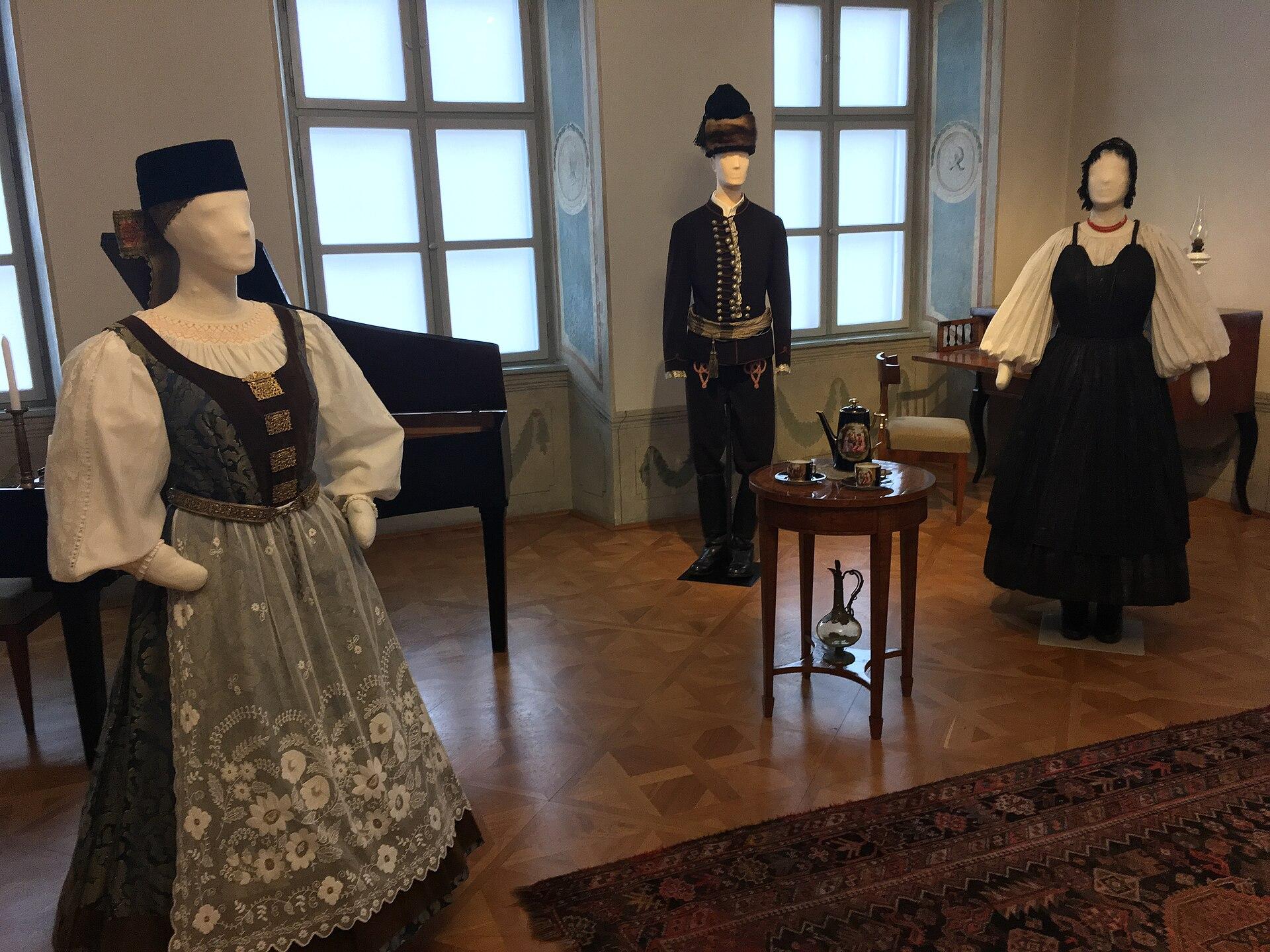
Braşov hotels
Romania · 216 hotels
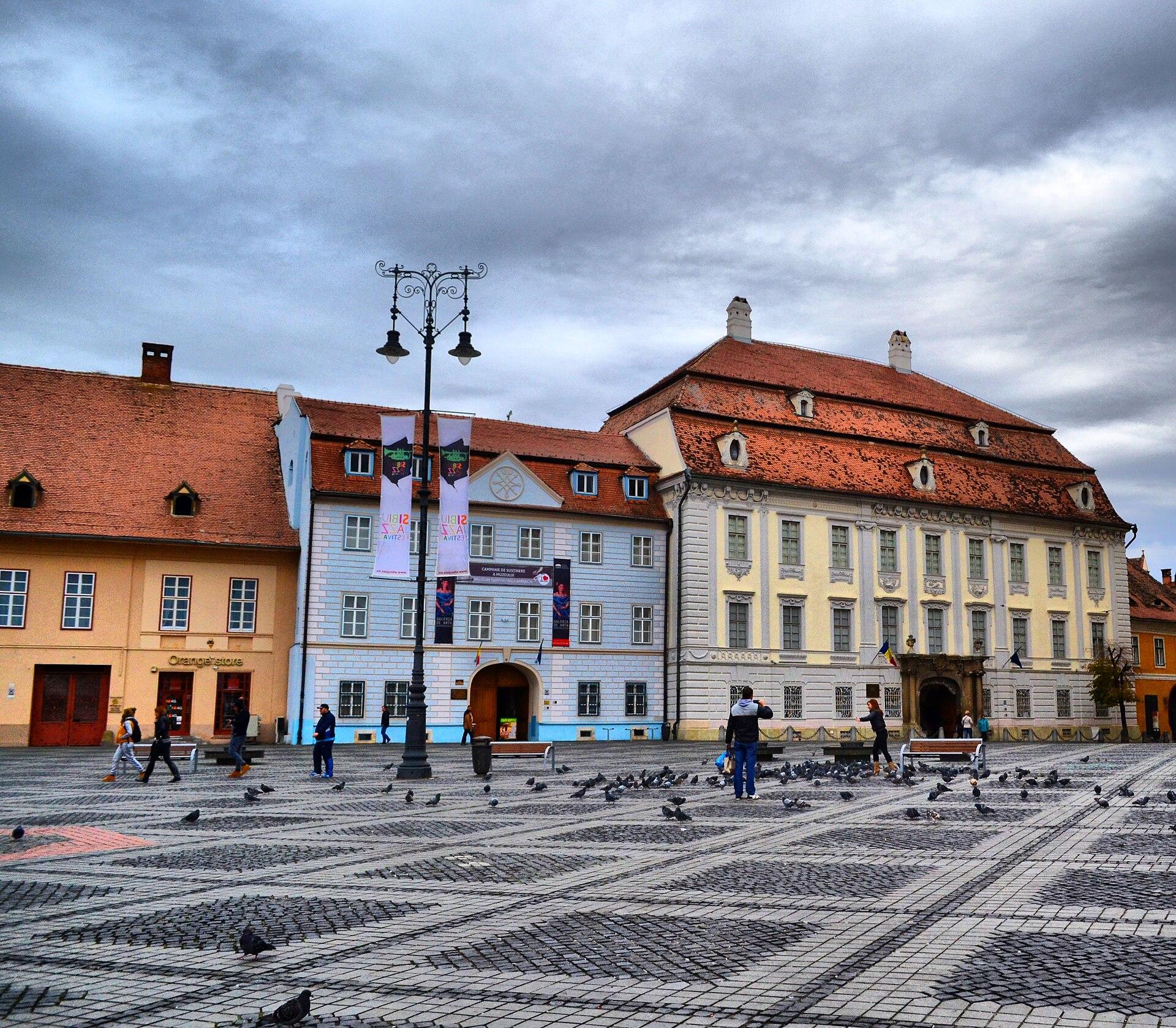
Sibiu hotels
Romania · 165 hotels
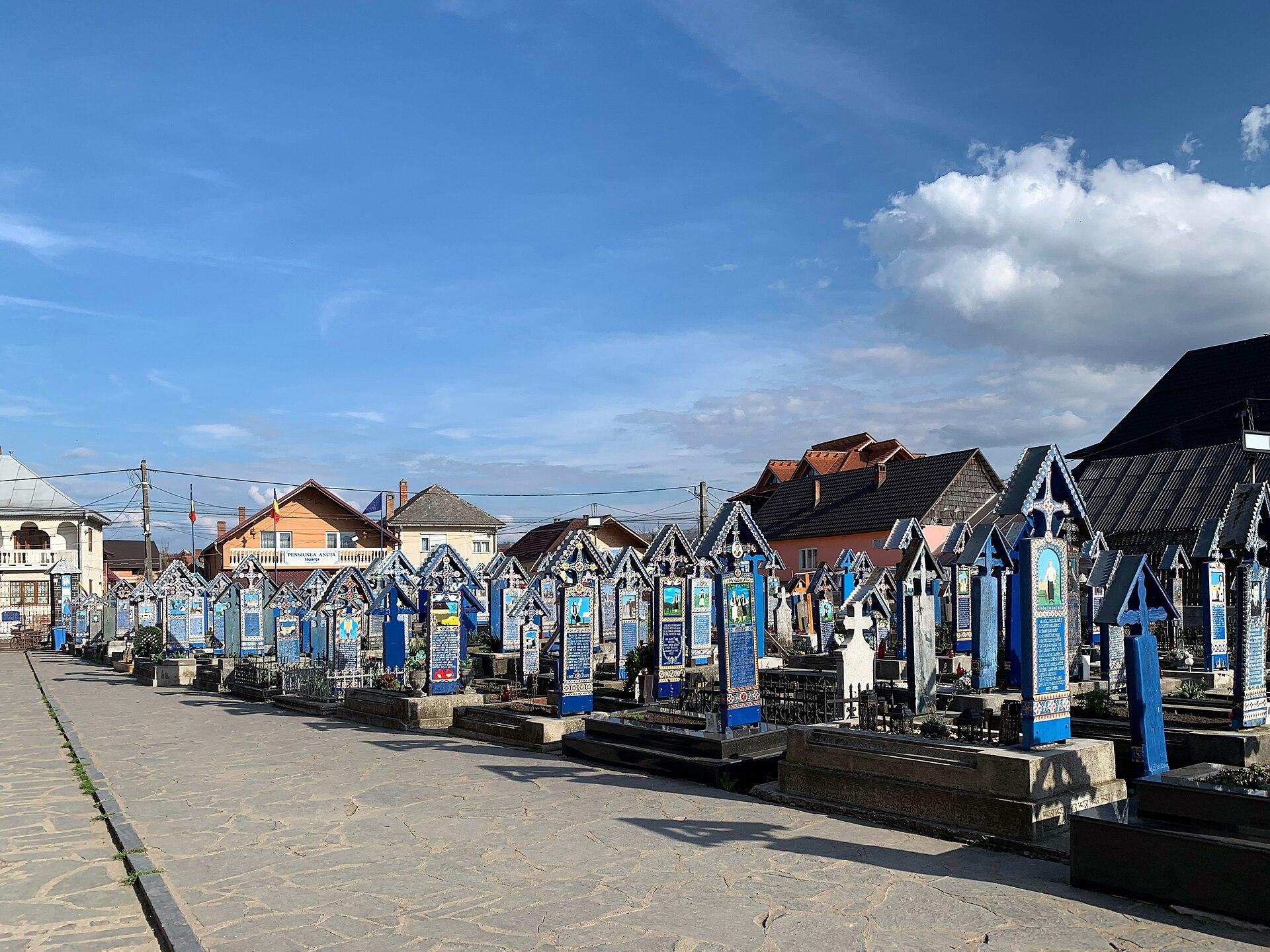
Săpânța hotels
Romania · 62 hotels
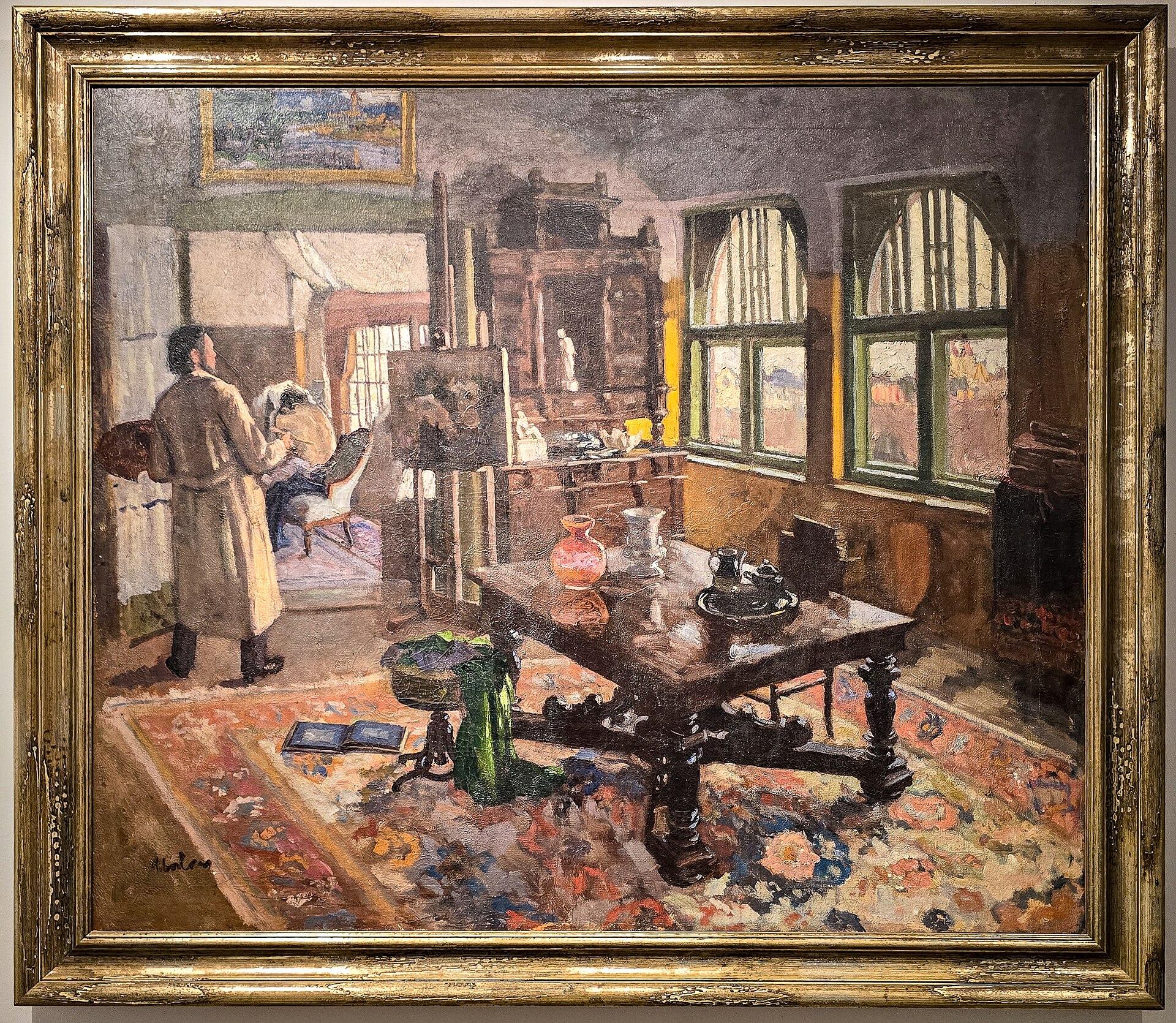
Oradea hotels
Romania · 55 hotels
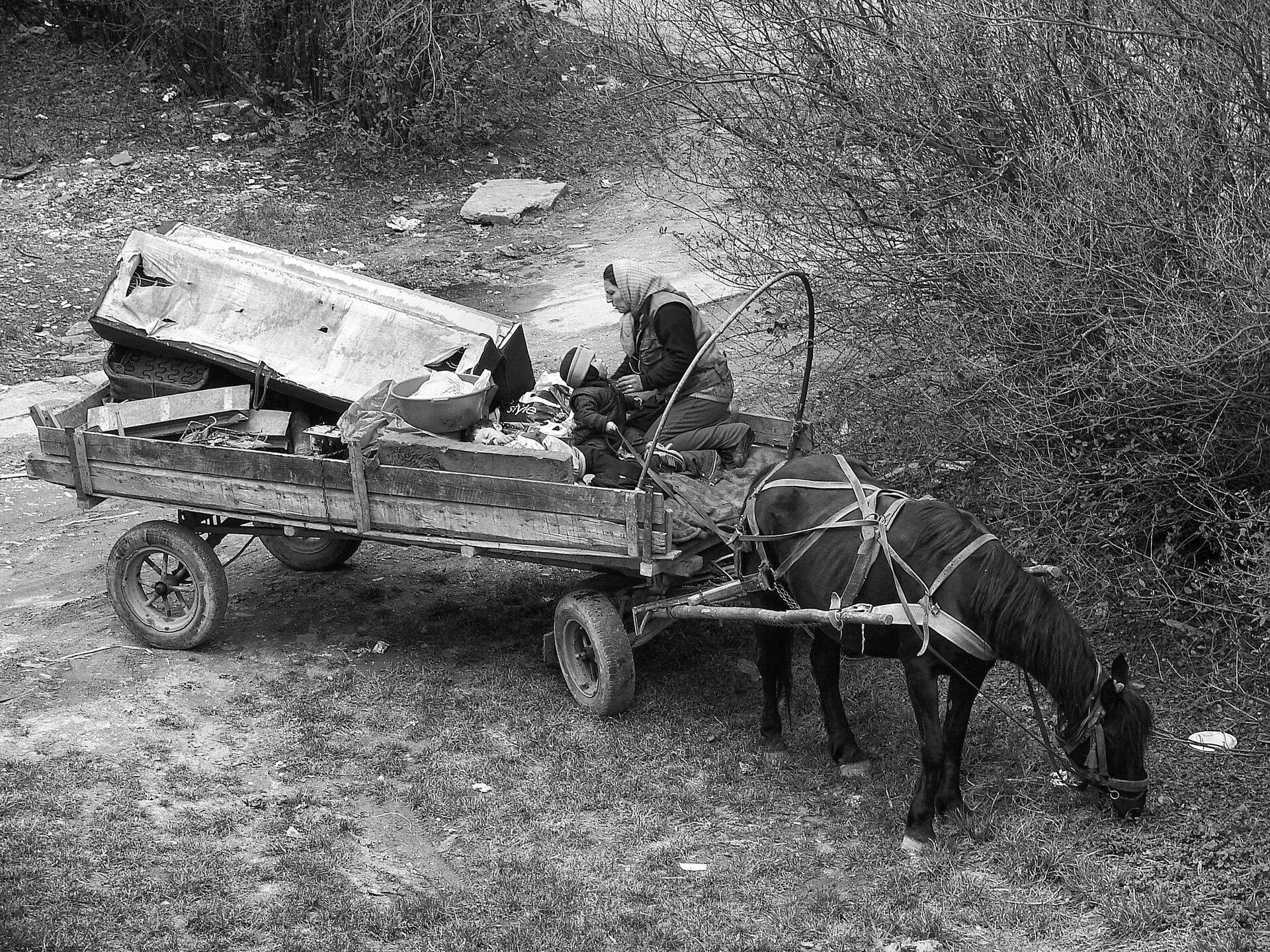
Cluj-Napoca hotels
Romania · 49 hotels
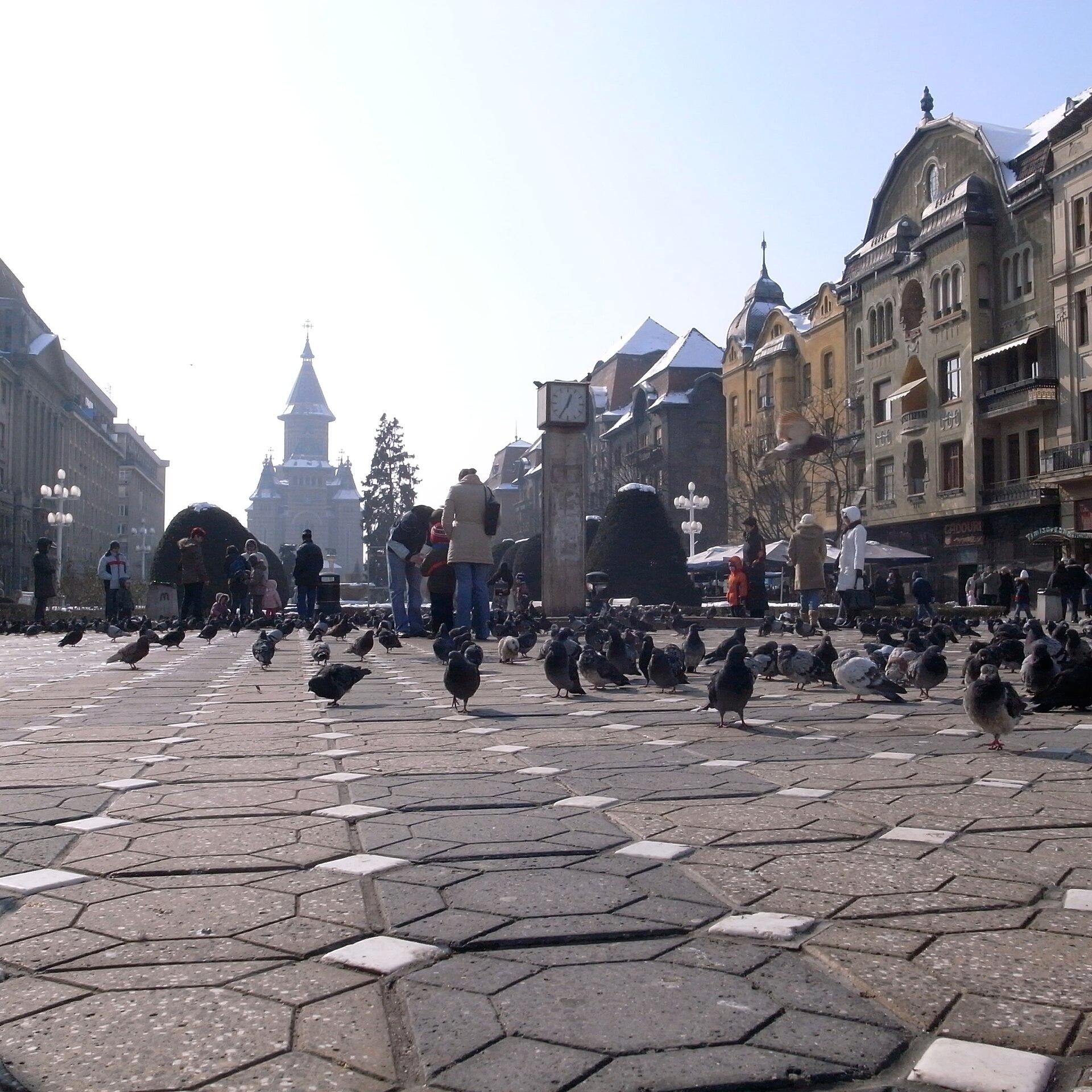
Timişoara hotels
Romania · 40 hotels

Iaşi hotels
Romania · 38 hotels
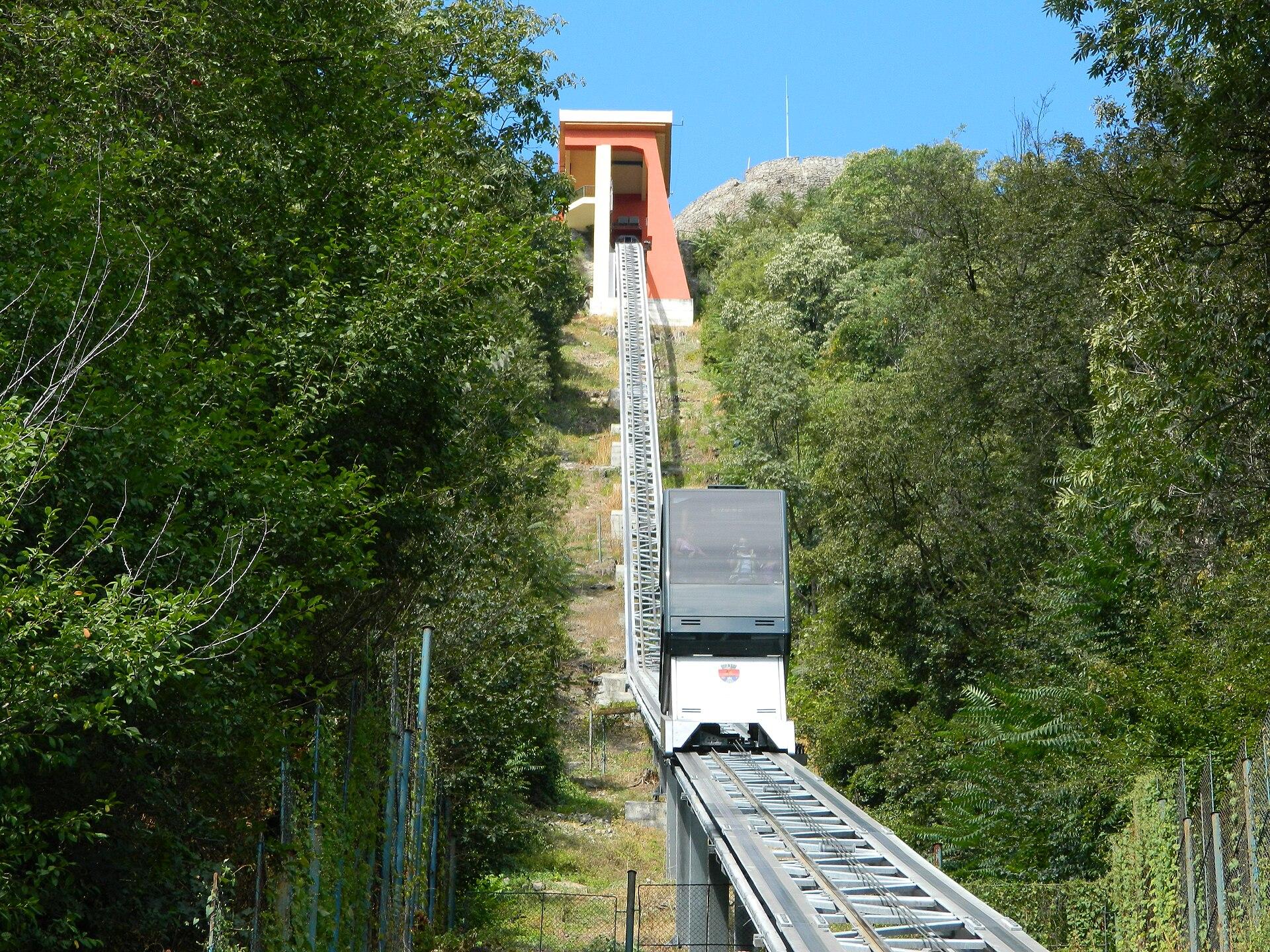
Boholt hotels
Romania · 29 hotels
Constanţa hotels
Romania · 24 hotels
Bucharest hotels
Romania · 11 hotels

Cluj Arena hotels
Romania · 7 hotels