Hotels in Rwanda
1 cities · 4 hotels
Photo by Wikimedia Commons on Unsplash
Rwanda: East Africa's Thousand Hills and Forest Sanctuaries
Rwanda sits at the heart of sub-Saharan Africa, a landlocked country of 26,338 sq km bordered by Uganda to the north, Tanzania to the east, Burundi to the south, and the Democratic Republic of Congo to the west. Kigali, the capital, sits at roughly 1,500 m above sea level on a ridge in the country's central plateau. The terrain is so corrugated that Rwanda earned the name Pays des Mille Collines — Land of a Thousand Hills — long before modern tourism arrived.
Cities Worth Exploring
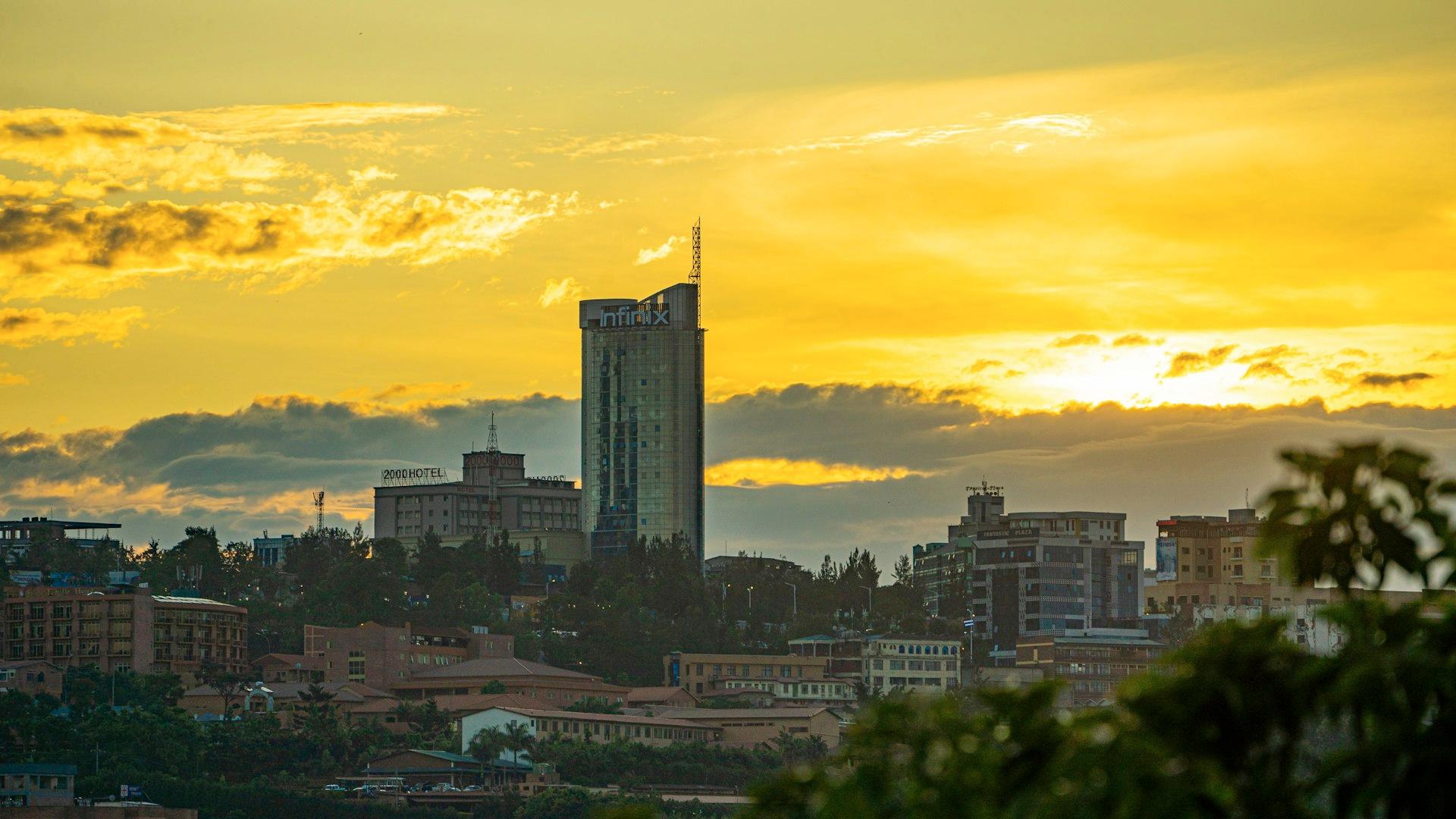
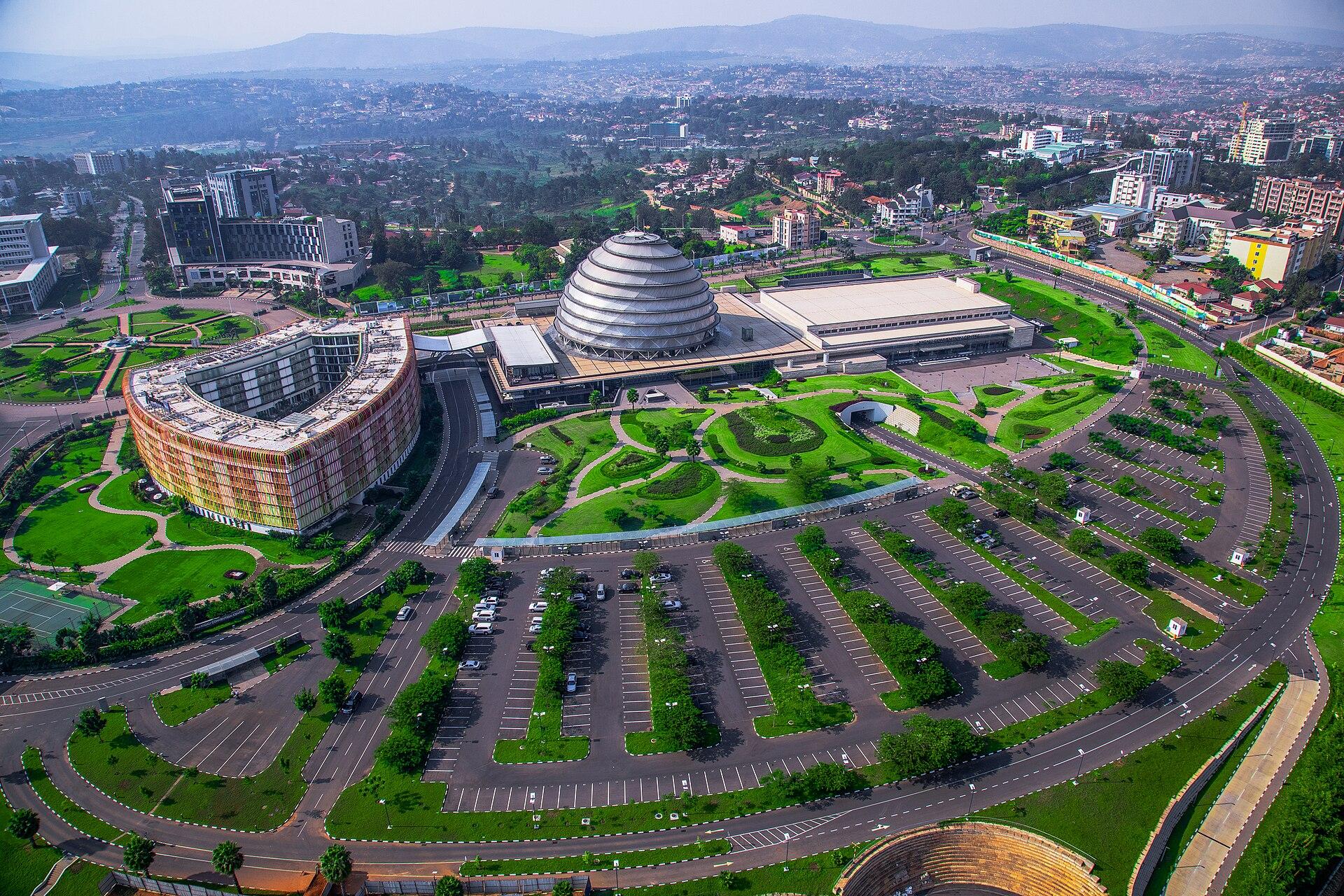
Kigali anchors most itineraries. The Kigali Genocide Memorial on Gisozi Hill, opened in 2004, documents the 1994 genocide against the Tutsi and draws visitors who want historical context before heading into the countryside. The Kimironko Market on the east side of the city sells crafts, textiles, and produce seven days a week. Musanze (formerly Ruhengeri), about 110 km north of Kigali, serves as the gateway town for Volcanoes National Park and carries a small but growing cluster of mid-range and upscale lodges along its main strip. Huye in the south hosts the National Museum of Rwanda, one of the most comprehensive ethnographic collections in Central Africa.
Regions and Natural Attractions
Volcanoes National Park in the northwest covers 160 sq km of Virunga volcano slopes and is the primary habitat of mountain gorillas (Gorilla beringei beringei). Rwanda holds roughly half the world's remaining mountain gorilla population, estimated at around 1,000 individuals as of the most recent census. Gorilla trekking permits cost USD 1,500 per person per visit as of 2024. Nyungwe Forest National Park in the southwest protects 1,019 sq km of montane rainforest — one of the oldest in Africa — and is home to 13 primate species including chimpanzees and the Angola colobus. A canopy walkway suspended 50 m above the forest floor in Nyungwe provides rare above-the-canopy views. Lake Kivu, running 90 km along the western border, offers water-based activities from the lakeside town of Gisenyi (Rubavu) and the quieter peninsulas around Kibuye (Karongi).
When to Visit Rwanda
Rwanda has two dry seasons: June to September and December to February. The long dry season, June through September, is the most popular window for gorilla trekking because trails through Volcanoes National Park are less muddy. October and November bring heavy rains that make highland tracks difficult. Average daytime temperatures in Kigali range from 19°C to 27°C year-round, with cooler nights in the high-altitude northwest. Kwita Izina, Rwanda's annual gorilla naming ceremony held each September, draws conservationists and journalists from across the continent.
Practical Tips for Visiting Rwanda
- Getting around: Minibus-taxis (matatus) connect Kigali to all major towns. Charter vehicles with drivers are standard for Volcanoes National Park, roughly a 2.5-hour drive from the capital.
- Visas: Most nationalities receive a 30-day visa on arrival or through the e-visa portal at migration.gov.rw.
- Currency: The Rwandan franc (RWF) is the local currency; USD is widely accepted in tourist areas.
- Altitude: Pack a light layer for evenings in Musanze and the Virunga foothills, where temperatures drop to 10°C after dark.
- Gorilla permits: Book permits at least three to six months in advance through the Rwanda Development Board; same-day availability is rare.
Frequently Asked Questions
Q: What is the main airport serving Rwanda? A: Kigali International Airport (KGL) is Rwanda's primary international hub, located about 10 km east of the city centre. Several African carriers and RwandAir connect Kigali to Nairobi, Johannesburg, Dubai, Brussels, and London.
Q: How many days should travelers allow for a Rwanda itinerary? A: A focused gorilla-trekking trip typically requires a minimum of four to five days — one day in Kigali, two nights near Volcanoes National Park, and buffer time for travel. Adding Nyungwe and Lake Kivu extends the trip to ten days or more.
Q: Is Rwanda safe for independent travelers? A: Rwanda consistently ranks among the safest countries in sub-Saharan Africa. Kigali has very low street crime rates and a plastic-bag ban enforced since 2008 keeps cities clean.
Q: When did Rwanda open mountain gorilla trekking to tourism? A: Organized gorilla trekking in Rwanda began in the 1970s under the Mountain Gorilla Project, formalized through the 1980s. The permit system as currently structured was substantially revised after the national parks reopened following the 1994 genocide.