Hotels in South Korea
9 cities · 129 hotels
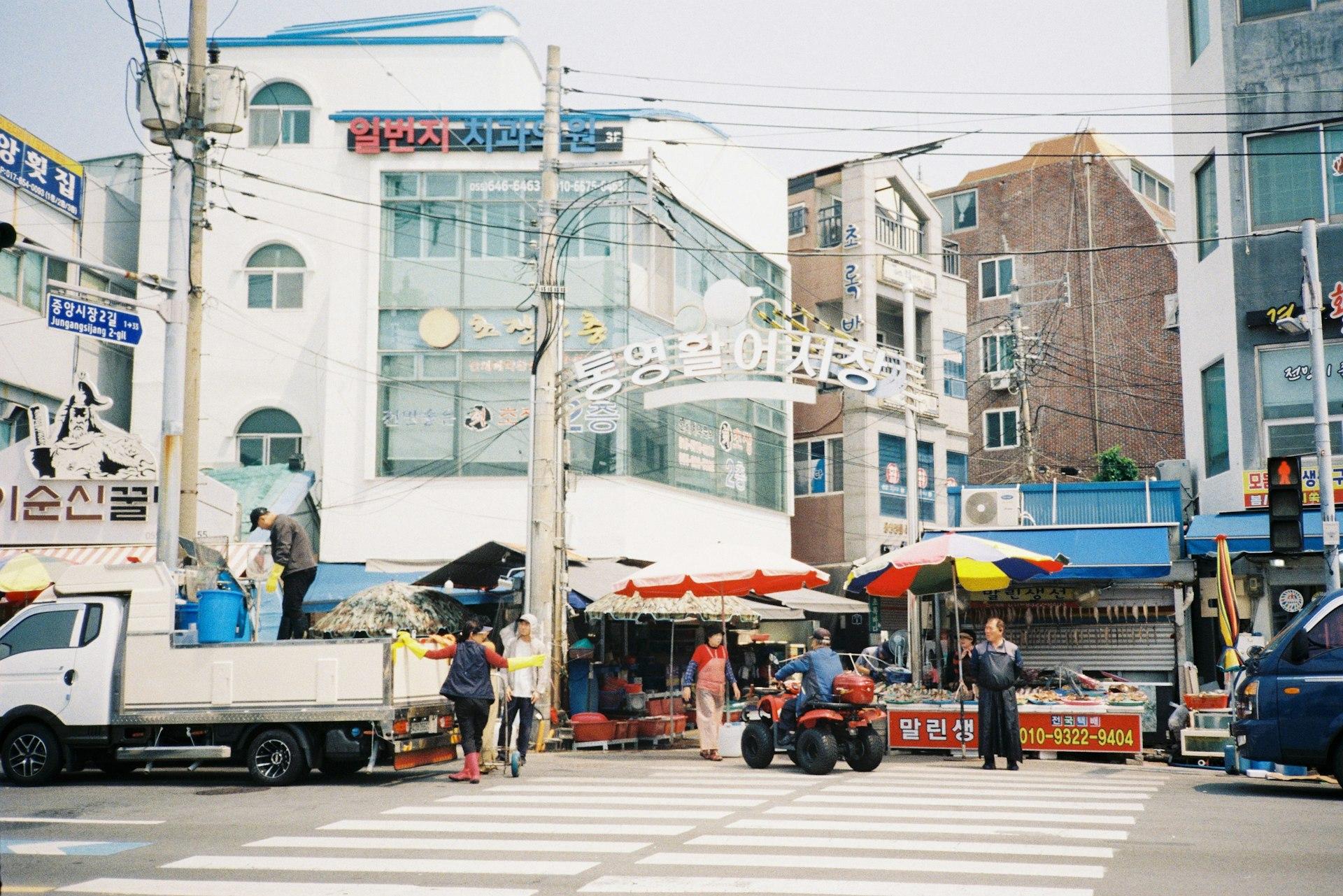
Photo by Elliot Gouy on Unsplash
South Korea: Peninsula of Contrasts Between Ancient Capitals and Neon-Lit Streets
South Korea occupies the southern half of the Korean Peninsula, covering 100,210 sq km between the Yellow Sea and the Sea of Japan. The country borders North Korea along the 248 km Demilitarized Zone and counts roughly 51 million residents. Travelers arrive primarily through Incheon International Airport, 52 km west of central Seoul, which connects to over 100 countries. The Korean high-speed rail network (KTX) links Seoul to Busan — 325 km south — in under 2.5 hours, making multi-city itineraries practical for short trips.
Cities Worth Exploring
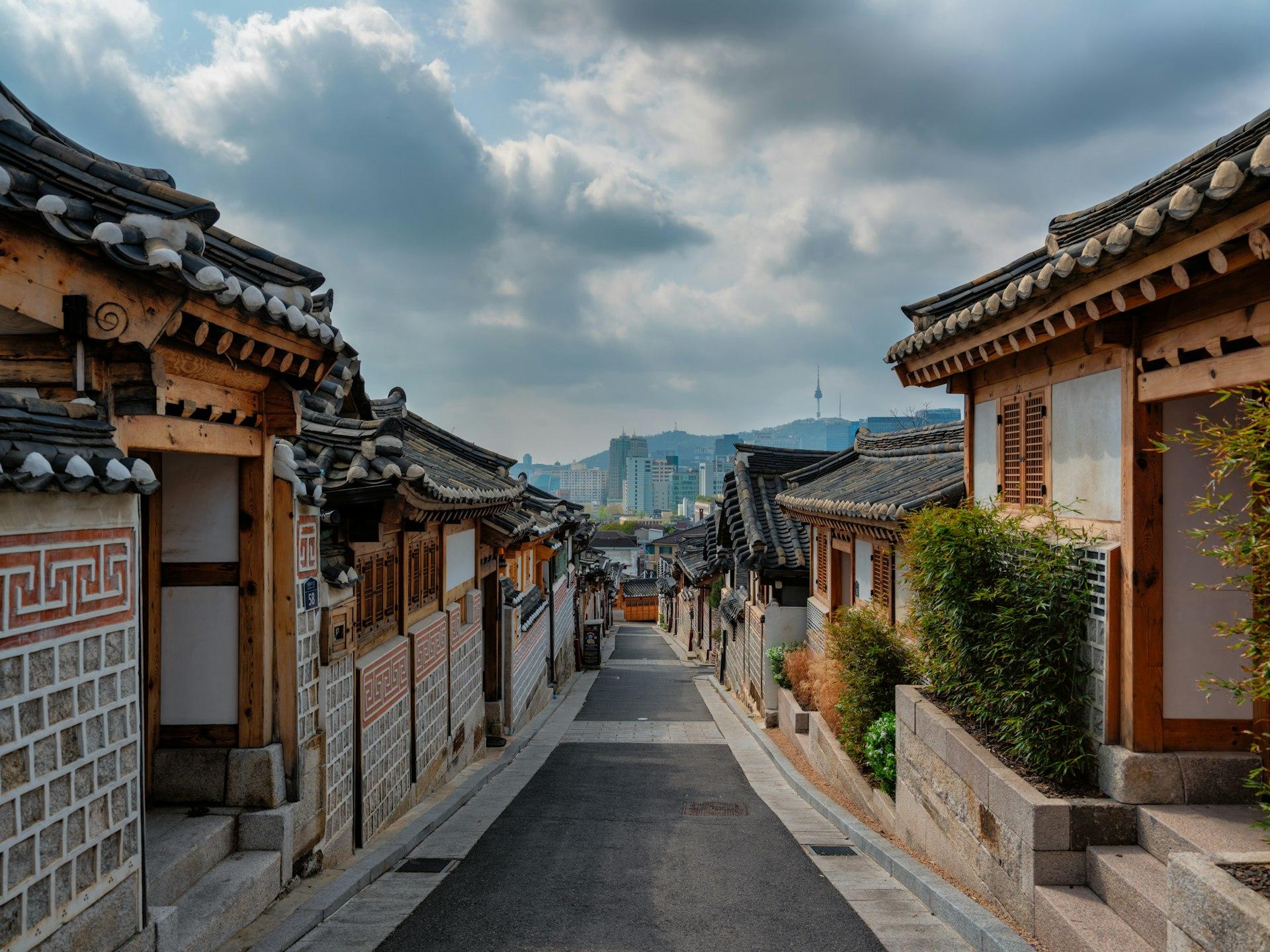
Seoul, the capital, holds 9.7 million people within the city limits and anchors the country's hotel inventory. The Gyeongbokgung Palace, rebuilt in 1395 and restored through the 20th century, sits at the northern axis of the city. The Bukchon Hanok Village preserves 900-year-old tile-roofed houses between Gyeongbokgung and Changdeokgung Palace. Directly south, the Gangnam district concentrates international business hotels and nightlife. Busan, on the southeast coast, is South Korea's second city and primary port. The Jagalchi Fish Market, open since the 1940s, sprawls across the waterfront near Nampo-dong. Haeundae Beach stretches 1.5 km and hosts the Busan International Film Festival each October.
Regional Highlights Beyond the Major Cities
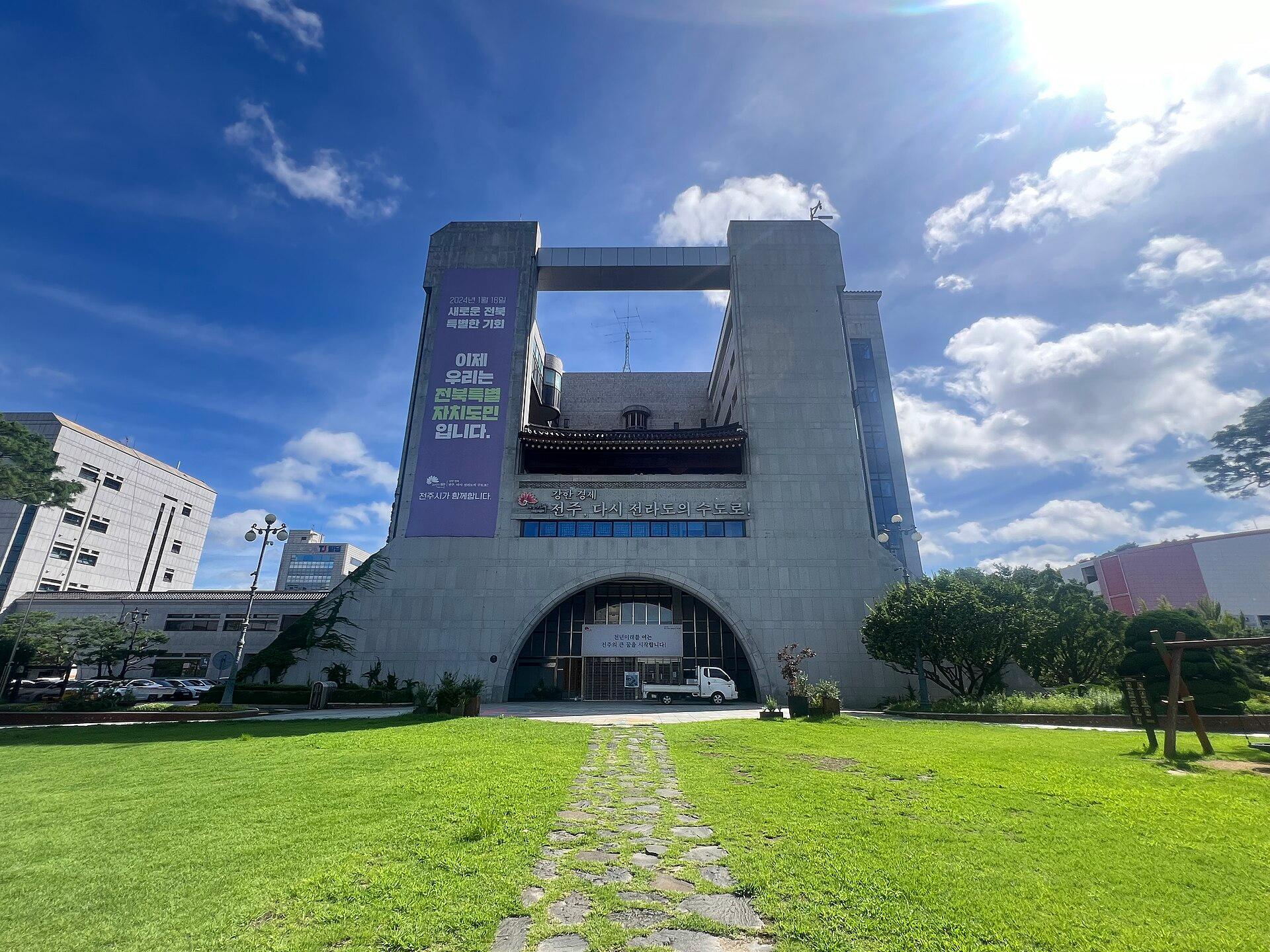
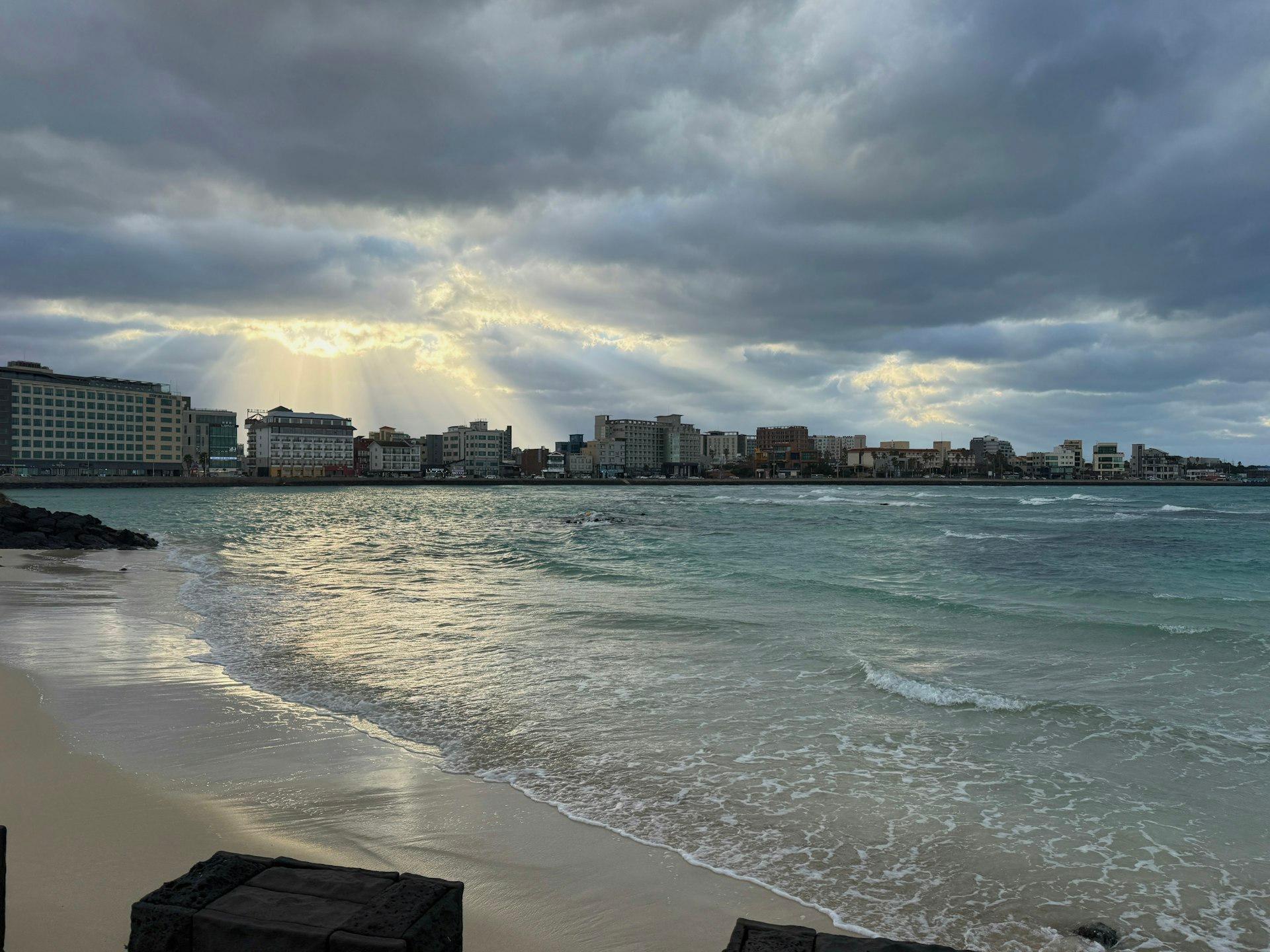
Jeju Island, 90 km south of the mainland, is a volcanic island covering 1,849 sq km. Hallasan, the dormant shield volcano at the island's center, reaches 1,950 m — the highest point in South Korea. Coastal lava-tube caves and the Olle Trail network (26 routes totaling 437 km) draw trekkers year-round. In the southwest, Jeonju is renowned for bibimbap and a hanok village quarter of roughly 800 traditional houses. The Gyeongju basin in the southeast served as capital of the Silla Kingdom for nearly 1,000 years; burial mounds, pagodas, and the Bulguksa Temple (751 CE, UNESCO-listed) remain intact.
When to Visit South Korea
Spring (late March–May) draws the largest crowds for cherry blossom season, concentrated in Seoul's Yeouido district and along Busan's Nakdong River. Autumn (September–November) offers cooler temperatures and foliage across mountain parks like Seoraksan National Park in Gangwon Province. Summer (June–August) brings the monsoon, with July averaging 27°C in Seoul and heavy rainfall mid-July through mid-August. Winter is cold and dry — Seoul averages −6°C in January — but Pyeongchang and other mountain zones offer ski resorts operational from December through February.
Practical Tips for Visiting South Korea
- Getting around: KTX tickets sell out on holiday weekends; book at least two weeks ahead through the Korail website.
- Currency: Korean Won (KRW). ATMs at convenience stores (GS25, CU, 7-Eleven) accept foreign cards 24 hours.
- SIM / connectivity: Pocket Wi-Fi rental desks operate at Incheon arrivals; unlimited-data tourist SIMs are available at T-Mobile and SK Telecom counters.
- Etiquette: Remove shoes before entering traditional guesthouses (hanok stays) and many temple areas.
- Visa: Citizens of 112 countries enter visa-free for 30–90 days under bilateral agreements as of 2025.
Frequently Asked Questions
Q: What is the cheapest time to find hotel rates in Seoul? A: January and February outside Lunar New Year (late January or early February) typically show lower occupancy and hotel rates. Avoid the Chuseok and Lunar New Year long weekends, when domestic travel peaks.
Q: How many days are needed to cover Seoul and Busan? A: A focused itinerary covers Seoul in 3–4 days and Busan in 2 days. The KTX journey between both cities takes under 2.5 hours, so a single return ticket connects them efficiently.
Q: Is Jeju Island accessible from Seoul without a long trip? A: Flights from Gimpo Airport to Jeju take roughly 1 hour and depart frequently throughout the day. Jeju Air and Jeju island ferry services also connect from Mokpo on the mainland.
Q: What neighborhoods in Seoul have the highest concentration of hotels? A: Myeongdong and Dongdaemun hold mid-range to upscale properties close to shopping and transit. Gangnam concentrates 5-star business hotels. Hongdae attracts budget guesthouses near Hongik University.
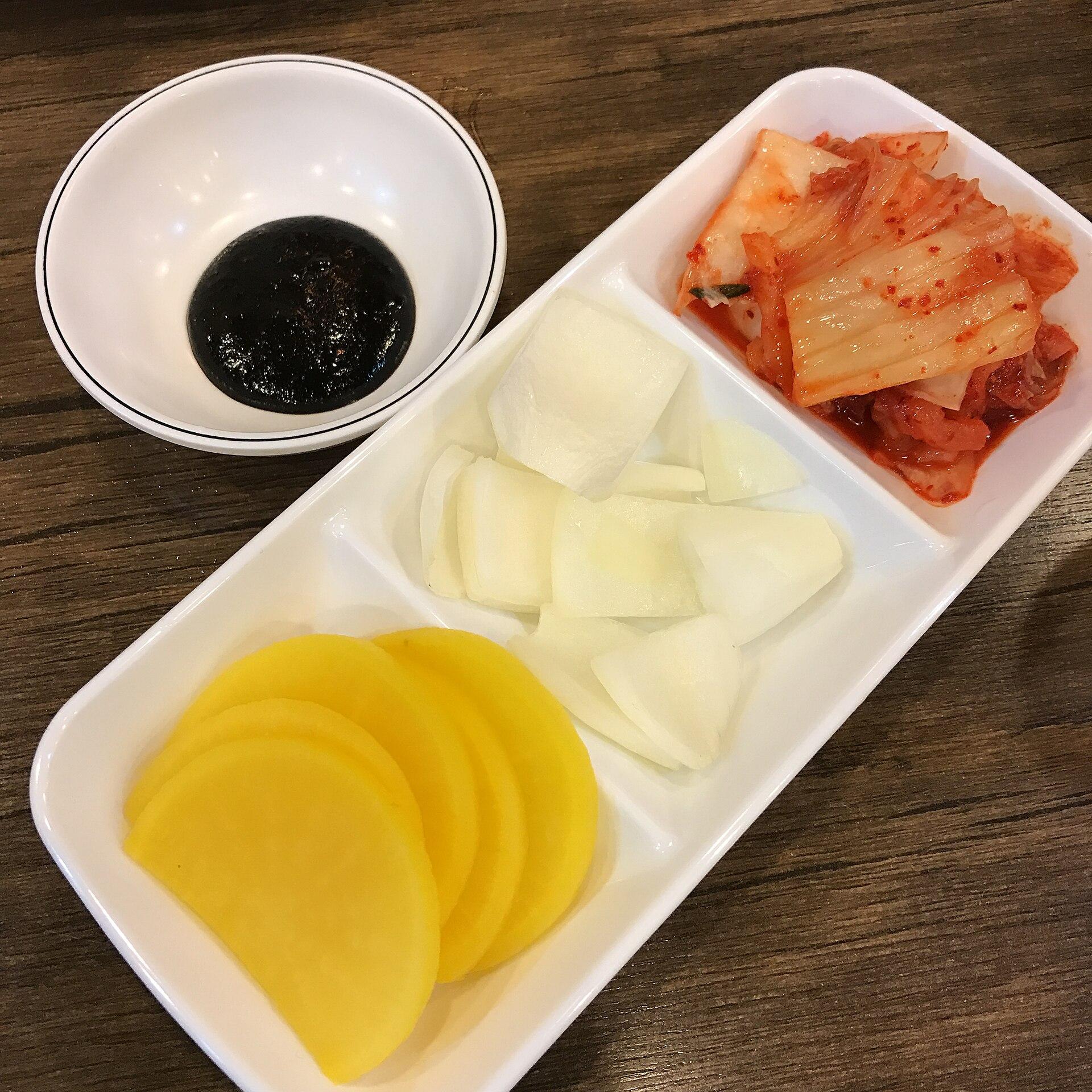
Q: Do hotels in South Korea include breakfast? A: Larger chain hotels in Seoul and Busan often offer breakfast as a paid add-on rather than a room-rate inclusion. Hanok guesthouses and smaller inns in Jeonju or Gyeongju typically include a traditional Korean morning meal.