
Hotels in Taiwan
12 cities · 206 hotels
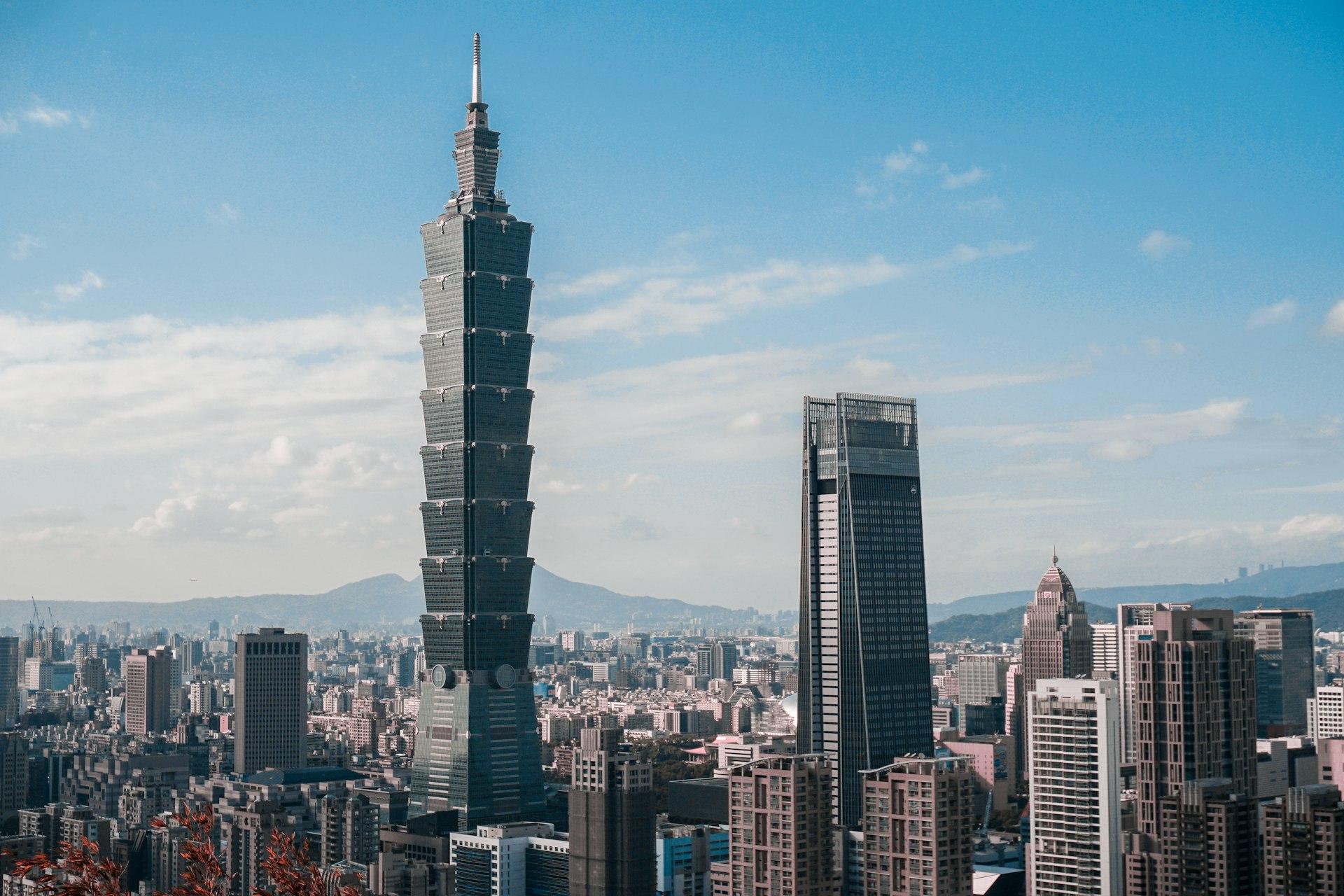
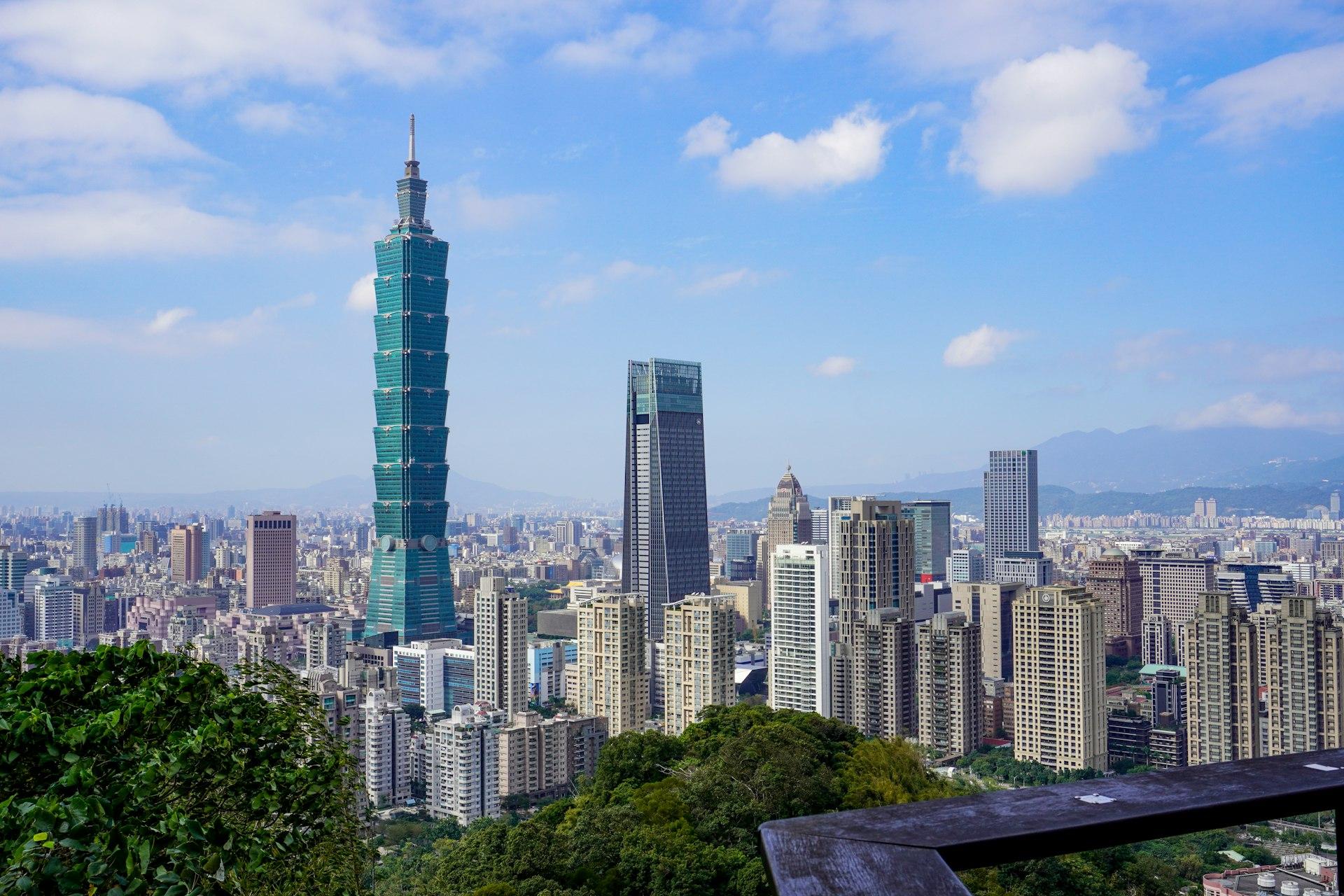
Photo by Lisanto 李奕良 on Unsplash
Taiwan: Island of Night Markets, High Peaks, and Hot Springs
Taiwan sits 180 km off the southeastern coast of China, a mountainous island of 36,193 km² that packs extraordinary geographic and cultural variety into a compact territory. More than 100 peaks exceed 3,000 metres, the highest being Yushan (Jade Mountain) at 3,952 m. Subtropical lowlands, Pacific-facing cliffs, and a dense rail network make moving between coast, city, and mountain straightforward for most visitors.
Cities Worth Exploring
Taipei, the capital in the island's north, anchors Taiwan's hotel market. The Taipei 101 skyscraper — 509 m tall, completed 2004 — remains the orientation point for the Xinyi financial district. The Da'an and Zhongzheng districts hold mid-range and budget hotels close to National Taiwan University and Chiang Kai-shek Memorial Hall. The MRT metro system covers 131 stations across six lines, putting most hotel zones within walking distance of transit.
Kaohsiung, 350 km south of Taipei by high-speed rail (reachable in 90 minutes), is Taiwan's second-largest city and main southern hub. The Pier-2 Art Center in the Yancheng district and the Lotus Pond temples at Zuoying give visitors distinct neighborhoods with their own hotel clusters. The port-side Cijin Island offers guesthouses a short ferry ride from downtown.
Regions and Landscapes
The East Rift Valley runs through Hualien and Taitung counties along Taiwan's Pacific flank. Taroko Gorge, a 19 km marble canyon inside Taroko National Park, draws hikers and cyclists from April through November. The gorge entrance sits 4 km east of Hualien City, which has direct express trains from Taipei (roughly 2 hours on the Puyuma or Taroko Express).
Tainan, Taiwan's oldest city, was the island's capital under Dutch (1624–1662) and early Qing-dynasty rule. More than 200 temples survive in the old city core, including Chihkan Tower (built 1653). The city's hotel scene centers on the West Central District and the area around Tainan HSR Station, which opened in 2007.
Sun Moon Lake in Nantou County, 748 m above sea level and 33 km in circumference, is Taiwan's largest body of fresh water and a resort corridor with lakeside hotels in the Shuishe village area.
When to Visit Taiwan
Taiwan's climate divides clearly by season and latitude. October through December brings dry, mild weather to the north and is widely regarded as the most comfortable window for Taipei. The Lantern Festival (15th day of the Lunar New Year, usually February) fills Pingxi township with sky lanterns. Summer (June–August) is hot and humid; typhoon season runs July through October, with the east coast receiving the most direct impacts. The south, including Tainan and Kaohsiung, is drier than the north in winter.
Practical Tips for Visiting Taiwan
- Getting around: The Taiwan High Speed Rail connects Taipei to Kaohsiung in 90 minutes; the TRA conventional rail serves Hualien and Taitung on the east coast.
- Currency: New Taiwan Dollar (TWD); ATMs accepting international cards are common at 7-Eleven convenience stores.
- Language: Mandarin Chinese is official; English signage is standard on MRT systems and tourist sites.
- Power: Type A/B plugs, 110 V — North American devices work without adapters.
- Entry: As of 2025, visitors from many countries enter visa-free for up to 90 days; check current status with Taiwan's Bureau of Consular Affairs before travel.
Frequently Asked Questions
Q: What is the best base city for a first visit to Taiwan? A: Taipei serves as the most practical base. The MRT reaches major attractions, and day trips to Jiufen, Yehliu Geopark, and Wulai are each under 90 minutes by transit or car.
Q: How long does the train from Taipei to Kaohsiung take? A: The Taiwan High Speed Rail covers the route in approximately 90 minutes on non-stop services; stopping services take around 2 hours.
Q: Are hotels in Taipei expensive compared to other Asian capitals? A: Mid-range hotels in Taipei typically start around TWD 2,000–3,500 (USD 60–110) per night. Budget options near Zhongshan and Ximen MRT stations begin lower; five-star properties in Xinyi run considerably higher.
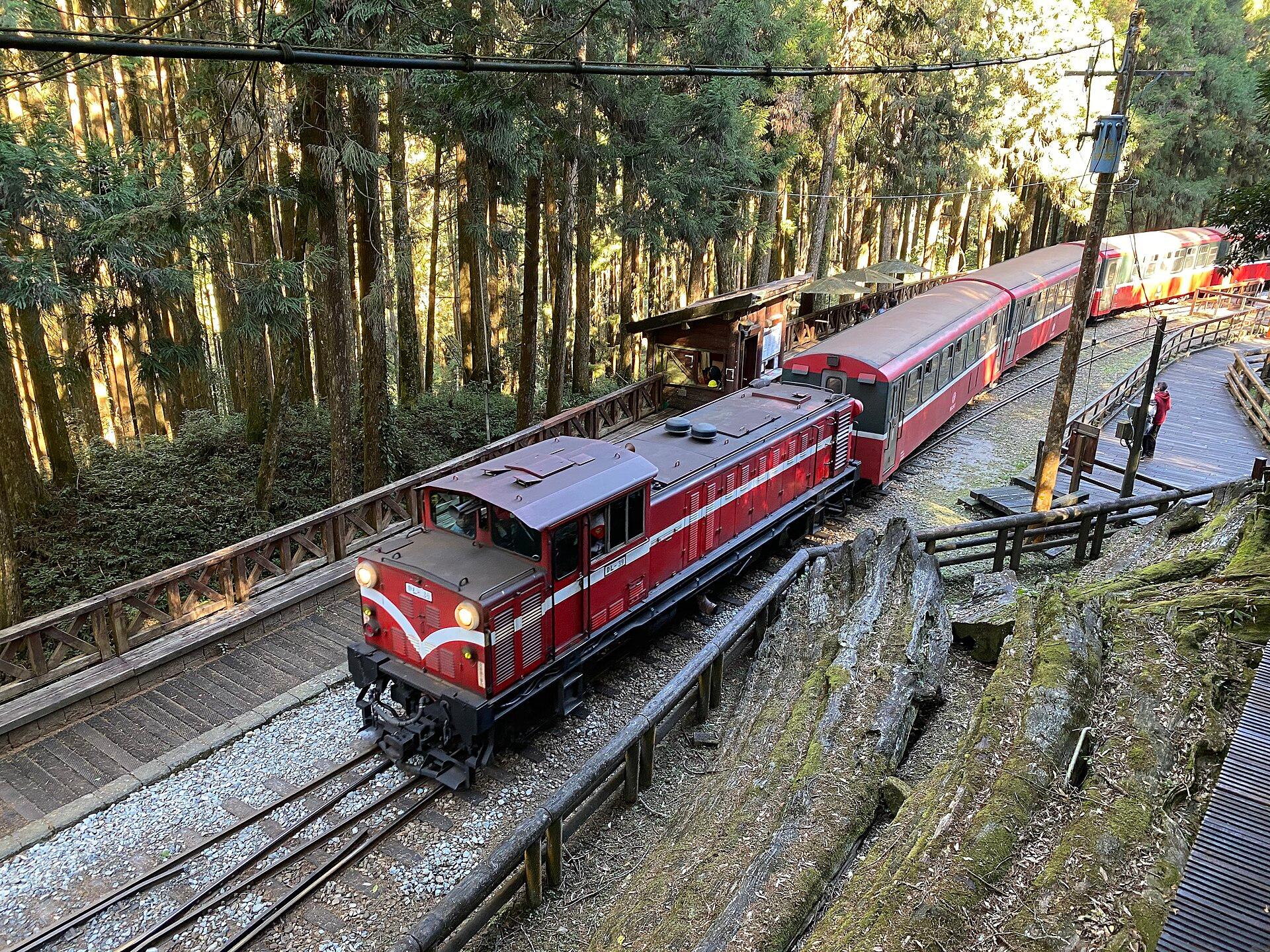
Q: Is Taiwan suitable for outdoor and hiking travel? A: Yes. Taroko National Park, Yushan National Park, and the Alishan forest railway area offer trails ranging from short gorge walks to multi-day alpine ascents above 3,500 m.
Q: What is the main night market to visit in Taipei? A: Shilin Night Market in the Shilin district is the largest and most visited, operating nightly from roughly 17:00. Raohe Street Night Market in Songshan is smaller and often preferred by repeat visitors for its manageable layout.
Q: When does typhoon season affect travel plans? A: Typhoons most frequently affect Taiwan between July and October. The east coast — Hualien and Taitung — receives the most direct landfalls; the west coast is somewhat sheltered by the Central Mountain Range.
Cities in Taiwan
Guilin hotels
Taiwan · 121 hotels

Taitung City hotels
Taiwan · 21 hotels
Kenting hotels
Taiwan · 17 hotels
Jiufen hotels
Taiwan · 16 hotels

Hualien City hotels
Taiwan · 10 hotels
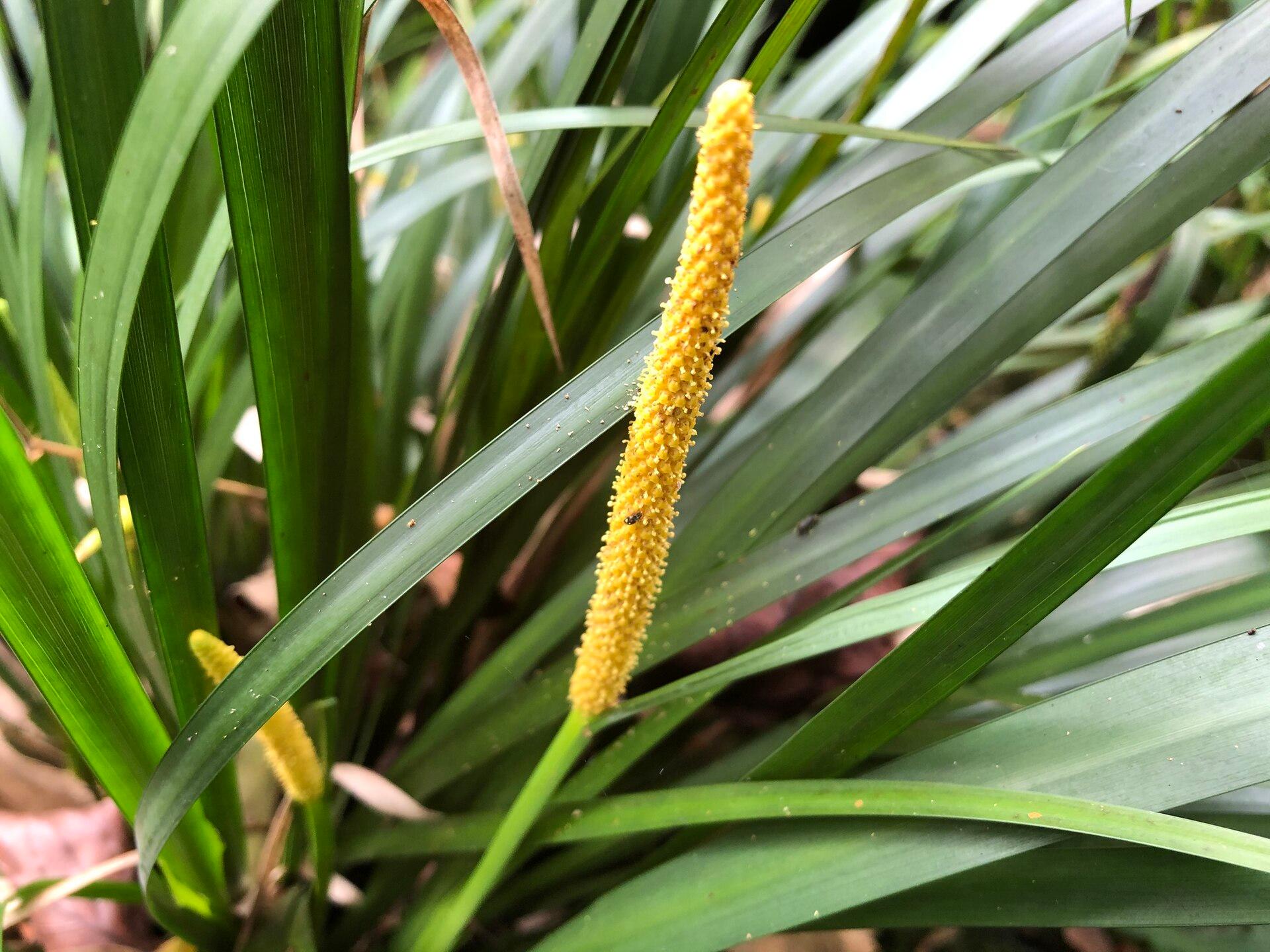
Alishan hotels
Taiwan · 8 hotels
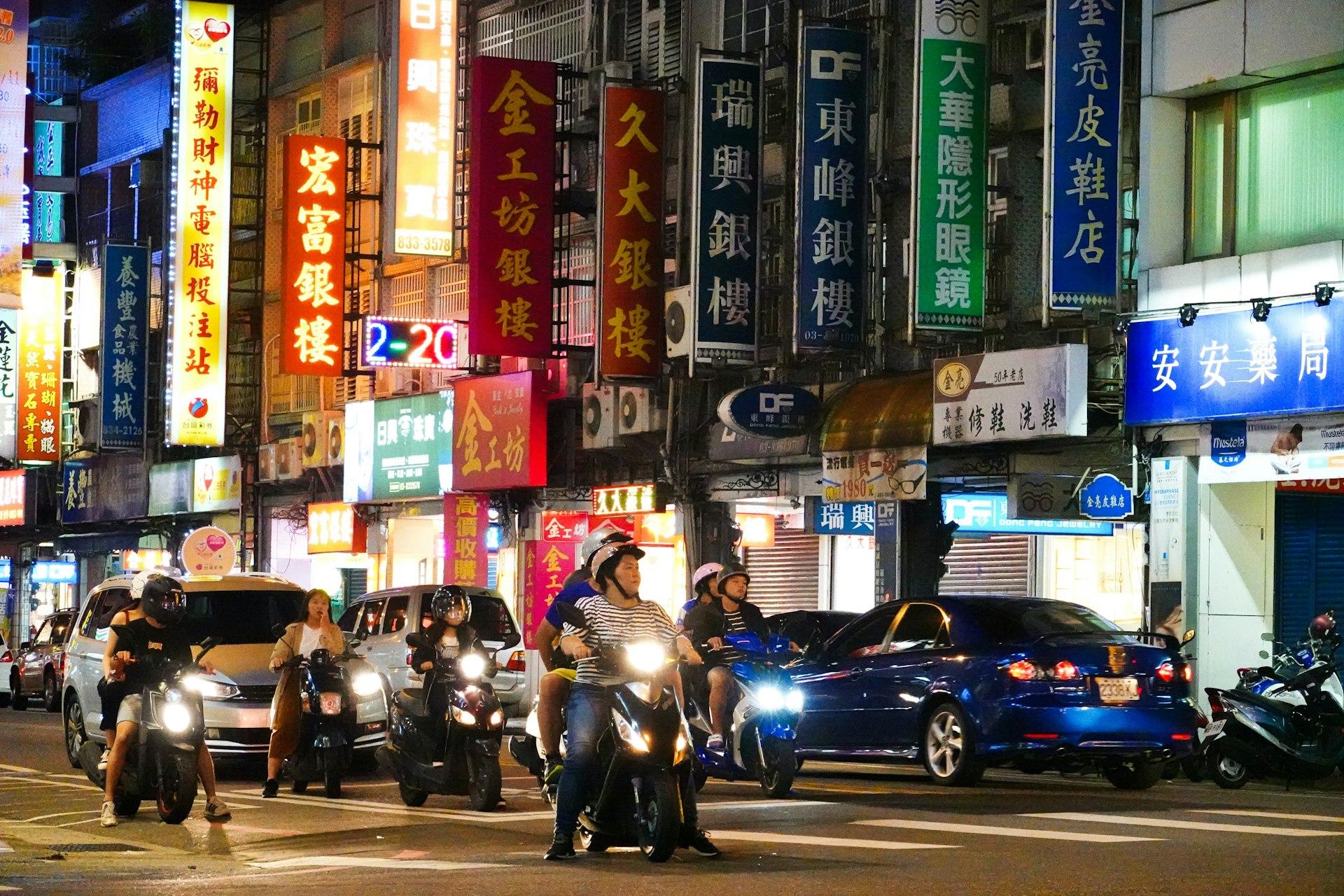
Xianglin hotels
Taiwan · 5 hotels
Tainan hotels
Taiwan · 4 hotels

Taichung hotels
Taiwan · 2 hotels
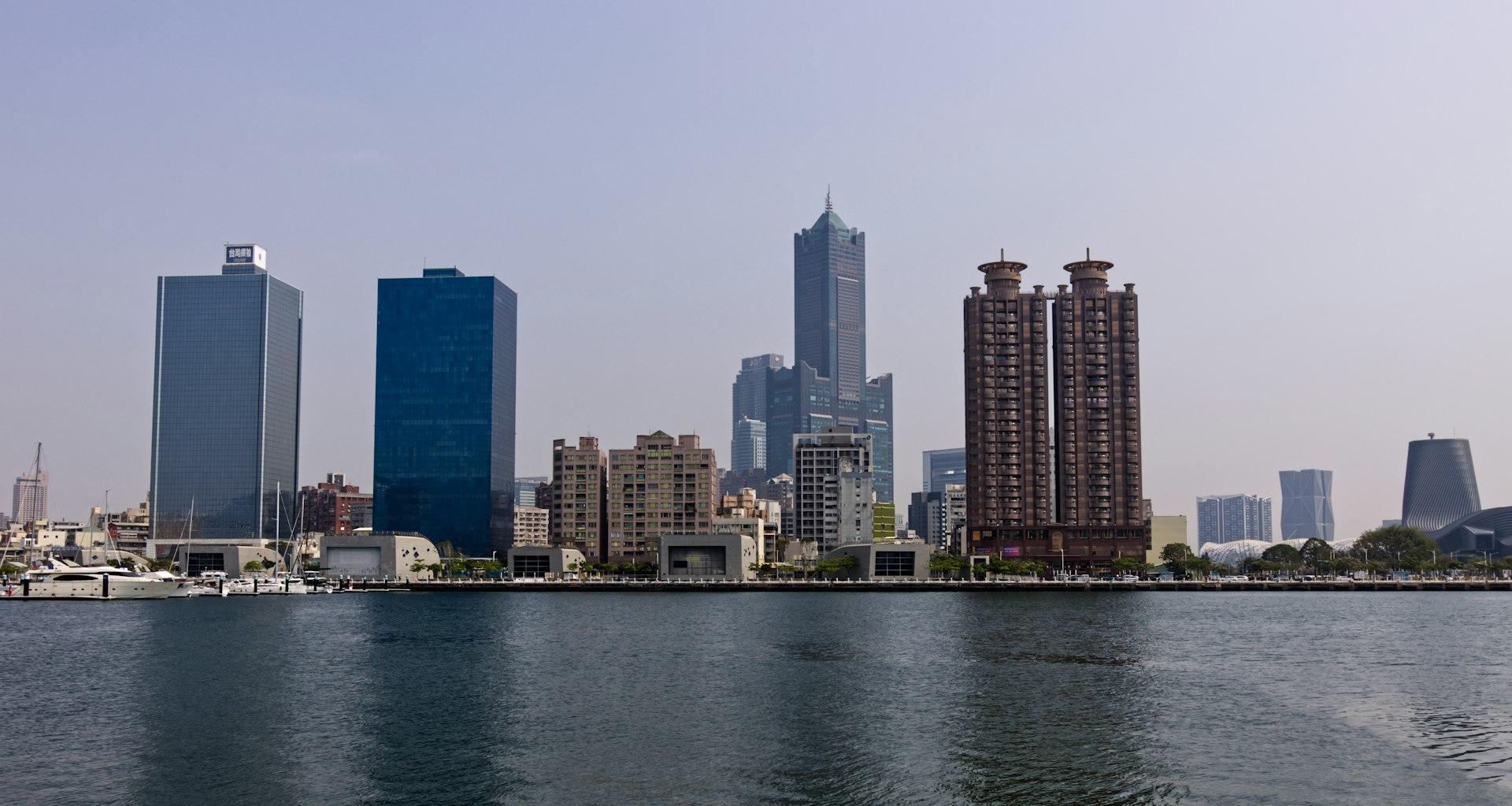
Kaohsiung hotels
Taiwan · 1 hotels
Taipei hotels
Taiwan · 1 hotels