Hotels in Belize
5 cities · 31 hotels
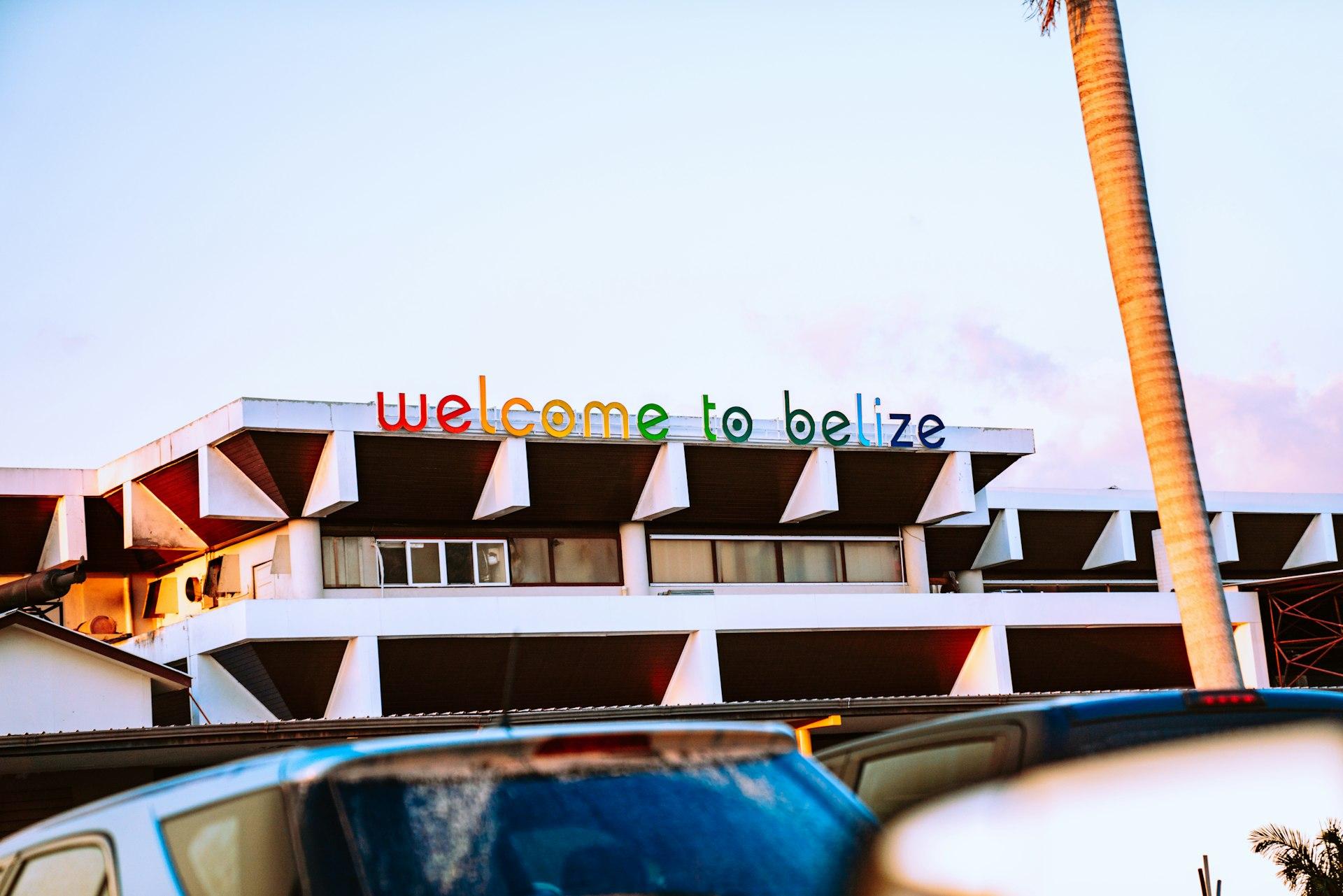
Photo by Meritt Thomas on Unsplash
Belize: Caribbean Coast, Maya Ruins, and Barrier Reef
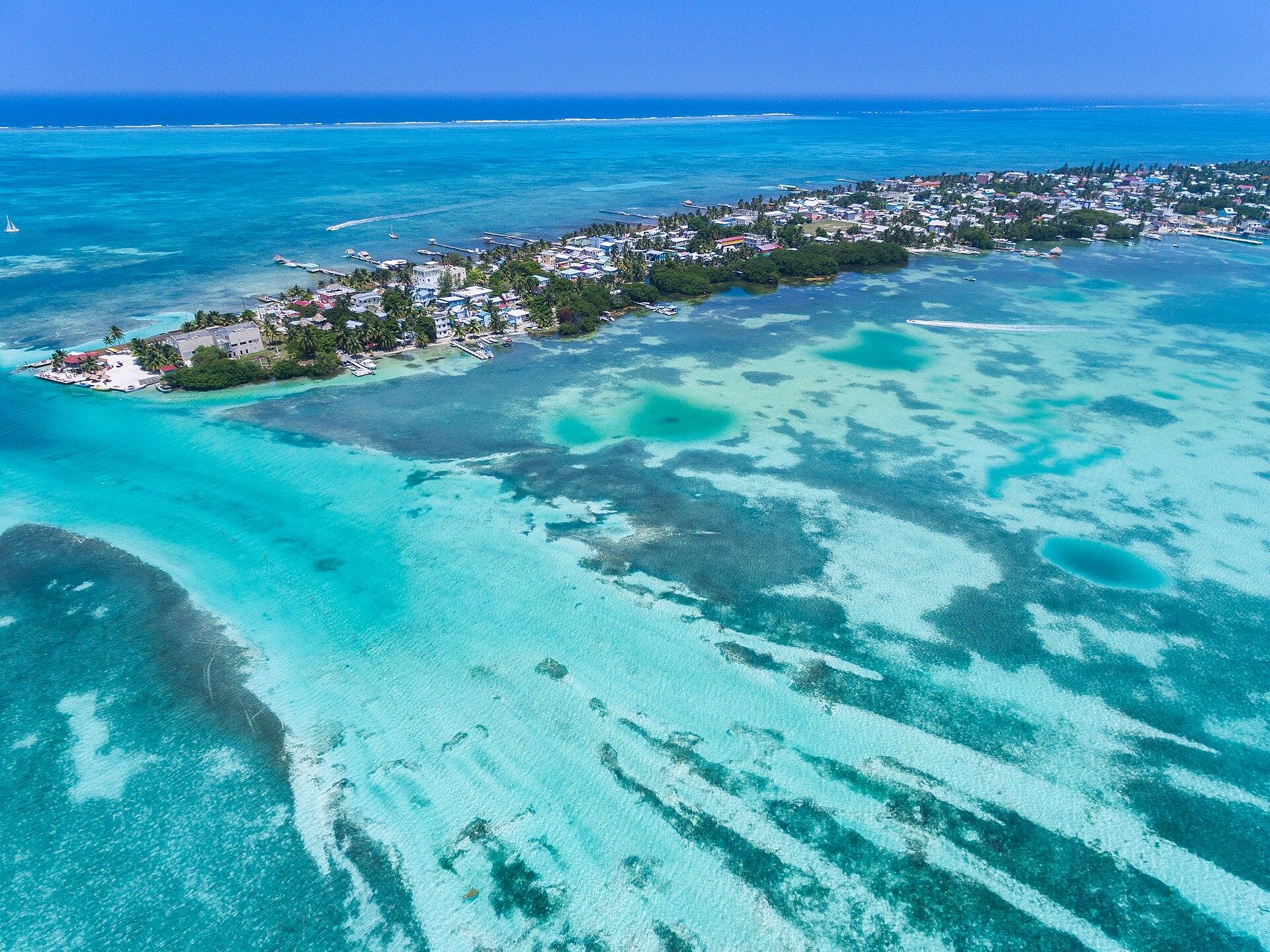
Belize occupies a compact 22,966 square kilometres between Mexico to the north, Guatemala to the west and south, and the Caribbean Sea to the east. Despite its small size, the country holds the second-largest barrier reef in the world — the Belize Barrier Reef, a UNESCO World Heritage Site stretching 300 kilometres along the coast — alongside lowland rainforests, Maya ceremonial centres, and a dozen atolls anchored in warm turquoise water.
Cities Worth Exploring
Belize City serves as the transport hub, with Philip S. W. Goldson International Airport connecting to North America. The city's swing bridges, colonial-era wooden buildings, and Baron Bliss Lighthouse give it a distinct character. For travellers seeking inland culture, San Ignacio in the Cayo District — roughly 115 kilometres west of Belize City — provides access to the Xunantunich and Caracol Maya sites, the latter covering more than 75 square kilometres of excavated plazas. On the southern coast, Placencia offers a 26-kilometre peninsula with calm waters and a growing range of hotels. San Pedro on Ambergris Caye, the largest island at 40 kilometres long, anchors the country's most active hotel market.
Regions and Natural Landscapes
The Cayo District draws archaeology-focused travellers and spelunkers to ATM Cave (Actun Tunichil Muknal), where Maya skeletal remains and pottery still rest inside a subterranean river system. The Toledo District in the far south covers dense tropical forest and is home to Garifuna and Qeqchi Maya communities. The Corozal District near the Mexican border attracts visitors travelling overland from Chetumal. Offshore, the Turneffe Atoll — the largest atoll in the Caribbean at 122,000 acres — and Lighthouse Reef, home to the Great Blue Hole at 300 metres across and 125 metres deep, are among the most-cited dive sites in the western hemisphere.
When to Visit Belize
The dry season runs from late November through April, when humidity drops and coastal winds keep temperatures comfortable in the low 30s Celsius. September and October mark the peak of hurricane season; the country was significantly affected by Hurricane Iris in 2001 and Hurricane Earl in 2016. The Belize Carnival takes place each September in Belize City. Dive conditions are generally favourable year-round, though visibility peaks from March to June before the summer rains.
Practical Tips for Visiting Belize
- Currency: The Belize dollar (BZD) is pegged at 2:1 to the US dollar; USD is accepted widely.
- Getting around: Water taxis connect Belize City to Caye Caulker (45 minutes) and San Pedro (75 minutes); domestic flights with Maya Island Air and Tropic Air reach most districts in under an hour.
- Entry: Most nationalities receive a 30-day entry permit on arrival; extensions are available at immigration offices.
- Health: Pack insect repellent for inland jungle areas; malaria prophylaxis is recommended for travel to the Toledo District.
- Accommodation: Hotels range from guesthouses in San Ignacio starting under USD 50 per night to overwater cabanas near Ambergris Caye.
Frequently Asked Questions
Q: What language is spoken in Belize? A: English is the official language and is used in government and education. Kriol, Spanish, Garifuna, and several Maya languages are also spoken across different regions.
Q: Do travellers need a visa to enter Belize? A: Citizens of the United States, Canada, the United Kingdom, and most EU countries do not require a visa for stays up to 30 days. A passport valid for at least six months beyond the travel date is required.
Q: How do travellers reach the cayes from Belize City? A: Water taxis depart from the Marine Terminal near the Swing Bridge in Belize City. The journey to Caye Caulker takes approximately 45 minutes; San Pedro on Ambergris Caye takes about 75 minutes.
Q: Is the Great Blue Hole suitable for all divers? A: The Great Blue Hole is recommended for certified open-water divers with some experience; the main dive descends to around 40 metres and involves buoyancy control around stalactites. Beginners generally find shallower reef sites at Turneffe Atoll more accessible.
Q: When is the driest time to visit Belize? A: February through April records the lowest rainfall and is widely regarded as the most comfortable period for both coastal and inland travel.