Hotels in Bulgaria
9 cities · 146 hotels
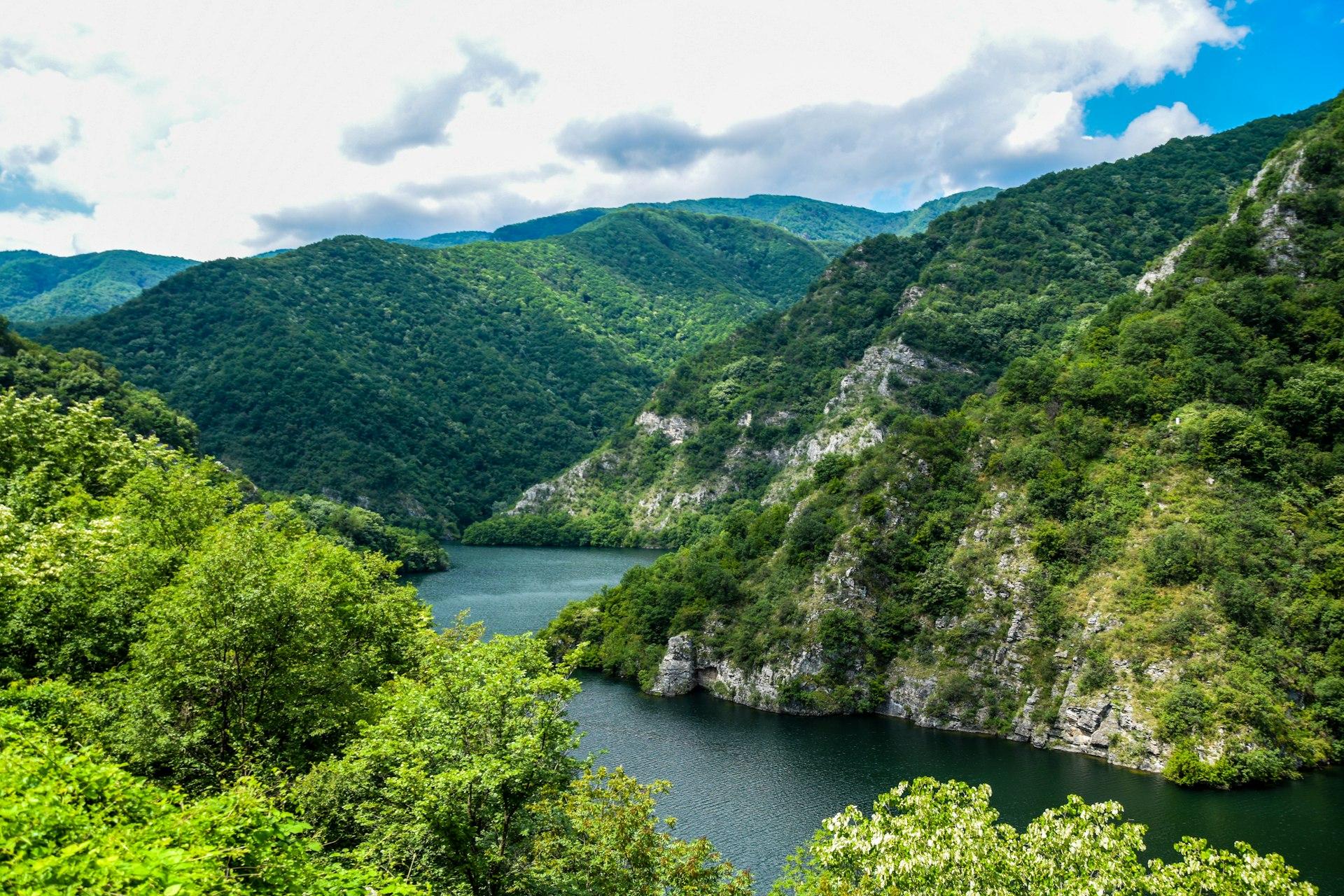
Photo by Ivan Nedelchev on Unsplash
Bulgaria: Balkans Crossroads Between the Black Sea and the Rhodopes
Bulgaria occupies 110,879 sq km in southeastern Europe, sharing borders with Romania, Serbia, North Macedonia, Greece, and Turkey. The Black Sea coast runs 378 km along the eastern edge. The Rhodope Mountains and Balkan Range (Stara Planina) divide the interior, while the Danube forms the northern border for over 470 km. Sofia, the capital, sits at 550 m elevation in a highland basin ringed by Vitosha Mountain, whose summit reaches 2,290 m just 10 km from the city centre.
Cities Worth Exploring
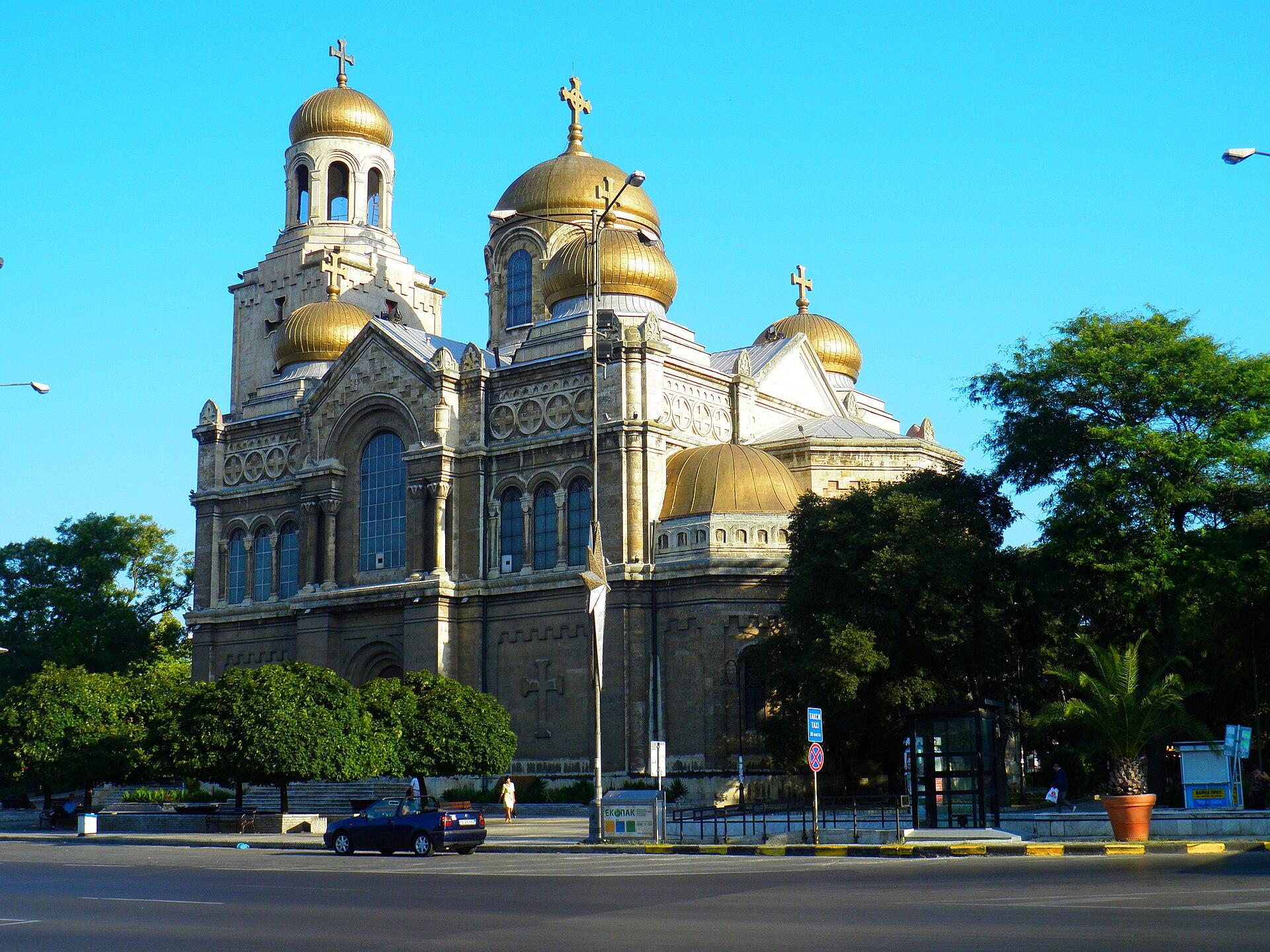
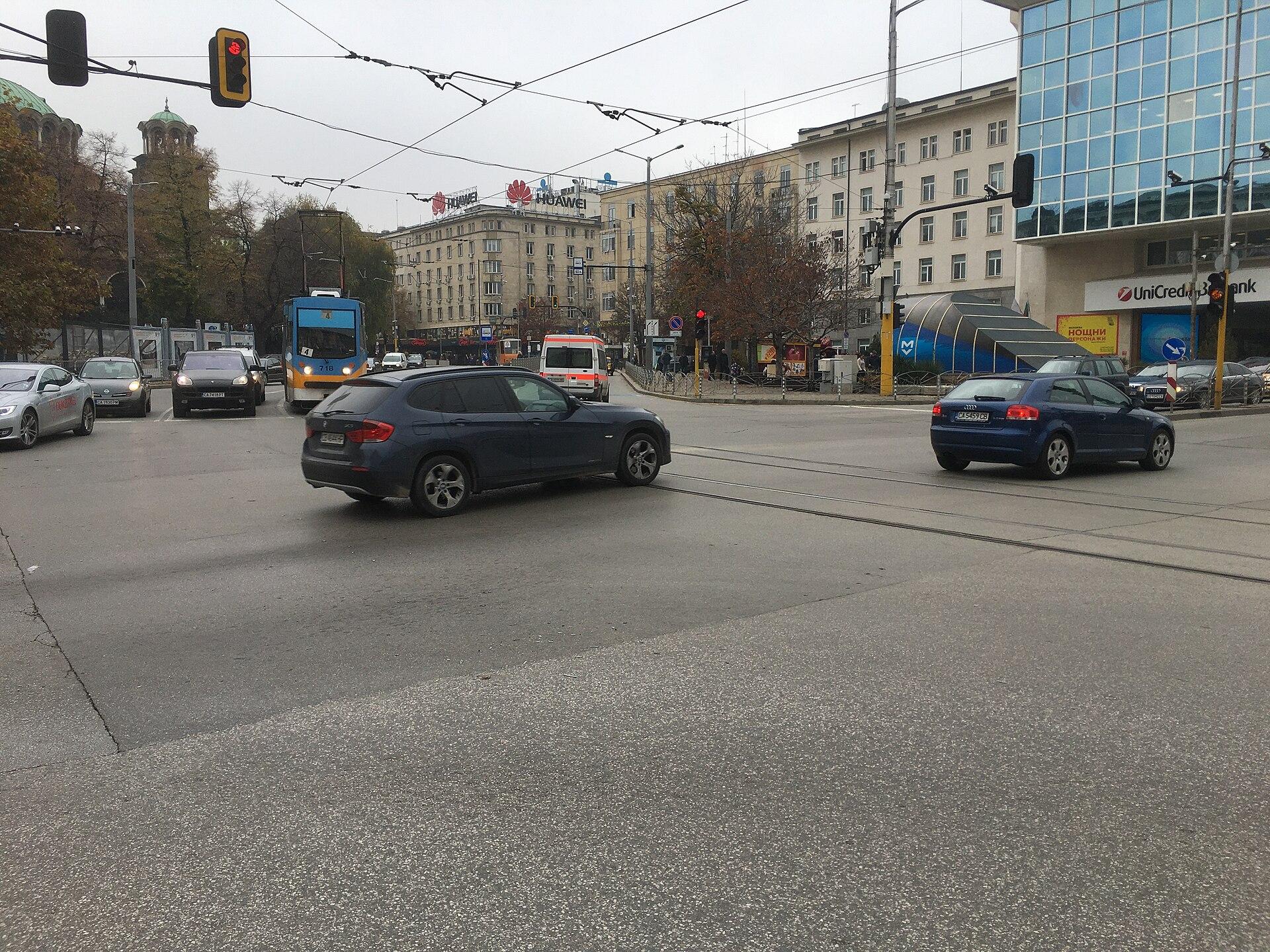
Sofia anchors the country's hotel supply with over 300 properties, from Soviet-era landmarks near Serdika Metro Station to boutique hotels in the Oborishte residential quarter. The Alexander Nevsky Cathedral, completed in 1912, rises 53 m above the city's civic core and is 800 m from the National Palace of Culture. Plovdiv, Bulgaria's second city, hosts the Old Town on three hills above the Maritsa River — a UNESCO-listed ensemble of National Revival architecture dating to the 18th and 19th centuries. Varna, the largest Black Sea port, operates a direct ferry terminal and serves as the gateway for coastal resort strips stretching 60 km south toward Sunny Beach.
Regional Highlights: Mountains, Monasteries, and Coast
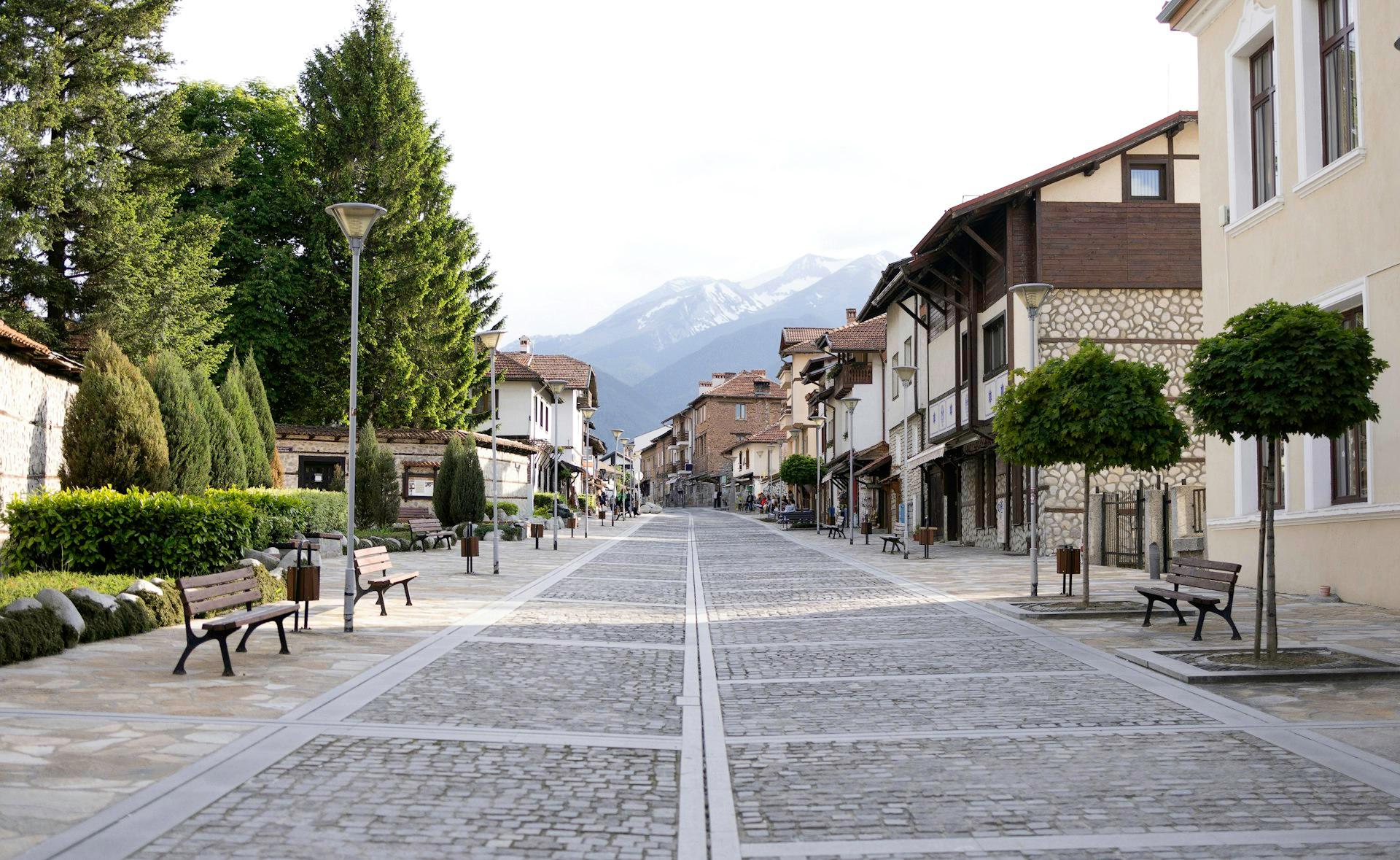
The Rila Monastery, founded in the 10th century and a UNESCO World Heritage Site since 1983, stands at 1,147 m in the Rila Mountains, 120 km south of Sofia. Ski resorts cluster around Bansko (1,160 m base, lifts reaching 2,560 m) and Borovets, Bulgaria's oldest ski area at 1,350 m, operational since 1896. The Rhodope Mountains contain the Trigrad Gorge and cave systems including Devil's Throat Cave, where the Trigrad River disappears underground for 300 m. Along the northern Black Sea coast, the ancient city of Nesebar — another UNESCO site — sits on a 850 m peninsula connected by a narrow causeway.
When to Visit Bulgaria
Ski season runs December through March, with the best snow at Bansko typically in February. The Black Sea coast peaks July–August, when Golden Sands and Sunny Beach fill to capacity. May–June and September offer moderate temperatures of 18–24 °C in Sofia and Plovdiv, with fewer crowds. The Rose Valley near Kazanlak harvests Damask roses for attar oil production each June — Bulgaria supplies roughly 70% of global rose oil. Plovdiv's Kapana Creative District hosts summer festivals from June onward.
Practical Tips for Visiting Bulgaria
- Currency: Bulgarian Lev (BGN); pegged at 1.95583 BGN per euro. Bulgaria targets eurozone entry — carry lev for smaller towns.
- Getting around: A train from Sofia to Plovdiv takes 2–2.5 hours (100 km); buses cover the Black Sea coast faster. Book Bansko ski-season transfers two weeks ahead.
- Visas: Bulgaria joined Schengen in full (air, land, sea) on 1 January 2025 — EU/EEA passport holders cross without border controls.
- Language: Bulgarian uses the Cyrillic alphabet; transliterations appear on most road signs and hotel menus.
- Altitude: Pack a warm layer for evenings in Sofia and mountain towns even in July.
Frequently Asked Questions
Q: What is the cheapest month to book hotels in Bulgaria? A: November and March typically offer the lowest hotel rates outside ski and beach peaks. Sofia business hotels drop rates on weekends throughout the year.
Q: Is Bansko suitable for non-skiers in winter? A: Bansko's old town has 18th-century stone guesthouses, mehana taverns, and thermal spa hotels. Non-skiers use it as a mountain base with access to Pirin National Park hiking trails open year-round.
Q: How far is Rila Monastery from Sofia? A: The monastery is approximately 120 km south of Sofia via the E79 highway. Direct shuttle buses depart from Sofia's Ovcha Kupel bus station; journey time is around 2 hours.
Q: Which Black Sea resort suits families? A: Albena, 30 km northeast of Varna, is purpose-built for families — flat beach, shallow water, and a car-free resort strip. Sunny Beach has more nightlife infrastructure and appeals to a younger demographic.
Q: Can travelers visit Bulgaria on a day trip from Greece or Turkey? A: The Kulata–Promachonas crossing (Bulgaria–Greece) and Kapitan Andreevo–Kapıkule (Bulgaria–Turkey) are major road crossings open 24 hours. Train connections run Sofia–Thessaloniki (5 hours) and Sofia–Istanbul (approximately 9 hours).